
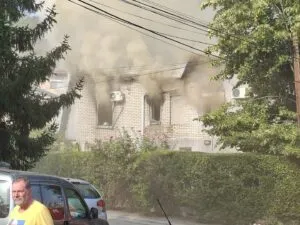
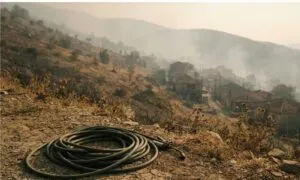
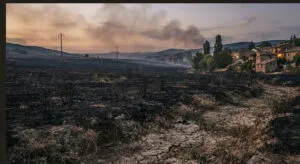
Three planes over Studeničani, crews staying all night: „No danger" is an assessment, not the end of the fire
20.08.2026


20.08.2026

20.08.2026
20.08.2026
20.08.2026

20.08.2026

20.08.2026

20.08.2026

19.08.2026
18.08.2026

20.08.2026
20.08.2026
19.08.2026
20.08.2026

20.08.2026
20.08.2026

20.08.2026

19.08.2026

18.08.2026

20.08.2026

20.08.2026

20.08.2026

20.08.2026

20.08.2026
19.08.2026

09.03.2026

27.02.2026

19.02.2026
20.08.2026
19.08.2026
18.08.2026

23.04.2026

23.04.2026

12.04.2026
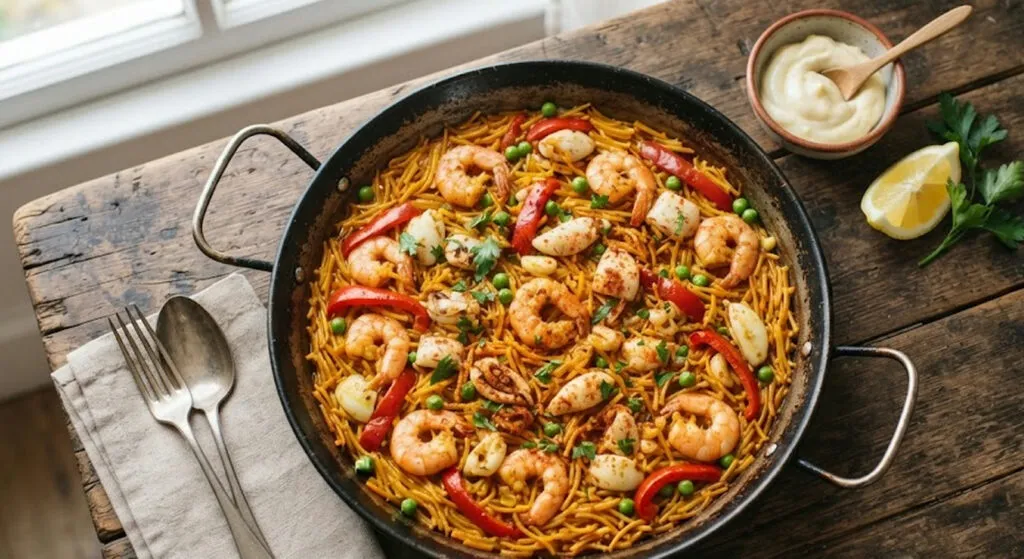
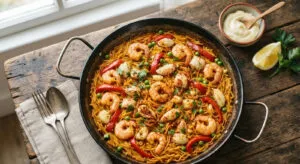
Fideuà is not paella with pasta. That is the first thing worth knowing, and the one thing most people get wrong. It has its own character, its own flavour and its own logic - and it cooks in under twenty-five minutes.
The origin story is the one everybody tells: the early 20th century, Gandia, fishermen on a boat, the rice ran out and somebody threw pasta into the pan. Whether it is true down to the last detail cannot be checked. But it says something real - this is a dish born of not having, not of a recipe. Its closest relative is arròs a banda: a well-reduced sofrito, a strong stock, and whatever the sea provided.
Ingredients for four: 350 g pasta (short and thick, number 3), 800 ml fish stock, 250 g prawns, 250 g cuttlefish, 2 ripe grated tomatoes, 2 cloves of garlic, one teaspoon of paprika, olive oil, salt and saffron.
Method. The cuttlefish is fried in the pan with a little oil until it takes on colour, then set aside. Finely chopped garlic goes into the same oil, then the grated tomato - and here you wait, until the sofrito genuinely reduces. The pan comes off the heat before the paprika goes in, because over direct heat it burns in seconds and the whole dish takes on a bitter taste that cannot be fixed.
Then the pasta goes in and is briefly toasted. That step is what makes the difference - without it the pasta stays pale and the flavour is flat. Add the hot stock, the saffron and the cuttlefish. High heat first, then medium, eight to twelve minutes until the liquid is absorbed. The prawns go in near the end, because if they sit in the pan from the start they come out dry and rubbery. And finally - three to five minutes resting off the heat.
Those last minutes are what most people skip, and they are precisely the difference between a dish that falls apart and one that holds its shape on the plate. The same rule applies to our own rice, and to every dish that absorbs liquid. Anyone who has cooked knows it - impatience is the most expensive ingredient in the kitchen.
The latest 10 news from this category
The whole flan breaks in three places - hot milk, vigorous whisking and turning it out before the fridge. Not...
A Madrid chef adds a Peruvian sauce to a dish every Mediterranean coast has its own version of. The full...
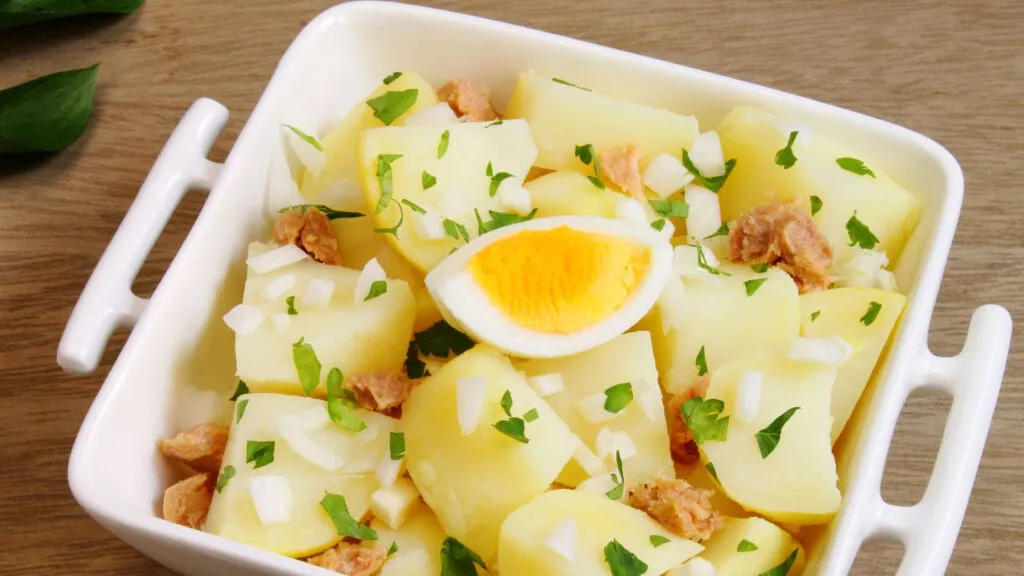
A dish with nowhere to hide - boiled potato, egg, onion, parsley, vinegar and oil. The entire difference between good...
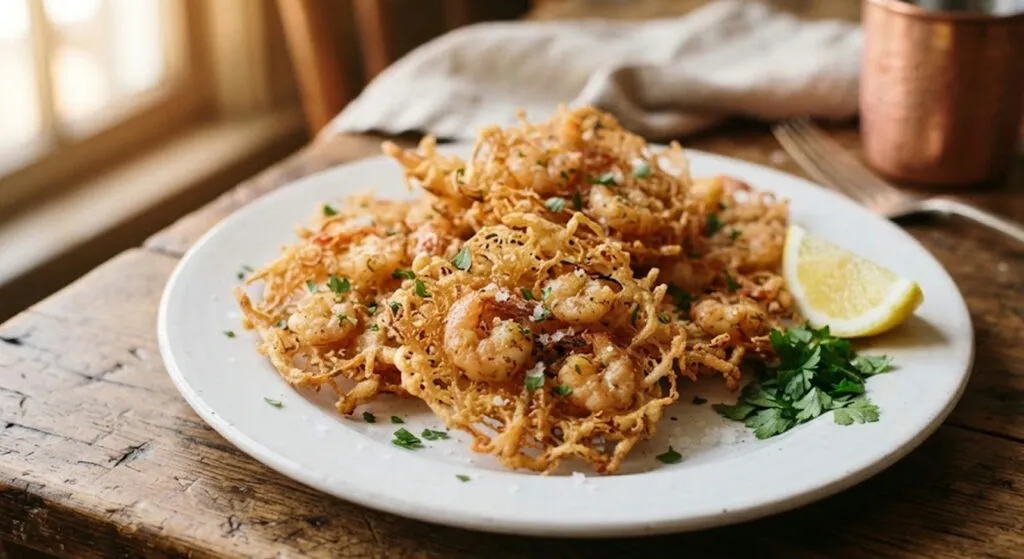
No egg, no thick batter. The result is either a transparent lace or an oil-soaked fritter - and there is...
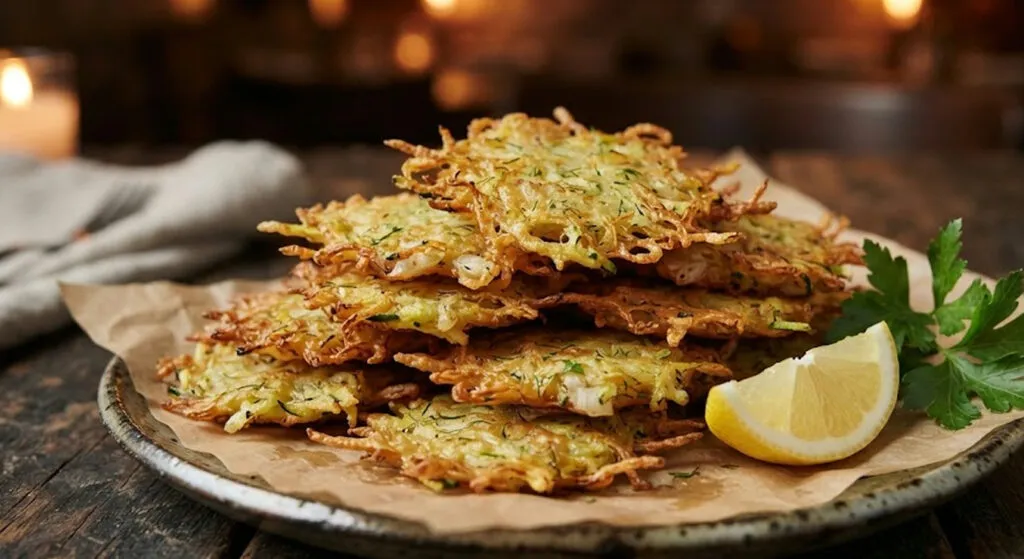
Flour, water and shrimp - five ingredients that cost next to nothing. The whole difference is one decision about the...
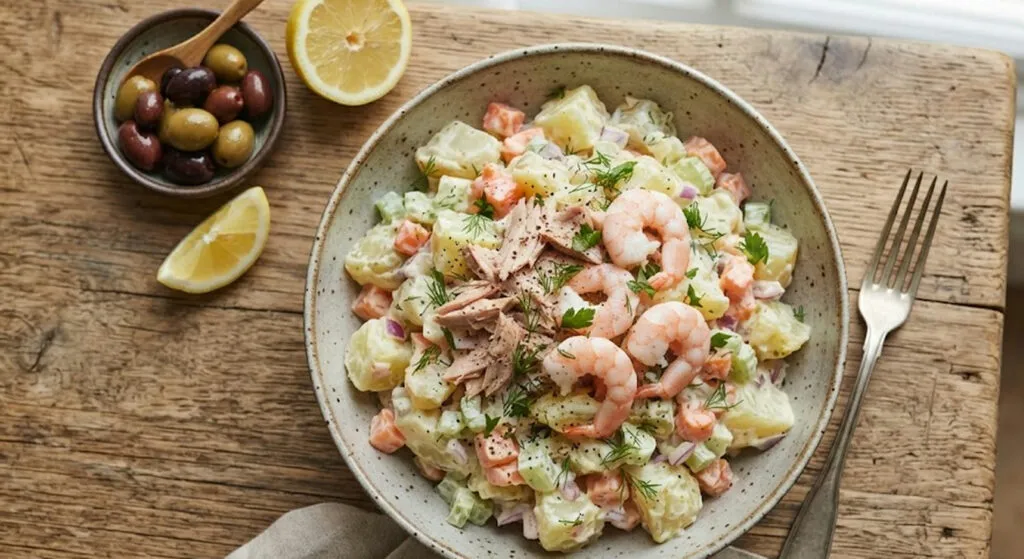
A Spanish chef puts the prawn shells back in the water and boils everything else in it. The cheapest part...
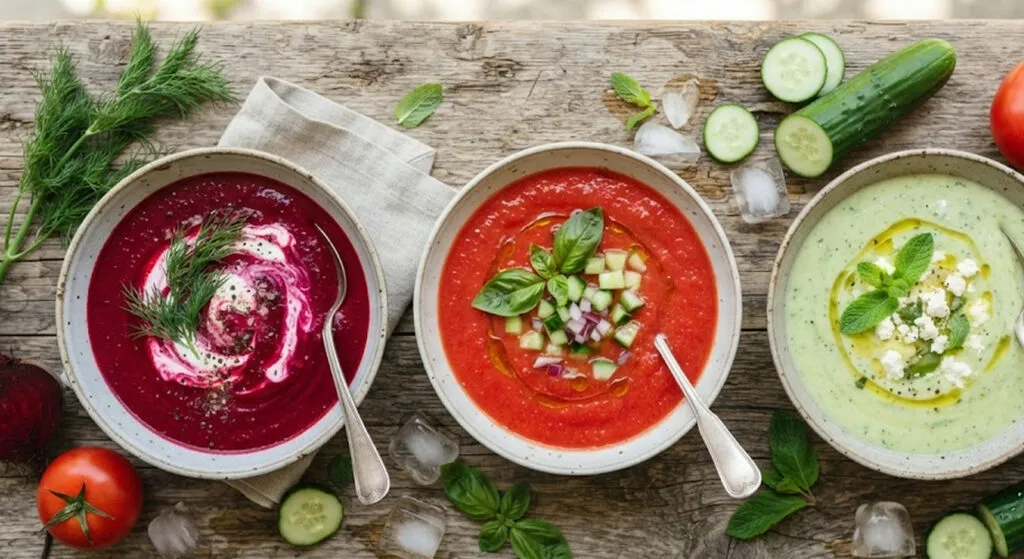
Minerals improve absorption, fibre releases the water gradually. A juicer removes it - and with it a large part of...
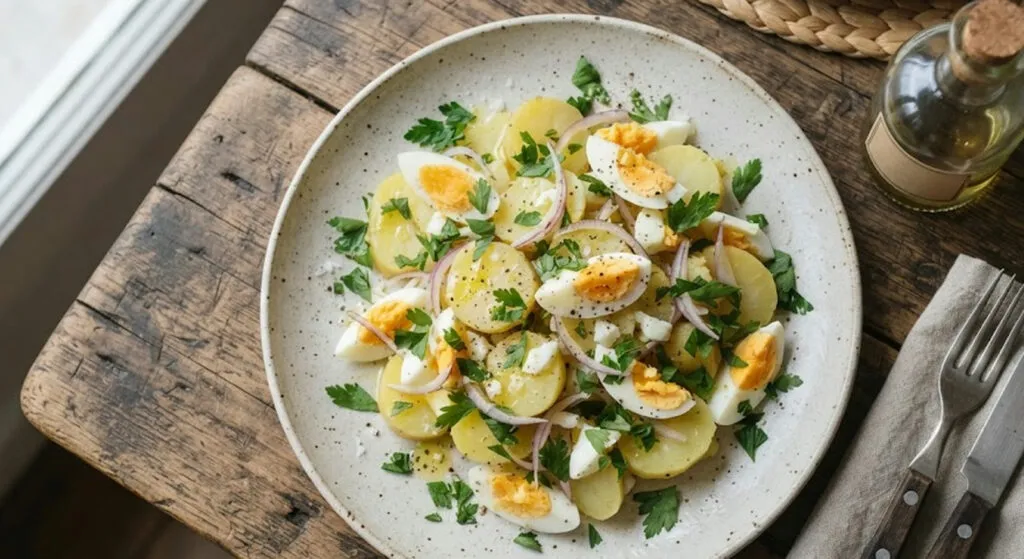
Warm potato absorbs the liquid, cold potato just carries it on the surface. When there is no sauce to hide...
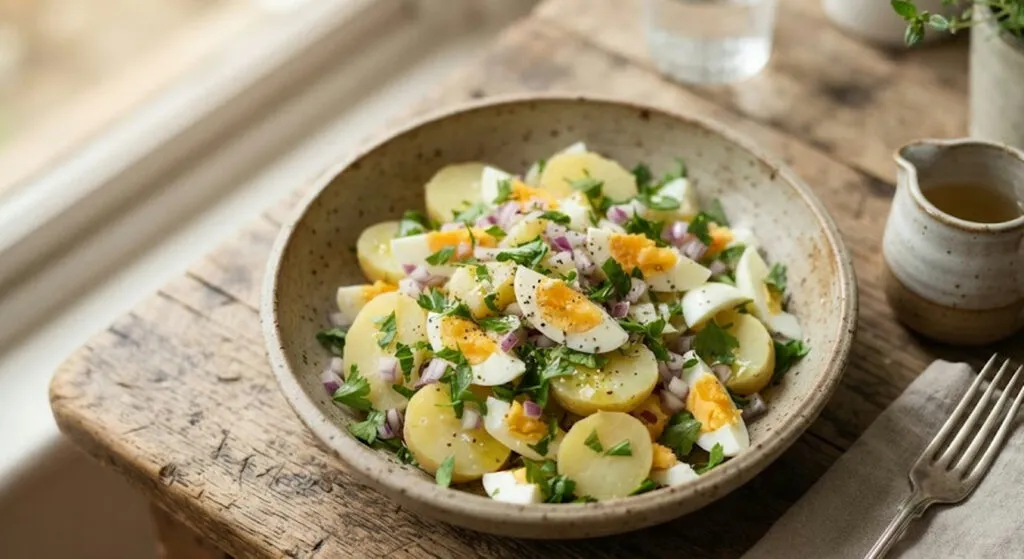
Warm potatoes, not cold. Whoever told you the salad should be chilled in the fridge first sent you in the...
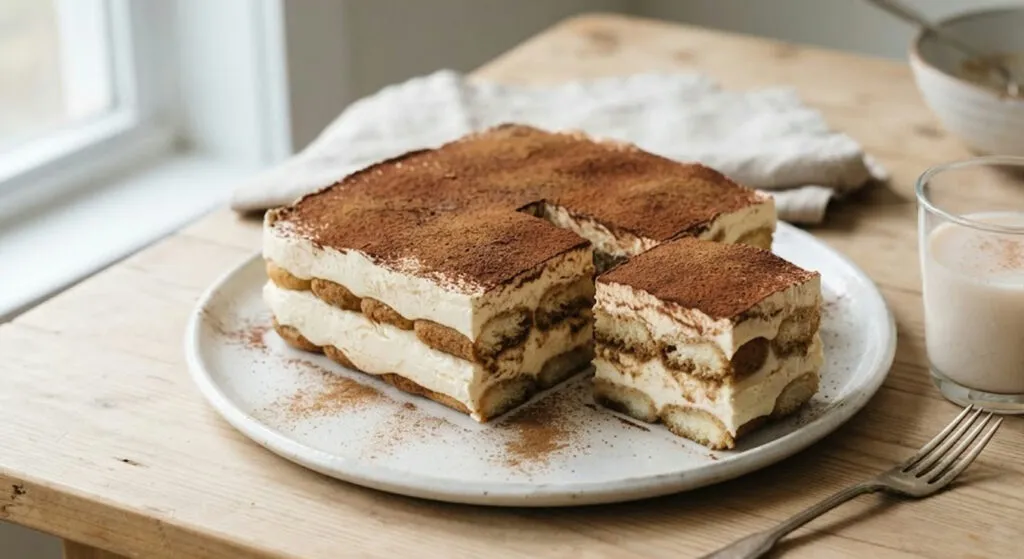
The story about the king who exclaimed „this is gold” is invented, but tiger nut really does contain neither gluten...
This site uses cookies - is that okay? Learn more
Be the first to know when Metla launches something new
Leave your email and we will write when there is a new guide or something new on Metla.