
Eight Tonnes of Marijuana Crossed the Border in a Year: the Weight Difference Was Measured, the Chain Ran for Months
19.08.2026


19.08.2026
19.08.2026
19.08.2026

19.08.2026
19.08.2026

19.08.2026
19.08.2026
18.08.2026
18.08.2026

19.08.2026
19.08.2026
18.08.2026

19.08.2026

19.08.2026

19.08.2026
19.08.2026
18.08.2026

17.08.2026

19.08.2026

19.08.2026

19.08.2026

19.08.2026
18.08.2026
17.08.2026

09.03.2026

27.02.2026

19.02.2026
19.08.2026
18.08.2026

18.08.2026

23.04.2026

23.04.2026

12.04.2026
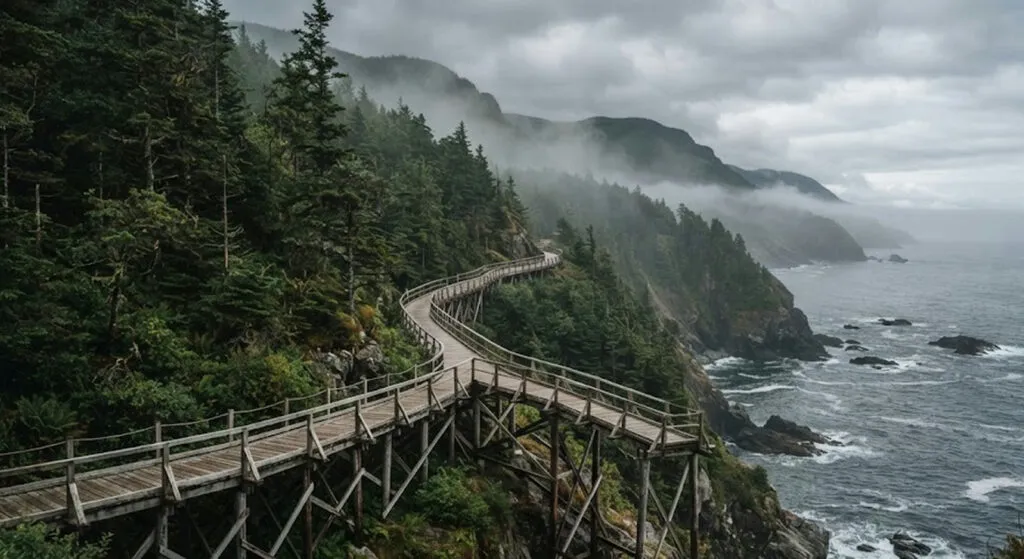
There is a kind of tourism that requires no fitness, no guide and no skill on rock. All it requires is a wooden walkway hung above something you otherwise could not see. Galicia, the north-western corner of Spain where the Atlantic slams into cliffs, has built eight such walkways and in doing so solved a problem many countries have not even touched: how to let people into fragile nature without them trampling it.
The logic is simple to the point of being banal. If the path is raised, your step does not land on the root, the dune, the moss. It lands on wood. The ecosystem stays beneath you, untouched, and you get a view from a height no footpath ever gives you. This is infrastructure as an act of protection, not as an act of construction.
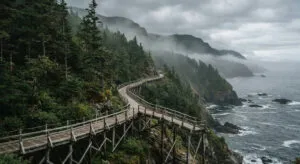
The most dramatic of the eight is Fociños do Porco in Lugo. Three kilometres eight hundred metres there and back, zigzagging along a coastal cliff, with roughly a hundred and twenty metres of total ascent and descent - described as a hiking rollercoaster, with high railings and solid construction. The point here is not the length. The point is that the whole way you are walking above the ocean rather than beside it.
At the Ézaro waterfall on the Costa da Morte the walkway is about a hundred metres long and almost flat. This is the only waterfall in Europe that falls directly into the sea, forty metres high, and the wooden structure is built into the rock itself to bring you to the point where the roar of the water is heard rather than seen.
The canyon of the river Mao in Ribeira Sacra follows a different logic - eleven kilometres in total, but with a short two-kilometre section running at canopy level, through forests and villages that have not changed in centuries. It starts at an old hydroelectric plant converted into an exhibition centre with a restaurant. An industrial building they did not demolish but reread.
There are also four kilometres of circular walkway along the river Anllóns, entirely on wood, with restored watermills and bridges. There are nearly a thousand hectares of dunes at Corrubedo, with a shifting dune more than a kilometre long and twenty metres high, reachable only via platforms. There is Fragas do Eume, described as the best-preserved Atlantic forest on the continent, with medieval castles and a monastery at the end of the trail.
And here comes the part that is hard to read from Skopje. We have Matka, we have Šar Mountain, we have canyons no Galician would believe exist. What we do not have is wood underfoot and a railing beside it. Galicia did not discover more beautiful nature than ours - it discovered that you should be able to reach nature without trampling it. How much does one kilometre of wooden walkway cost, and how much does it cost to have none?
The latest 10 news from this category
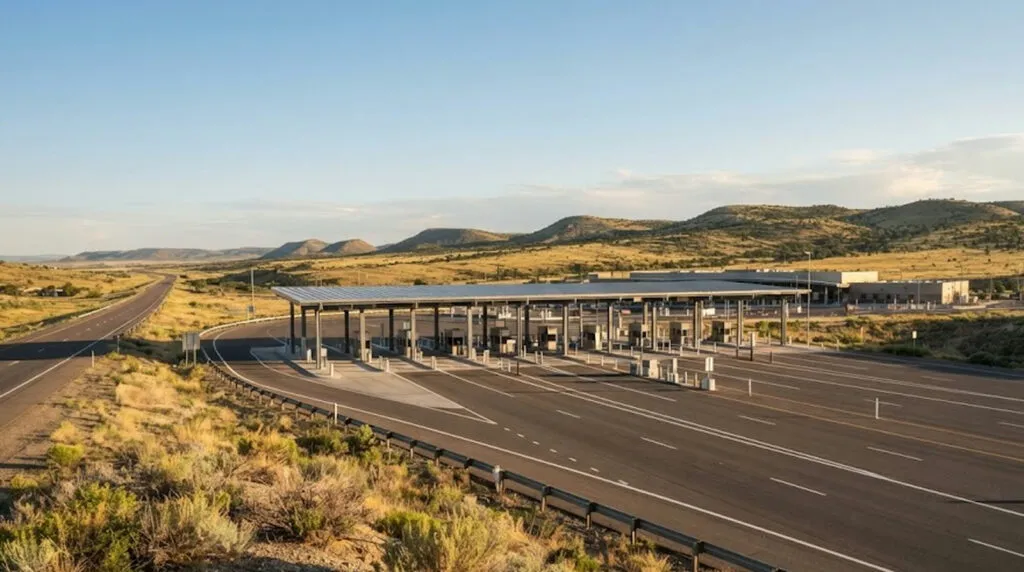
In the same hour on 18 August, the gap between the three exits to Greece was more than an hour...
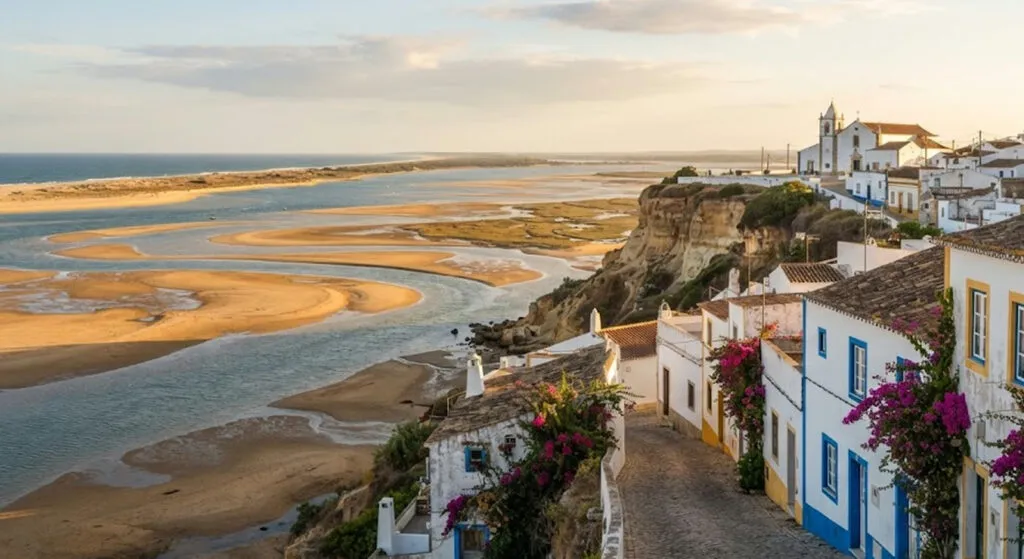
At low tide you walk to the sand. At high tide you either wade the channels with your things over...
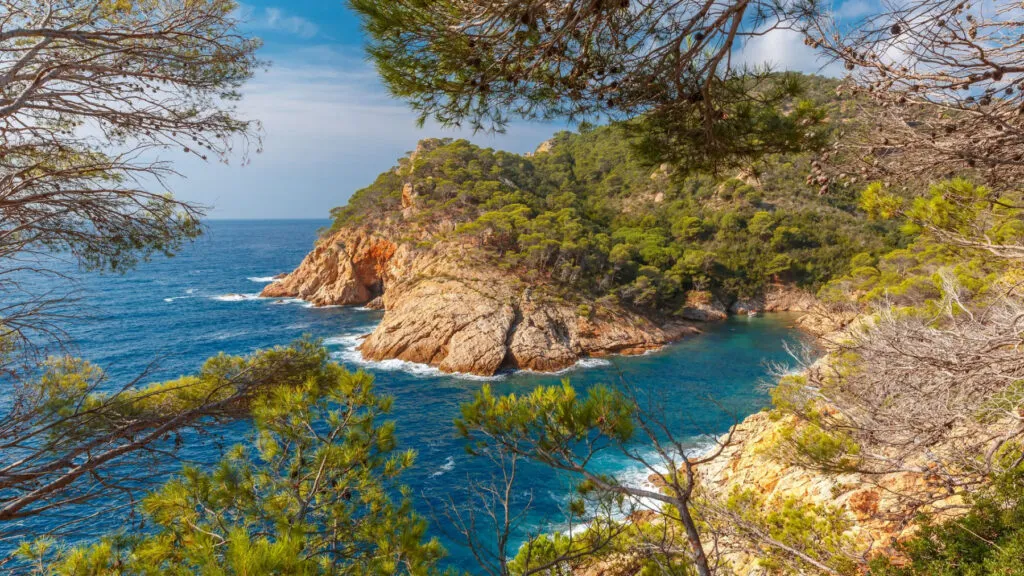
A coastline where the pine forest comes down to the water still looks like itself - but only for those...
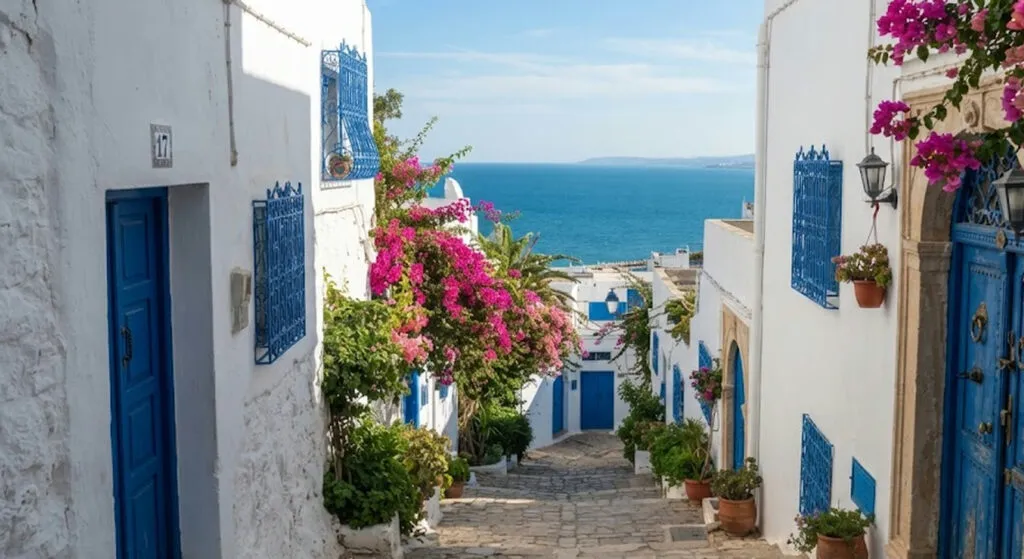
Twenty kilometres from the Tunisian capital, the most photographed village in the country. The aesthetic the world now protects was...
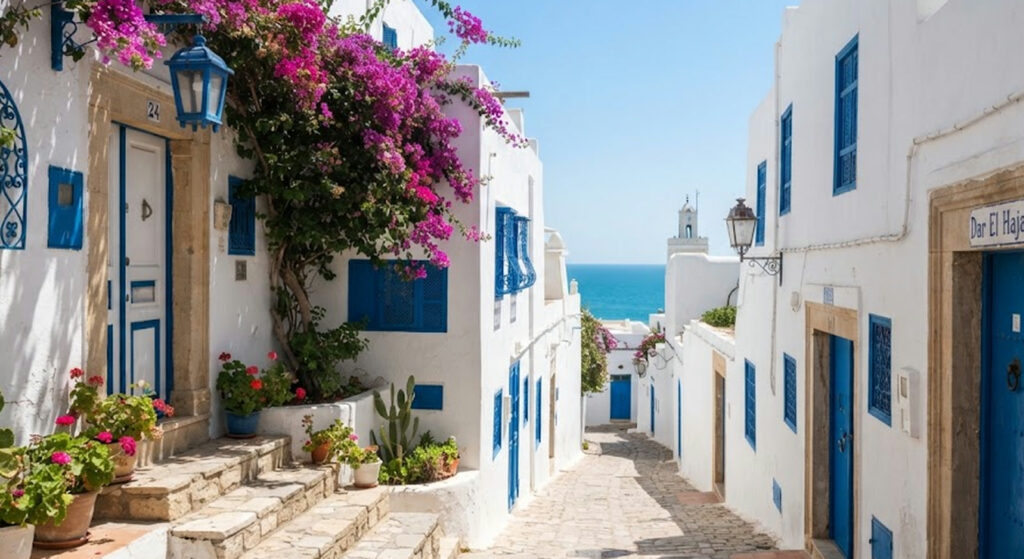
A British baron wrote the rule a century ago: facades white, doors and windows cobalt blue only. Not one owner...
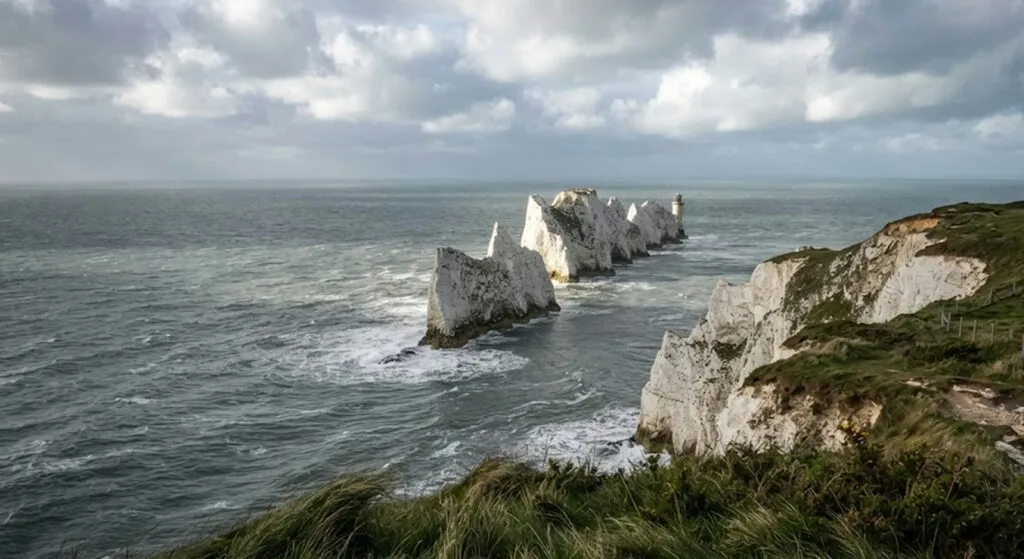
The world's only scheduled hovercraft service still runs there. Victoria called it her little paradise, so did Marx, and in...
Eight days of measurements at the crossing into Macedonia show the hour you leave changes more than anything else. Between...
Hemingway, Picasso and Fitzgerald did not come on holiday - they came to live there for a season. Everyone copied...
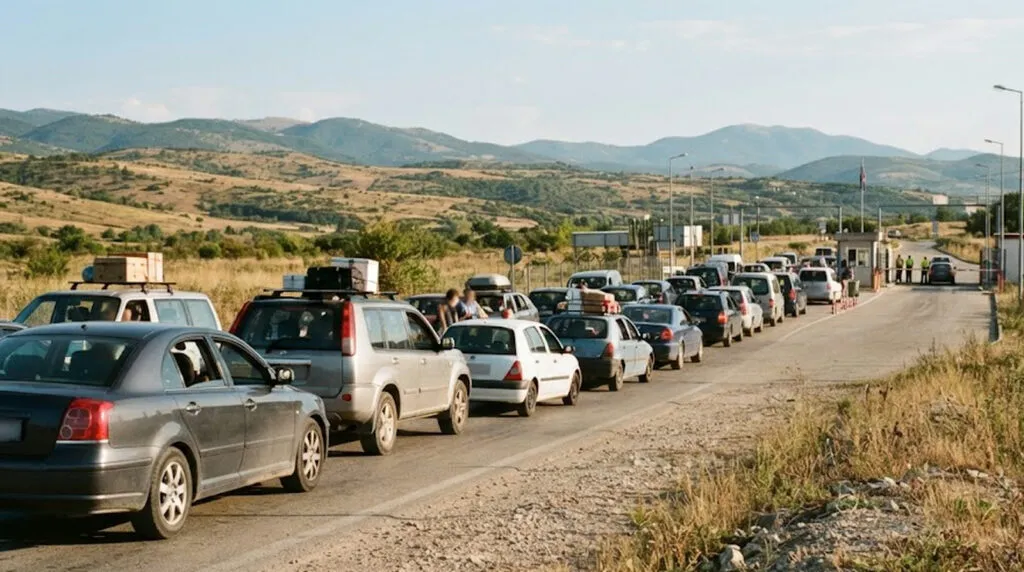
Three cars at midnight, twenty-nine at six in the morning. That same morning Medzitlija was empty, and the hour you...
The moat around the village was not banked up but cut out of the stone. The shape stayed because for...
This site uses cookies - is that okay? Learn more
Be the first to know when Metla launches something new
Leave your email and we will write when there is a new guide or something new on Metla.