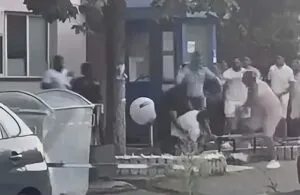
Six Men Brawled Outside the Police Station in Kočani: Now They'll Also Check What the Officers Were Doing
17.08.2026


17.08.2026
17.08.2026

17.08.2026

17.08.2026

17.08.2026

17.08.2026

17.08.2026

16.08.2026

15.08.2026

17.08.2026

17.08.2026

16.08.2026
17.08.2026
17.08.2026

17.08.2026

17.08.2026

16.08.2026

15.08.2026
17.08.2026

17.08.2026
17.08.2026
17.08.2026

17.08.2026

16.08.2026

09.03.2026

27.02.2026

19.02.2026

16.08.2026

15.08.2026
14.08.2026

23.04.2026

23.04.2026

12.04.2026
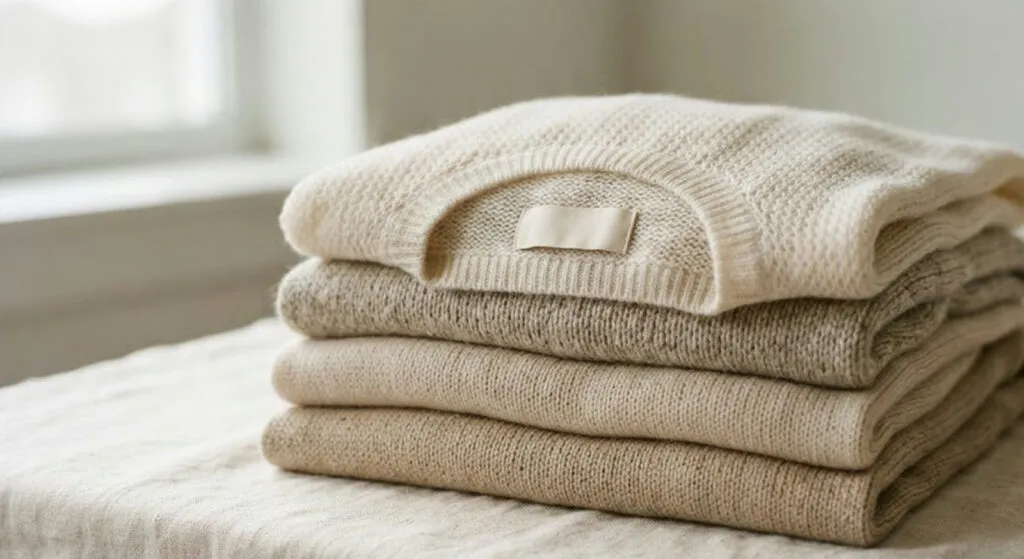
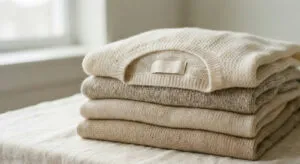
A knitted garment in August sounds like a mistake. Around here the word wool automatically means winter, your grandfather's jumper and sweating on a bus. Except that is a habit of thinking, not a property of the material - and the habit costs money, because it pushes you towards buying things that will overheat you and avoiding things that would not.
Wool has thermoregulating properties. Which means that, made well, it can keep you cool when it is hot - not only warm when it is cold. The question was never wool or not, but which wool and how it is knitted.
Which fibres work in summer
Merino is the first answer. It breathes well, it is light, it regulates body temperature and absorbs moisture well. It does not insulate like thick classic wools - which is exactly why it works at thirty degrees. The second option is wool and silk blends.
Of the other fibres, cotton works, as do knits with polyamide and with viscose. Viscose is made from cellulose, looks like silk, breathes and absorbs moisture. Polyamide is a modern synthetic that, contrary to expectations, can be highly breathable and dries quickly.
What does not work: polyester traps heat, and acrylic traps both heat and moisture. Those are the two fibres most often hidden in cheap knitwear - and they are the reason somebody has already given up on knits in summer, thinking the problem was the wool.
The label, not the look
This is the part worth learning once and using for life. Before you buy a knitted garment, read the composition. The look tells you nothing - two garments with the same appearance and the same price can behave in completely opposite ways on the body.
And one step further: when the composition is a blend, ask yourself why it is a blend. Were the fibres combined to bring the price down, or to make the garment perform better? That is a difference the manufacturer rarely explains, and the label reveals it to anyone who pauses for ten seconds in front of the fitting-room mirror.
And how it is knitted
Composition is half the story. The other half is structure. An open knit with fine yarn breathes; a dense knit with thick yarn does not, even when the fibre is good. Designers who work with knitwear change the type by season - denser structures and thicker yarns in winter, more open knits and finer yarns in summer.
The conclusion is not that everyone should now buy woollen shorts. The conclusion is that the rule „you do not wear knitwear in summer” was never a rule, but one bad experience with the wrong wool generalised into one. The fashion industry lives off exactly that kind of generalisation: it sells you seasonal wardrobes because you are convinced half of yours is unwearable six months a year.
The latest 10 news from this category
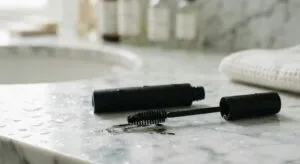
The polymer wraps each lash in its own tiny tube and the pigment stays sealed inside. Anyone who panics and...
The second dress had optical fibres woven in that glow in the dark - a joke at the expense of...
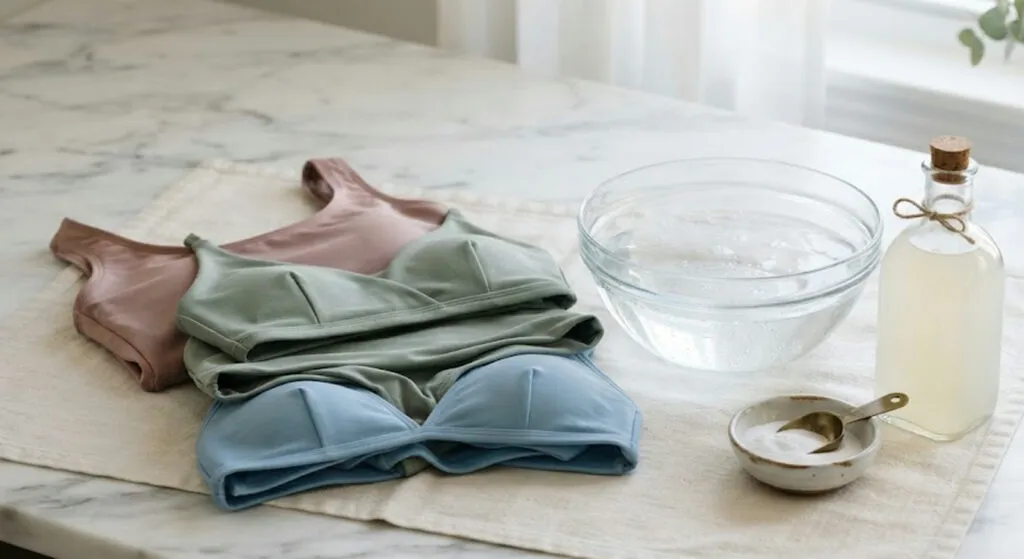
Chlorine, salt and sunscreen wear them down year after year. The treatment against that needs vinegar, baking soda and a...
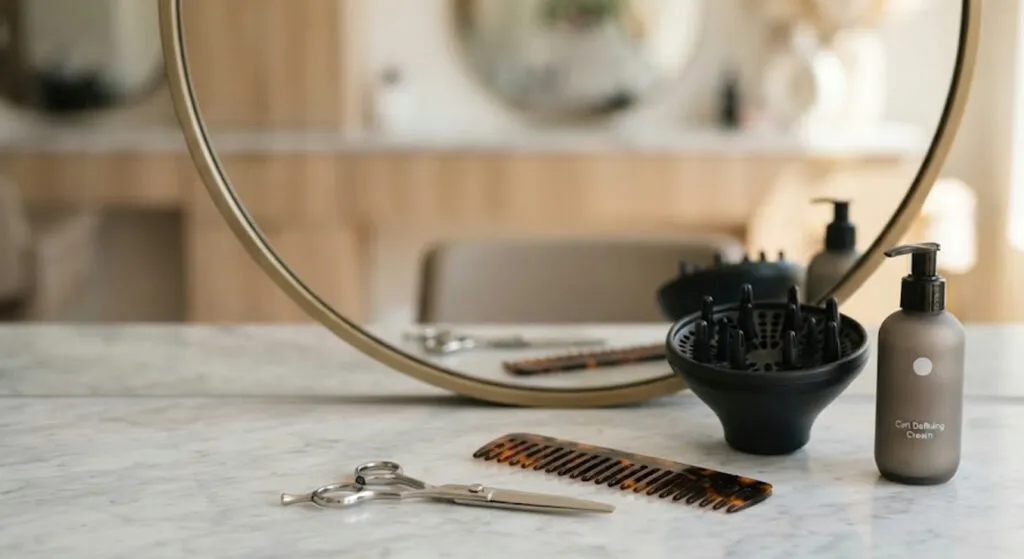
A wet curl is longer, heavier and straighter than it will be in half an hour. Hence that bell effect...
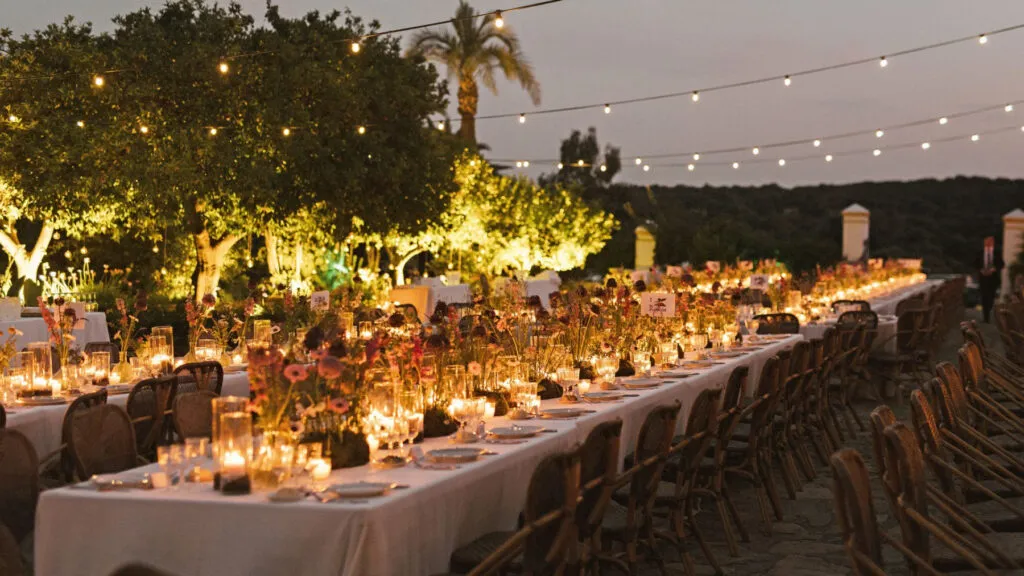
Almost none of the items on the list is about money. The temperature of the food, the choice of wine,...
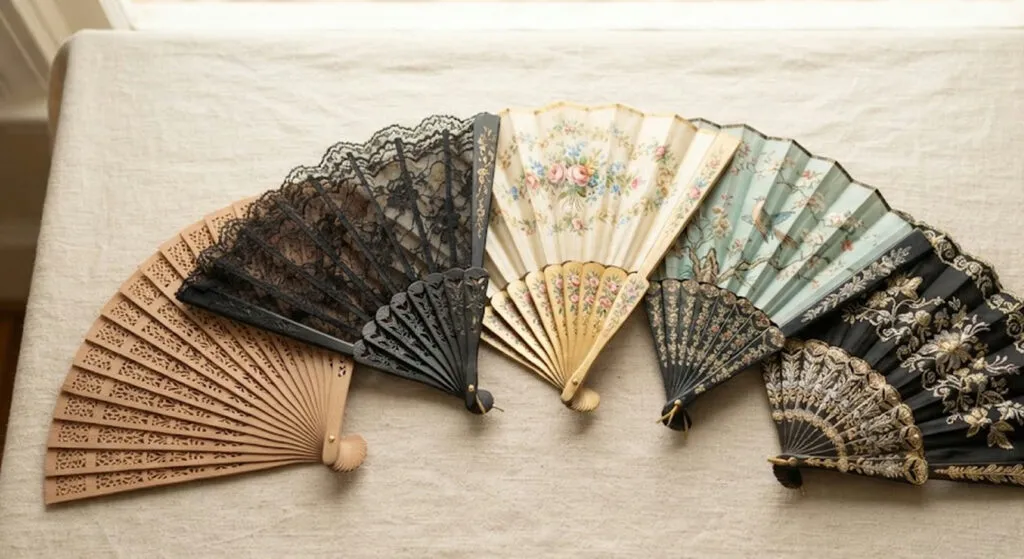
One carries an engraved date from 2007 and was brought out thirteen years later. At forty degrees a fan works...
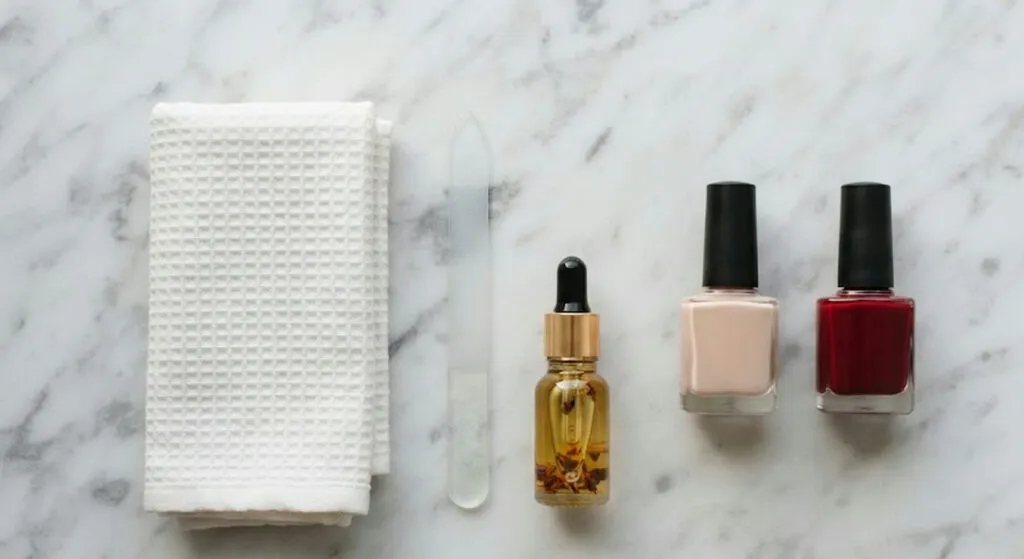
Ana Galán refuses to hand over one single meaning and instead points at what the ritual actually does. The difference...

One strip of ribbon around a napkin, at almost no cost, and the table instantly looks deliberately set rather than...
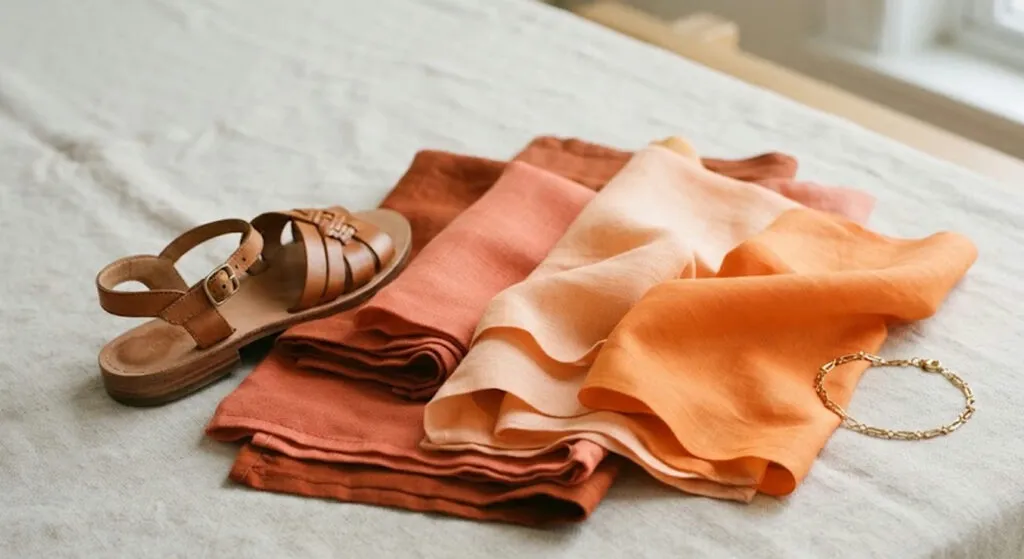
Valentino and Ermanno Scervino brought it back in full this season, and the advice is more specific than the usual...

Every burn leaves a biological mark that adds to all the previous ones. Skin does not start from zero each...
This site uses cookies - is that okay? Learn more
Be the first to know when Metla launches something new
Leave your email and we will write when there is a new guide or something new on Metla.