
Ljupcho Has Been Missing Ten Days, and the Family Warned Beforehand: They Got the Referral, the Hospital Said It Was Being Renovated
16.08.2026


16.08.2026

16.08.2026

16.08.2026

16.08.2026

16.08.2026

16.08.2026

16.08.2026

15.08.2026

14.08.2026
16.08.2026

16.08.2026

15.08.2026
16.08.2026
16.08.2026

16.08.2026

16.08.2026

15.08.2026

14.08.2026

16.08.2026

16.08.2026

16.08.2026

16.08.2026

16.08.2026

15.08.2026

09.03.2026

27.02.2026

19.02.2026

16.08.2026

15.08.2026

14.08.2026

23.04.2026

23.04.2026

12.04.2026
If you have just come back from holiday, you know the moment: the suitcase open, the laundry pile growing, and all of it going into the machine together. The swimsuits go in with everything else, and at the start of the next summer somebody wonders why they have lost their colour and gone slack.
Chlorine, salt, sunscreen and the sun itself wear them down year after year. There is a way to avoid that, and it needs nothing you do not already have in the kitchen.
Advice picked up in Brazil, used for seventeen years
The trick is shared by Merce Bona, a content creator with over ten million followers across her channels. "This is the definitive recipe for making your bikinis and swimsuits last a lifetime," she claims in one of her most watched videos this summer.
The claim is not empty: she has pieces she has kept for seventeen years. The most frequent question her followers ask is exactly that - how it is possible for them to last so long without losing their colour or having the fabric stretch out. The answer, she says, came to her at twenty, on a trip to Brazil, from a shop assistant in a local store when she bought a bikini. She has applied it at the end of every summer since.
The method, step by step
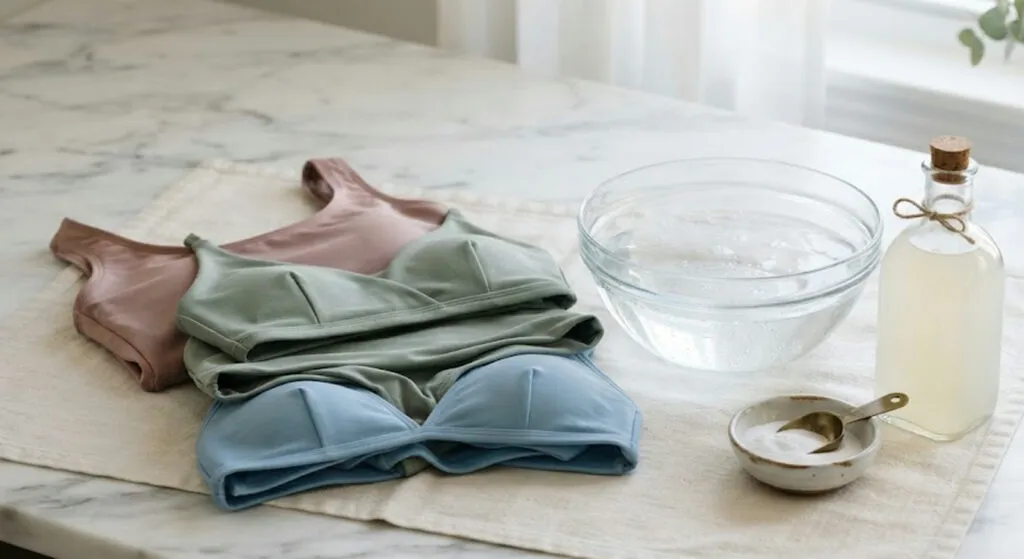
Fill a bowl with cold water. Add a little apple cider or white vinegar. Add baking soda, about two tablespoons. Finally add a little salt and stir. Soak the pieces in that mixture for five to ten minutes. Rinse them with water and leave them to air dry - but in the shade, not in the sun.
The most important detail is when you do it. "You should only do this at the end of summer, when you are storing the swimwear until next year, not every time you use it," she points out. So it is not a routine, it is one move a year.
Why it works
This is not magic but chemistry, and the explanation is specific. "The vinegar will neutralise any chlorine left in the garment, and the baking soda will prevent bad odours from building up, and beyond that it disinfects and cleans. The salt will help fix the colours," Bona says.
Then the storage: in a drawer, organised with dividers - not in plastic or fabric bags.
Fabric softener is the quiet culprit
Here comes the part most people do every day without thinking. As with sportswear, fabric softener can work against you, affecting the elasticity of the fabric.
"Softeners can leave residues on clothing over time, especially if used excessively. Those residues can build up in the fabric fibres, reducing their capacity to absorb and breathe," note representatives of one textile company.
The claim is that the trick works with swimwear of different quality - both premium brands and cheaper ones. That is the part worth testing yourself, because the industry has an interest in swimwear lasting one summer. If it lasts seventeen, sales fall seventeenfold.
The latest 10 news from this category
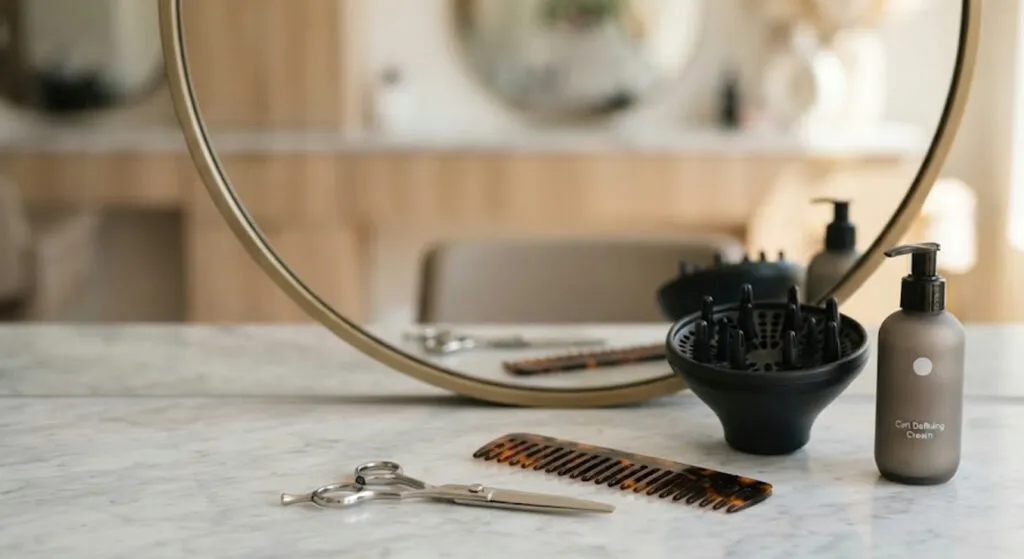
A wet curl is longer, heavier and straighter than it will be in half an hour. Hence that bell effect...

Almost none of the items on the list is about money. The temperature of the food, the choice of wine,...
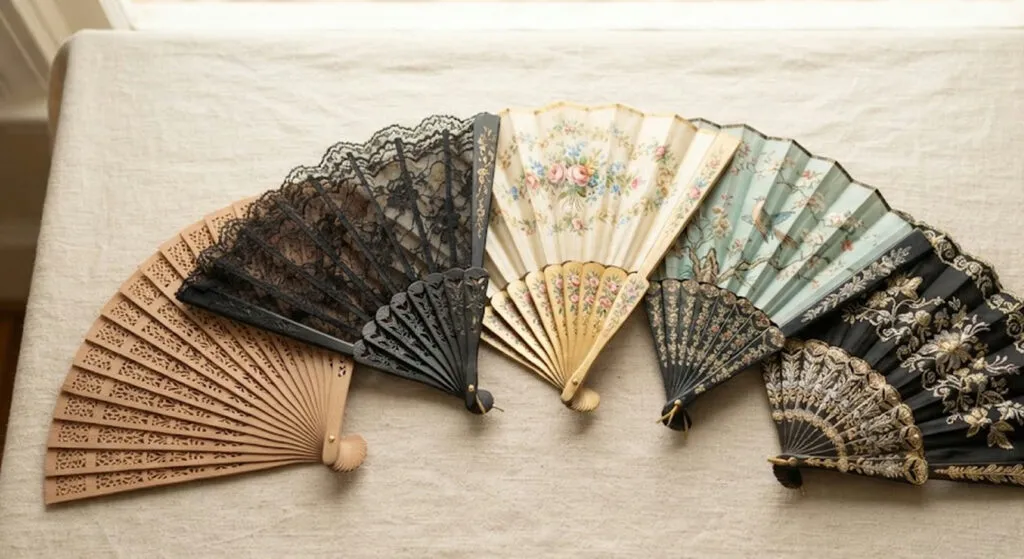
One carries an engraved date from 2007 and was brought out thirteen years later. At forty degrees a fan works...
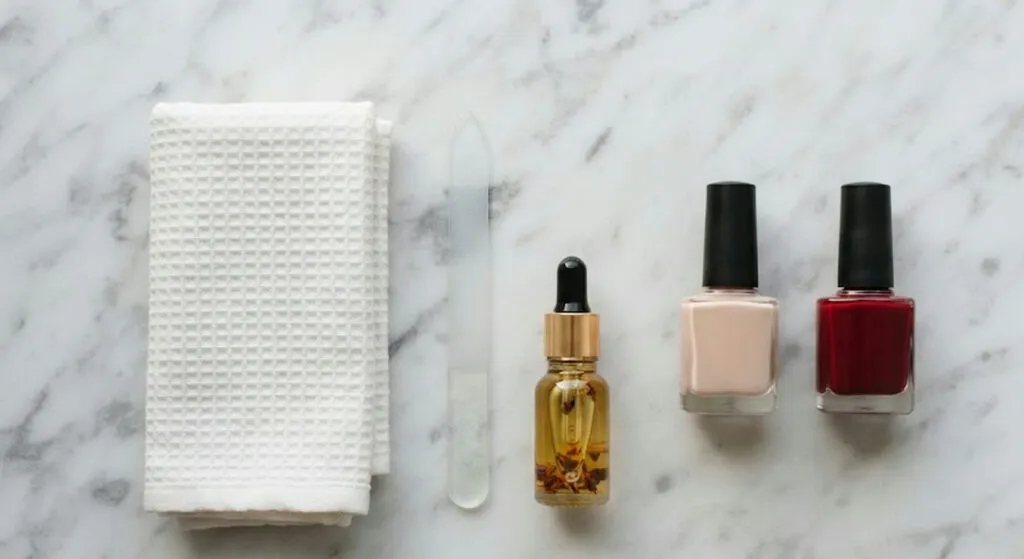
Ana Galán refuses to hand over one single meaning and instead points at what the ritual actually does. The difference...

One strip of ribbon around a napkin, at almost no cost, and the table instantly looks deliberately set rather than...
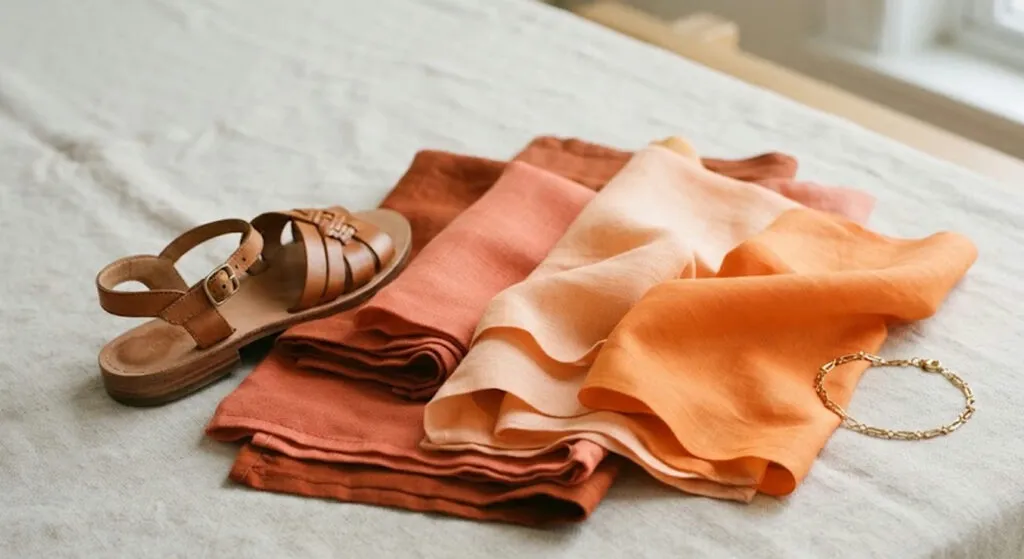
Valentino and Ermanno Scervino brought it back in full this season, and the advice is more specific than the usual...
Every burn leaves a biological mark that adds to all the previous ones. Skin does not start from zero each...

Queen Victoria set the rule in 1840. What connects everyone who broke it is not rebellion but budget.

Merino wool keeps you cool, while ordinary acrylic traps heat and moisture. The difference is one line on the label...
The hair has already gone through the phase that precedes shedding. Plus one verdict the supplement industry has no interest...
This site uses cookies - is that okay? Learn more
Be the first to know when Metla launches something new
Leave your email and we will write when there is a new guide or something new on Metla.