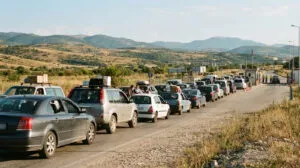
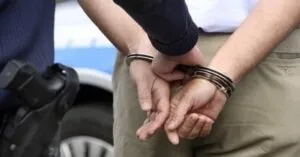
Six Men Brawled Outside the Police Station in Kočani: Now They'll Also Check What the Officers Were Doing
17.08.2026


17.08.2026

17.08.2026
17.08.2026

17.08.2026
17.08.2026
17.08.2026

17.08.2026

16.08.2026

15.08.2026

17.08.2026

17.08.2026

16.08.2026

17.08.2026

17.08.2026

17.08.2026

17.08.2026

16.08.2026

15.08.2026

17.08.2026

17.08.2026

17.08.2026

17.08.2026

17.08.2026

16.08.2026

09.03.2026

27.02.2026

19.02.2026

16.08.2026

15.08.2026

14.08.2026

23.04.2026

23.04.2026

12.04.2026
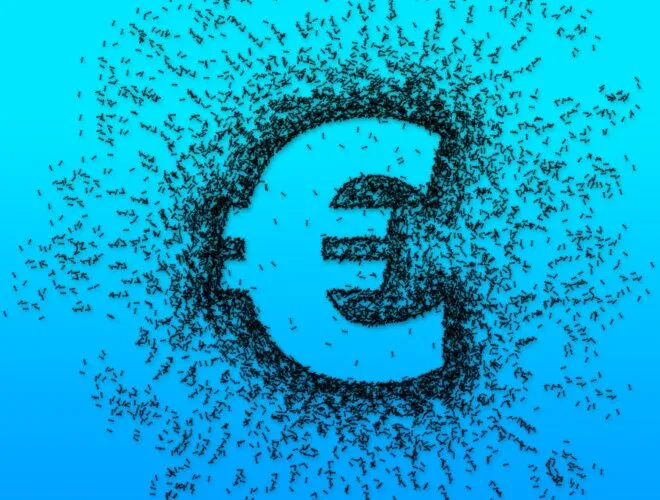
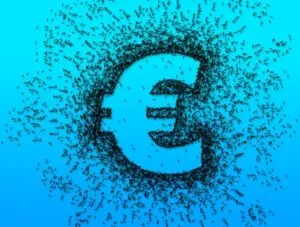
The digital euro now has a date. Under current plans it should be available for retail payments from 2029, with a pilot project involving 36 payment service providers due to start in 2027. The final phase of talks between the European Parliament and member states about how it will work is under way right now.
What it actually is
The most important distinction first: the digital euro is not a cryptocurrency. It is not an independent digital currency floating on market expectations - it is a digital form of the euro, issued and guaranteed by the European Central Bank.
In practice, users would have a digital wallet allowing them to pay by phone, card or another device - in shops, online and between individuals. In other words, central bank money in digital form, alongside cash and existing electronic payments.
Why the EU is doing this now
In parallel with the public project, the private sector is building its own network. The European payment alliance EuroPA and the European Payments Initiative EPI signed an agreement to connect their instant payment systems - a platform that would potentially cover around 380 million users across 15 member states.
EuroPA brings together several national payment systems: the Spanish-Andorran Bizum, Italy's Bancomat, Poland's Blik and the Nordic Vipps MobilePay. EPI, meanwhile, is developing the Wero payment brand, already present in Germany, Belgium, France and the Netherlands.
Taken together, the goal is obvious and needs no diplomatic translation: Europe wants its own payment infrastructure. Every card payment today largely runs through infrastructure that is not European, and at a time when trade relations with the US are strained, dependence on someone else's payment system looks different than it did five years ago.
Where we stand in all this
Macedonia is not in the eurozone, so the digital euro will not arrive here automatically. But the denar is pegged to the euro, a huge share of trade is with the EU, and a large number of families regularly receive money from abroad - most often in euros.
When European payment infrastructure changes, so does the route those payments take. Whether the domestic banking system will be ready for that, or find out about it in 2029, is a question somebody needs to ask before 2029.
Three years sounds like a lot. It is not - especially for a system that has not even finished with instant payments yet.
The latest 10 news from this category
What cost 1,000 denars in 2022 costs 1,300 today. Inflation measures speed, not distance - and the household budget feels...
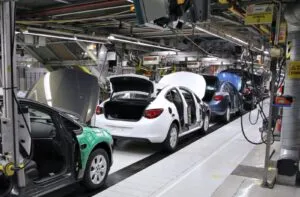
Parts suppliers are shedding jobs fastest - 7.6 percent in a single year. That is precisely the link in the...
An investor told the Anthropic chief executive to be a „more positive advocate” for his industry. The answer was sharper...
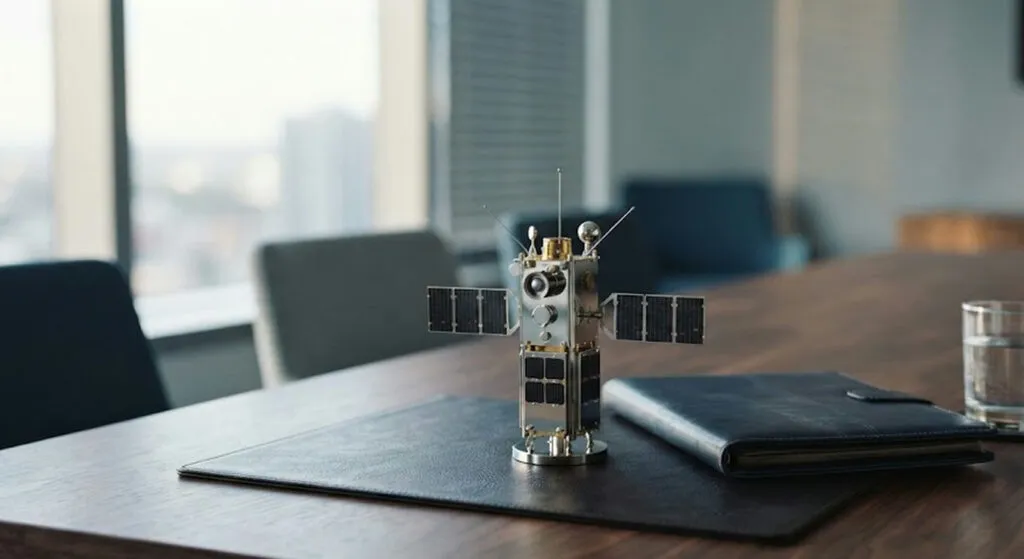
The Commission promised investments „in the coming weeks”, and the first deal was announced the next day. Who decides where...

Eleven people in Paris claim the GPUs companies already own are running far below capacity. They set the deadline for...
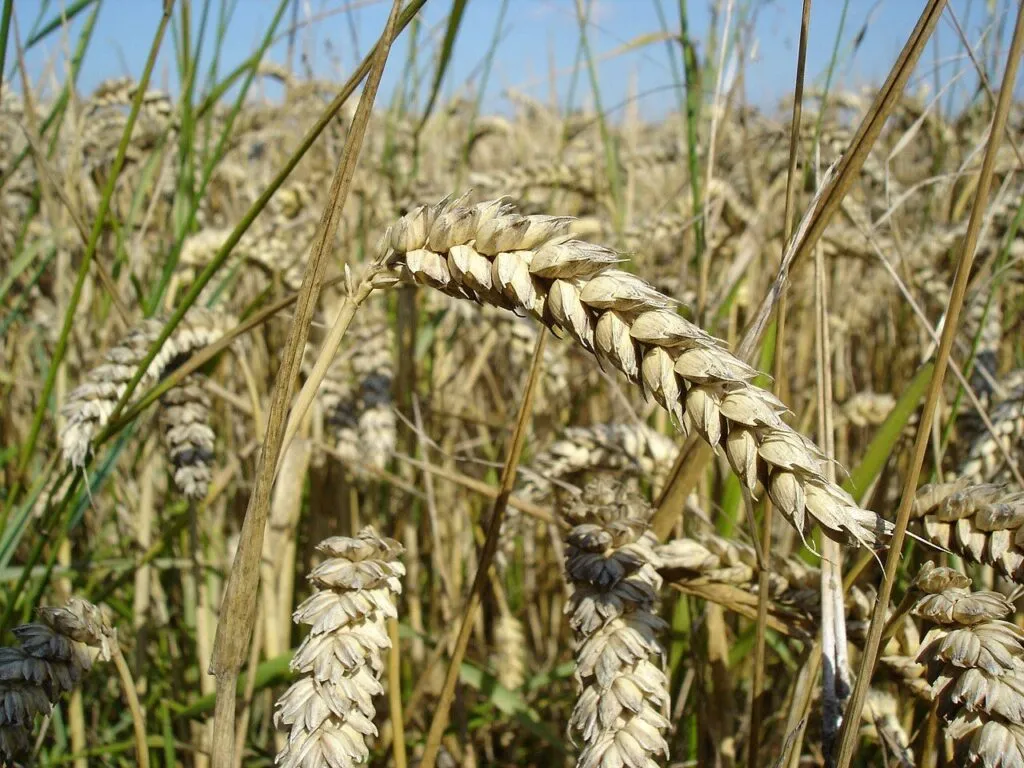
Five or six years ago the same grain fetched 19 denars. Farmers are asking for 5 denars per kilo from...

Machinery up 10 percent, buildings up 19, exports up 6.4 - and employment only 0.3 percent. The composition of a...
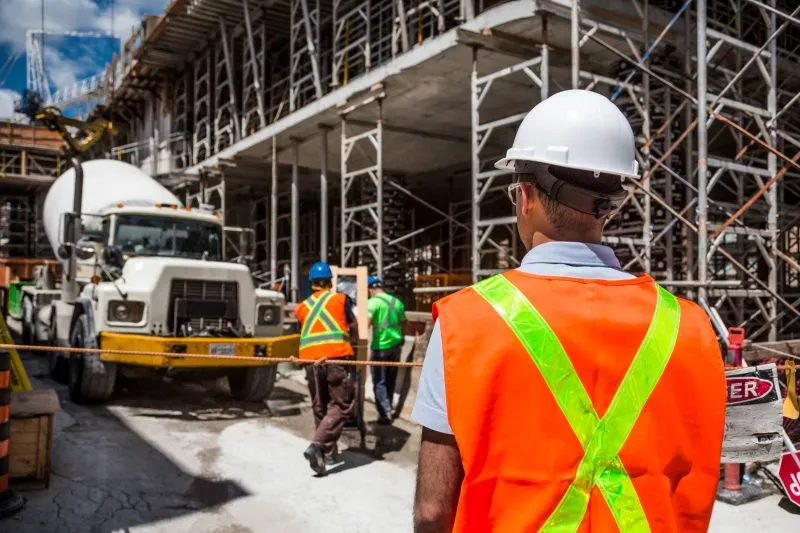
Technicians, metal workers, machine operators and drivers - those are the five most sought-after groups in Europe. Macedonia, in the...
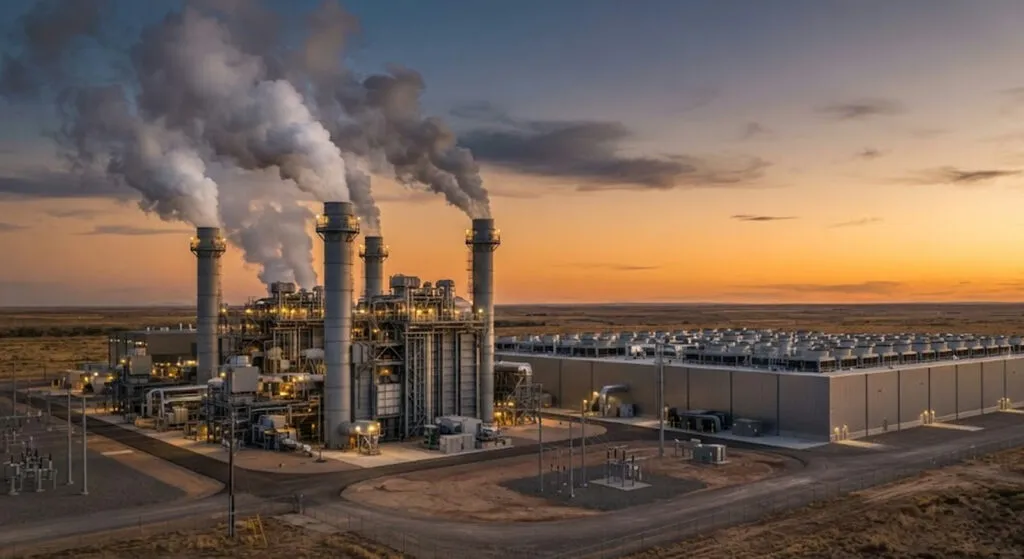
Amazon, Google, Meta and Microsoft are building gas plants of several gigawatts each. Analysts reckon the price of gas will...
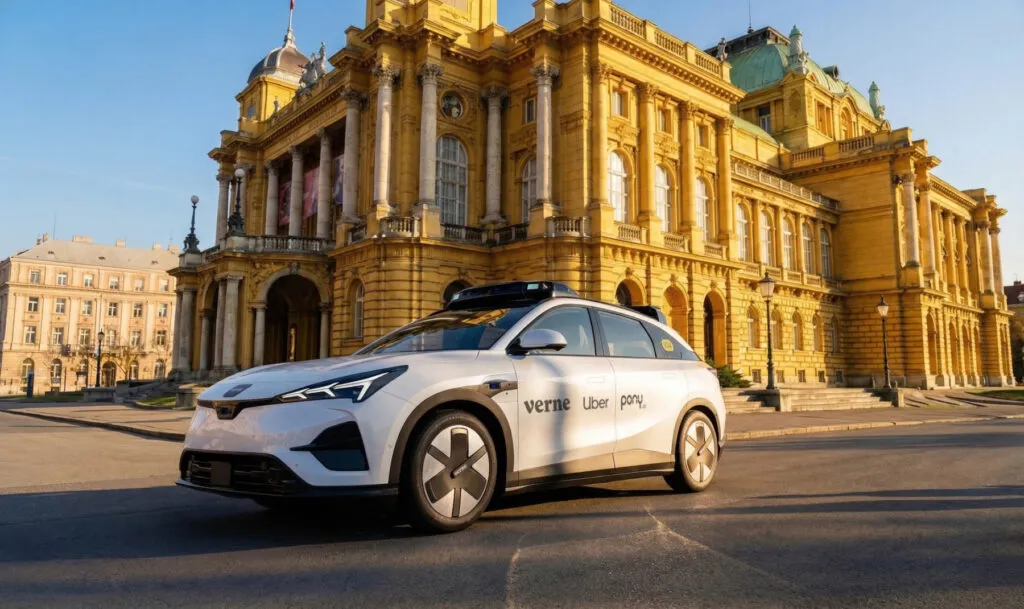
Pony.ai provides the technology, Uber provides the users, and a local partner gets the maintenance, cleaning and charging. Four European...
This site uses cookies - is that okay? Learn more
Be the first to know when Metla launches something new
Leave your email and we will write when there is a new guide or something new on Metla.