Six Men Brawled Outside the Police Station in Kočani: Now They'll Also Check What the Officers Were Doing
17.08.2026


17.08.2026

17.08.2026

17.08.2026

17.08.2026

17.08.2026
17.08.2026

17.08.2026

16.08.2026

15.08.2026

17.08.2026

17.08.2026

16.08.2026

17.08.2026

17.08.2026

17.08.2026

17.08.2026

16.08.2026

15.08.2026

17.08.2026

17.08.2026

16.08.2026

09.03.2026

27.02.2026

19.02.2026

16.08.2026

15.08.2026

14.08.2026

23.04.2026

23.04.2026

12.04.2026
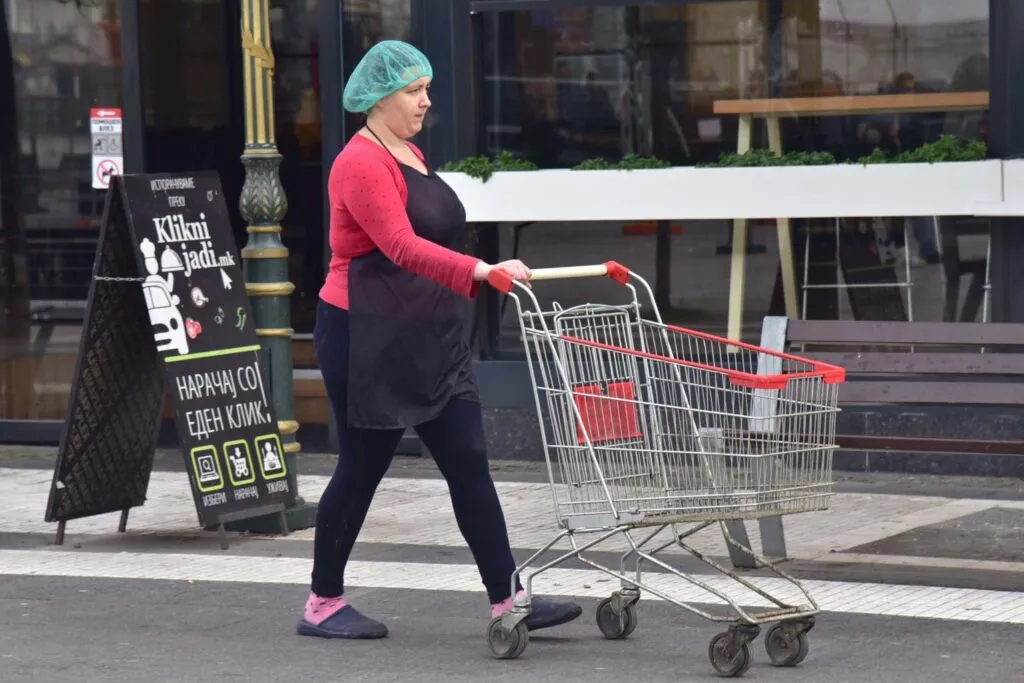
Annual inflation in July stands at 2.3 percent. Retail prices are up 1.8 percent. Month on month, July against June, prices are almost flat - a rise of just 0.1 percent. Those are the official figures and they are accurate.
The question is why those figures are recognisable in nobody's shopping basket at the till.
The comparison the government chose
Prime Minister Hristijan Mickoski presented the July data with two comparisons. The first is with the European Union: the domestic rate is below the European average, which according to the data he presented sits at around 2.93 percent - nearly double.
The second comparison is with 2022. Back then, in July, inflation here was around 14.7 percent and Macedonia ranked ninth among 12 countries in the region, with only Turkey, Romania and Bulgaria behind it. Today, the prime minister claims, we are second.
„If we were ninth then, we are second now. That is the difference between this government and that government,” Mickoski said. He added that policy cannot be run on a feeling, and that when you run policy you have to compare against something - and they compare against the government they beat at the elections.
The comparison the opposition chose
SDSM disputes that reference point specifically. In their view 2022 was picked deliberately because it was the peak of the energy crisis, when inflation reached 19.8 percent. Any comparison with that moment looks good.
Their argument is different and harder to dismiss: a lower inflation rate does not mean prices have come back down. It means they keep rising, only more slowly.
The number that explains the gap
An analysis based on data from the State Statistical Office and the National Bank shows that the purchasing power of the denar has fallen by around 30 percent on basic goods since 2022. What could be bought for 1,000 denars in 2022 costs 1,300 denars today.
That is the whole story in one sentence. Inflation of 2.3 percent describes how fast prices are climbing now. The thirty percent describes how far they have already climbed. One is speed, the other is distance - and the household budget feels the distance.
Where prices rose most
Drawing on State Statistical Office data, Finance Think calculated that in July this year, compared with the same month last year, the sharpest rises were in jewellery and watches - up 34.8 percent, recording media up 33.5 percent, and pre-school and primary education up 30 percent.
That third figure is not a footnote. A 30 percent rise in pre-school and primary education in a single year lands on one precise group: families with small children, in the years when spending is already at its heaviest. There were significant increases too in social protection, liquid fuels, banking fees, wastewater collection, cinemas, theatres and concerts.
So: looking after the children got more expensive, the fuel you drive to work on got more expensive, and so did what little is left of free time.
The government has its accurate figure. The opposition has its accurate objection. The citizen has a supermarket receipt that agrees with neither - and it is the only one they actually know.
The latest 10 news from this category

It is not a cryptocurrency - it is central bank money in digital form. Macedonia is not in the eurozone,...
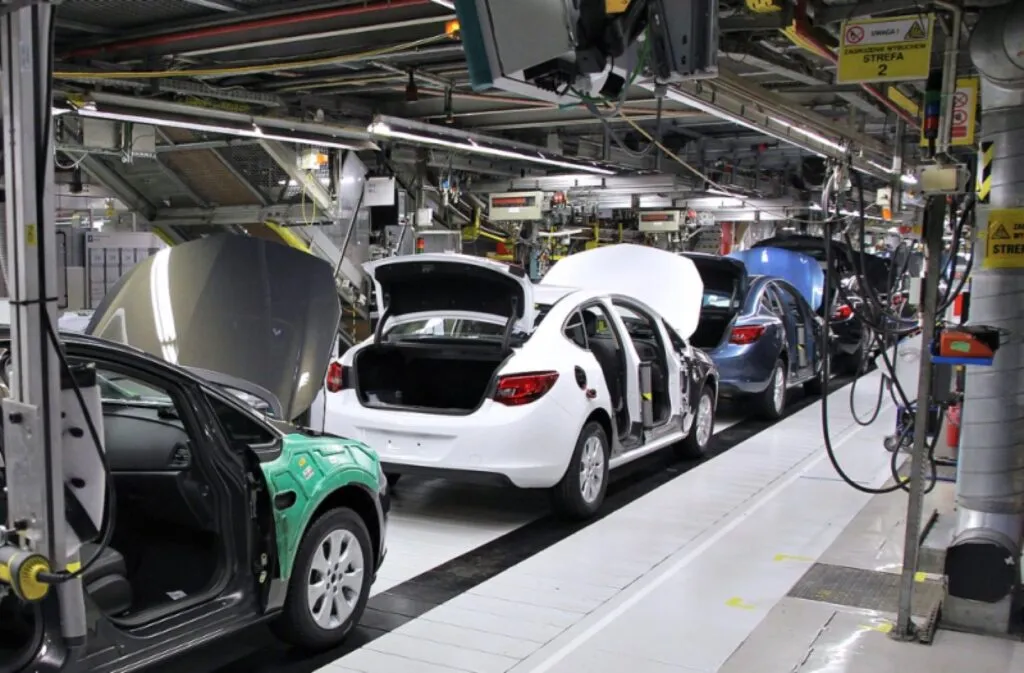
Parts suppliers are shedding jobs fastest - 7.6 percent in a single year. That is precisely the link in the...

An investor told the Anthropic chief executive to be a „more positive advocate” for his industry. The answer was sharper...
The Commission promised investments „in the coming weeks”, and the first deal was announced the next day. Who decides where...

Eleven people in Paris claim the GPUs companies already own are running far below capacity. They set the deadline for...
Five or six years ago the same grain fetched 19 denars. Farmers are asking for 5 denars per kilo from...
Machinery up 10 percent, buildings up 19, exports up 6.4 - and employment only 0.3 percent. The composition of a...
Technicians, metal workers, machine operators and drivers - those are the five most sought-after groups in Europe. Macedonia, in the...
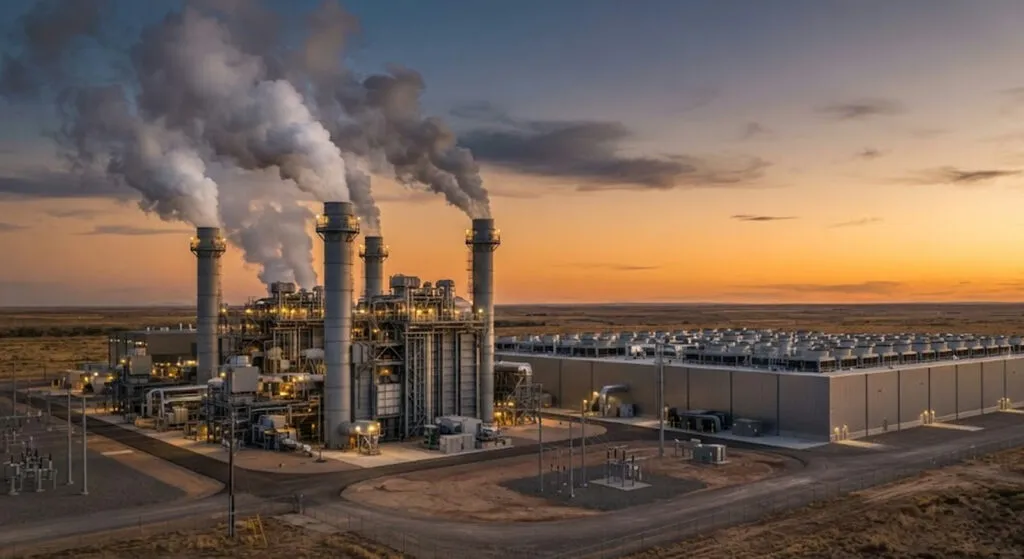
Amazon, Google, Meta and Microsoft are building gas plants of several gigawatts each. Analysts reckon the price of gas will...
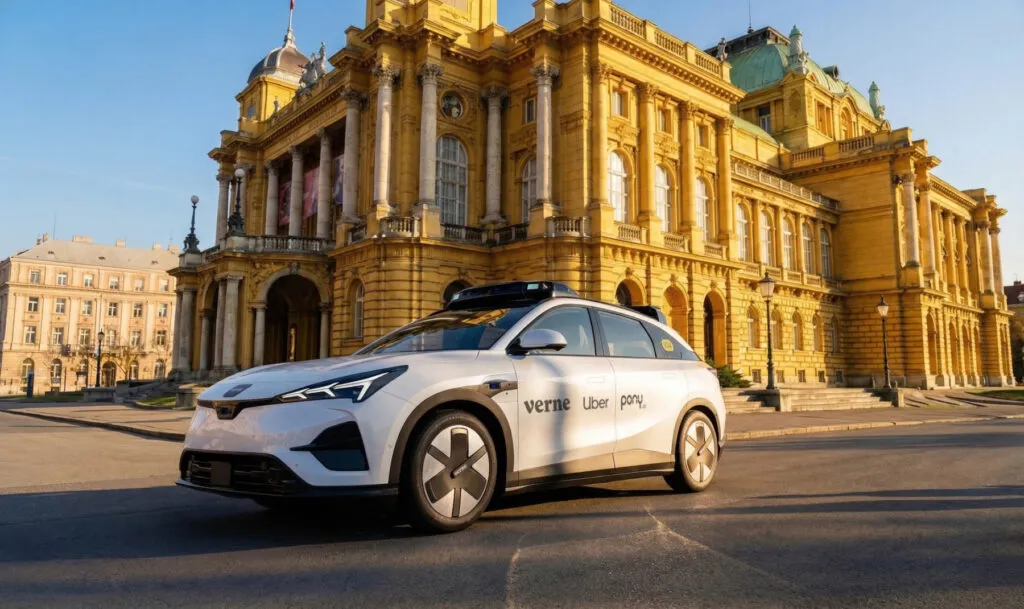
Pony.ai provides the technology, Uber provides the users, and a local partner gets the maintenance, cleaning and charging. Four European...
This site uses cookies - is that okay? Learn more
Be the first to know when Metla launches something new
Leave your email and we will write when there is a new guide or something new on Metla.