
Six Men Brawled Outside the Police Station in Kočani: Now They'll Also Check What the Officers Were Doing
17.08.2026


17.08.2026

17.08.2026

17.08.2026

17.08.2026

17.08.2026
17.08.2026

17.08.2026

16.08.2026

15.08.2026

17.08.2026

17.08.2026

16.08.2026

17.08.2026

17.08.2026

17.08.2026

17.08.2026

16.08.2026

15.08.2026

17.08.2026

17.08.2026

17.08.2026

17.08.2026

17.08.2026

16.08.2026

09.03.2026

27.02.2026

19.02.2026

16.08.2026

15.08.2026

14.08.2026

23.04.2026

23.04.2026

12.04.2026
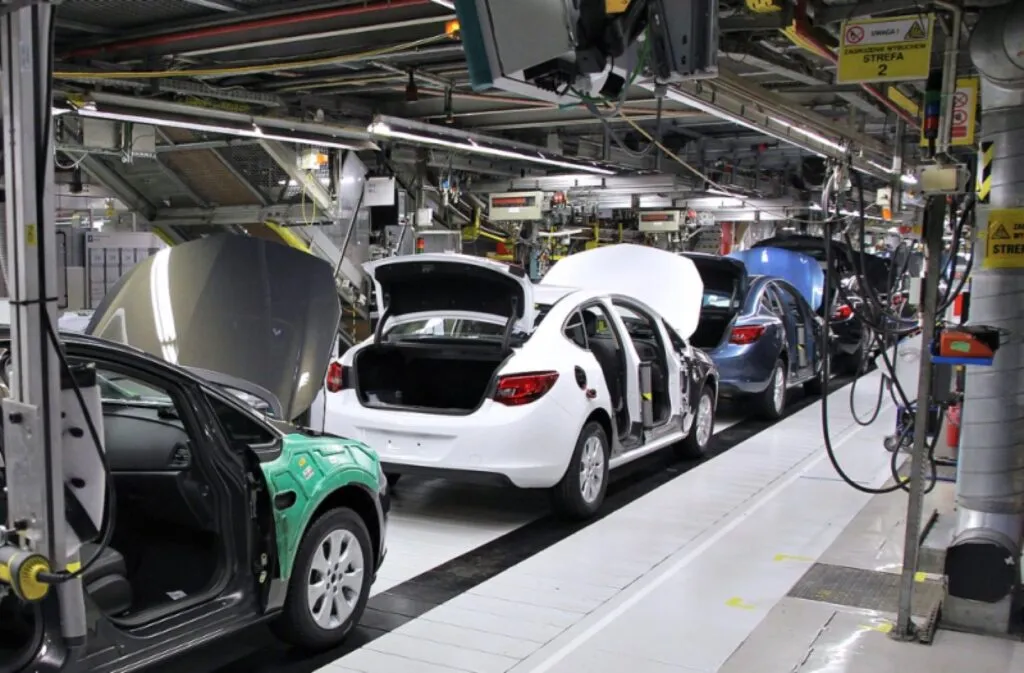
The German car industry, the symbol of European industrial power, has the fewest employees it has had since 2005. At the end of the first half of 2026 the sector employed 691,500 people - 42,300 or 5.8 percent fewer than the year before.
That is the steepest drop across all major industrial sectors in Germany.
Where exactly the jobs are going
Among manufacturers of motor vehicles and engines the workforce fell by 6.1 percent, to 429,200. Among manufacturers of parts and equipment the fall is sharper still - 7.6 percent, to 219,500. The only growing segment is the production of bodies, superstructures and trailers, where employment jumped by ten percent, to 42,800 people.
Outside cars the picture is no different. Manufacturing as a whole employed 5.29 million people - 144,100 or 2.7 percent fewer. The decline is 3.8 percent in metal products, 3.7 in basic metals, 3.6 in the chemical industry and 3.4 in electrical equipment.
The German car industry association warned back in May that up to 225,000 jobs could disappear by 2035.
The paradox that explains everything
Now comes the part worth reading twice. In that very same quarter, forty German companies from the DAX stock index reported record operating profits - and simultaneously cut more than 40,000 jobs.
Combined earnings before interest and taxes rose by almost 16 percent, to 52.6 billion euros - around seven billion more than the previous year and 10 percent above the previous record. Revenues grew by 4.6 percent, to a record 463 billion euros.
Quarterly profits were led by Deutsche Telekom with 6.9 billion euros, followed by the insurer Allianz with 4.9 billion, Volkswagen with 3.5 billion and Siemens with 3.4 billion. DAX companies employed around 3.49 million people at the end of June - 41,000 fewer than last year.
But the growth is not evenly spread. According to a study by the consultancy EY, the profits are concentrated in sectors benefiting from special conditions: defence, artificial intelligence, data centres, banks and insurers. Carmakers are still struggling - their revenues fell by 1.2 percent and operating profit by 12. BMW took the biggest hit with a 39 percent drop in profit, while Volkswagen and Daimler Truck recorded falls of 9.
The chief executive of EY Germany, Henrik Ahlers, put it most bluntly: „Anyone looking only at the record figures might think the crisis is over - but the opposite is true.”
Why this is a Balkan story
The German automotive chain does not stop at the German border. Suppliers of parts and equipment - the segment losing jobs fastest, 7.6 percent in one year - have factories spread across Central and South-Eastern Europe. That is the model the region has built employment on for decades: cheap labour for the German chain.
When that chain narrows, the peripheral links are cut first. This is not a guess about the future - it is how every supply chain works.
Record profit and record layoffs in the same quarter are not a contradiction. It is a new industrial logic in which profit no longer moves in step with the number of people who produced it. And that logic does not stop at the German border.
The latest 10 news from this category

What cost 1,000 denars in 2022 costs 1,300 today. Inflation measures speed, not distance - and the household budget feels...

It is not a cryptocurrency - it is central bank money in digital form. Macedonia is not in the eurozone,...

An investor told the Anthropic chief executive to be a „more positive advocate” for his industry. The answer was sharper...

The Commission promised investments „in the coming weeks”, and the first deal was announced the next day. Who decides where...

Eleven people in Paris claim the GPUs companies already own are running far below capacity. They set the deadline for...

Five or six years ago the same grain fetched 19 denars. Farmers are asking for 5 denars per kilo from...
Machinery up 10 percent, buildings up 19, exports up 6.4 - and employment only 0.3 percent. The composition of a...
Technicians, metal workers, machine operators and drivers - those are the five most sought-after groups in Europe. Macedonia, in the...
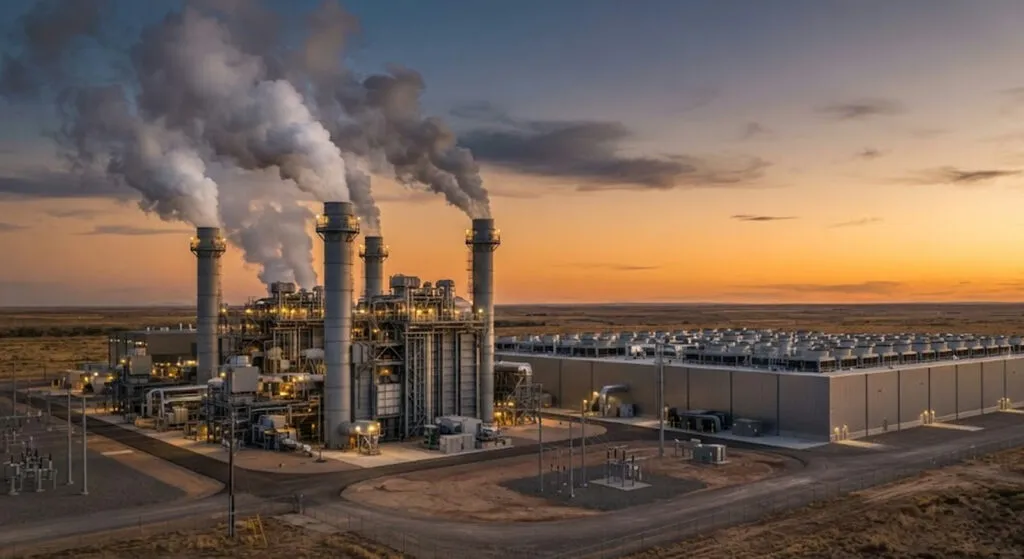
Amazon, Google, Meta and Microsoft are building gas plants of several gigawatts each. Analysts reckon the price of gas will...
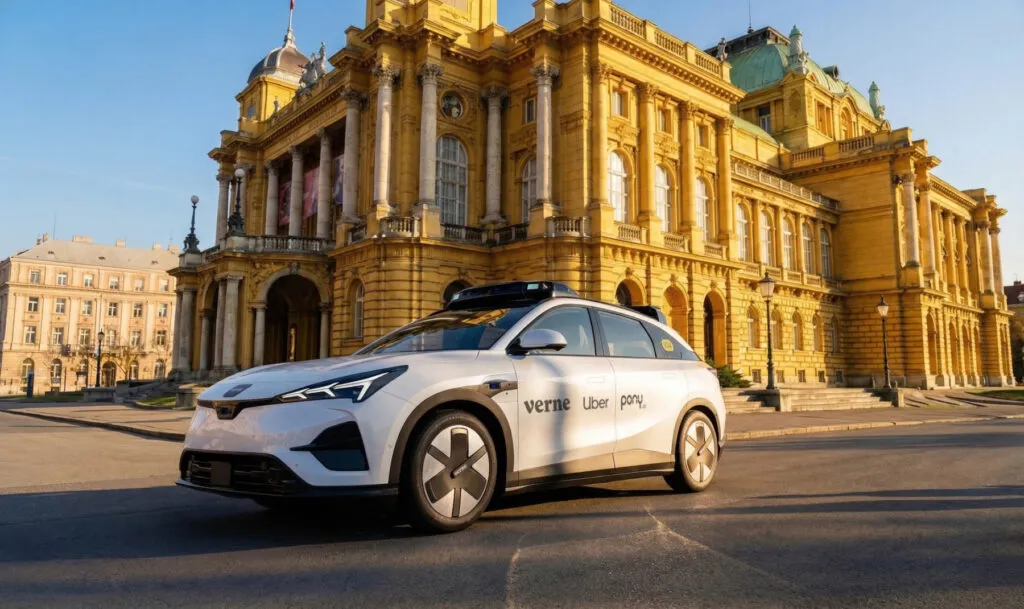
Pony.ai provides the technology, Uber provides the users, and a local partner gets the maintenance, cleaning and charging. Four European...
This site uses cookies - is that okay? Learn more
Be the first to know when Metla launches something new
Leave your email and we will write when there is a new guide or something new on Metla.