
Twenty Fires in One Day, and the Blaze at Bogomila Was Stopped by Villagers and Veles Firefighters
15.08.2026


15.08.2026
15.08.2026

15.08.2026

15.08.2026

15.08.2026

15.08.2026

15.08.2026

14.08.2026
14.08.2026
15.08.2026

15.08.2026
14.08.2026
15.08.2026
15.08.2026

15.08.2026
15.08.2026
14.08.2026

13.08.2026

15.08.2026

15.08.2026
15.08.2026

09.03.2026

27.02.2026

19.02.2026
15.08.2026

14.08.2026
13.08.2026

23.04.2026

23.04.2026

12.04.2026
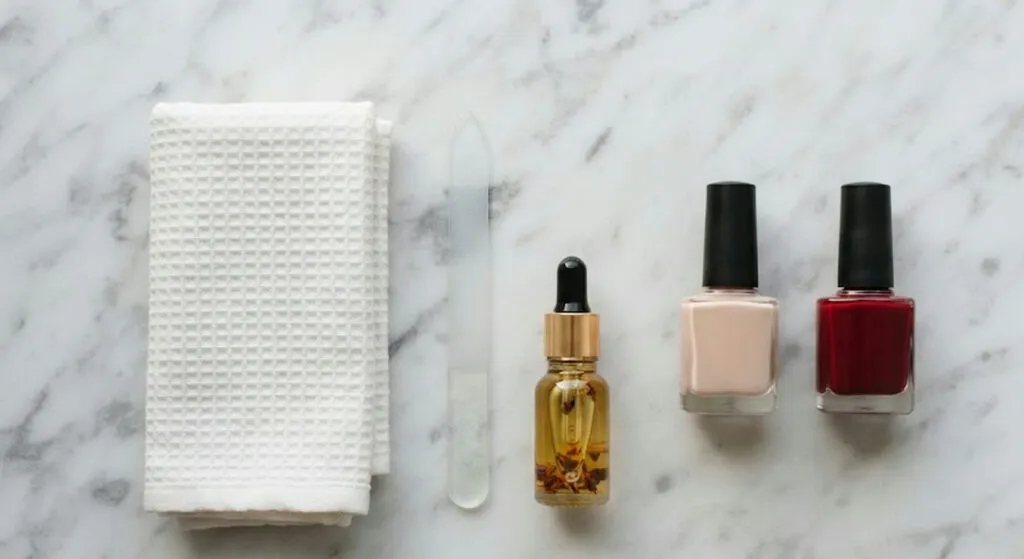
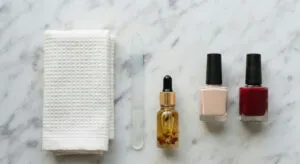
Well-kept nails have been explained for years as vanity, or as a trifle people throw money at. The psychologist Ana Galán, a specialist in trauma and emotional regulation, turns the question round: not what a manicure says about a person, but what it gives them.
Her first condition is that a single meaning does not exist. "Consistently cared-for nails can mean many different things depending on the personality. For some it is simply aesthetics or hygiene, for others a way of expressing their own identity." So the same habit in two women is not measuring the same thing - which is precisely the opposite of what every psychological analysis headlined "what your nails say about you" claims.
The mechanism that does work
What Galán points to as real is the effect of the ritual itself. "Repeatable and pleasant rituals create a sense of pause, order and wellbeing that can momentarily reduce stress." The key word is momentarily - she is not claiming a manicure solves anything, but that it creates a break.
The second part is more concrete still. "Time devoted exclusively to yourself encourages switching off from everyday worries and can strengthen the sense that a person deserves to look after themselves." That is not about nails. It is about half an hour in which nobody asks anything of you and the phone is not in your hand - a thing that has become harder to arrange these days than the procedure itself.
There is another side worth mentioning without dramatising it: the same ritual can grow into a burden. When the state of your nails becomes a condition for leaving the house, the pause has turned into one more checklist. The difference is not visible from the outside - it shows in what happens when there is no time to go.
So it is not about the nails. It is about whether half an hour exists that is only yours and that you owe nobody an explanation for. If those thirty minutes only appear when there is a justification in the shape of an appointment, that says more than any colour.
The latest 10 news from this category
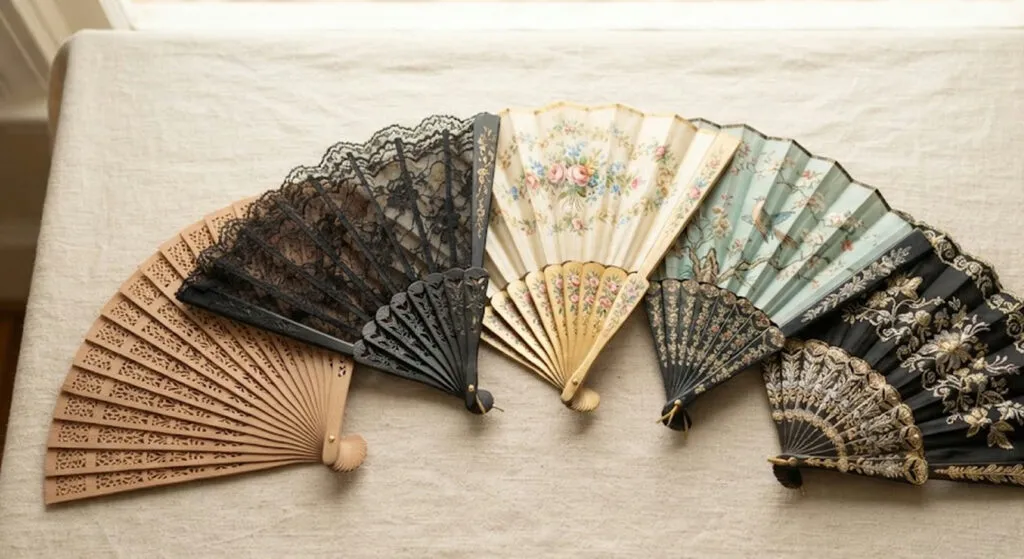
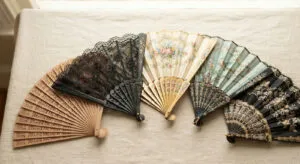
One carries an engraved date from 2007 and was brought out thirteen years later. At forty degrees a fan works...
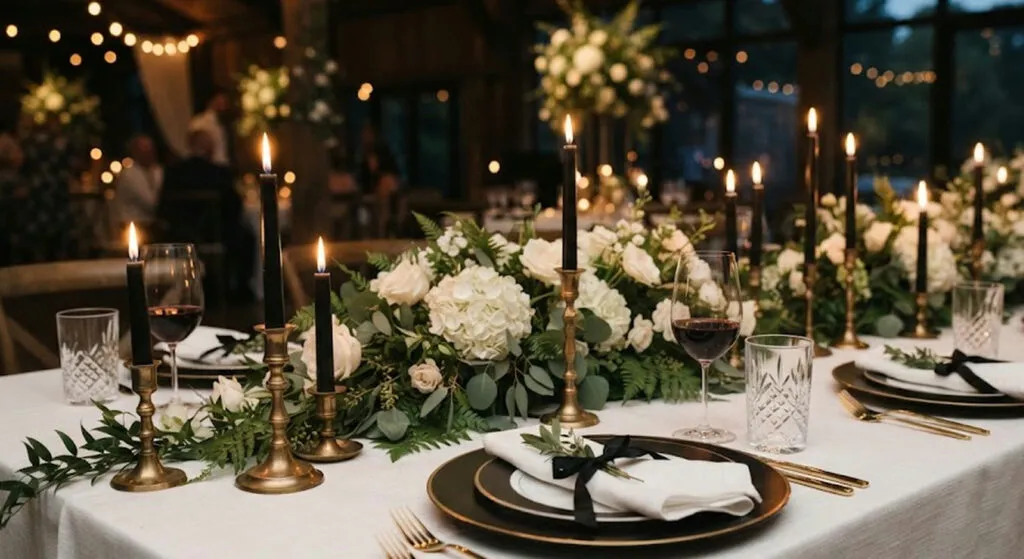
One strip of ribbon around a napkin, at almost no cost, and the table instantly looks deliberately set rather than...
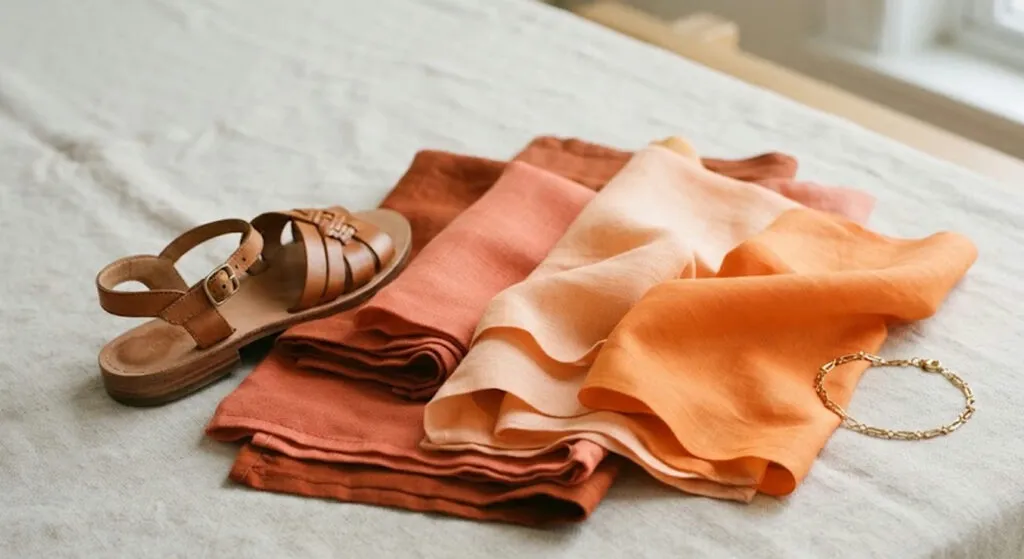
Valentino and Ermanno Scervino brought it back in full this season, and the advice is more specific than the usual...
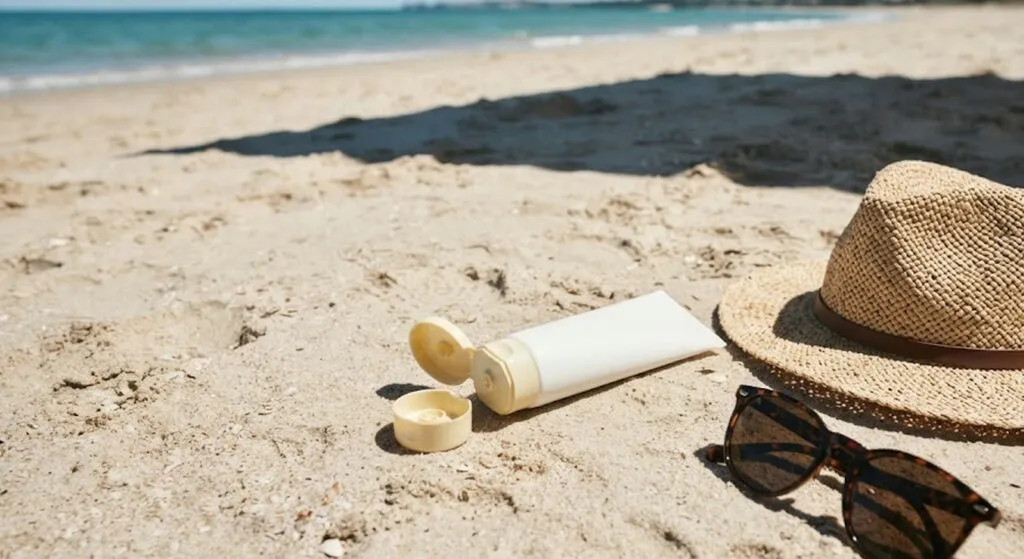
Every burn leaves a biological mark that adds to all the previous ones. Skin does not start from zero each...
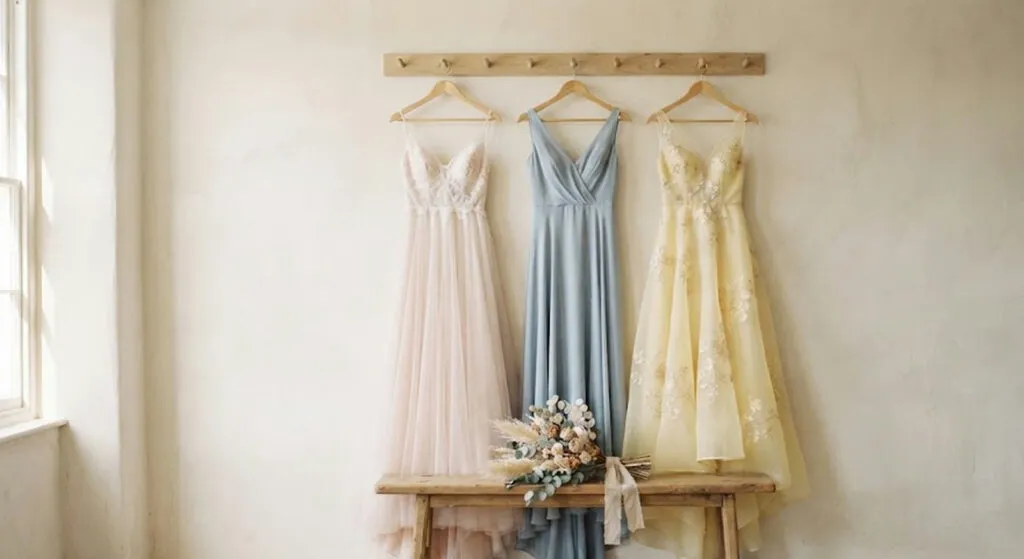
Queen Victoria set the rule in 1840. What connects everyone who broke it is not rebellion but budget.
Merino wool keeps you cool, while ordinary acrylic traps heat and moisture. The difference is one line on the label...
The hair has already gone through the phase that precedes shedding. Plus one verdict the supplement industry has no interest...
One dress with detachable parts instead of two gowns. And the best detail is neither the dress nor the decor...
Fashion sells it as taste maturing. The chronology shows something else - every new industry demanded new packaging.
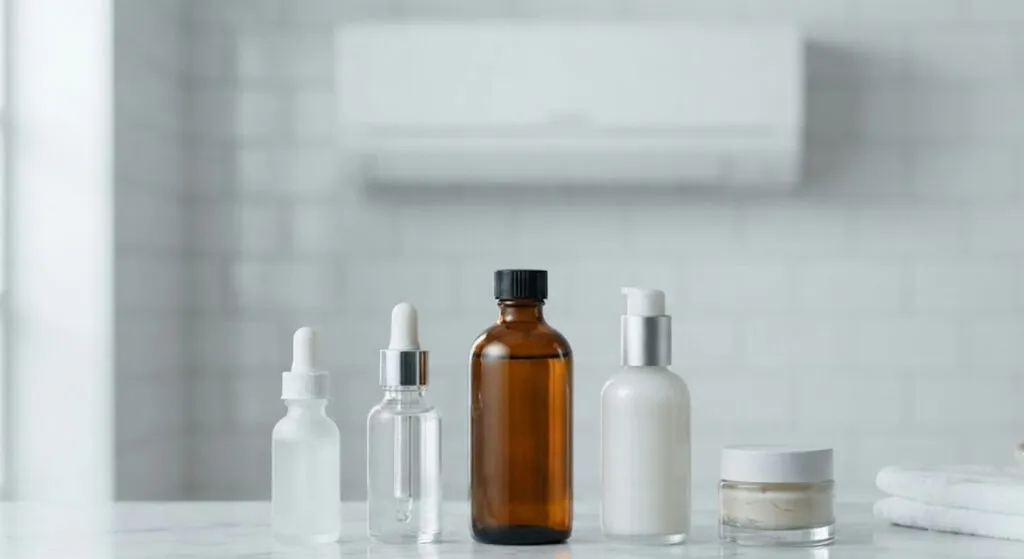
A fan is not a solution, it is the same trap under a different name. The basics cost almost nothing...
This site uses cookies - is that okay? Learn more
Be the first to know when Metla launches something new
Leave your email and we will write when there is a new guide or something new on Metla.