Ljupcho Has Been Missing Ten Days, and the Family Warned Beforehand: They Got the Referral, the Hospital Said It Was Being Renovated
16.08.2026


16.08.2026

16.08.2026

16.08.2026
16.08.2026

16.08.2026

16.08.2026

16.08.2026

15.08.2026

14.08.2026
16.08.2026

16.08.2026
15.08.2026
16.08.2026

16.08.2026

16.08.2026

16.08.2026

15.08.2026

14.08.2026

16.08.2026

16.08.2026

16.08.2026

16.08.2026

16.08.2026

15.08.2026

09.03.2026

27.02.2026

19.02.2026

16.08.2026

15.08.2026

14.08.2026

23.04.2026

23.04.2026

12.04.2026
The question is no longer how to live longer. In Spain, over half a century, life expectancy rose from 73.4 years in 1975 to 84 today - without a single miracle, just medicine and better living conditions. The question is how those years can be more than an extension tacked on at the end, and actually feel like living.
That is why it is interesting when experts offer numbers instead of advice. Five figures that, if they become habits, change how you feel - physically and mentally.
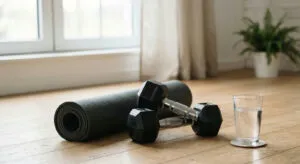
Three strength sessions a week, not five
This is the figure that surprises most, because it is smaller than the one the fitness industry sells. "If you are starting out, three days of strength work a week is more than enough," says Nieves Bolos, psychologist, coach and personal trainer. "My advice is to focus on learning the technique properly, progress slowly and build a habit you can sustain for years."
The schedule she proposes is simple: one day legs and glutes, one day upper body, and a third day full body. Trainer Cris Diaz goes further - in her view sixty percent of all training should be strength work, with the remaining two days cardio or mobility.
13,000 steps, not ten thousand
"It is a proven fact that maintaining an active lifestyle promotes longevity," says Dr Jose Vina, a longevity specialist. "First of all, physical activity is beneficial for healthy ageing. Beyond that, it also helps mental health."
The classic ten thousand steps is a marketing figure from a Japanese pedometer advert. The number with research behind it is higher: in young people, reaching 13,000 steps has been shown to reduce mortality risk by as much as 49 percent. On top of that, the habit helps keep body mass index level and stabilise blood sugar.
Three coffees a day, and in the morning
This is the figure that will frighten nobody around here. "General recommendations cannot be made for the whole population - for people with anxiety disorders, for instance, caffeinated drinks are not advisable," says Vina. "But it can be said that drinking coffee or tea is generally good for health, and particularly for reducing dementia risk by 15 percent, according to recently published research."
The limit is twofold: no more than three a day, and in the first half of the day. Sleep is one of the pillars of longevity, and a coffee that ruins your sleep takes more from you than it gives.
Three to five grams of creatine
The supplement with the most myths around it. Creatine is a natural compound the body produces and stores in the muscles as a fast source of energy. For a long time it was considered strictly for athletes.
"In the short term it improves performance, strength and recovery. In the medium and long term it helps build and maintain muscle mass, and there is growing evidence of its benefits for healthy ageing," says Bolos. What matters, she adds, is choosing a quality monohydrate and being consistent.
Zero alcohol, but the doctors do not agree
Here even the experts split. Vina recalls that a September 2025 journal published the finding that one wine or one beer a day is not bad for health - provided the person is healthy. A large part of the profession, however, links regular drinking directly to serious illnesses, cancer among them.
What is interesting is that the younger generations have already decided without waiting for consensus - according to surveys, they barely drink at all. Which is why brands are pivoting to alcohol-free beers and wines.
The pyramid holding all the numbers
"The key measure for achieving satisfying longevity is preventive medicine," says Vina. "Then come the other habits a person has to take on personally - proper food, physical and mental activity, stress control, along with restorative sleep. And at the end come supplements, which in many cases can be needed for optimal health, but always supervised by health professionals."
That is what he calls the pyramid: prevention at the base, habits in the middle, supplements at the top. The order matters, and the industry usually sells it upside down - supplements first, habits second, prevention never.
The latest 10 news from this category
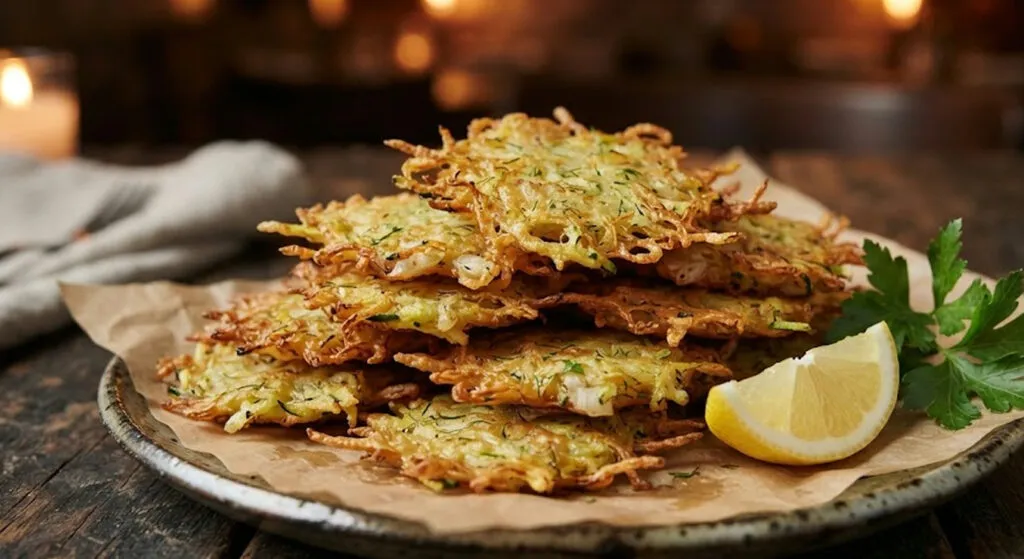
No egg, no thick batter. The result is either a transparent lace or an oil-soaked fritter - and there is...
The comment is ready before the sentence ends - midlife crisis, vanity, running from the mirror. Lara Ferreiro argues that...
Flour, water and shrimp - five ingredients that cost next to nothing. The whole difference is one decision about the...
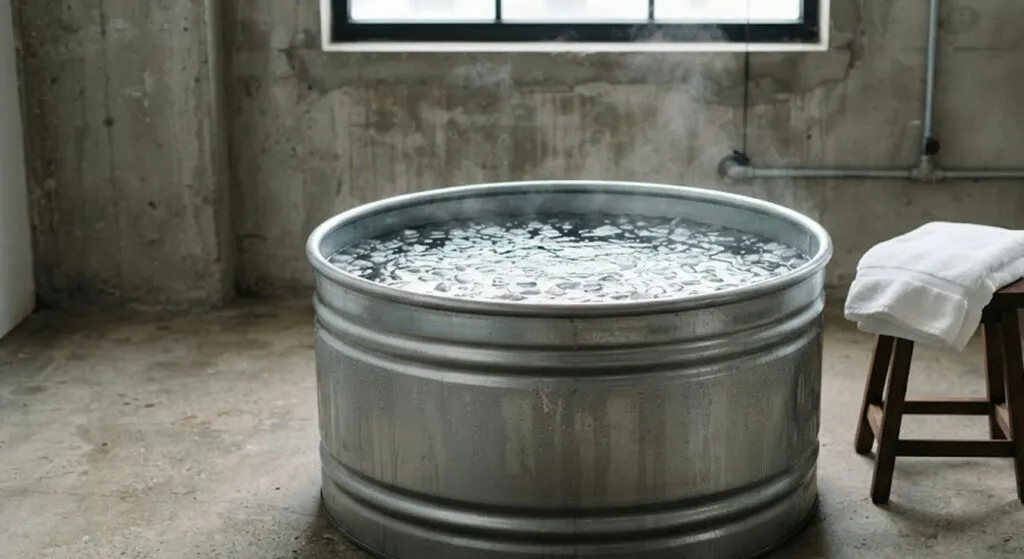
A Barcelona footballer spends a minute in ice water every morning. Neuroscience says the reward comes from the effort, not...
A Spanish chef puts the prawn shells back in the water and boils everything else in it. The cheapest part...
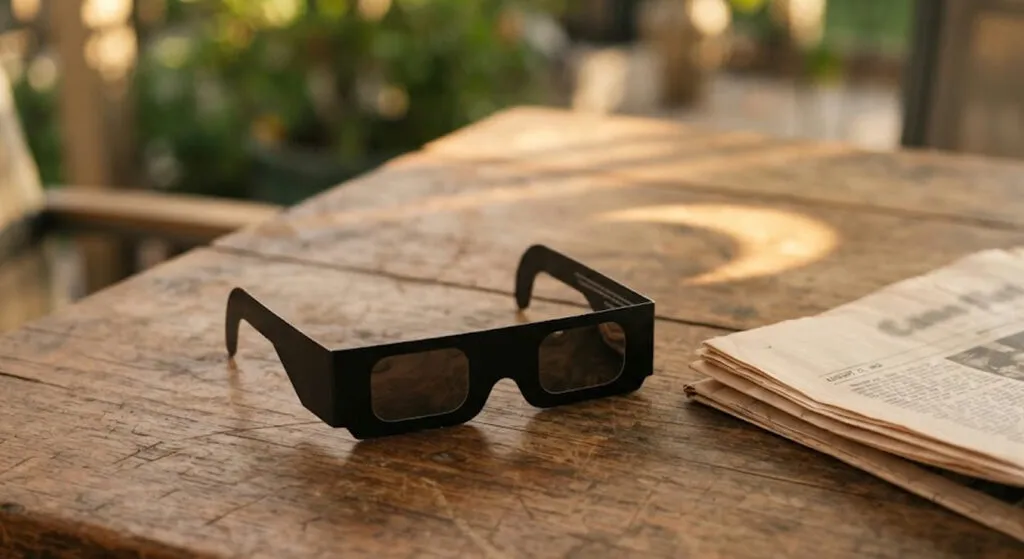
When the Moon covers the Sun, the pupils widen and more radiation gets in. Exactly when it looks safest, the...
Minerals improve absorption, fibre releases the water gradually. A juicer removes it - and with it a large part of...
An emotion in your head is a tangled ball. Say it out loud and it has to become a sentence...
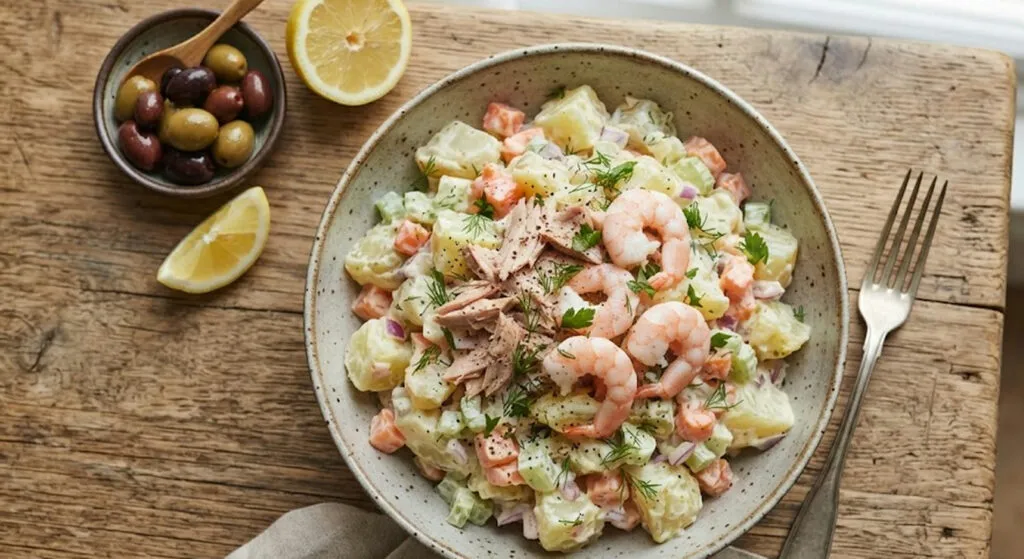
Warm potato absorbs the liquid, cold potato just carries it on the surface. When there is no sauce to hide...
The same chart with the same weight, month after month, at some point stops being a demand on the body....
This site uses cookies - is that okay? Learn more
Be the first to know when Metla launches something new
Leave your email and we will write when there is a new guide or something new on Metla.