
A New Criminal Complaint Against Jakimovski: A Building Permit Based on a Plan Struck Down Back in 2018
16.09.2026


16.09.2026

16.09.2026

16.09.2026
16.09.2026
16.09.2026

16.09.2026

16.09.2026

15.09.2026

14.09.2026

16.09.2026

16.09.2026

15.09.2026

16.09.2026

15.09.2026

14.09.2026

16.09.2026

16.09.2026

16.09.2026

16.09.2026

15.09.2026
15.09.2026

09.03.2026

27.02.2026

19.02.2026

16.09.2026

15.09.2026

14.09.2026

23.04.2026

23.04.2026

12.04.2026

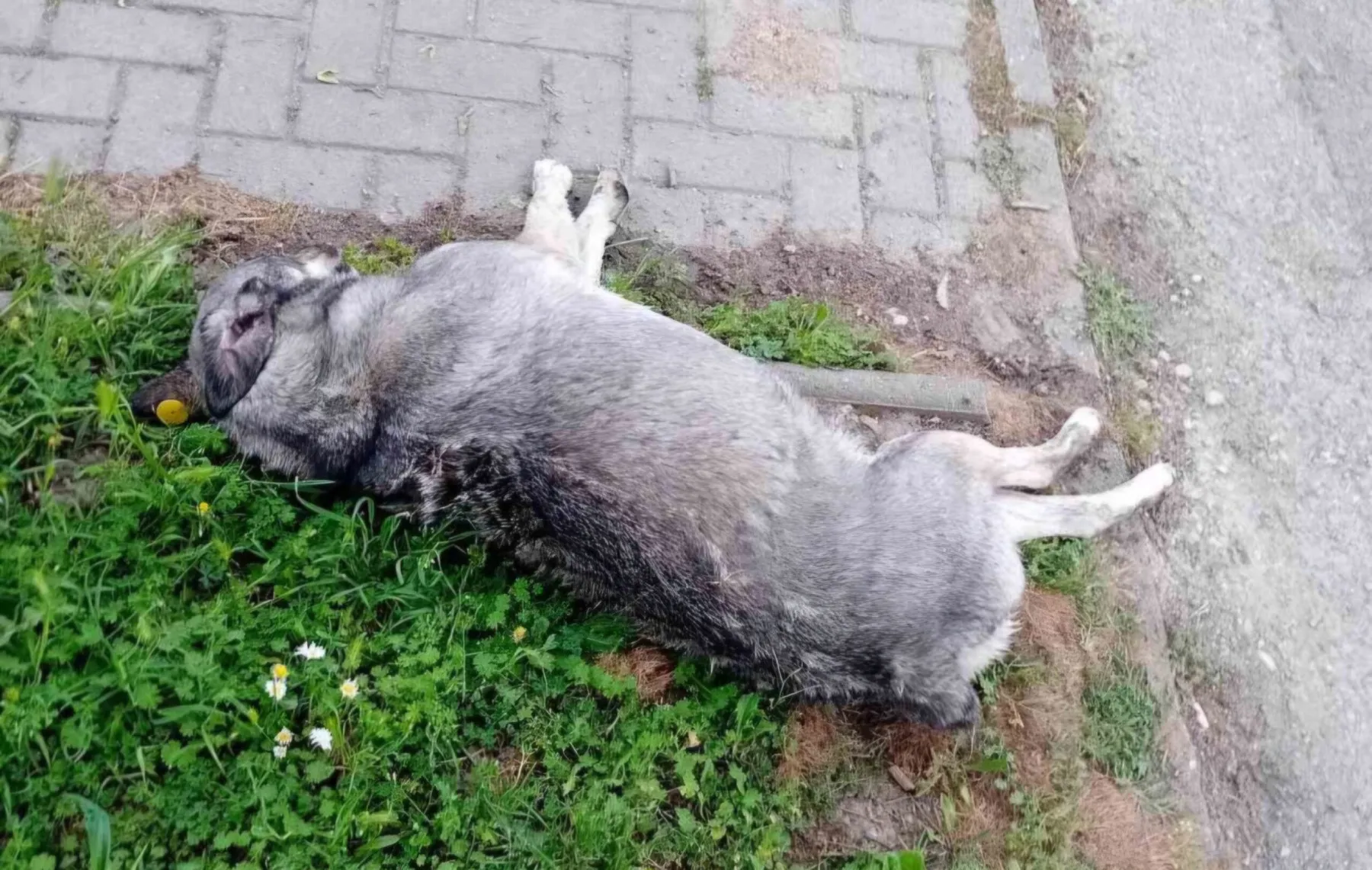
The „Animal Rescue Project" association is sounding the alarm over two dead dogs found in the Skopje municipality of Kisela Voda. Location - near residential blocks, on paths that locals walk every day. Suspicions: deliberate poisoning. It isn't the first case. It won't be the last. This is the scenario Kisela Voda and the neighbouring municipalities watch play out several times a year.
The question that rarely gets asked out loud is a simple one. Who is poisoning the dogs? Not hunters - hunters have their own methods. Not vets - they can do it humanely in a clinic. Not animal welfare workers - the law obliges them to clear procedures. That leaves one serious possibility - residents who don't want stray dogs in their neighbourhood, and who have decided to solve it on their own terms.
This is a hard question. Not because stray dogs aren't a problem - they are. They can be dangerous, especially in packs. They can attack children. They can carry rabies. Their care is the responsibility of the municipality and the Ministry of Agriculture. When the system doesn't work - when they aren't sterilised, aren't placed in shelters, aren't vaccinated - citizens are left alone with the problem. And that's when the poisoning cycle begins.
Kisela Voda municipality has a programme for handling stray dogs. On paper. Sterilisation, chipping, vaccination. In practice - the programme covers maybe 20% of the total population. The other 80% live and breed. Every year, a new generation. Winter is hard. In the coming springs - more dogs, more suspicions, more carcasses.
Animal protection associations regularly demand stricter penalties for poisoners. Under Macedonian law, this is animal abuse - a sentence can go up to 3 years in prison for serious cases. In practice - hardly anyone is ever held accountable. The evidence is hard to gather. There are usually no witnesses. Investigative teams are already swamped with other cases. The result - the poisoners stay free, the dogs keep dying.
For Kisela Voda residents who see a brutal case, the questions need to be broader. Not „who did it?" - we'll never get an answer to that. But rather „why does the municipality still not have a functional system?" A question of political will and budget. Today's dead dogs aren't a surprise. They're the predictable outcome of a system that has, for years, quietly accepted that volunteers and citizens pick up what the institutions are supposed to do. And every spring - the same pattern, the same headlines, the same empty promises.
The latest 10 news from this category

The World Bank dropped out over misalignment with EU requirements. Construction will take two and a half years, and the...
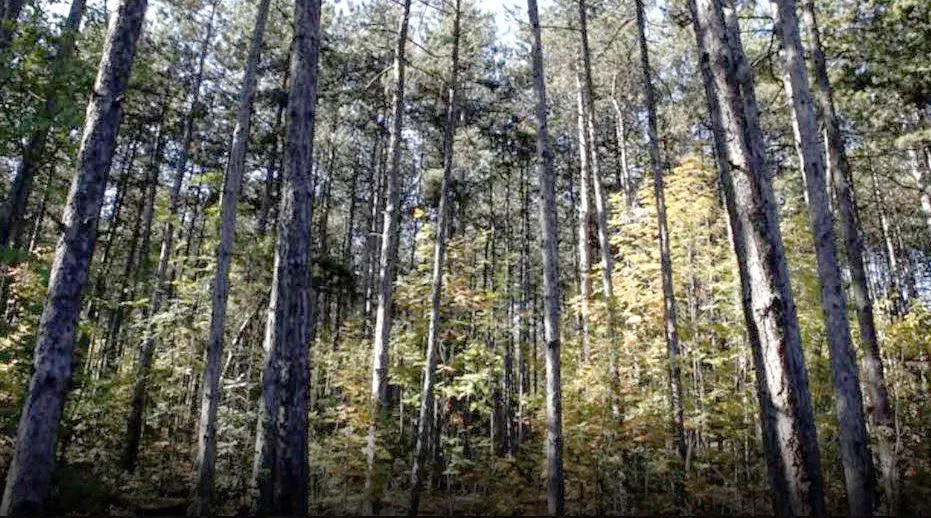
Of 9,500 square metres of greenery, 268 remain. Terrain with an 80-metre height difference, no erosion study and no opinion...

Gjorgjievski says the system should be ready by the middle of next year. The BRT tender is announced for the...
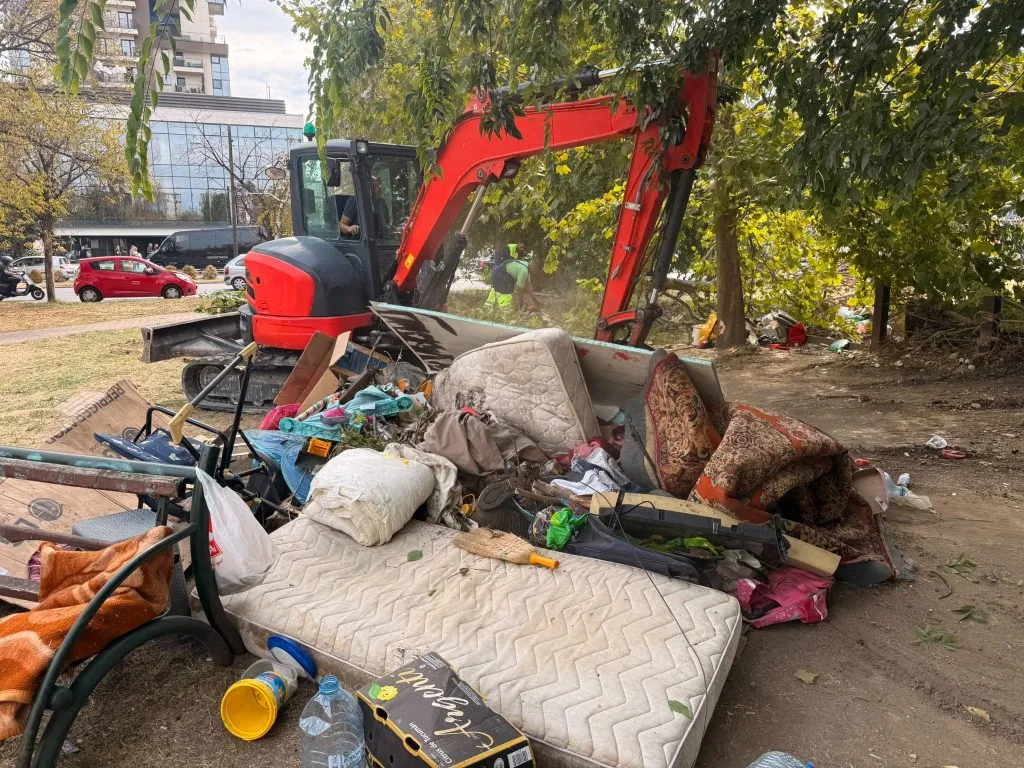
The second operation at the same site within a year. Gerasimovski himself is appealing to the Labour Ministry - because...
A prosumer scheme, a solar oven and electricity generated by bicycle on Magnolija square. The city that has paid the...
Stefanija Dimovska won two medals at IESO 2026, working in mixed international teams. Before that she was also national champion...
Out of nearly 4.7 million denars, the municipality is putting in around 180,000. The rest comes through the Bureau for...

Ten years working inside the health system - and she still had to pull strings to be admitted. The clinic...
Appeals run from 15 to 25 September. There is not enough space at Goce Delčev, so students go to Stiv...
From 23:00 to 05:00 there is no getting through towards Evzoni. Towards Halkidiki - business as usual. Those heading on...
This site uses cookies - is that okay? Learn more
Be the first to know when Metla launches something new
Leave your email and we will write when there is a new guide or something new on Metla.