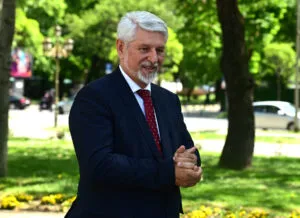
Нова кривична пријава за Јакимовски: одобрение за градба на план укинат уште во 2018 година
16.09.2026


16.09.2026

16.09.2026

16.09.2026
16.09.2026
16.09.2026

16.09.2026
16.09.2026
15.09.2026

14.09.2026
16.09.2026

16.09.2026

15.09.2026

16.09.2026

15.09.2026

14.09.2026

16.09.2026

16.09.2026

16.09.2026

09.03.2026

27.02.2026

19.02.2026

15.09.2026

14.09.2026

14.09.2026

23.04.2026

23.04.2026

12.04.2026

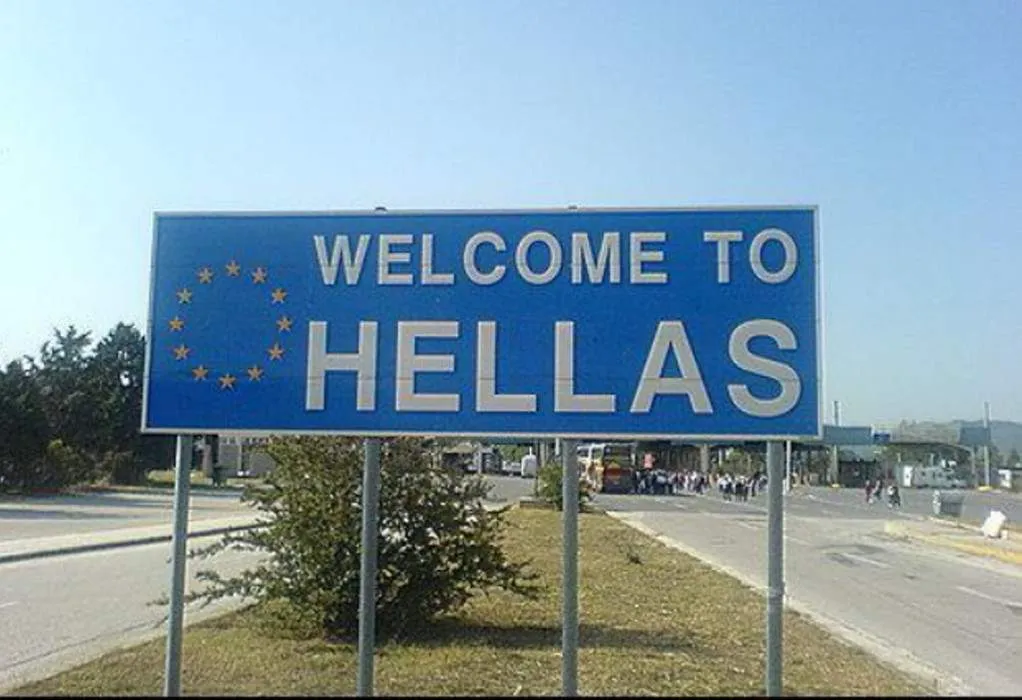
Heading to Greece? We have a complete guide - live border, beaches, prices and documents.
Ilinden falls on a Sunday this year, 2 August. Monday, 3 August, has been declared an additional non-working day. Four days off against two border crossings - Evzoni and Dojran - through which almost everything heading for the Greek coast has to pass. The result is predictable and the authorities are already announcing it: queues measured in kilometres.
The biggest wave of vehicles towards Greece is expected on Friday and throughout Saturday until midday. On the return leg, the heaviest congestion is forecast for Monday afternoon and evening, when everyone heads back at once. Additional pressure comes from the regular turnover of package holidays - one set of groups leaving while another arrives at the same moment.
The jam doesn't start at the border
You don't have to reach Evzoni to feel it. Already this evening, at the Glumovo toll booth on the Skopje-Tetovo motorway, waits of around twenty minutes were reported at times. Large numbers of people set off towards Ohrid, Struga and Mavrovo. At the Želino toll booth before Tetovo, according to travellers, there was no serious wait at all - which means the bottleneck is not the road itself, but that one specific toll point.
That detail is worth having if you're planning a trip. If one location generates a 20-minute queue on an ordinary Friday while another on the same route generates none, then the problem isn't the number of cars - it's the capacity of the toll station. And that gets solved with organisation, not with drivers' patience.
What you can realistically do
The official advice is simple and there isn't much to add to it: adjust your departure time. Leave early on Saturday, before noon, or later on Sunday - just not together with everyone else. On the way back, avoid Monday afternoon if you can. And bring enough water, because waiting in a queue at 40 degrees is nothing like waiting in April.
Those who go through this ritual every year know it by heart: the longest wait is not at the barrier itself, but in the last two or three kilometres before it, when there is nowhere to move and nobody to complain to. Until then, the only variable you control is the hour you set off.
The latest 10 news from this category

Светска банка отпадна поради неусогласеност со барањата на ЕУ. Градбата ќе трае две и пол години, а опремата се набавува...
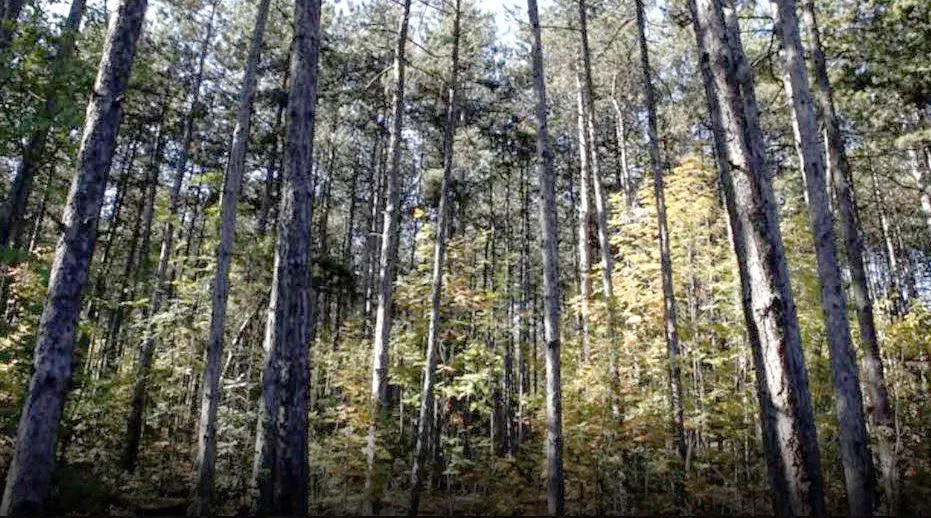
Од 9.500 квадрати зеленило остануваат 268. Терен со висинска разлика од 80 метри, без студија за ерозија и без мислење...
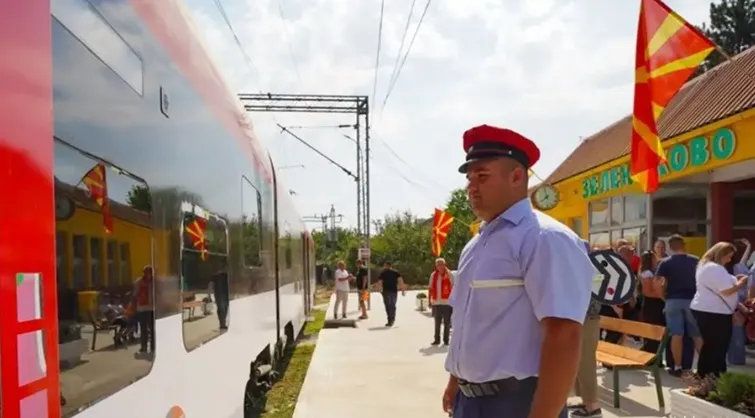
Ѓорѓиевски вели дека системот ќе биде готов до средината на следната година. Тендерот за БРТ се најавува деновиве, а градбата...
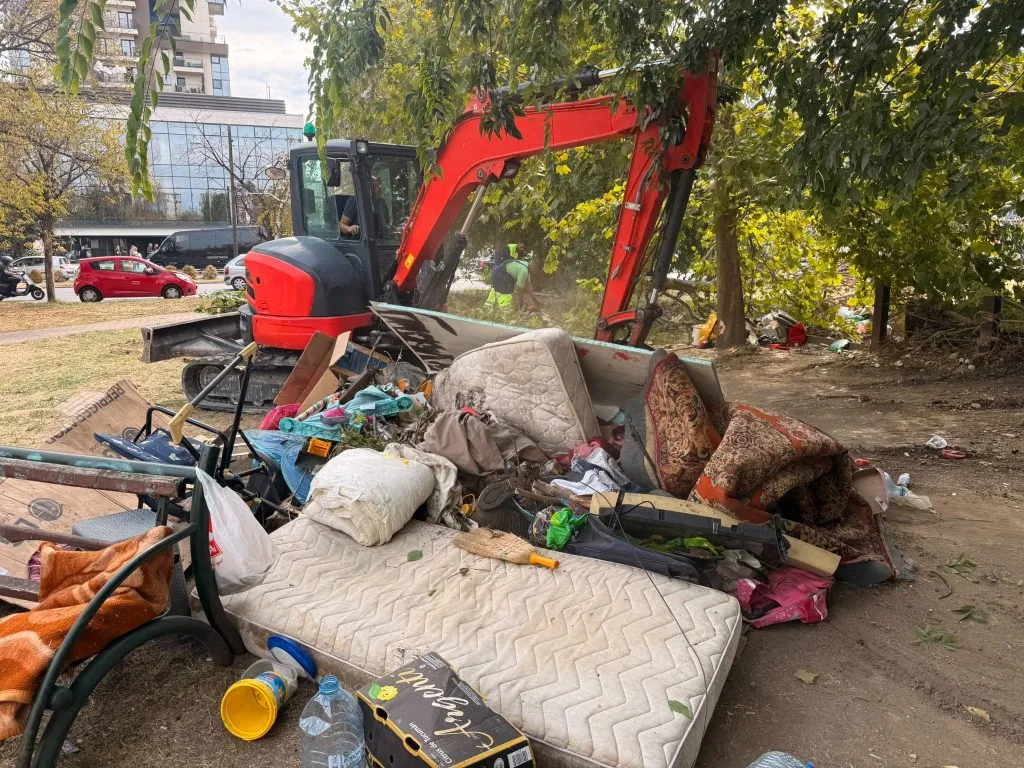
Втора акција на истата локација за една година. Герасимовски и самиот апелира до Министерството за труд - затоа што расчистувањето...
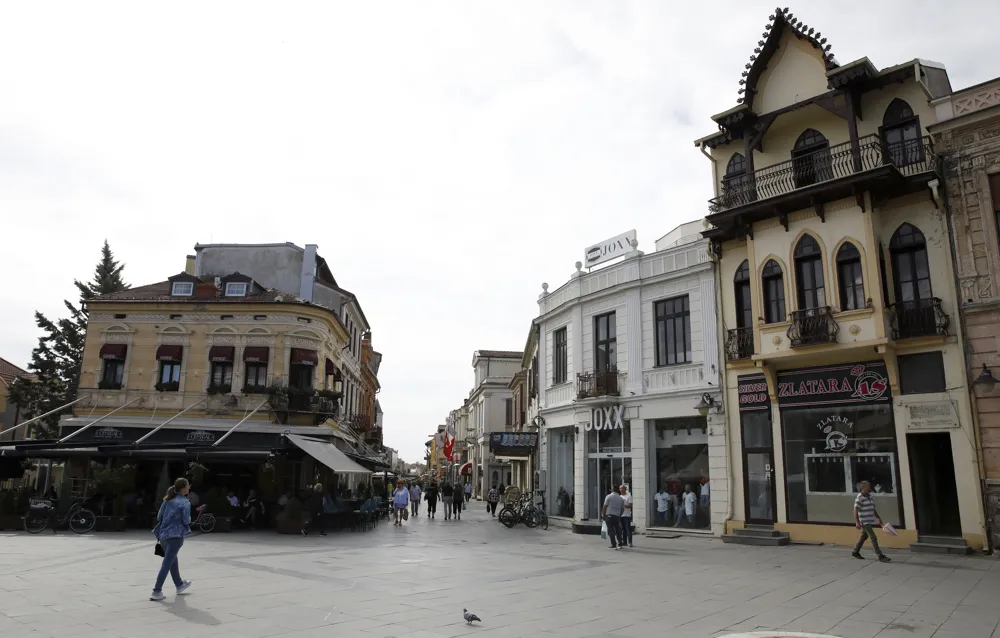
Просумер, соларна печка и струја од велосипед на плоштадот Магнолија. Градот што со децении ја плаќа цената на јагленот гледа...
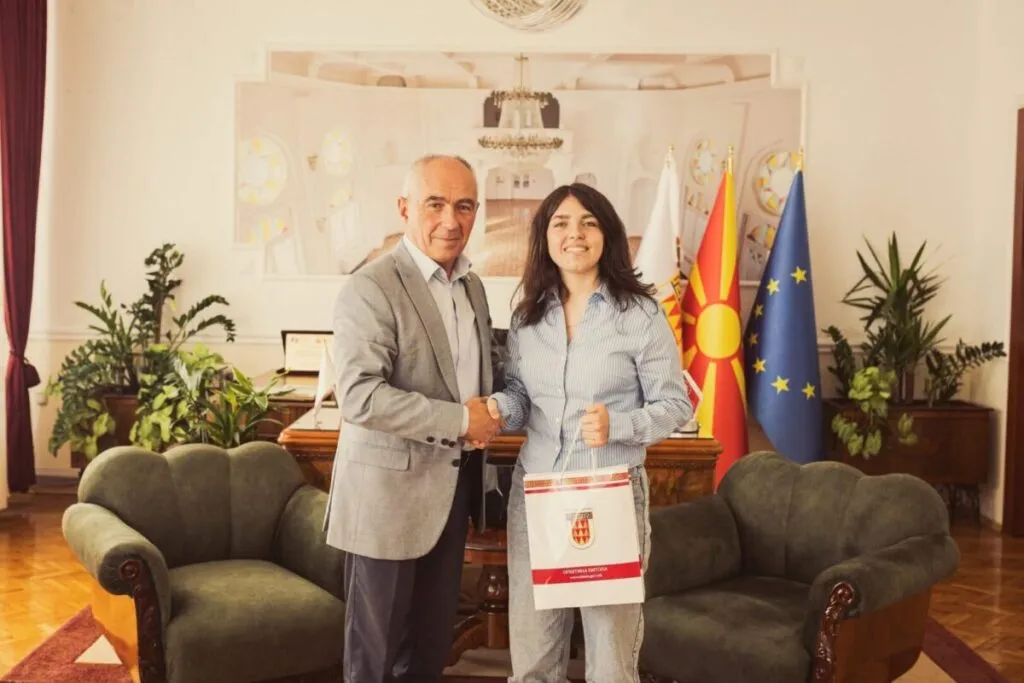
Стефанија Димовска освои две медали на IESO 2026, работејќи во мешани меѓународни тимови. Пред тоа беше и државен шампион по...
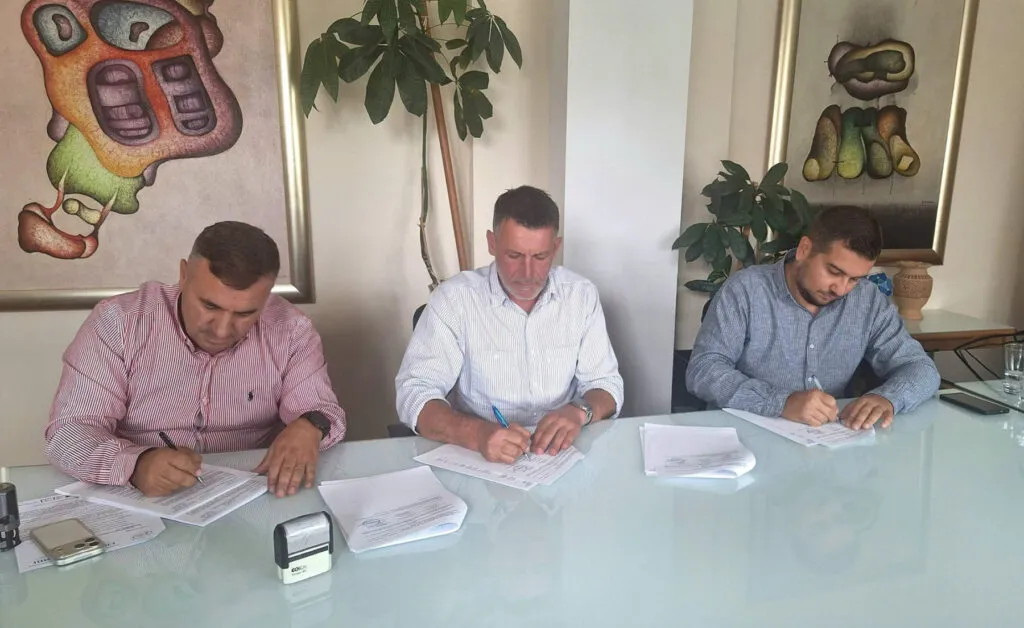
Од близу 4,7 милиони денари, општината става околу 180.000. Остатокот доаѓа преку Бирото за рамномерен регионален развој - и токму...
Ten years working inside the health system - and she still had to pull strings to be admitted. The clinic...
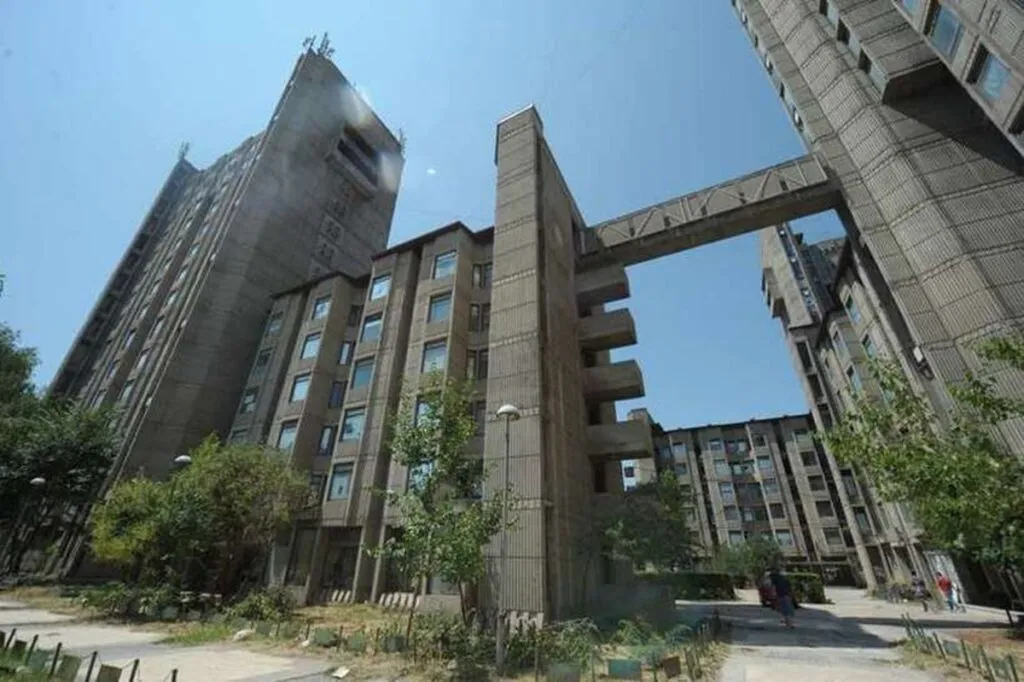
Appeals run from 15 to 25 September. There is not enough space at Goce Delčev, so students go to Stiv...
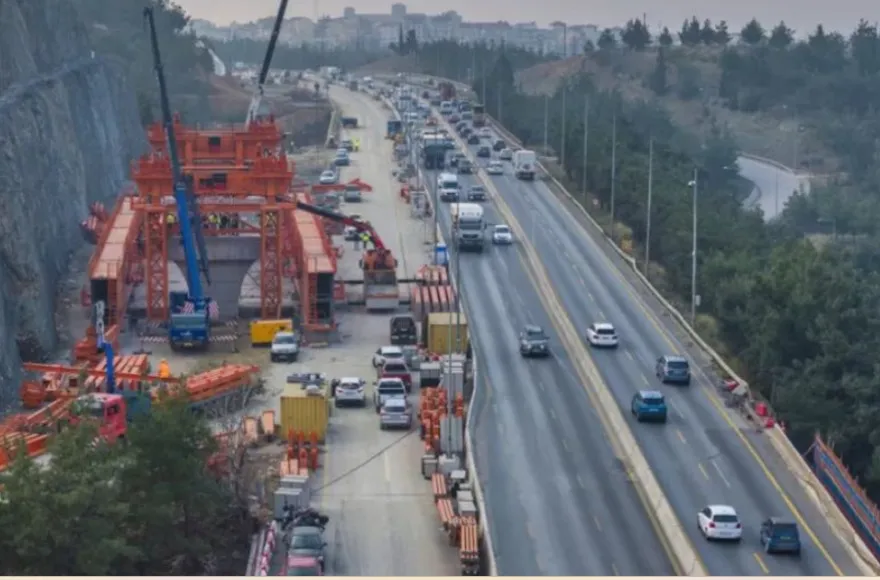
From 23:00 to 05:00 there is no getting through towards Evzoni. Towards Halkidiki - business as usual. Those heading on...
This site uses cookies - is that okay? Learn more
Be the first to know when Metla launches something new
Leave your email and we will write when there is a new guide or something new on Metla.