


Someone Threw Flammable Liquid at a Shop in Central Skopje - and 17 Hours Passed Before Anyone Reported It
30.08.2026


30.08.2026

30.08.2026

30.08.2026
30.08.2026
30.08.2026

30.08.2026
30.08.2026
29.08.2026
28.08.2026

30.08.2026

30.08.2026

29.08.2026

30.08.2026

30.08.2026

30.08.2026

30.08.2026

29.08.2026

28.08.2026

30.08.2026

30.08.2026
30.08.2026

30.08.2026

30.08.2026

29.08.2026

09.03.2026

27.02.2026

19.02.2026

29.08.2026

28.08.2026

27.08.2026

23.04.2026

23.04.2026

12.04.2026
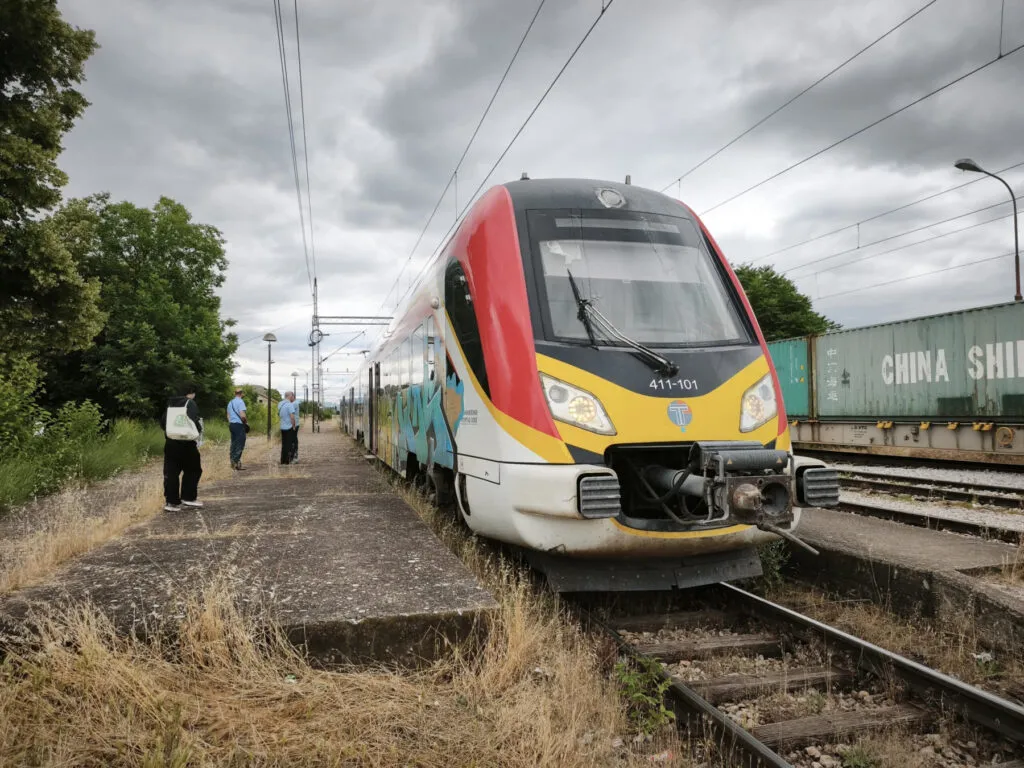
From Tuesday, 1 September, the first line of the "City Train" project in Skopje begins running. Zelenikovo - Skopje Railway Station, eight departures a day in each direction, with the journey taking between 24 and 28 minutes.
The train stops at Zelenikovo Novo, Oreshani, Jane Sandanski, Drachevo and Lisiche. The first departure from Zelenikovo is at 6:20, then 8:30, 12:26, 14:00, 16:25, 18:30, 20:12 and 21:55. From Skopje towards Zelenikovo the first train leaves at 5:32, followed by 7:30, 11:40, 13:20, 15:42, 17:45, 19:12 and 20:56. The timetable runs from 1 September to 31 December.
Twenty-four minutes against the morning queue
That is where the value of the number sits. Anyone who commutes into Skopje from that side every day knows how long the same route takes by car in the morning rush - and knows that 24 minutes by train, guaranteed, is a different category of life.
The line is the first practical phase of the urban rail transport project. In recent months construction work was carried out on the Skopje-Veles line, which is why part of the summer brought temporary changes to rail traffic. That means this time there is actually completed work behind the announcement - not just a press conference with a scale model.
The biggest test remains, and it is not a technical one. Eight departures a day means there is not a single train between 8:30 and 12:26 - almost four hours of nothing in the middle of the working day. For someone working in Skopje on flexible hours or an afternoon shift, that timetable does not cover everything.
The timetable runs to 31 December, and the authorities say they will monitor passenger interest. That is a formulation that can mean expansion, but equally a quiet shutdown if the numbers disappoint. The railway in this country has a long history of lines introduced ceremonially and cancelled without a statement.
If the line really works, the effect will not be measured only in passengers. It will also be measured in how many fewer cars enter along the same route every morning - and whether anyone will bother to publish that figure when it is time to assess it.
The latest 10 news from this category
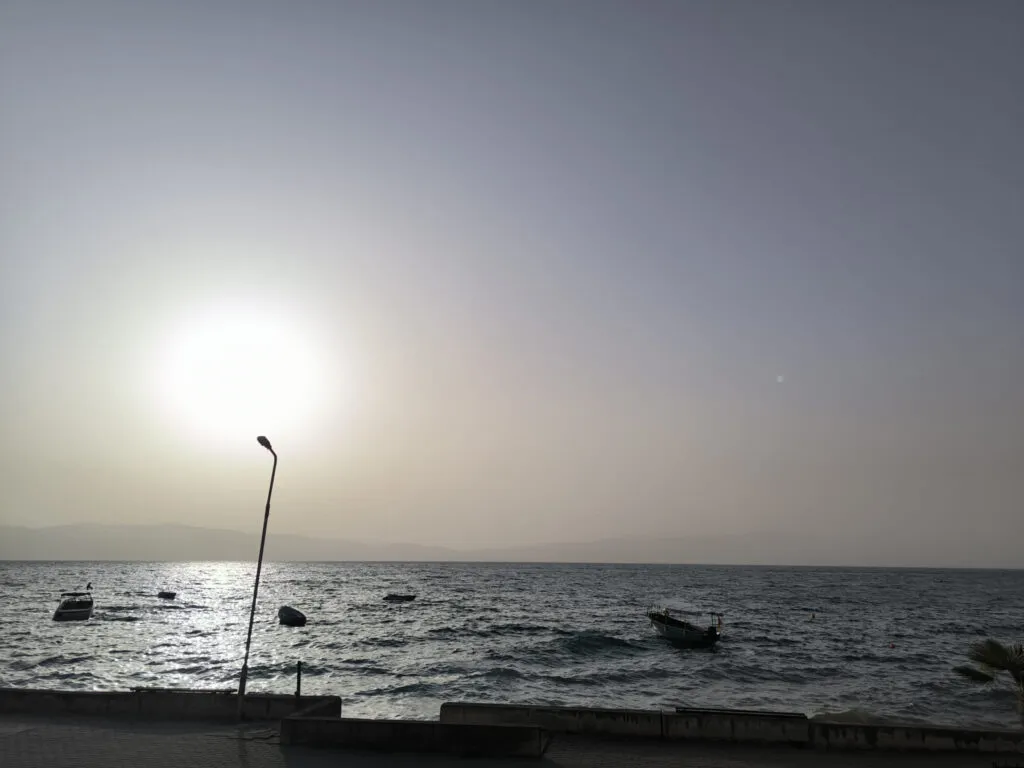
Ohrid under a yellowish layer of dust, a maximum of 35.3 degrees. Institutions again advise against going out between 11...
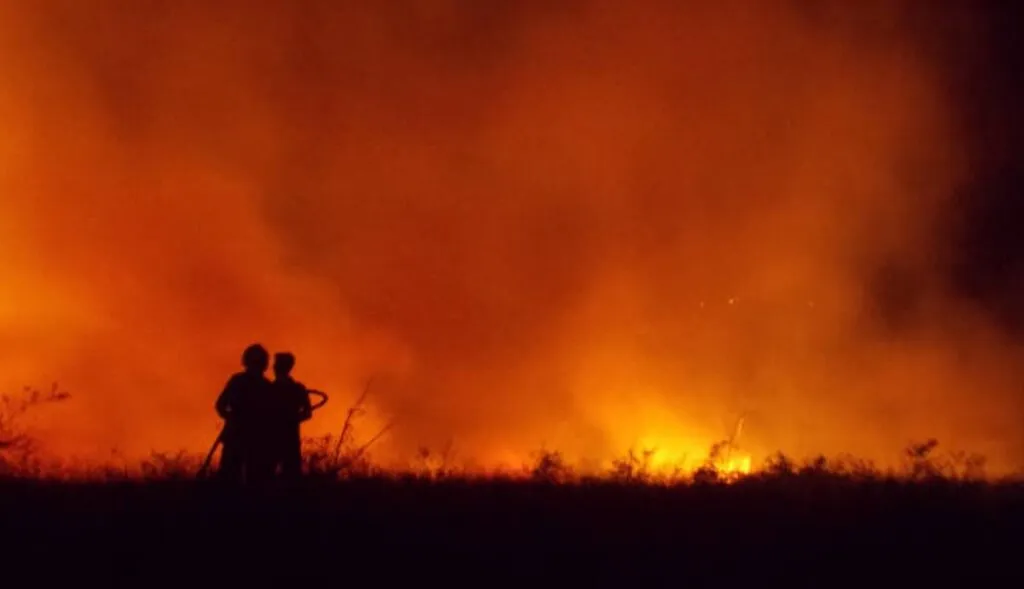
The fire from Makazi crossed the national park boundary and burned part of the pine plantations. The head of the...
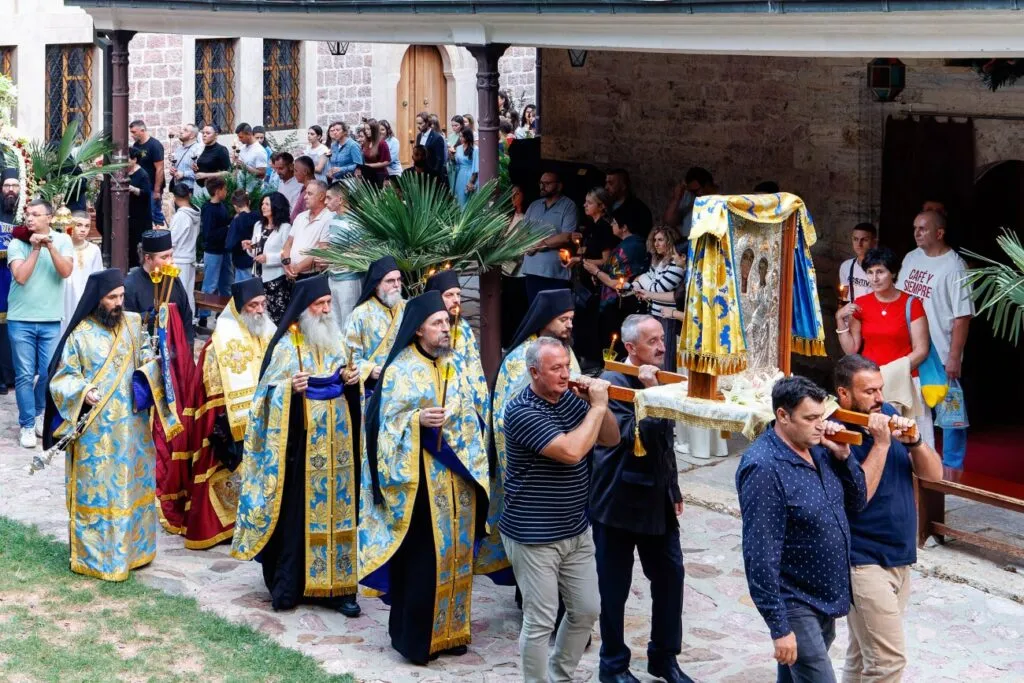
The vigil began at 21:30 and lasted until midday the next day. A full church, three choirs and people from...
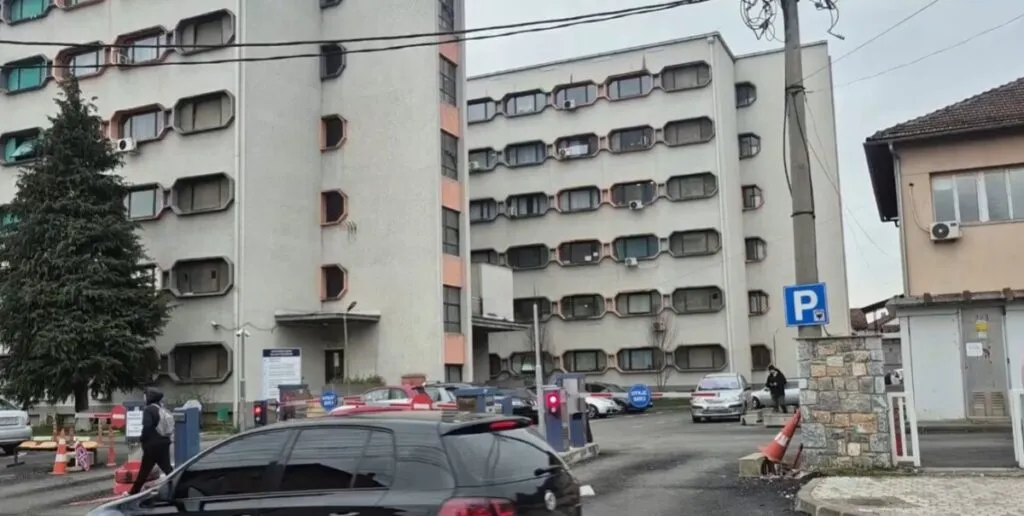
Twelve kept in for treatment. Director Elezi says there is neither an epidemic nor poisoning and that the figures match...
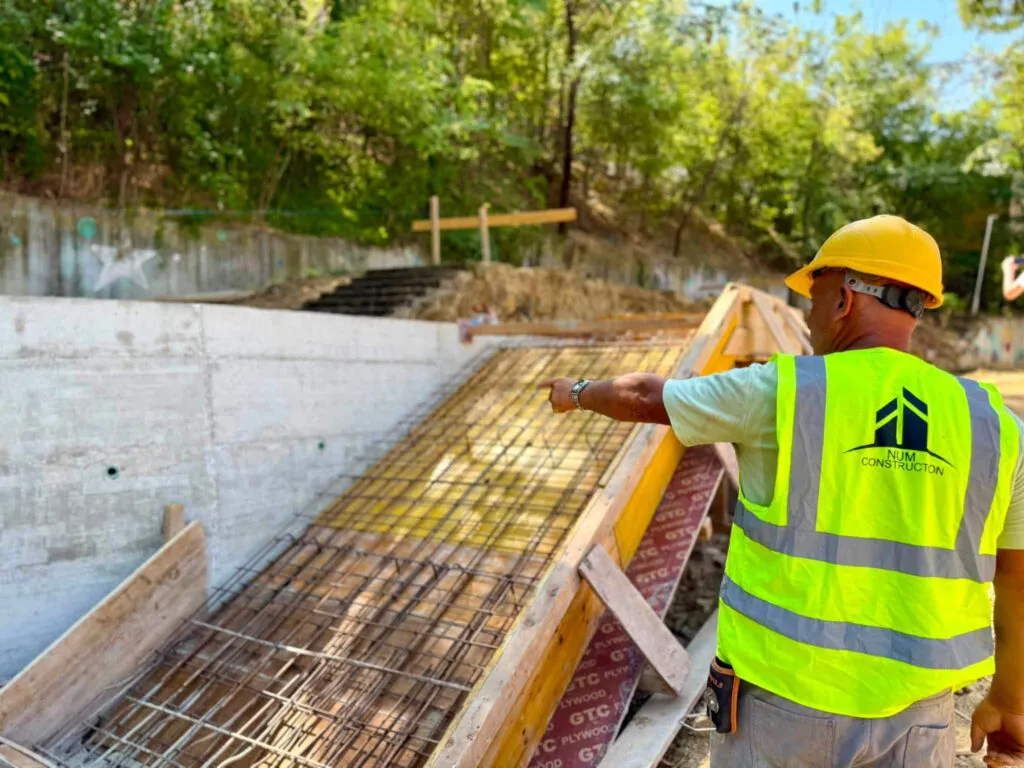
Six reinforced concrete sections, a drainage layer and a 300-millimetre pipe. The municipality responded correctly - and the question of...
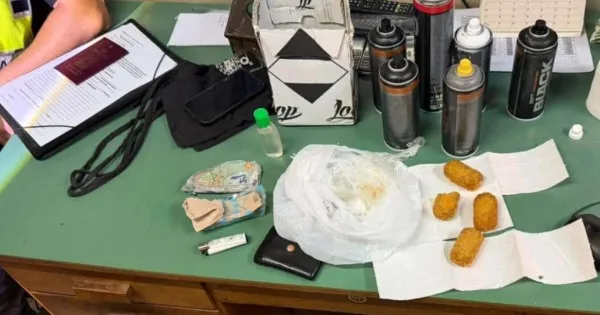
Security at ZRSM Transport caught them on the spot. Enhanced video surveillance is now being announced - after the carriages...
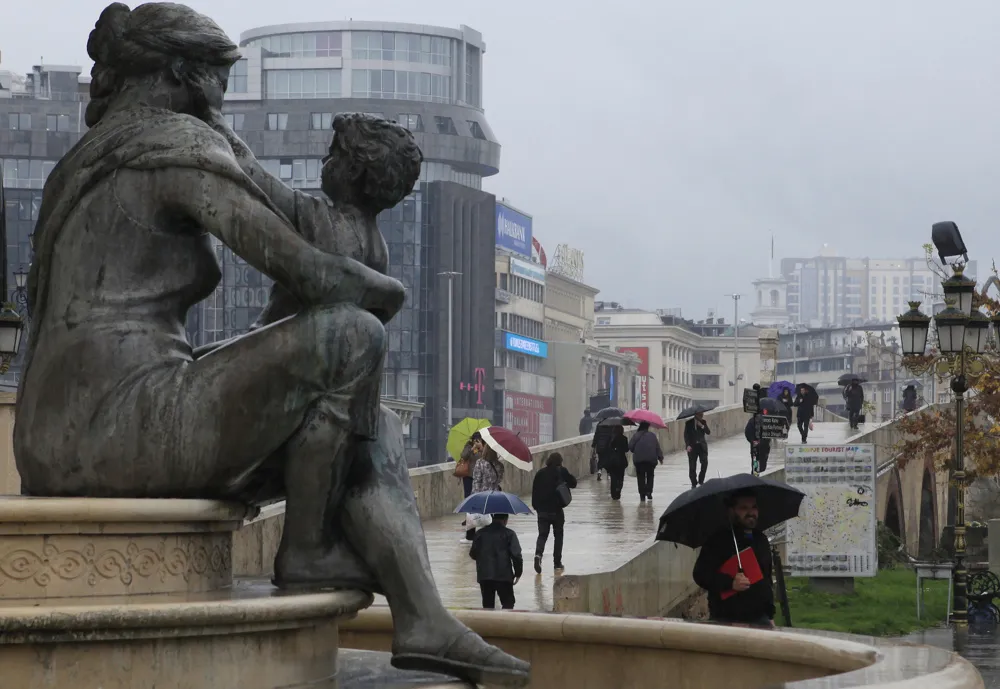
The first two days bring 37 degrees, and real autumn only arrives in the last ten days or so. For...
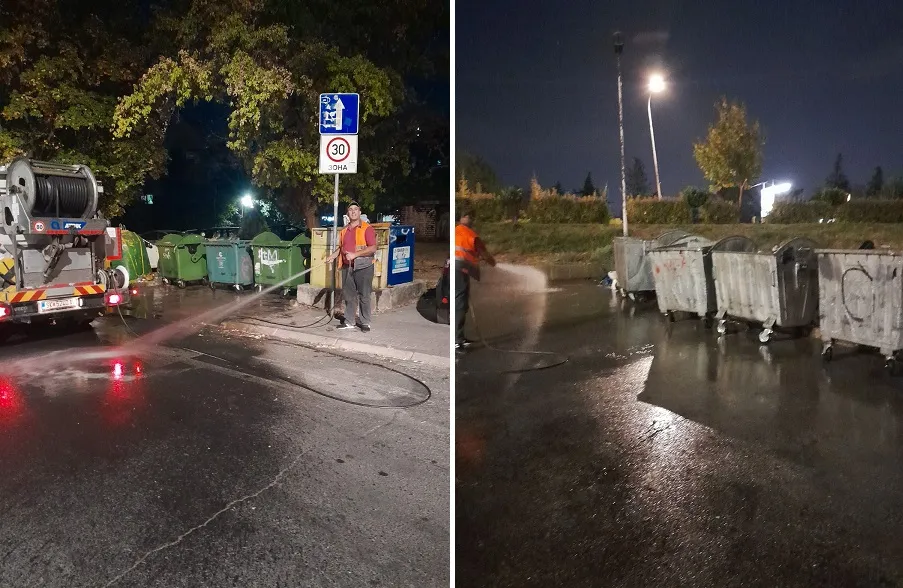
In front of the churches it really was washed, documented and worth the credit. The problem is the translation from...
The rule makes no distinction between someone who parked for 40 minutes and someone who dropped a passenger in three....
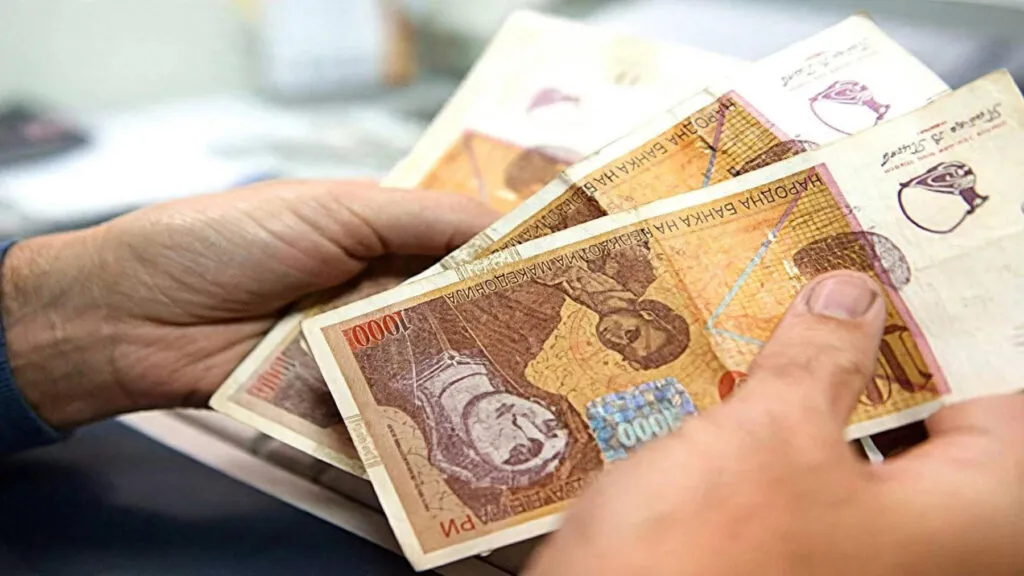
Novaci gives 10,000, Mogila 9,000, Demir Hisar 7,000, Zrnovci 5,000. The gap between neighbouring municipalities says this is a decision,...
This site uses cookies - is that okay? Learn more
Be the first to know when Metla launches something new
Leave your email and we will write when there is a new guide or something new on Metla.
