
A sniper rifle, automatic weapons and an ISIS flag from 12 locations in Skopje: intelligence agency talks of radical imams and recruiting young people
30.09.2026


30.09.2026

30.09.2026

30.09.2026

30.09.2026

30.09.2026

30.09.2026

30.09.2026

29.09.2026

28.09.2026

30.09.2026

30.09.2026

29.09.2026

30.09.2026
30.09.2026
30.09.2026

30.09.2026

29.09.2026

28.09.2026

30.09.2026

30.09.2026

30.09.2026

09.03.2026

27.02.2026

19.02.2026

30.09.2026

29.09.2026

28.09.2026

23.04.2026

23.04.2026

12.04.2026

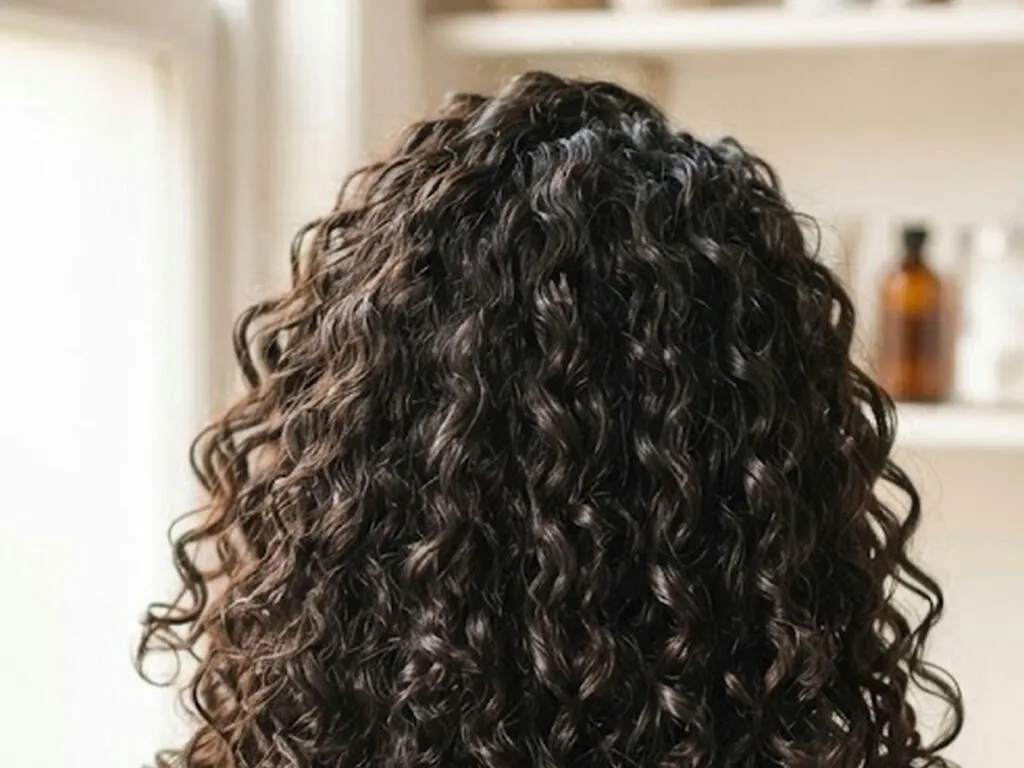
Entire generations of girls spent their youth with a straightener and a hairdryer, fighting their own curls like bad weather. The trend has turned: the natural look is in, and curly hair, which for a long time wasn't even considered an option, is more and more often worn with pride. But curls don't look good on their own. They need a system.
The first step is the cut. Hairdressers recommend layers that build volume around the face, followed by a care ritual that deeply nourishes, defines the curl, calms frizz and prevents dehydration - in a hair type that is often fine and brittle.
The "curly" method
The method was created by Lorraine Massey and it rests on one thing: deep hydration. Curly hair is naturally prone to drying out. It is more porous, and its spiral shape stops the natural oils from the scalp travelling from root to tip. Followed step by step, the method defines the curl, adds shine and reduces breakage.
1. Gentle washing. "Our curls are naturally dry and shouldn't be dried out even more with lots of salt. Sulphates lift the hair cuticle like sandpaper on wood and irritate the scalp. Ingredients like sodium laureth sulphate can make frizz even worse," Massey explains. So - shampoos with mild formulas.
2. Conditioner. It helps detangle the hair, softens it and prevents breakage while drying. If you also use a mask, apply it before the conditioner - that way the hydration locks in better.
3. Leave-in conditioner. Products that stay in the hair are key to this method, because they hold hydration for longer.
4. Gel or mousse. This is where the "scrunching" technique comes in: damp hair is divided into small sections, then squeezed from the bottom up. That shapes the curl and gives movement and natural shine. A trick: when your hair starts to dry, dampen it again with a water spray.
5. Smart drying. The David Künzle salon is clear: "Curls shouldn't be dried without a diffuser, whether with your head down or up, depending on the volume you want. Its job is to soften the stream of air, so drying is gentler and frizz is reduced." After drying - hands off. The less you touch your hair, the longer the curl holds its shape.
No comb, just fingers
The rule is the same for formal styles. "The point of an updo with curly hair is for the curl to look natural, not made with a curling iron. It's better to bring out the natural shape, dry it with a good diffuser and, once you have a good natural curl, gather it up with your fingers," says Alberto Sangino, stylist and education manager at Llongueras. Combs and brushes are not allowed: you work only with your fingers, holding, lifting and pinching the section wherever you want volume.
The irony is obvious: for decades the industry sold straighteners and straightening products, and now it sells products for curls. The difference is that this time, at least, your hair gets to stay your own.
The latest 10 news from this category

An old man with worry beads outside a café and a Paris runway have more in common than you'd think....
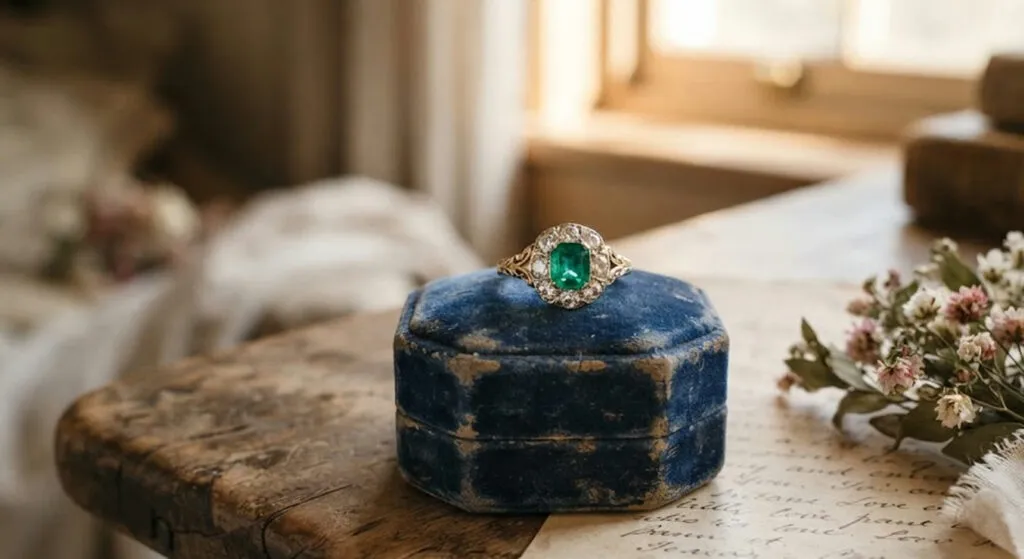
From a Cartier necklace with a 167.97-carat emerald to the engagement ring chosen by Jackie Kennedy's father-in-law: how the liars'...

A white Rubik's cube in the invitation, Giorgio Armani's face on one of the looks and the eighties in every...
Behind a man's "I don't care" there's sometimes a lot more going on. And dermatologists add: 50 to 100 hairs...

A small cake just for the two of them, her grandmother's recipe on the menu and a barefoot dance with...

The gold embroidery, the star of the Order of the Elephant and the Danish queen's blue sash aren't fashion details....

The machine spots changes, but it doesn't diagnose. That's why the check that photographs every mole isn't for everyone -...
A five-year engagement ended in Athens cathedral, in a dress with over half a million crystals sewn on by hand....
For centuries, shoes showed who didn't have to walk. Today a queen in flat, wide-toed sneakers is raising a question...

The Hollywood star has an alarm for going to bed and keeps her bedroom no warmer than 24 degrees. Skin...
This site uses cookies - is that okay? Learn more
Be the first to know when Metla launches something new
Leave your email and we will write when there is a new guide or something new on Metla.