

A sniper rifle, automatic weapons and an ISIS flag from 12 locations in Skopje: intelligence agency talks of radical imams and recruiting young people
30.09.2026


30.09.2026

30.09.2026

30.09.2026

30.09.2026

30.09.2026

30.09.2026

30.09.2026

29.09.2026

28.09.2026
30.09.2026

30.09.2026

29.09.2026

30.09.2026

30.09.2026

30.09.2026

30.09.2026

29.09.2026

28.09.2026

30.09.2026

30.09.2026

30.09.2026

09.03.2026

27.02.2026

19.02.2026

30.09.2026

29.09.2026

28.09.2026

23.04.2026

23.04.2026

12.04.2026

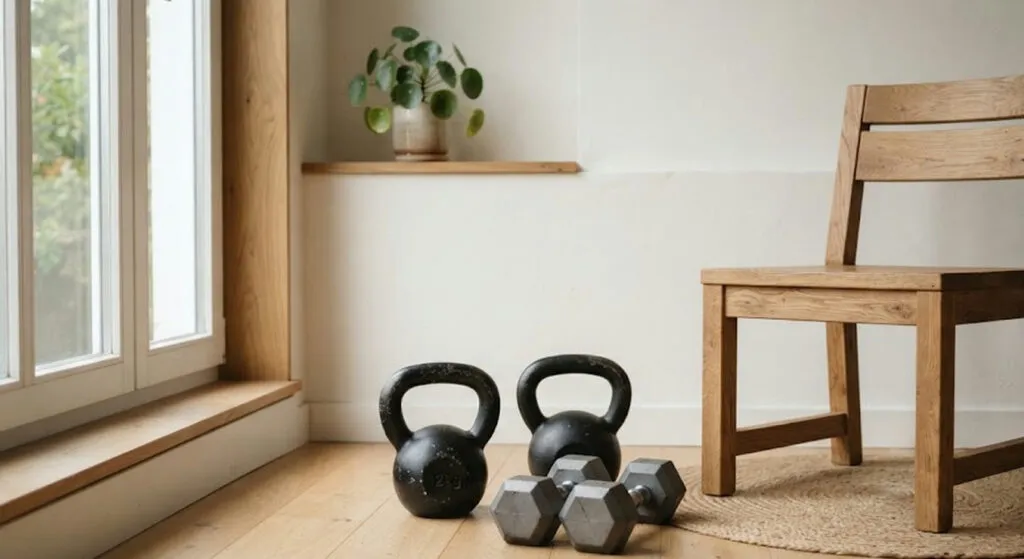
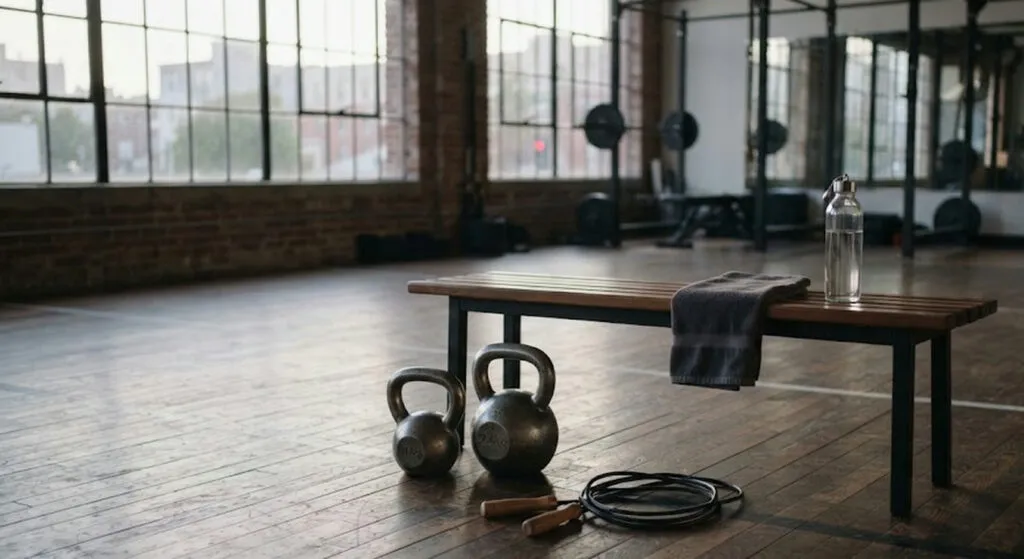
For decades, whenever exercise and health came up, the heart played the lead role: walking, running, swimming, cycling. In recent years another player has entered the conversation about healthy ageing - muscle. And not because of the mirror, but because of one very practical question: at 80, will you be able to get up from a chair on your own?
"Muscles give you life," says Adrián Chamorro, a personal training specialist at the Age Reversal longevity unit of the Memorial Publio Cordón hospital. He describes muscle as a health reserve we draw on constantly - when we get up from a chair, climb stairs, keep our balance or simply don't depend on others.
Muscle is also metabolically active tissue, involved in using glucose and in energy metabolism. Good muscle mass helps preserve mobility, balance and independence as we age, and it also contributes to preventing diseases like type 2 diabetes.
The question Chamorro asks is not how many years we want to live, but how. "When I'm 80, I want to be independent. I want to get up from the chair five or six times on my own. And that is built today, not ten years from now," he says. Looks, he adds, are a side effect - and that's fine - but they're not the point.
Here comes the reality check for anyone expecting miracles. More muscle doesn't automatically mean a faster metabolism, or weight loss regardless of what's on your plate. "If I train someone really well but they don't eat properly, it's very hard to get results - and vice versa," the trainer says.
The transition to menopause and the years after it need special attention, when hormonal changes pile on top of ageing and change the body's composition. Add to that the problem almost everyone has: too much sitting. Computer, car, meetings, sofa. So the advice is clear - if you've never trained, start with strength training.
The benefits don't stop at bones and joints. "BDNF, brain-derived neurotrophic factor, is a protein linked to the plasticity of neurons, and its levels can rise in response to exercise," explains Lisa Chirese, a nutritionist at the same unit. In other words, training is for your head too.
And how do you start after years of doing nothing? Not with "all or nothing." "You don't have to go from a sedentary life straight to training five days a week. Small, sustainable goals can be far more useful for building a habit," says Chamorro. His trick is to block out your training slot in the calendar like a meeting: "Why not book yourself in as just another client?" - not as a chore, but as an act of love for yourself.
We pay into our pension funds for decades, yet we assume our muscles will sort themselves out. Who's going to lift you out of your chair thirty years from now if you don't start today?
The latest 10 news from this category

Aubergine, walnuts, garlic and coriander - ingredients autumn brings to every market. The Georgians turn them into one of their...

When you worry, you're actually practising - you're just practising the worst-case scenario. The same mechanism can be turned in...

The cheapest bar snack there is gets ruined by one mistake - an overcrowded pan. Ice-cold sparkling water, cornflour and...
Pilates stopped being slow stretching in the corner of the gym long ago. The new versions use springs and machines...

Here, a chestnut usually means a paper bag from a street vendor. But it can go into porridge, salads, cream...
A message, a video, an order - and the brain gets its reward without lifting a finger. Spanish psychiatrist Marian...

Everyone knows how to scramble eggs - or so we think. The difference between creamy, glossy eggs and a dry,...
Worse sleep, constant fatigue and a late period can mean your body has nothing left to recover with. A nutritionist...

Six tomatoes, two carrots, a leek, garlic and patience. The recipe is simple, and the only secret is the time...

There's even a term for it - leisure guilt. When we measure our worth in completed tasks, every empty afternoon...
This site uses cookies - is that okay? Learn more
Be the first to know when Metla launches something new
Leave your email and we will write when there is a new guide or something new on Metla.