
A sniper rifle, automatic weapons and an ISIS flag from 12 locations in Skopje: intelligence agency talks of radical imams and recruiting young people
30.09.2026


30.09.2026

30.09.2026

30.09.2026
30.09.2026

30.09.2026

30.09.2026

30.09.2026
29.09.2026

28.09.2026

30.09.2026

30.09.2026

29.09.2026

30.09.2026

30.09.2026

30.09.2026

30.09.2026

29.09.2026
28.09.2026

30.09.2026

30.09.2026

30.09.2026

09.03.2026

27.02.2026

19.02.2026

30.09.2026
29.09.2026

28.09.2026

23.04.2026

23.04.2026

12.04.2026

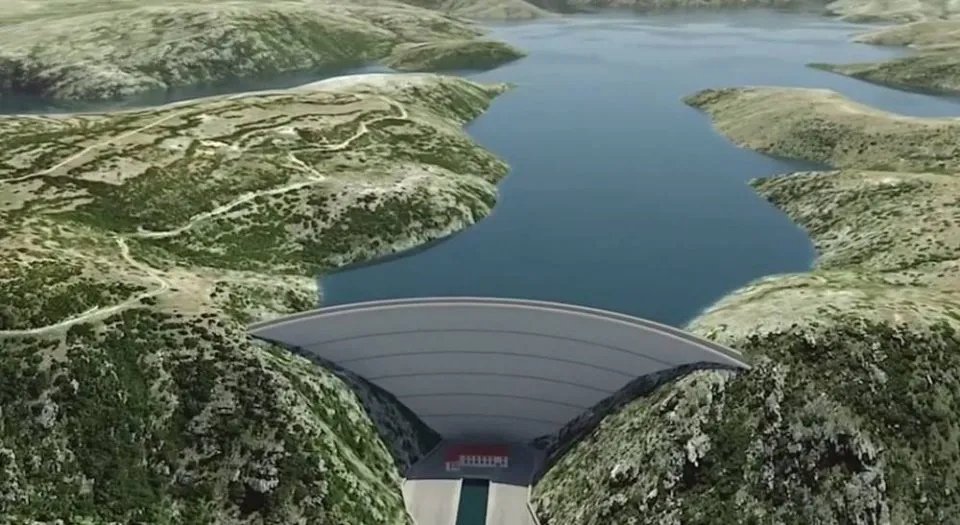
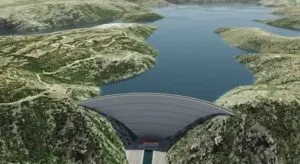
The idea of Chebren dates back to 1964. Since then, countries, political systems and whole generations of politicians have come and gone, and the Chebren and Galishte hydropower system has remained what it is today - an announcement. Now Prime Minister Hristijan Mickoski says it is "the right time" for the state to take "a bolder step" and become the investor itself, after 14 failed tenders searching for a private partner.
"I believe we have financial institutions that want to finance this project, and one of them is the US government's development finance institution, the DFC," Mickoski said, pointing out that the American corporation has a portfolio of more than 220 billion dollars. If everything goes to plan, the foundation stone could be laid next year.
Numbers, but no financing
The government claims the project's internal rate of return is in double digits and its net present value positive. Back in June, Mickoski talked about an investment that, with interest, could reach up to 1.5 billion euros. The Energy Regulatory Commission, meanwhile, is proposing that citizens be brought into the financing by buying shares.
What is missing is a closed financing structure. "Interested institutions" and "if everything goes as it should" are not a loan agreement. Even the prime minister admits this is a project "that will last through several governments." Will whoever lays the foundation stone be the one who switches it on?
The prime minister also lists the benefits: an excellent energy reservoir for the grid and additional water that, as the climate changes, could also be used to irrigate the Tikvesh plain.
In parallel, the state power producer ESM is starting the third phase of its hydropower plant overhaul: 46 million euros will replace outdated equipment at six large plants in the Mavrovo, Crn Drim and Tikvesh systems. That is a concrete investment in something that already exists - and perhaps the most realistic part of the whole energy story.
Chebren is a test of institutional memory. More than six decades after the first idea and 14 tenders later, the question is not whether the project makes sense. The question is whether, this time, someone will actually put the money on the table before the next election turns it into yet another announcement.
The latest 10 news from this category

2.6 versus 3.2 percent is not half, it's roughly a fifth. And lower inflation doesn't roll prices back - it...

Industrial water from underground sources, closed cooling loops, citizens first - the promises are all there. How many litres and...

It all started when Microsoft cut off the International Criminal Court prosecutor's email. Now France is switching state computers to...
AI agent safety is being offered as open source, but full protection only works on Nvidia chips. And the company...

Expected revenue growth of 90 percent, 5.7 million paying members, 372 million dollars in the bank - and yet the...

Remote start, unlocking from your phone, navigation - convenience has a price that isn't in the owner's manual. Only one...
In seven days, diesel jumped by 5.50 denars and then dropped by 4.50. Part of the new "hundred" is borrowed...
The average across 55 global markets is 1.4 percent. In Macedonia, flat prices are rising by around 13 percent even...
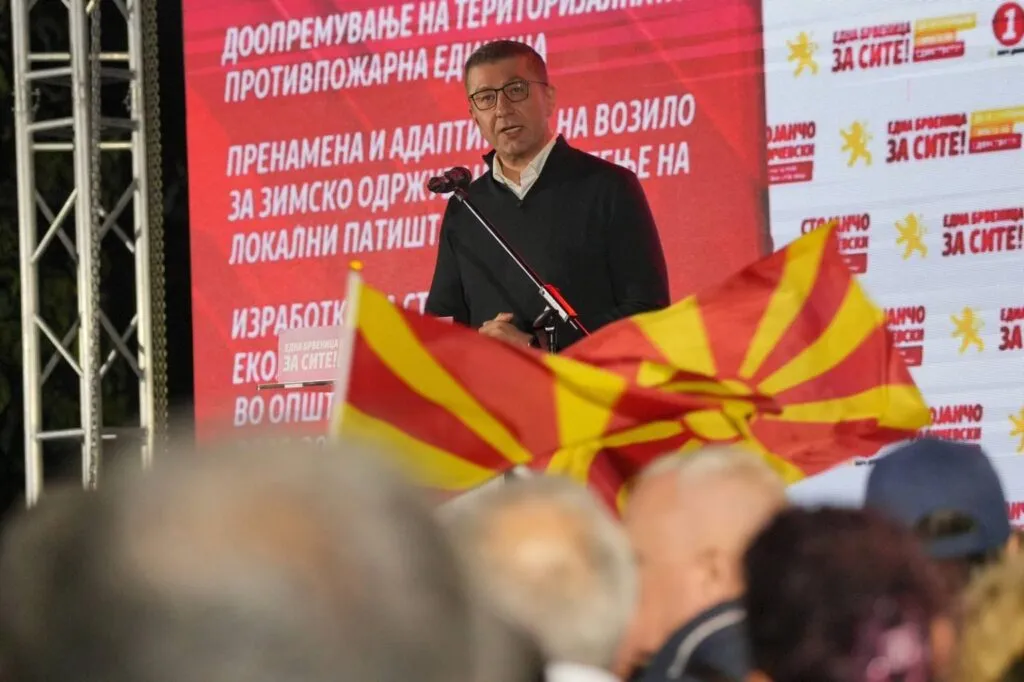
The growth figures came from a campaign rally, along with the message that wages still have to catch up. And...

It was supposed to arrive in ChatGPT in October and work with no human looking over its shoulder. In testing,...
This site uses cookies - is that okay? Learn more
Be the first to know when Metla launches something new
Leave your email and we will write when there is a new guide or something new on Metla.