
Counter-terror raid in Skopje: an ISIS flag and weapons, while official details come "once it's over"
29.09.2026


29.09.2026

29.09.2026
29.09.2026

29.09.2026

29.09.2026

29.09.2026

29.09.2026

28.09.2026

27.09.2026

29.09.2026

29.09.2026

28.09.2026

29.09.2026

29.09.2026

29.09.2026

29.09.2026

28.09.2026

27.09.2026

29.09.2026

29.09.2026

29.09.2026

29.09.2026

29.09.2026

28.09.2026

09.03.2026

27.02.2026

19.02.2026

29.09.2026

28.09.2026

27.09.2026

23.04.2026

23.04.2026

12.04.2026

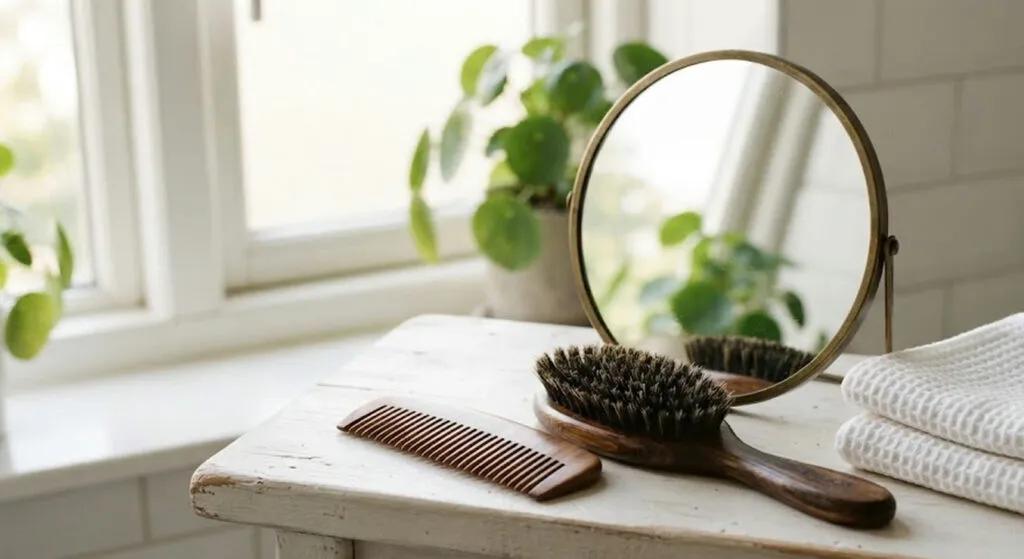
Carlos Alcaraz has gone viral again, and this time not for his forehand but for his hair. From an almost shaved head at the 2025 US Open to braids a year later - every new hairstyle draws as much attention as his results. Funny? Maybe. But behind the jokes lies a topic men rarely talk about out loud.
"Hair can take up a fairly important place in how a man perceives himself, even though for a long time we talked about it less," says psychologist Leticia Martín Enjuto. When a man feels his hair suits him and fits his style, he is more comfortable in his own appearance. Hair becomes part of identity and a way of expressing oneself.
"When we feel that our outward appearance matches the image we have of ourselves, it's easier to feel comfortable and confident," she explains. But she draws a clear line: self-care is positive when it comes from well-being and being happy with yourself, and problematic when your confidence starts to depend on how you look.
What hides behind "I don't care"
Traditional norms of masculinity have been sweeping these worries under the rug for decades. "Sometimes, behind an 'I don't care' there can be much more than meets the eye," says Martín Enjuto. Hair loss in men is especially awkward precisely because it happens slowly. Androgenetic alopecia is socially normalised, but everyone experiences it differently, and culturally hair is still linked to youth, attractiveness and vitality. "Admitting that a physical change affects you doesn't mean you're giving it too much importance or that you're shallow."
Dermatologist Maribel García Briz explains what healthy hair looks like: stable density and thickness, little breakage, strands in good condition and a scalp without significant changes. Losing 50 to 100 hairs a day is normal, although it varies from person to person and season to season. Rather than counting hairs in the bathtub, it's better to watch for changes: a widening parting or a scalp that starts to show through. In men, androgenetic alopecia usually starts at the hairline, on the forehead or at the crown, and hairs become thinner and shorter as the follicles shrink.
Genetics decides, washing isn't to blame
Genetics largely determines thickness, texture and susceptibility to androgenetic alopecia, with hormones and age as additional factors. Good care - hygiene, conditioner, less heat and fewer harsh chemicals - keeps hair in good condition, but on its own cannot prevent genetically driven alopecia, García Briz warns.
Dr Alba Gómez frames the question differently: we don't just wash our hair, but our scalp, where sweat, oils, dead cells and pollution build up. The recommended minimum is two to three times a week, more often for people who train daily or sweat a lot. Seeing more hairs in the shower is no reason to wash less often - those hairs had already finished their growth cycle and needed only the slightest tug to fall out. The only caution: don't dry out the scalp with overly aggressive products, and alternating with conditioner protects its barrier.
See a dermatologist if density is gradually decreasing, if shedding stays elevated for a long time, or if certain areas are thinning. Catching androgenetic alopecia early helps keep productive follicles going for longer, and treatments range from topical products and medication through mesotherapy to hair transplants in more advanced cases.
It's a good thing more and more men are talking openly about their hair and looking after it. The difference is in the motive: care that comes from being happy with yourself is healthy, while believing your confidence depends on a look that must never change is another story entirely. How many men around you would admit that their receding hairline worries them?
The latest 10 news from this category

A white Rubik's cube in the invitation, Giorgio Armani's face on one of the looks and the eighties in every...

A small cake just for the two of them, her grandmother's recipe on the menu and a barefoot dance with...
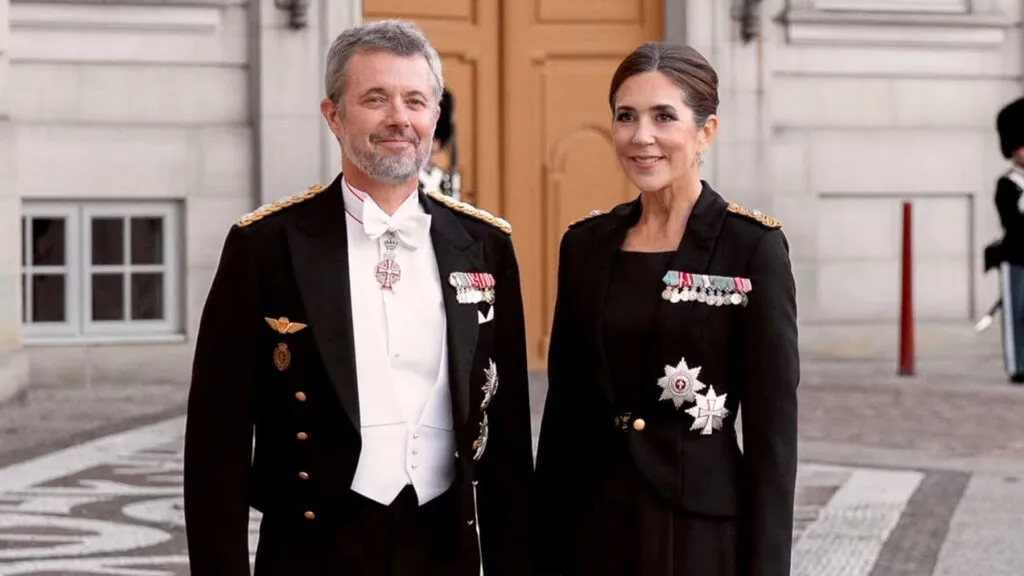
The gold embroidery, the star of the Order of the Elephant and the Danish queen's blue sash aren't fashion details....

The machine spots changes, but it doesn't diagnose. That's why the check that photographs every mole isn't for everyone -...
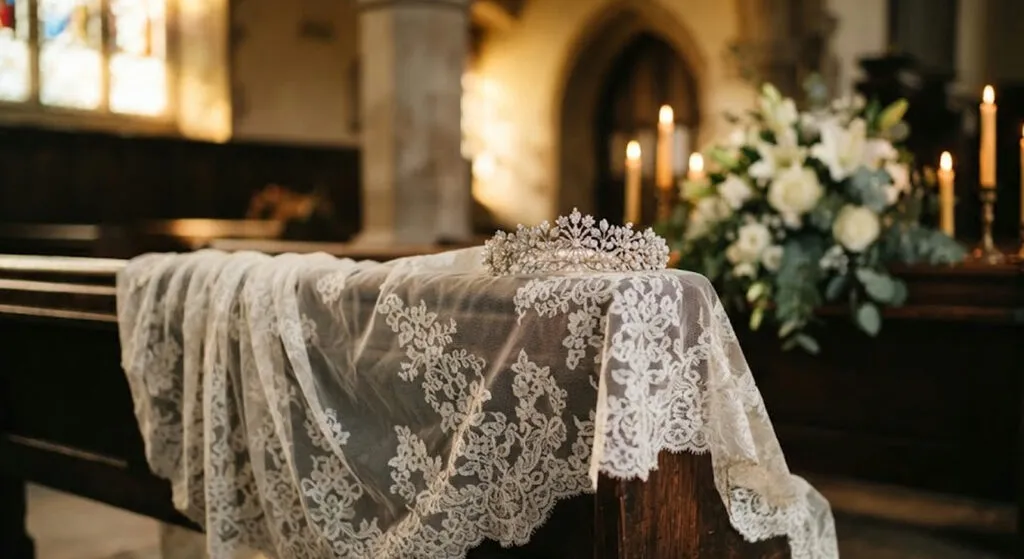
A five-year engagement ended in Athens cathedral, in a dress with over half a million crystals sewn on by hand....
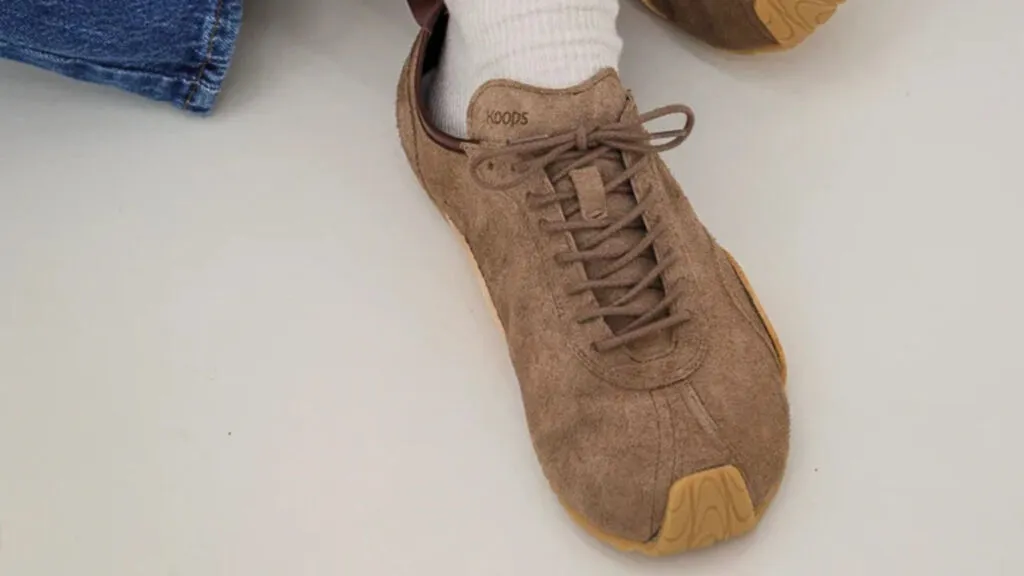
For centuries, shoes showed who didn't have to walk. Today a queen in flat, wide-toed sneakers is raising a question...

The Hollywood star has an alarm for going to bed and keeps her bedroom no warmer than 24 degrees. Skin...
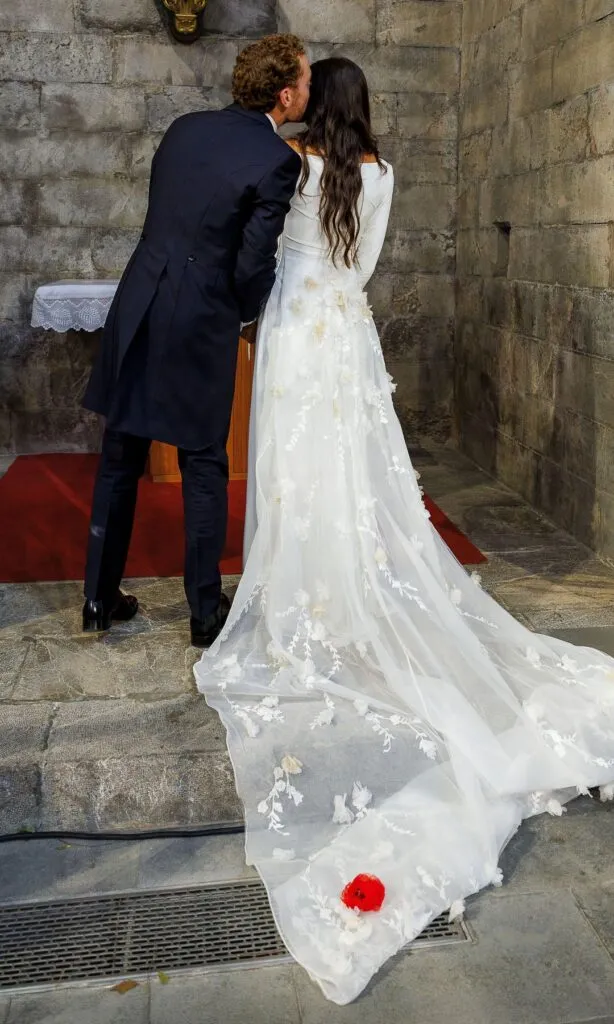
Over 600 guests from Spanish business, politics and media, yet the most talked-about thing was a tiny detail at the...

After six years the Belgian designer leaves for Maison Margiela, signing off with a collection where nothing is what it...

When summer fades, plenty of people reach for a foundation one shade darker. Make-up artists say a tan is built...
This site uses cookies - is that okay? Learn more
Be the first to know when Metla launches something new
Leave your email and we will write when there is a new guide or something new on Metla.