Counter-terror raid in Skopje: an ISIS flag and weapons, while official details come "once it's over"
29.09.2026


29.09.2026

29.09.2026
29.09.2026

29.09.2026
29.09.2026

29.09.2026
29.09.2026
28.09.2026

27.09.2026
29.09.2026
29.09.2026
28.09.2026
29.09.2026
29.09.2026
29.09.2026
29.09.2026
28.09.2026
27.09.2026
29.09.2026
29.09.2026
29.09.2026
29.09.2026

29.09.2026
28.09.2026

09.03.2026

27.02.2026

19.02.2026
29.09.2026
28.09.2026
27.09.2026

23.04.2026

23.04.2026

12.04.2026

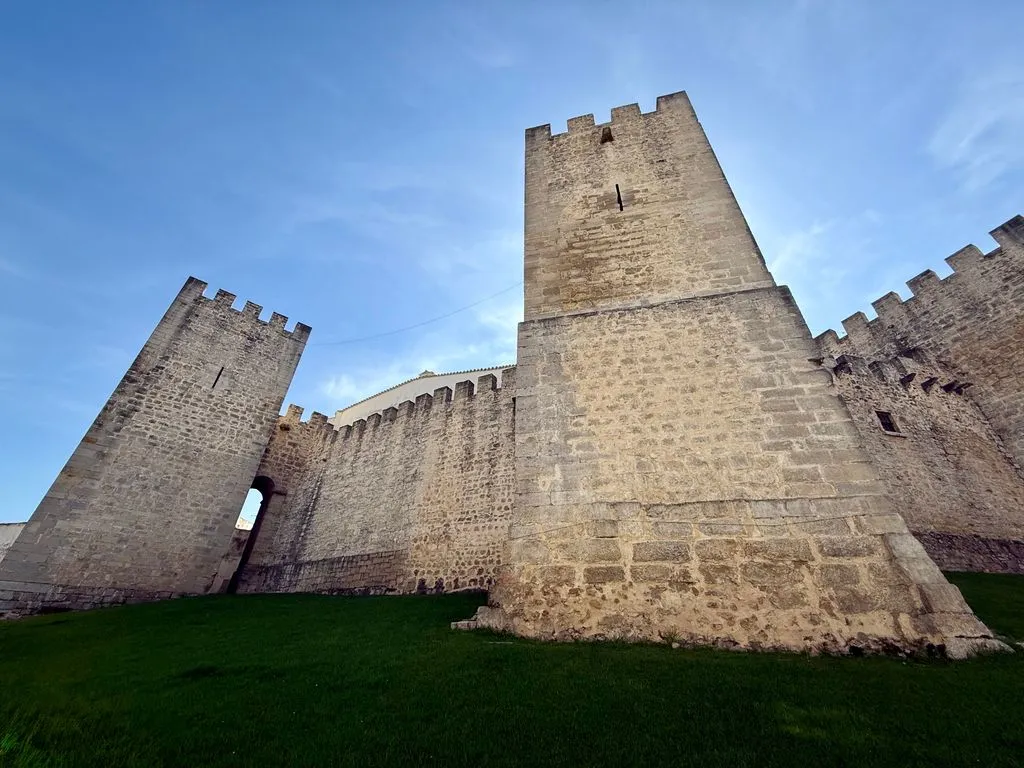
When someone says Algarve, the mind immediately lines up cliffs, beaches and towel after towel. But southern Portugal has another face too: the Ria Formosa lagoon, the salt baths of Castro Marim, the megalithic tombs at Alcalar. And the town of Loulé, less than 20 kilometres from Faro, which lives off something mass tourism usually swallows whole - craftsmanship.
The old town is what you'd expect: cobblestones, whitewashed houses, galleries, bars and handicraft shops. But beneath the surface lies Arab Loulé. "The abundance of water was one of the main reasons that drew the Arabs, because Loulé has an underground river and fertile land," explains João Ministro, a local resident and tour guide.
A minaret that became a bell tower
The castle dates from the 12th-13th century and is surrounded by walls. Standing out are the projecting tower of rubble stone and the Torre de Vela tower by the Fato gate, which retains its Almohad features. The Church of São Clemente, built in Gothic style in the 13th century on the site of a former mosque, has a bell tower unique in Portugal - it is a converted minaret. The Balkans know plenty of stories about buildings that changed faith along with those in power. Here you see one of them, just in the opposite direction.
The Al-Ulya Arab baths were built between the early and mid-12th century and had an entrance hall, cold, warm and hot rooms, plus a boiler section. By the mid-15th century they had already been abandoned and lay in ruins. The municipality bought the property in 2006 and began archaeological work, and today it houses a museum considered the most complete museum of Arab baths in Portugal. Nearby is the Bica Velha fountain from 1837, built from the material of an old clock bell, and the Municipal Museum has three rooms with a permanent archaeological exhibition.
A market where everyone earns
The market opened in 1908 and is the largest in the Algarve. It was designed by the architect Mota Gomes in a neo-Arab style with Art Nouveau elements, with four pavilions and four gates meant to symbolise the importance and prosperity of the municipality. The rule inside is clever: "The small eateries have to use products from the market's own stalls. That way everyone wins," says Ministro. Would a rule like that work at one of our green markets back home?
In 2015, the municipality launched the "Loulé Criativo" initiative to preserve local crafts, keep the town's workshops open and pass the old trades on to new artisans. Loulé once had four copper workshops. Today one remains - the only active traditional copper and brass workshop in all of Portugal. "The items made in the past were for storing water or oil, or stills for the famous strawberry-tree liqueur. Today the best-known product is the cataplana," says craftsman Analide, referring to the copper cooking vessel the region is known for.
At Casa da Empreita, opened in 2017, women artisans weave palm leaves into thicker and thinner braids and turn them into baskets, lamps and rugs, using techniques inherited from their ancestors. On Rua Bocage there is also the studio of watchmaker José João Guerreiro, a seasoned master of clock and watch repair.
Practical info
You fly to Faro, and from there it's 17 kilometres to Loulé by car, taxi or bus. The Art's by Loulé hotel is 200 metres from the Municipal Market and has themed rooms. For lunch, the Arrancada restaurant inside the market specialises in local charcoal-grilled food - grilled cod and pork ribs. For something sweet, the Fábrica da Amêndoa patisserie on Rua do Matadouro, open since 1976, makes marzipan figures from almond and egg yolk, almond cakes and pastéis de nata. And for coffee, Café Calcinha - a replica of a Brazilian café designed in 1928, now protected as a monument of municipal importance.
Loulé isn't a town to check in and run off to the beach. It's a town where the craftsman still sits in the workshop and the market feeds the restaurants around it. How many of our own crafts would survive if someone put them on the same itinerary as the museums?
The latest 10 news from this category
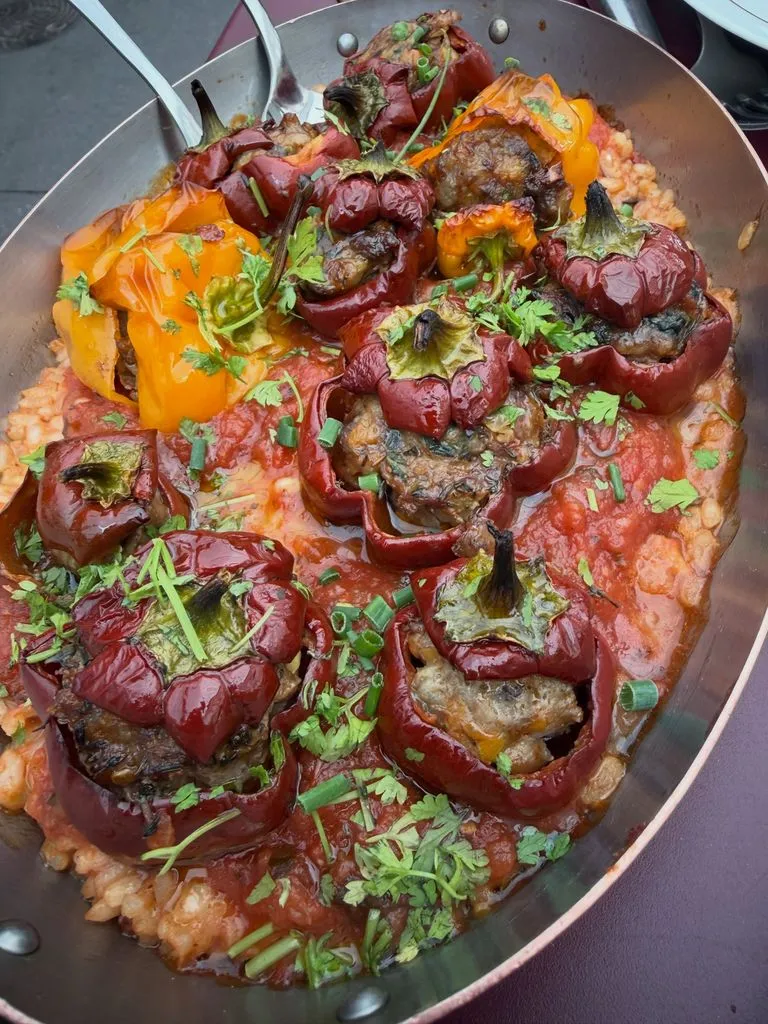
From 28 September to 6 October, Paris is a runway. And after the shows, the stars go looking for pepper...
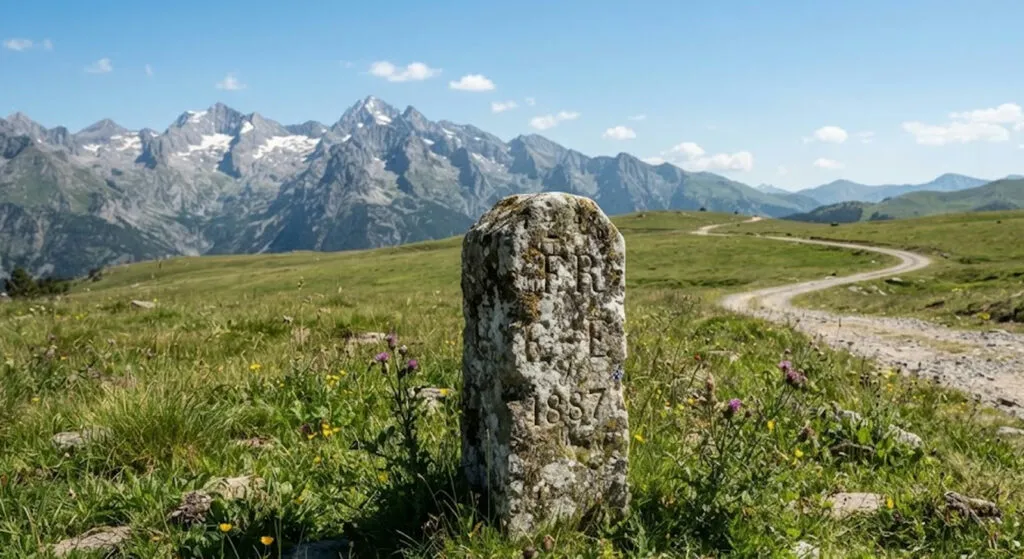
Around 1,500 residents, 12.9 square kilometers and a seven-kilometer road through another country. One of Europe's oldest pharmacies and the...
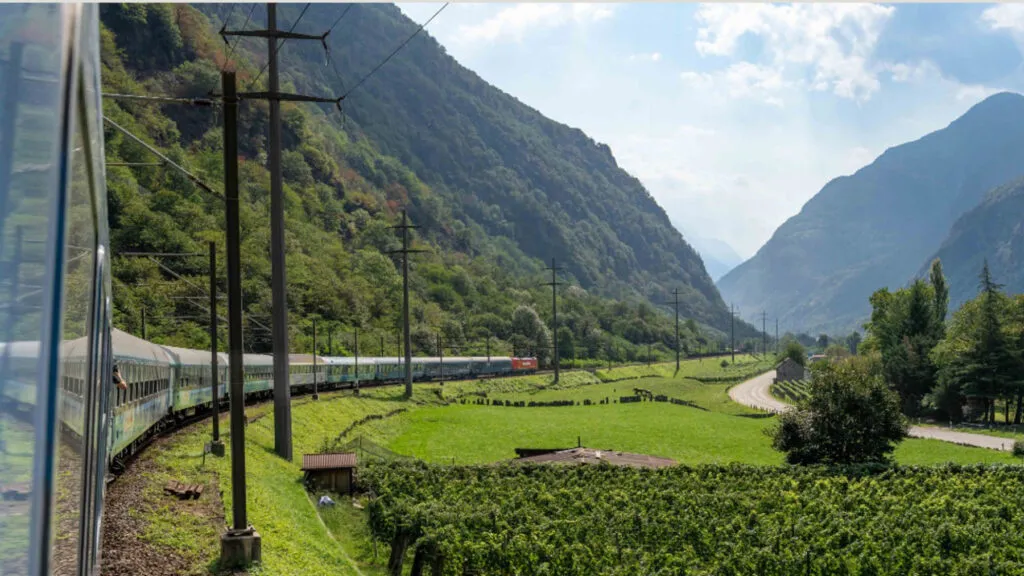
Cologne, Zurich, Lugano and Lake Como in one night, with stations in the centre of every city. Europe's night train...
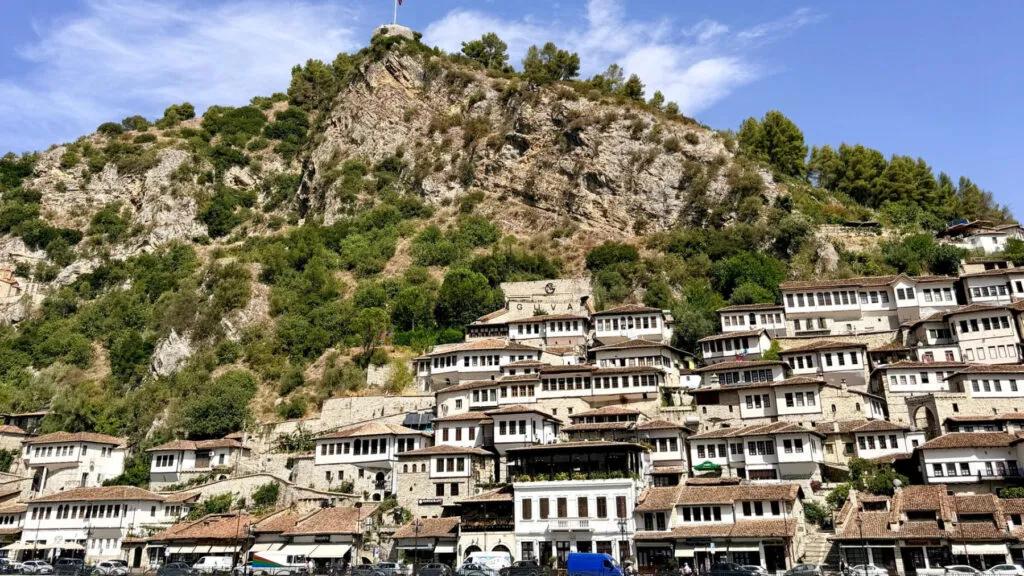
UNESCO-listed stone towns, Ottoman bazaars, bunkers turned into museums and beaches compared to the Caribbean. A neighbour that deserves more...
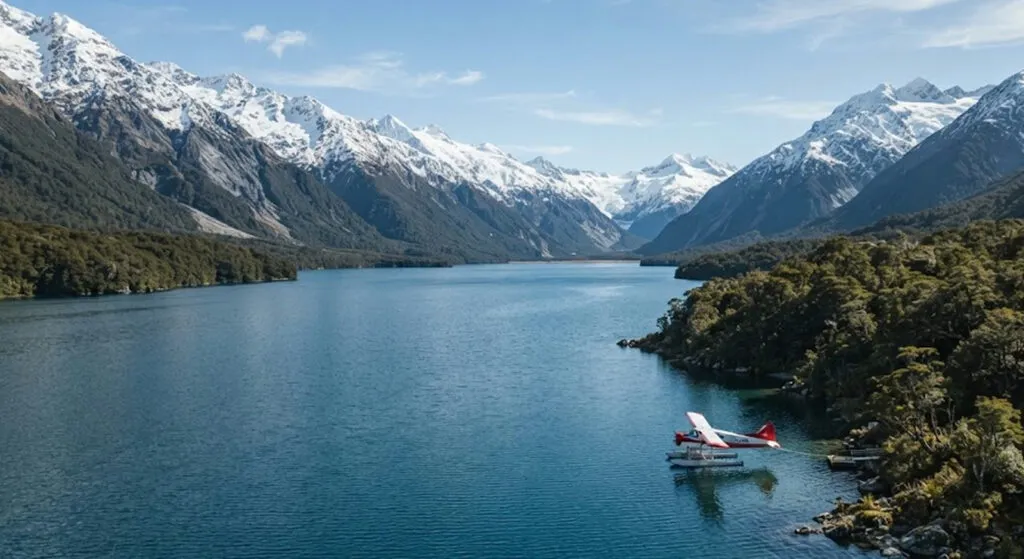
Brad Pitt fights to survive the Alaskan wilderness, while the camera stood in New Zealand the whole time. Where exactly...
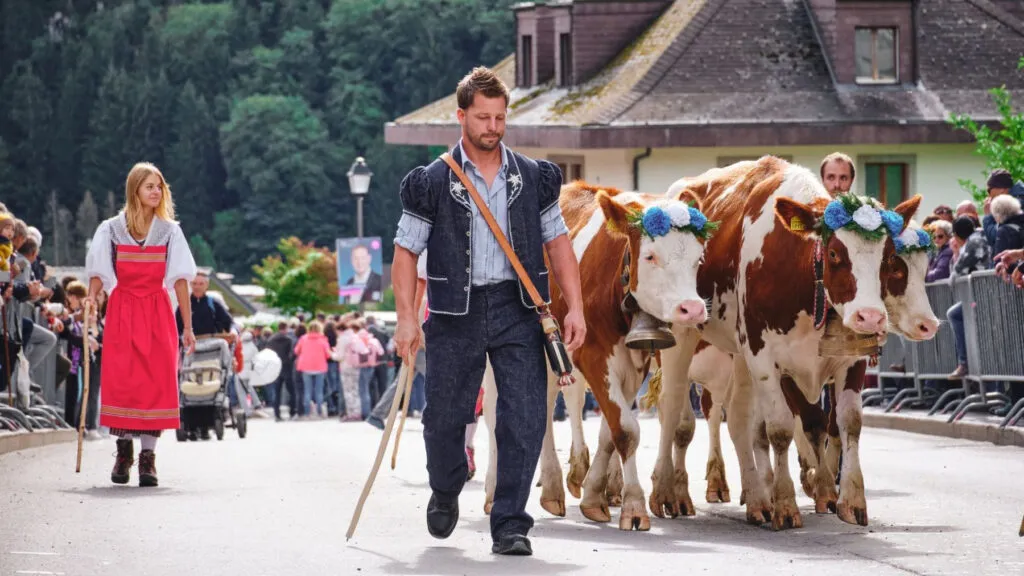
UNESCO protected the tradition in 2023, and the song sung there is documented as far back as 1545 - it...
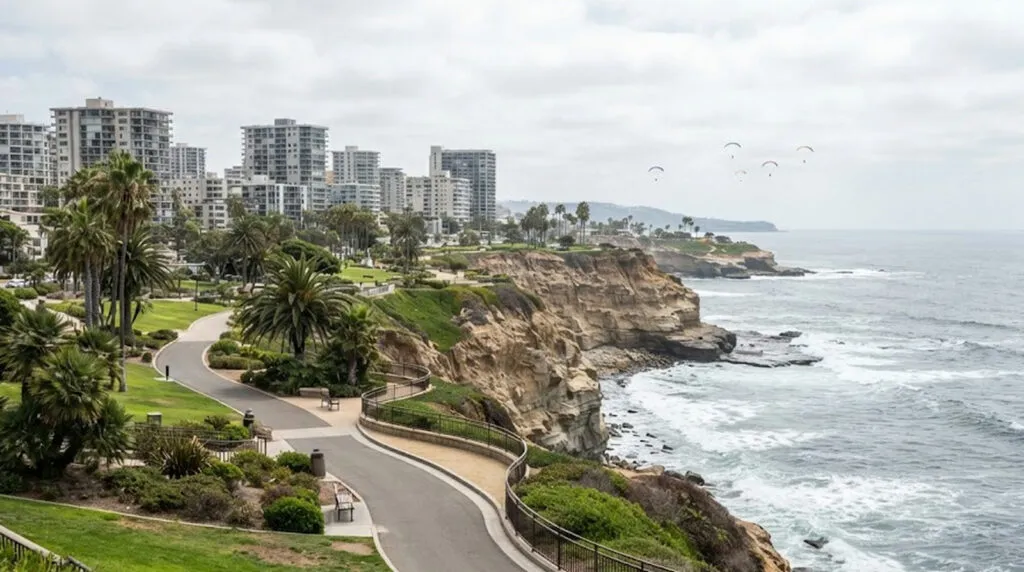
Miraflores sits on the edge of cliffs above the Pacific and has a fourth-century ceremonial centre in the middle of...
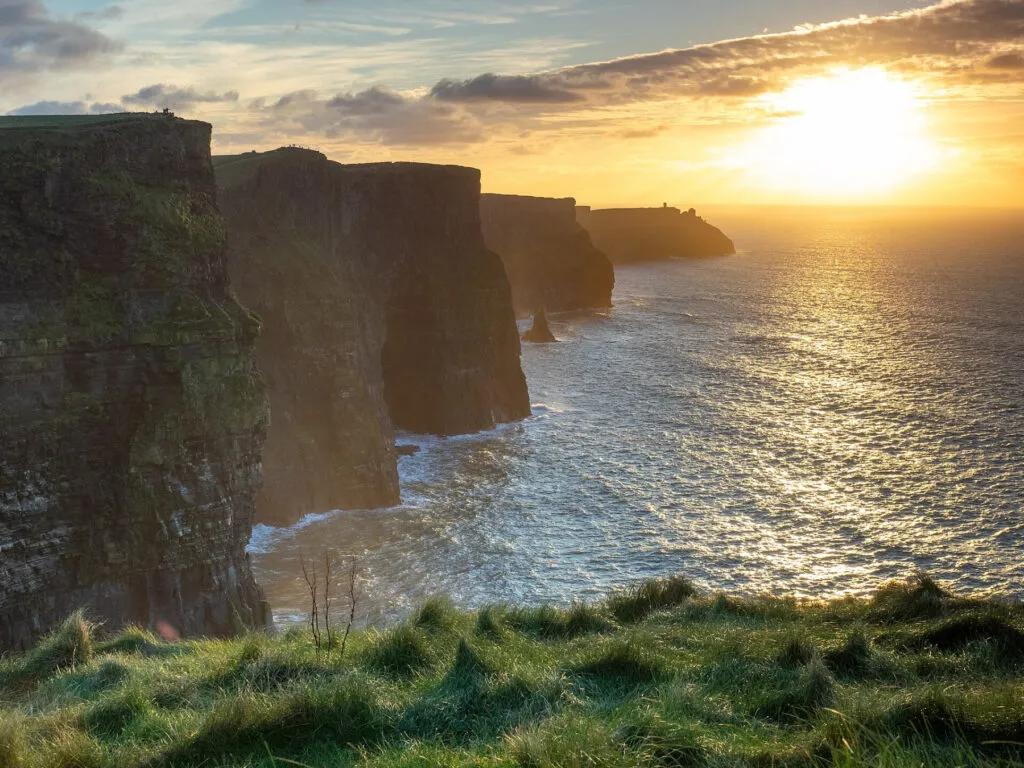
A castle with a banquet every night, a pub from 1620, a dolmen with an arrowhead still in a pelvis,...
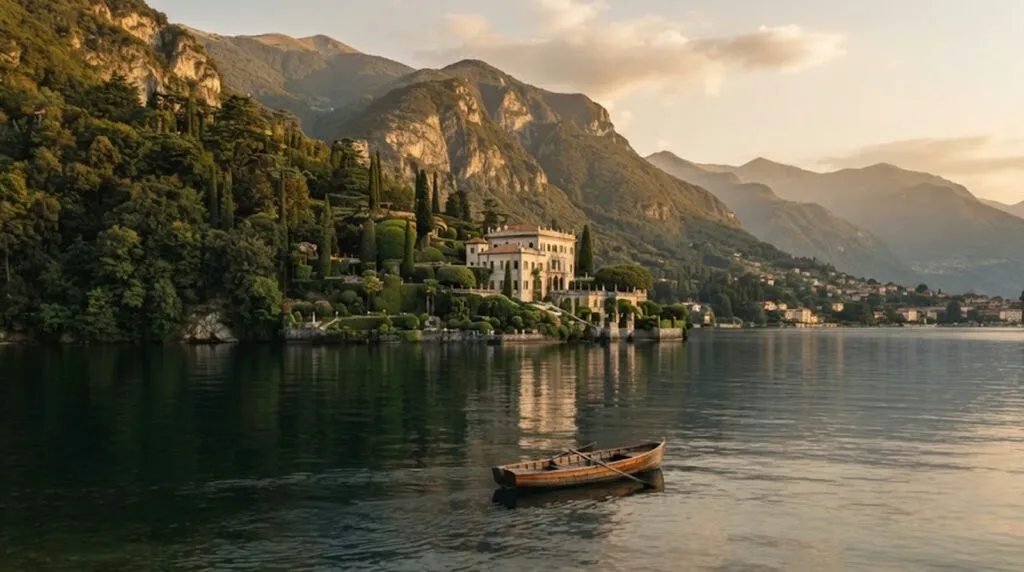
Tremezzo, Bellagio, Varenna and the villa where Star Wars and Casino Royale were filmed - all on the same line...
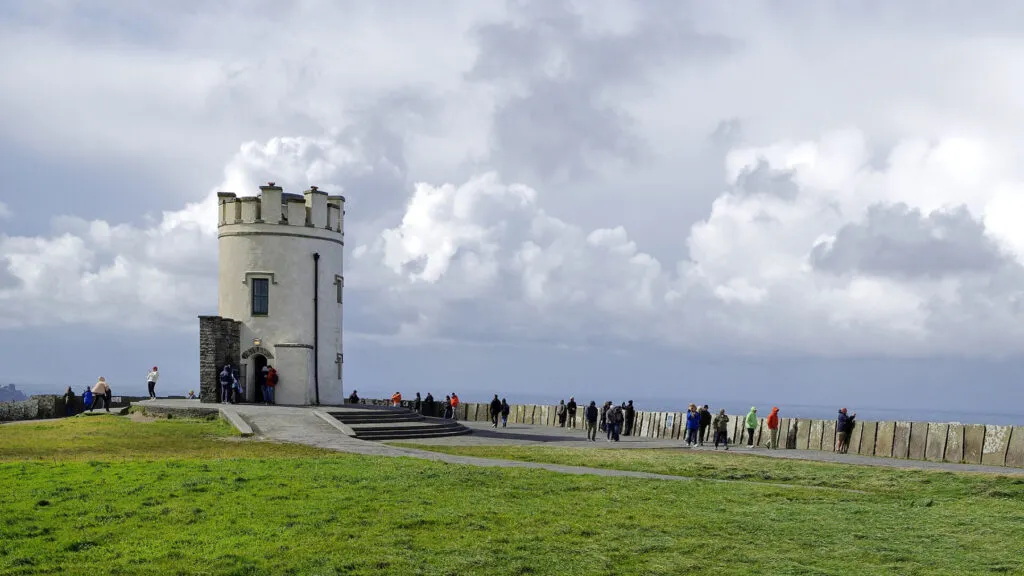
Every airport on the planet copies that model, and almost nobody knows where it started. Around it - cliffs 214...
This site uses cookies - is that okay? Learn more
Be the first to know when Metla launches something new
Leave your email and we will write when there is a new guide or something new on Metla.