

The defence in the Puls case has called 244 witnesses, and the nightclub owner's detention runs out on Saturday
01.10.2026


01.10.2026

01.10.2026

01.10.2026

01.10.2026
01.10.2026
01.10.2026

01.10.2026

30.09.2026

29.09.2026

01.10.2026

01.10.2026

30.09.2026

01.10.2026

01.10.2026
01.10.2026

01.10.2026
30.09.2026

29.09.2026

01.10.2026

01.10.2026

01.10.2026
01.10.2026

01.10.2026

01.10.2026

09.03.2026

27.02.2026

19.02.2026

01.10.2026

01.10.2026

30.09.2026

23.04.2026

23.04.2026

12.04.2026

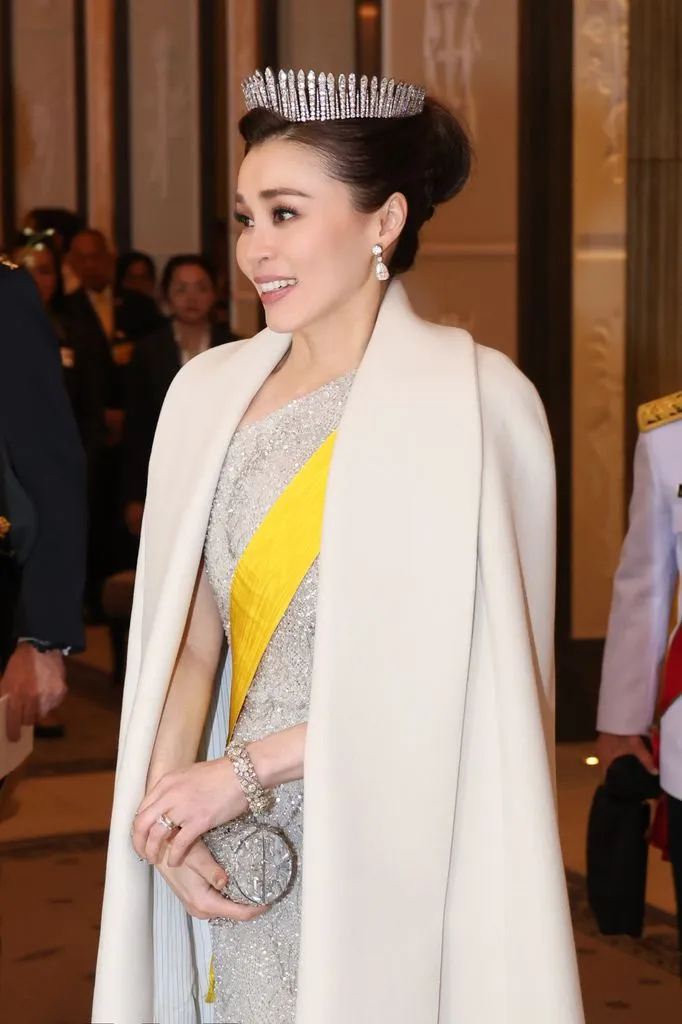
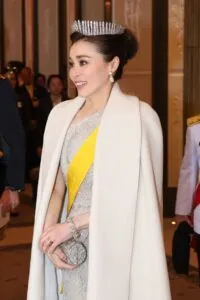
Sixteen years ago Suthida Tidjai was serving drinks on JALways and Thai Airways flights. Today she is Queen of Thailand, president of the Red Cross and, by every sign the palace gives, the most important face of the crown after the king himself. The road between those two points is no fairy tale - it is one of the fastest careers in any royal house, built in uniform.
Suthida, now 48, studied communications at Assumption University in Bangkok. In 2010 she swapped the plane for the army and rose quickly there: she became commander of the guard of then Crown Prince Maha Vajiralongkorn, then a general and head of several Royal Guard units. For years the palace said nothing about their relationship. Confirmation came only in May 2019, when the king announced the marriage and proclaimed her queen consort at a ceremony in the Amphorn Sathan palace. A few days later she was crowned.
In her first years she was one of the quietest queens in the world. The Thai monarchy is among the most closed on the planet - in almost ten years of the reign, the palace has made only four state visits abroad. Her debut before the European royal houses came at the 80th birthday of Sweden's King Carl XVI Gustaf, where for the first time she wore an impressive tiara in honour of Queen Mother Sirikit. In a monarchy where every detail is a message, the tiara was an announcement.
The real turning point came with the deaths of two women. Queen Mother Sirikit died, and so did Princess Bajrakitiyabha, who was seen as the de facto heir to the throne. The vacancy did not stay vacant for long. By decree of King Rama X, Suthida was appointed president of the Thai Red Cross - the most powerful humanitarian organisation in the country, which Sirikit ran for decades. With it came patronage of craft foundations, the National Council of Women and rural development.
There is also a detail Western media mention under their breath. Suthida lives in the king's inner circle together with a group of the monarch's known consorts. Private life is shared, but the institutional power - the title, the protocol, representing the crown - is hers alone. It is a monarchy that runs by its own rules, in a country where insulting the royal family is a criminal offence.
Today her diary is fuller than ever: a state visit to Vietnam, tours of Europe, dinners with Emmanuel Macron in France, even a role as ambassador for the International Hockey Federation in Milan. From the shadow of a newly crowned king, she has become the pillar on which the generational handover in the Chakri dynasty rests.
The question that remains is as old as monarchies themselves: how much of this transformation is hers, and how much has been carefully staged by a palace that lets nothing happen by chance? In a system where every photograph goes through protocol, we will probably be the last to find out.
The latest 10 news from this category
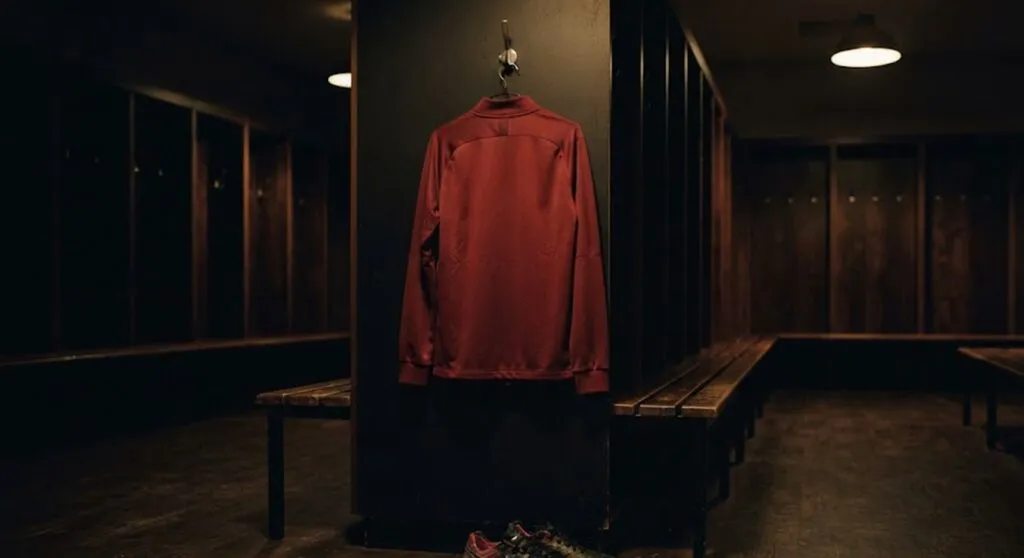
Two matches on the bench and Cristiano Ronaldo walked out of the national team camp. He promised an explanation later,...
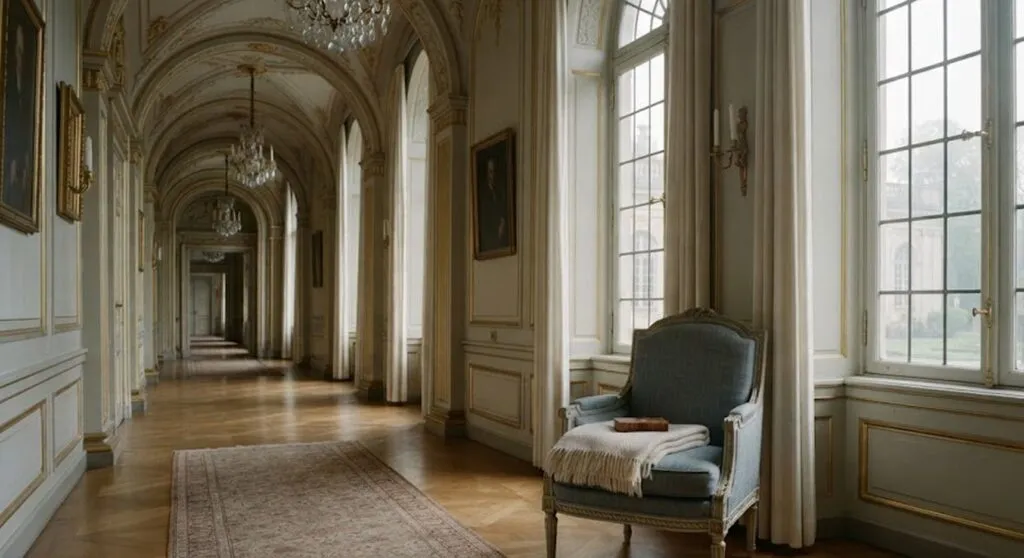
A Swedish transplant surgeon says her life will never be the same as before her illness. While the queen recovers,...

The small lump he felt in April led to a six-hour operation and two rounds of chemotherapy. He only saw...
Daily horoscope - 30.09.2026

The baby arrived around America's Labor Day, and the parents waited three weeks before sharing the first family photo. No...
Daily horoscope - 29.09.2026
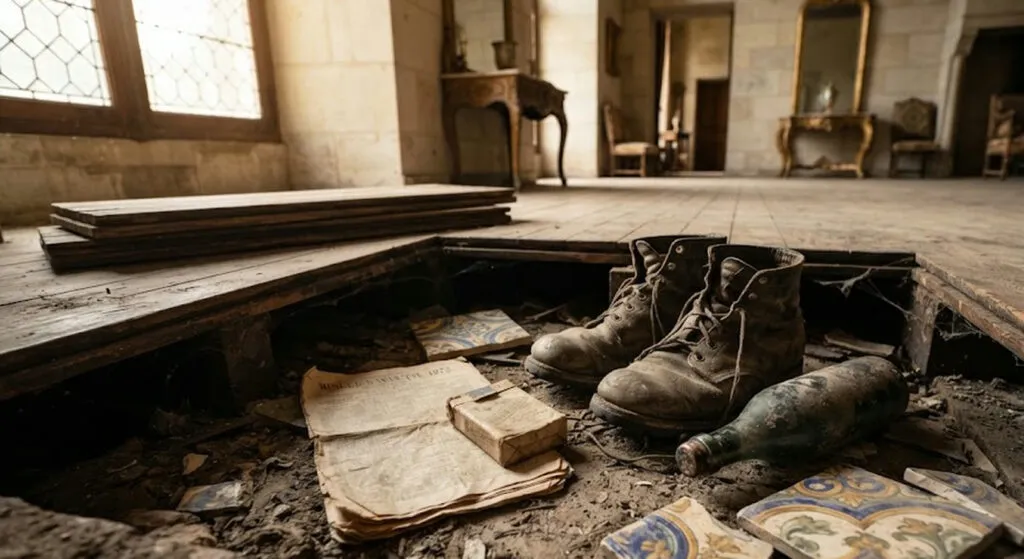
Ten years of renovation and 480 million euros - and the most interesting thing in the palace wasn't hanging on...

In an industry that worships twenty-somethings, Artist of the Year went to a woman born in 1958.
Daily horoscope - 28.09.2026
This site uses cookies - is that okay? Learn more
Be the first to know when Metla launches something new
Leave your email and we will write when there is a new guide or something new on Metla.