
New Investigation Into the Owner of "Pulse": Prosecutors Say He Bought the Licence With a Bribe
02.10.2026


02.10.2026

02.10.2026

02.10.2026

02.10.2026

02.10.2026
02.10.2026

02.10.2026

01.10.2026

30.09.2026

02.10.2026

02.10.2026

01.10.2026

02.10.2026

02.10.2026

02.10.2026

02.10.2026

01.10.2026

30.09.2026

02.10.2026

02.10.2026

02.10.2026

02.10.2026

01.10.2026

01.10.2026

09.03.2026

27.02.2026

19.02.2026

02.10.2026

01.10.2026

01.10.2026

23.04.2026

23.04.2026

12.04.2026

Eight months into the year, Macedonian industry is technically in the black - but only just. According to the State Statistical Office, industrial production in August was 1.9 percent lower than in August last year. That pulled cumulative growth for January-August down to 0.6 percent, from 0.9 percent after the first seven months.
The year doesn't look like a recovery. It looks like a zigzag. January brought a 6.6 percent drop, February another minus 4.2, April a 7.6 percent jump, May back in the red. After all those ups and downs, the line ends up almost flat.
Where it fell hardest
In August, mining and quarrying posted the deepest fall, down 10.1 percent. Manufacturing, by far the biggest slice of domestic production, was down 1.3 percent. Only electricity, gas, steam and air-conditioning supply was up, by a modest 0.8 percent.
The most worrying figure is in capital goods, down 8.9 percent. Production of machinery and equipment fell 9.6 percent, motor vehicles, trailers and semi-trailers 8.7 percent, and electrical equipment 6.9 percent. These are the sectors we associate with exports and the big foreign-owned factories. Only consumer goods grew: durables by 5 percent, non-durables by 7.
Fewer people on the factory floor
The same office published the other half of the picture. The number of industrial workers in August was 3 percent lower than a year earlier, and 2.8 percent lower over the eight months. Mining lost 8 percent of its workers, manufacturing 2.8 percent. Employment is falling in every major industrial group - even in non-durable consumer goods, where output rose 7 percent while the workforce shrank 4.4 percent.
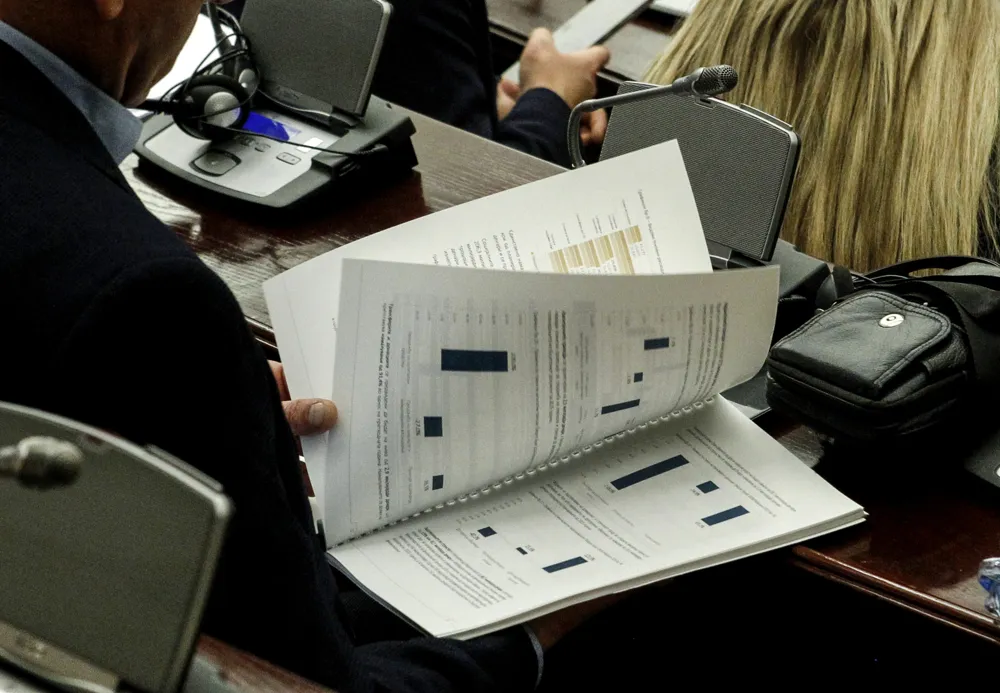
Growth of 0.6 percent with 3 percent fewer workers is not a number anyone calls a press conference for. If August's slump in machinery and car parts is an echo of weaker orders from Europe, the autumn will show whether it's a one-off or the start of a trend. Will anyone in the government come out and explain this table?
The latest 10 news from this category

Proposed changes to the Housing Law set a new deadline at the end of 2027 and a precise date for...

Of 349,334 pensioners, 98,318 receive the minimum pension - between 20,288 and 23,945 denars. Their pensions are still calculated off...

OpenAI says the three broke rules on confidential information. It comes two days after it emerged that leadership had ignored...
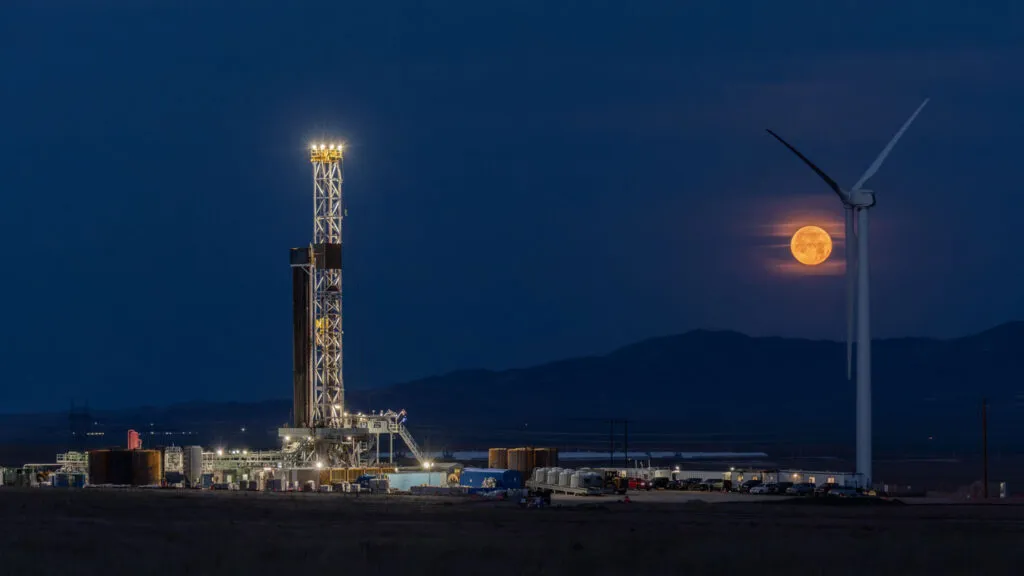
The first third of the plant is switched on, the target is 100 megawatts, and the site could reach 4...

Meta sold more than 7 million pairs of smart glasses last year alone, and the law meant to ban secret...
The budget was recut in July and another recut is already on the way. Fuel prices are being held down...
Visa and Mastercard handle almost two thirds of card payments in Europe. Five European systems are now laying their own...
Germany 3.3, France 3.4, Italy 4.1, Spain 4.9 percent. Energy is pushing prices up again and Frankfurt is deciding whether...

Google says it has the most powerful model, and the yardstick comes from a startup on whose index it ranks...

The prediction that electric cars would become cheaper than petrol ones finally has a clean comparison: BMW makes the same...
This site uses cookies - is that okay? Learn more
Be the first to know when Metla launches something new
Leave your email and we will write when there is a new guide or something new on Metla.