
New Investigation Into the Owner of "Pulse": Prosecutors Say He Bought the Licence With a Bribe
02.10.2026


02.10.2026

02.10.2026

02.10.2026
02.10.2026

02.10.2026
02.10.2026

02.10.2026

01.10.2026

30.09.2026

02.10.2026

02.10.2026

01.10.2026

02.10.2026

02.10.2026

02.10.2026

02.10.2026
01.10.2026
30.09.2026

02.10.2026

02.10.2026

02.10.2026

02.10.2026

01.10.2026

01.10.2026

09.03.2026

27.02.2026

19.02.2026

02.10.2026

01.10.2026

01.10.2026

23.04.2026

23.04.2026

12.04.2026

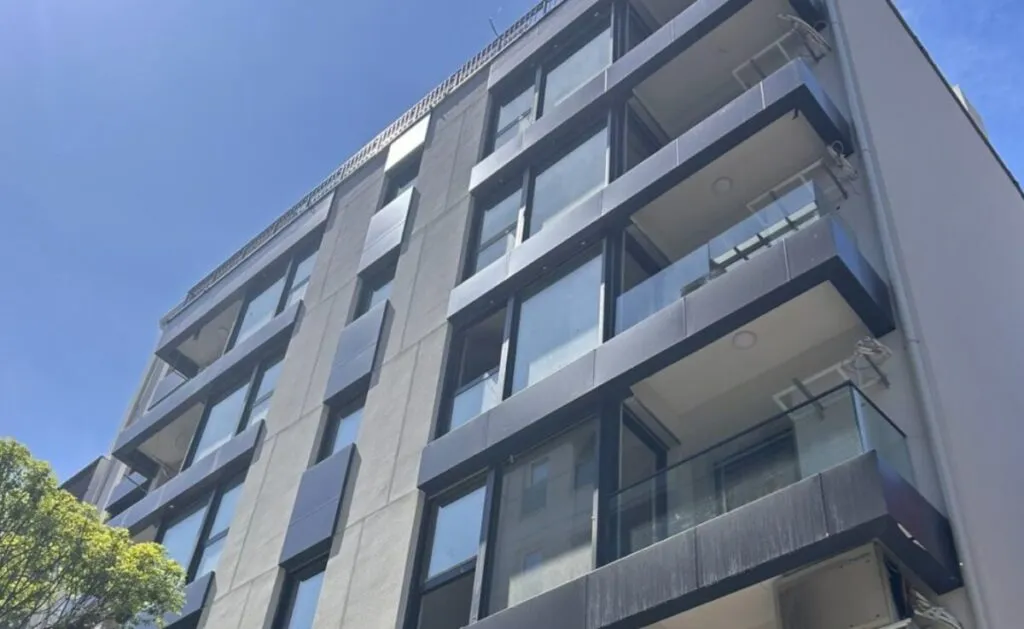
People who have lived for decades in state-owned flats may get one more chance to settle their status. Proposed amendments to the Housing Law open a new window, until 31 December 2027, to apply either to buy or to rent. They apply to occupants with a decision or contract signed before 16 May 1998, as well as to certain family members of deceased right-holders.
What's new is that everyone is split by income into four categories. And the first line is the harshest: people receiving social assistance or permanent financial aid have no right to buy. Only to rent - rent-free for as long as they keep that status. So the poorest will be able to stay in the flat, but never become its owners. At least not while they're poor.
The price of renting and buying
For households earning up to one and a half average net salaries, rent would be 25 or 35 denars per square metre. For those between one and a half and two and a half average salaries, 62 or 95 denars. Above two and a half average salaries, 190 denars per square metre. For a 60-square-metre flat, that's a range of 1,500 to 11,400 denars a month (roughly 25 to 185 euros).
Purchases could be paid off over up to 30 years, in a maximum of 360 monthly instalments, at a fixed annual interest rate of 4 percent. The down payment isn't the same for everyone: at least 5 percent of the flat's value for the lowest income category, 20 percent for the middle and 30 percent for the highest. There are conditions: citizenship, residence in the municipality, not using another state flat or business premises, and having occupied the flat since before 13 August 2009. Authorities will also check whether the household owns a flat, house, holiday home or business premises.
When the deadline expires
Anyone who doesn't apply by the end of 2027 gets an extra deadline until 31 March 2028. After that comes forced eviction. Eviction also follows if an application is rejected and no new one is filed within 30 days.
So how many people are actually affected? The state company that builds and manages residential and commercial property has no official figure for occupants of state flats who never settled their rights, nor for flats repossessed on that basis - explaining that their status keeps changing. Construction expert Nikola Velkovski warns that the flats must not become a resale business, and that many of them are in old buildings from the 1990s, some without a lift.
In other words, the state knows exactly when it will evict someone, but doesn't know how many people it might evict. Is this law being written for people, or for a spreadsheet nobody has filled in?
The latest 10 news from this category
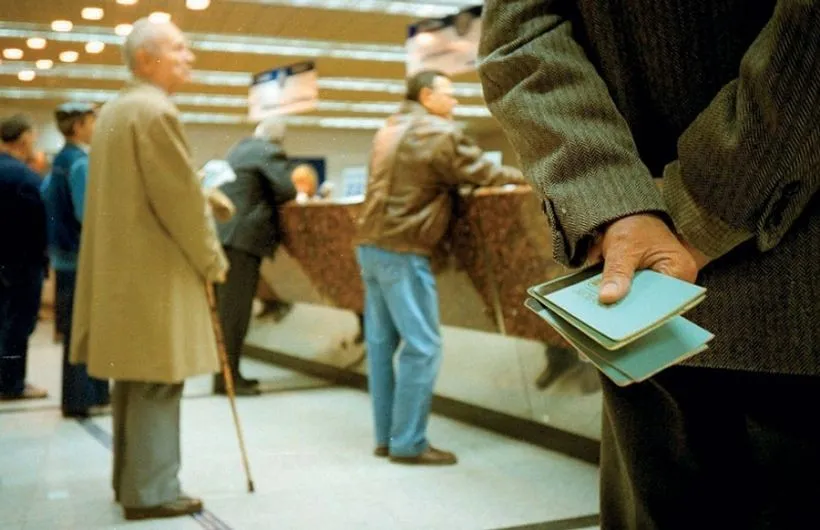
Of 349,334 pensioners, 98,318 receive the minimum pension - between 20,288 and 23,945 denars. Their pensions are still calculated off...
Eight months in, growth in industrial production has melted down to 0.6 percent. Machinery, car parts and electrical equipment are...

OpenAI says the three broke rules on confidential information. It comes two days after it emerged that leadership had ignored...
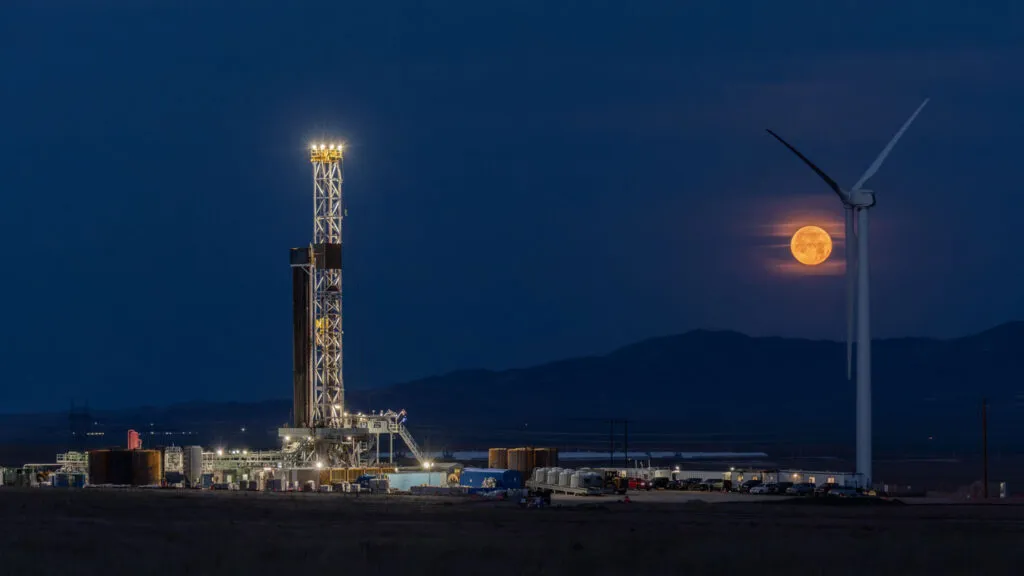
The first third of the plant is switched on, the target is 100 megawatts, and the site could reach 4...

Meta sold more than 7 million pairs of smart glasses last year alone, and the law meant to ban secret...
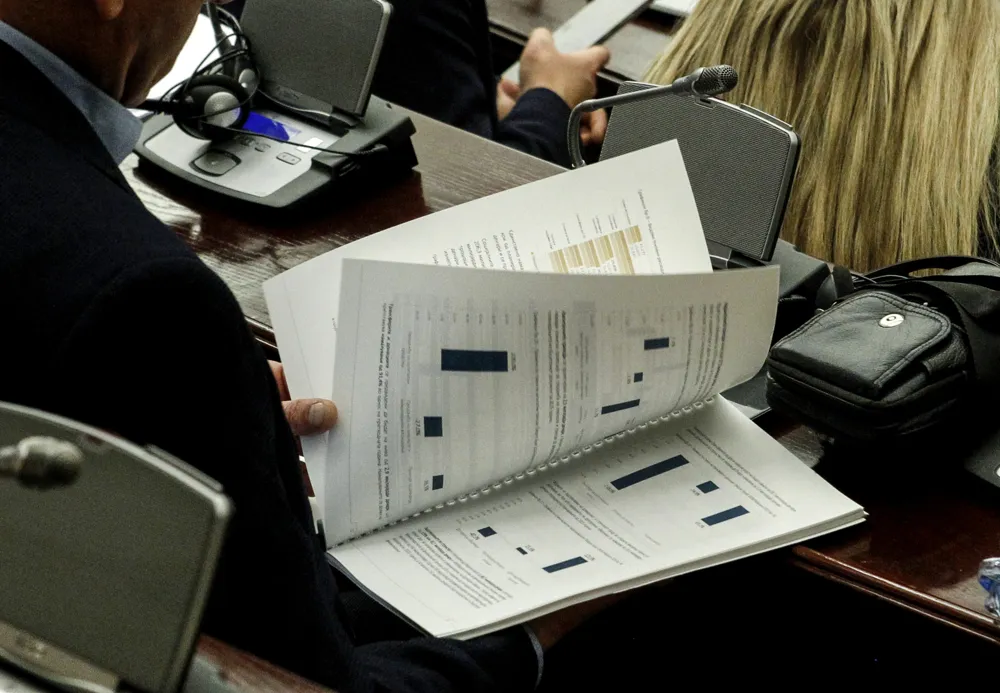
The budget was recut in July and another recut is already on the way. Fuel prices are being held down...
Visa and Mastercard handle almost two thirds of card payments in Europe. Five European systems are now laying their own...
Germany 3.3, France 3.4, Italy 4.1, Spain 4.9 percent. Energy is pushing prices up again and Frankfurt is deciding whether...

Google says it has the most powerful model, and the yardstick comes from a startup on whose index it ranks...

The prediction that electric cars would become cheaper than petrol ones finally has a clean comparison: BMW makes the same...
This site uses cookies - is that okay? Learn more
Be the first to know when Metla launches something new
Leave your email and we will write when there is a new guide or something new on Metla.