
The defence in the Puls case has called 244 witnesses, and the nightclub owner's detention runs out on Saturday
01.10.2026


01.10.2026

01.10.2026

01.10.2026
01.10.2026
01.10.2026
01.10.2026

01.10.2026

30.09.2026

29.09.2026

01.10.2026

01.10.2026
30.09.2026

01.10.2026

01.10.2026

01.10.2026

01.10.2026

30.09.2026

29.09.2026
01.10.2026

01.10.2026

01.10.2026

01.10.2026
01.10.2026

01.10.2026

09.03.2026

27.02.2026

19.02.2026

01.10.2026

01.10.2026
30.09.2026

23.04.2026

23.04.2026

12.04.2026


A colleague asks you to cover their weekend. A relative asks you to babysit. Your boss asks if you can do "just this one more thing". And before you have even thought about it, you say "yes". Not because you have the time, but because "no" sounds to you like an insult.
Therapist Catalina Hoffmann, creator of the Neurofitness method, describes the mechanism without sugar-coating: "When we say yes, we feel we are accommodating others, even though inside we know we are exhausted." We have been taught to link "yes" with being good, available, useful and needed. "No", on the other hand, we link with conflict, disappointment and the label "selfish". That is why we take on things we realistically cannot carry.
The problem, she says, is not just how you will find time for everything you promised. "That yes we give to others very often becomes a no to ourselves." At the root are so-called limiting beliefs - thoughts we accept as absolute truth without any evidence, and which hold back our growth.
Your worth isn't measured in favours
If you believe you are worth as much as you do for others, every boundary will bring you guilt. "We think: if I can help, I should help. But being able to do something doesn't mean we always have to," explains Hoffmann. The difference we need to learn is between helping because we want to and helping because we feel obliged - in order to feel worthy.
The signs that you are at the edge
The body reports in before the head admits it. According to the expert, the signals are greater irritability, tiredness, less patience, worse sleep and the feeling that every little thing takes enormous effort. Often you also lose interest in things you normally enjoy. But the clearest alarm is something else: "You have reached the limit when you start to feel that everything you do is an obligation and you have no space for yourself."
That is when, she says, you should stop and ask yourself: how much of what I do do I actually choose, and how much do I do because I think I have to? The answer is usually uncomfortable. That is exactly why it is useful.
How to say "no" without drama
Hoffmann offers a few thoughts to start with. A boundary does not mean you stop caring about others - it means you start caring about yourself too. "No" doesn't have to be cold or aggressive: "I can't right now", "I won't get to this" or "I'd rather not promise, because I won't be able to do it the way I'd like." And most importantly: you don't have to justify every boundary. The guilt will show up, especially at first, because you are doing something you are not used to. "But feeling guilty doesn't mean you are doing something wrong. Sometimes it just means you are learning to make yourself a priority," she says.
The trick: don't answer straight away
The simplest advice is also the most powerful. Instead of an automatic "yes", the line is: "Let me think about it and I'll get back to you." A small phrase that opens up space to hear yourself before you commit. In that space, Hoffmann suggests three questions: Do I have the time? Do I have the energy? Do I really want to do this? If the answer to any of them is "no", the automatic "yes" should probably become a boundary.
How many times have we said "yes" to a relative or a friend just so they wouldn't be offended? Maybe that is exactly why we need this advice. Nobody will look after you as well as you can yourself - and from that place, from your own health and peace of mind, everything else is built.
The latest 10 news from this category

One hour at 200 degrees and the autumn dessert is done. The secret is in choosing the apple - and...
Getting up from a chair on your own five or six times in a row sounds trivial - until you...
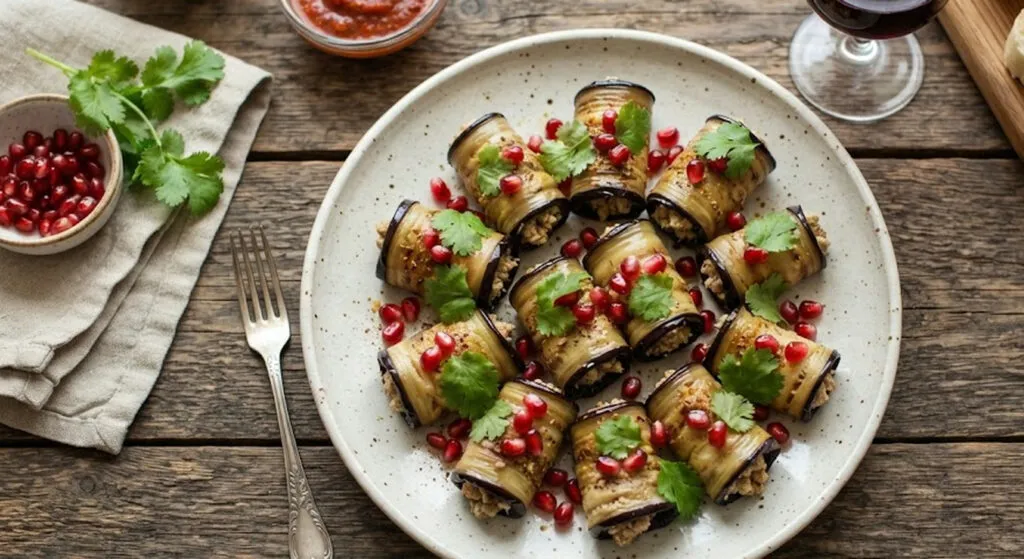
Aubergine, walnuts, garlic and coriander - ingredients autumn brings to every market. The Georgians turn them into one of their...

When you worry, you're actually practising - you're just practising the worst-case scenario. The same mechanism can be turned in...
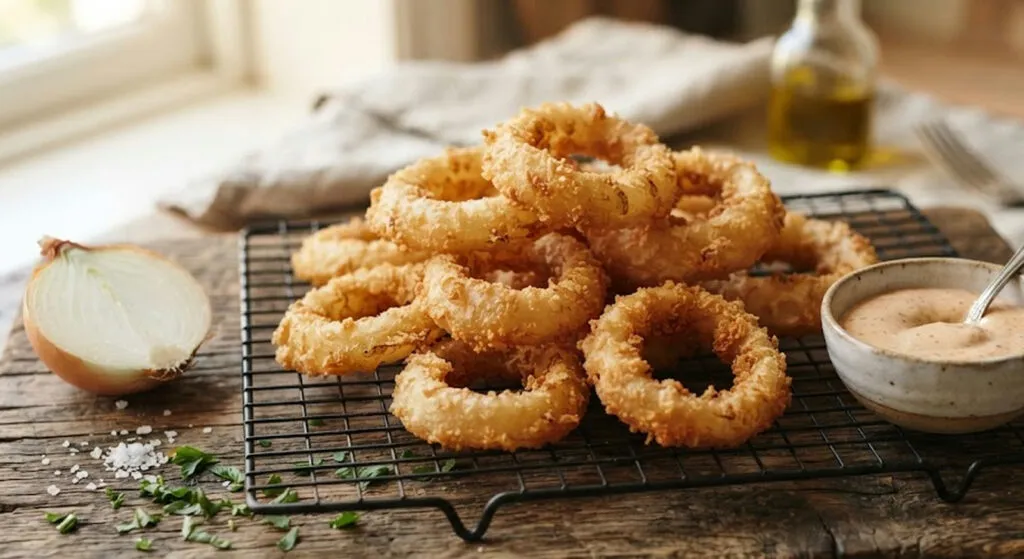
The cheapest bar snack there is gets ruined by one mistake - an overcrowded pan. Ice-cold sparkling water, cornflour and...
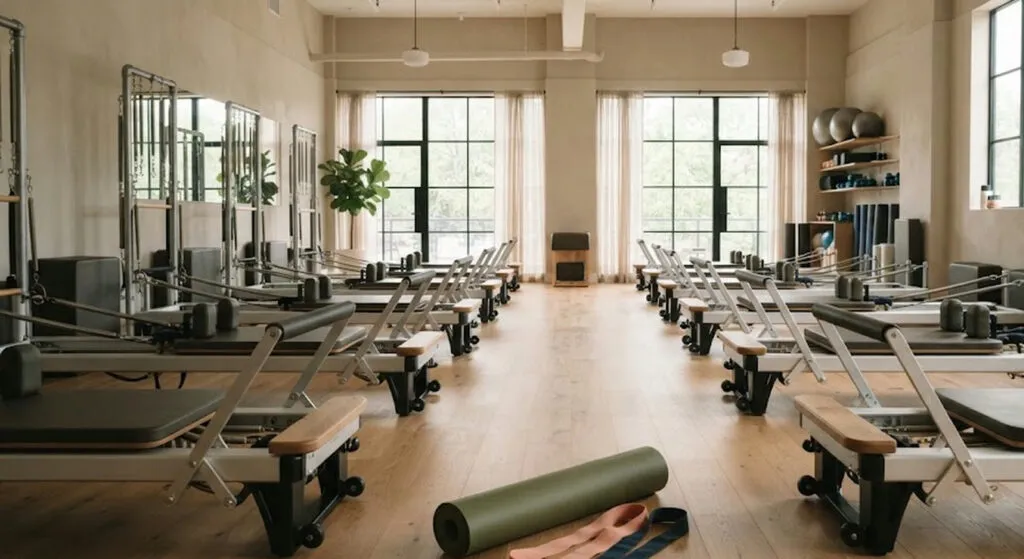
Pilates stopped being slow stretching in the corner of the gym long ago. The new versions use springs and machines...
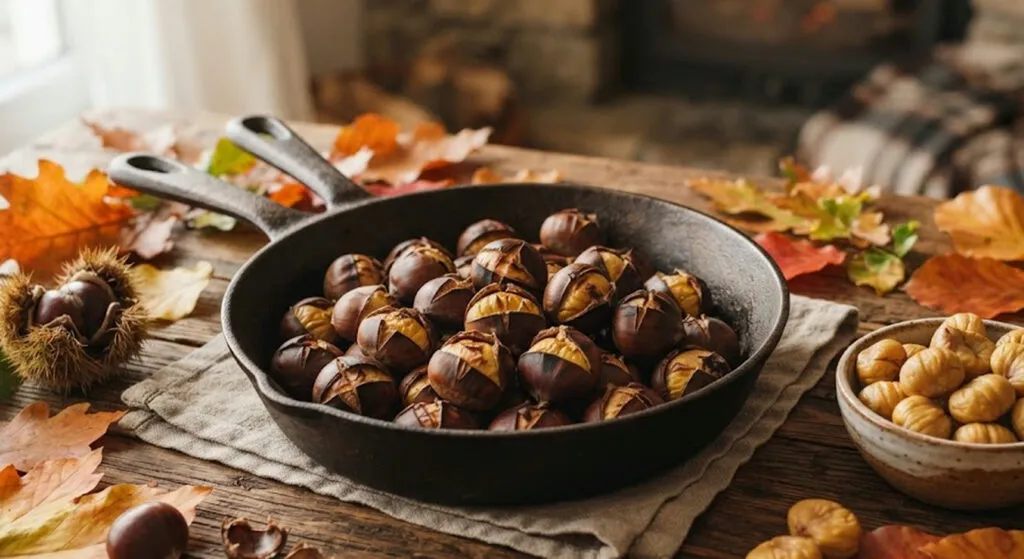
Here, a chestnut usually means a paper bag from a street vendor. But it can go into porridge, salads, cream...
A message, a video, an order - and the brain gets its reward without lifting a finger. Spanish psychiatrist Marian...
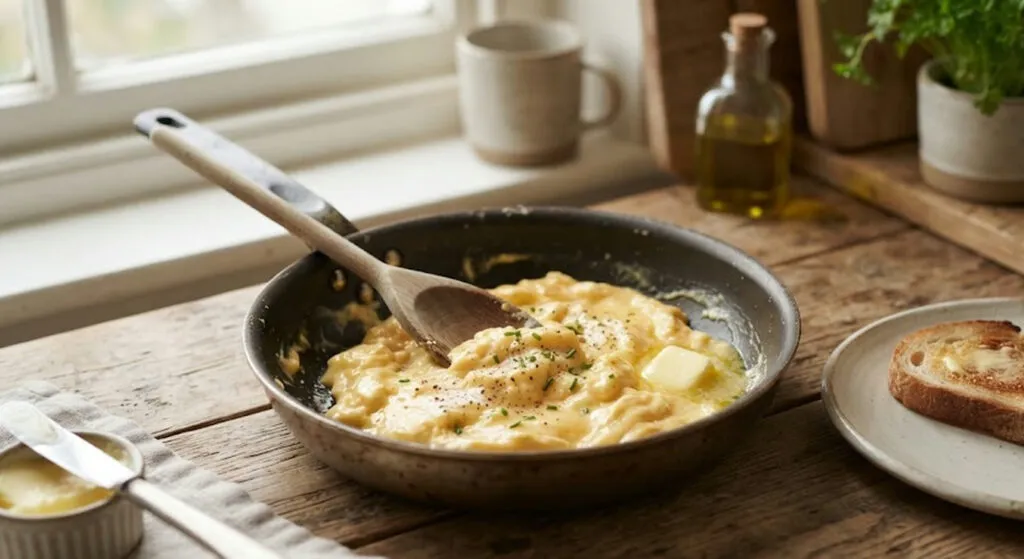
Everyone knows how to scramble eggs - or so we think. The difference between creamy, glossy eggs and a dry,...
Worse sleep, constant fatigue and a late period can mean your body has nothing left to recover with. A nutritionist...
This site uses cookies - is that okay? Learn more
Be the first to know when Metla launches something new
Leave your email and we will write when there is a new guide or something new on Metla.