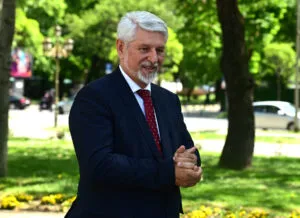
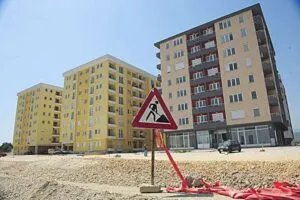
A New Criminal Complaint Against Jakimovski: A Building Permit Based on a Plan Struck Down Back in 2018
16.09.2026


16.09.2026
16.09.2026
16.09.2026
16.09.2026
16.09.2026
16.09.2026
16.09.2026
15.09.2026

14.09.2026
16.09.2026

16.09.2026

15.09.2026

16.09.2026
15.09.2026

14.09.2026

16.09.2026

16.09.2026

16.09.2026

16.09.2026

15.09.2026
15.09.2026

09.03.2026

27.02.2026

19.02.2026

16.09.2026

15.09.2026
14.09.2026

23.04.2026

23.04.2026

12.04.2026

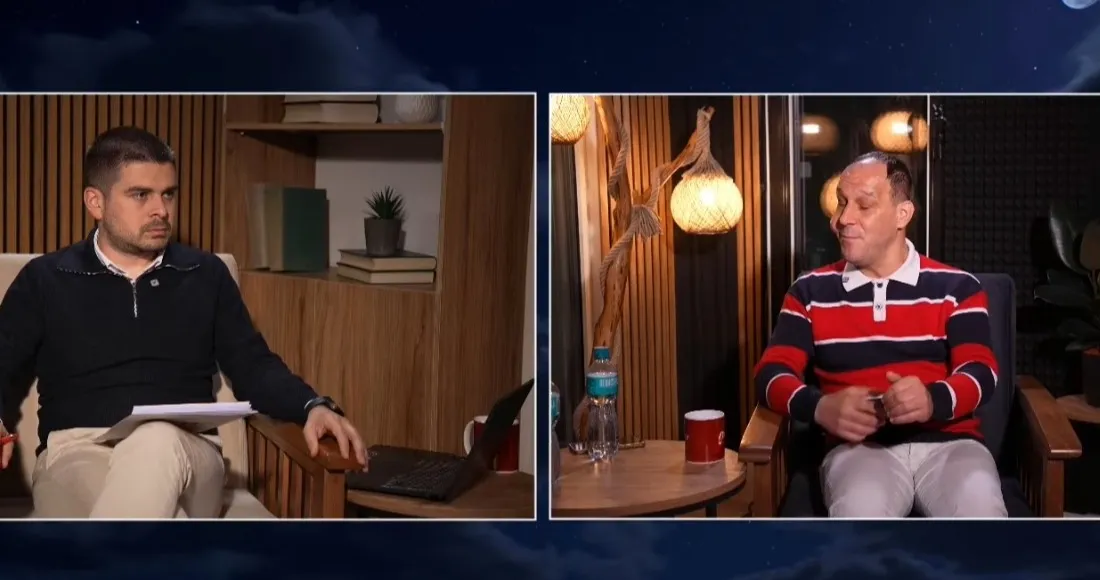
Alisha Kalemčevska, a representative of the „Menuvame" coalition and a disability-rights activist, has put forward a simple but fundamental demand: that people with disabilities have a constitutionally guaranteed status. Not as an addendum to an existing law, not as a resolution, not as a political statement. As a constitutional guarantee. Why? Because on 3 May 2026, that is still not the case.
„Our rights must not depend on someone's goodwill", Alisha says. A sentence that looks emotional on the surface, but is actually a legal-political point. The Macedonian Constitution has a number of provisions - a ban on discrimination, the right to education, the right to healthcare. But there is no specific article recognising people with disabilities as a protected category. And that means every improvement, every right, every solution depends on the current government, its goodwill and its priorities.
The Balkans know this dilemma well. When a category of citizens isn't explicitly written into the Constitution, its rights tend to be respected in periods of normal politics - and routinely cut in periods of crisis. Economic crisis, war, pandemic, political crisis. People with disabilities in Macedonia have lived through this repeatedly. The money for assistants is the first to be cut. The priority lists for healthcare are the first to be reshuffled. The accessibility of public transport - a problem never solved.
They are asking for constitutional recognition for a simple reason. A constitution can't be changed by a night-time bylaw. It can't be rewritten by a single minister's decision. It requires a parliamentary process, a two-thirds majority, and usually - public debate. Which means if rights are written into the Constitution, every future government has to actively dismantle them, which is politically hard. Right now, when rights live only in laws and bylaws, every government tweaks them quietly.
For the MPs formally receiving Alisha's demand these days, the question is simple. Do they intend to launch the constitutional process? Or will this petition end up like many others - formally received, figuratively archived. Every parliamentary session ends with a dozen such cases. Petitions that aren't rejected, but aren't accepted either. They simply disappear inside the procedure.
Alisha isn't alone. Macedonia has over 100,000 people with some form of disability. With families, that's close to 400,000 citizens - a large share for a country of 1.8 million. When 22% of the population depends on decisions that have no constitutional guarantee, that isn't just a legal problem. It's a democratic deficit. And until that changes, every „inclusive society" celebration in Skopje remains a slogan, not a reality.
The latest 10 news from this category

The World Bank dropped out over misalignment with EU requirements. Construction will take two and a half years, and the...
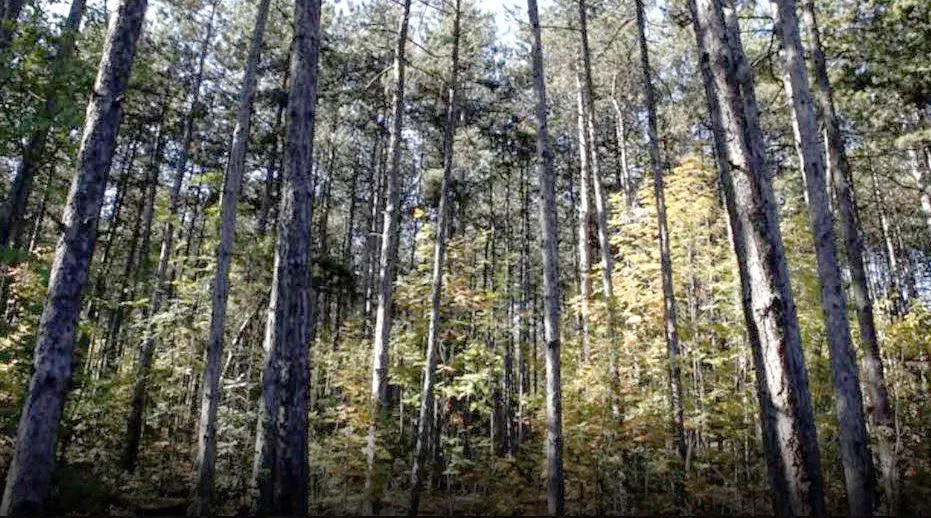
Of 9,500 square metres of greenery, 268 remain. Terrain with an 80-metre height difference, no erosion study and no opinion...
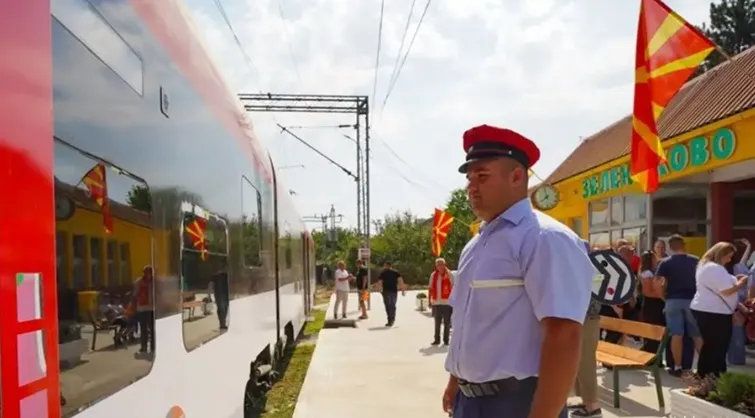
Gjorgjievski says the system should be ready by the middle of next year. The BRT tender is announced for the...
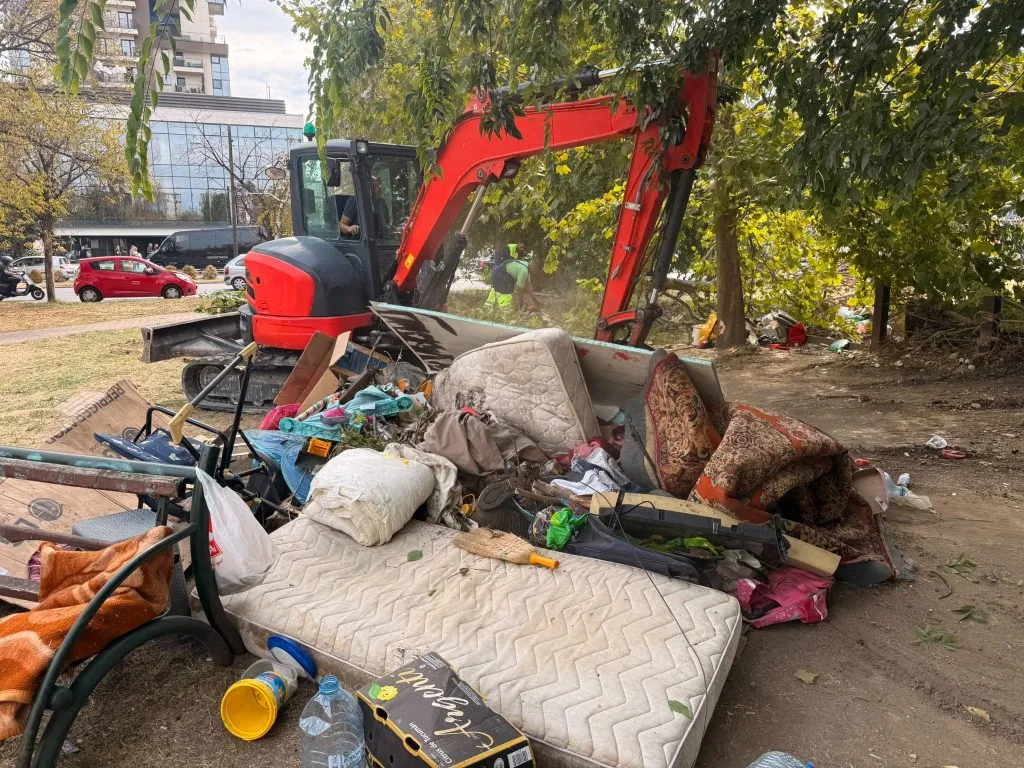
The second operation at the same site within a year. Gerasimovski himself is appealing to the Labour Ministry - because...
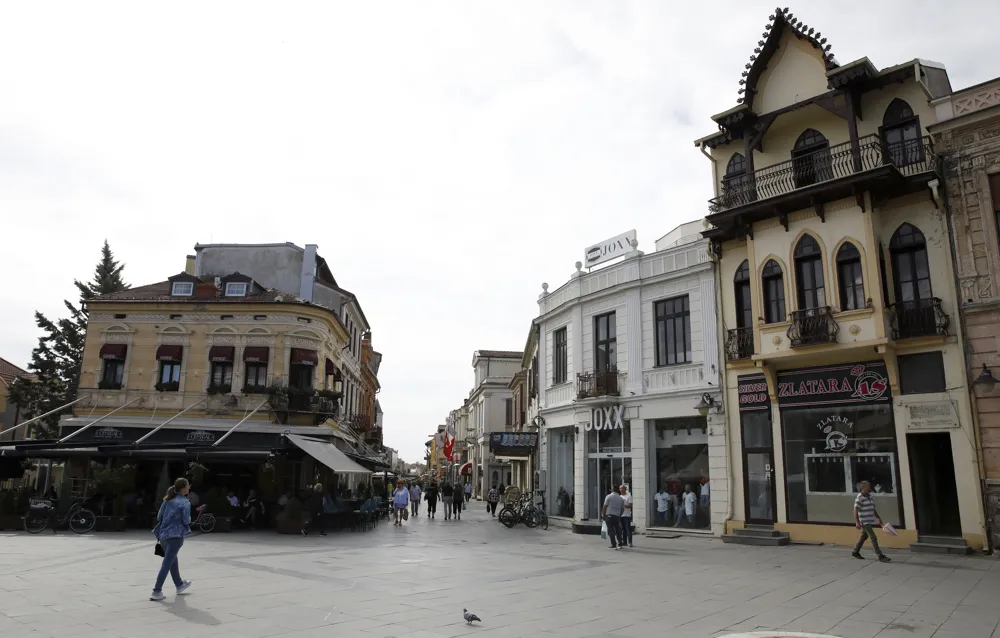
A prosumer scheme, a solar oven and electricity generated by bicycle on Magnolija square. The city that has paid the...
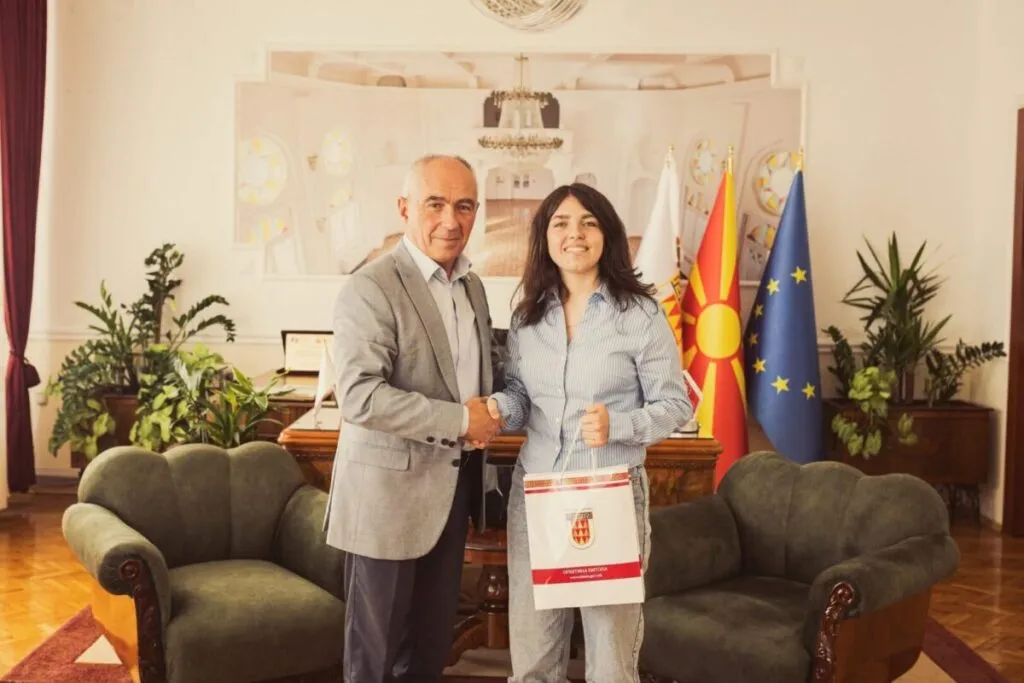
Stefanija Dimovska won two medals at IESO 2026, working in mixed international teams. Before that she was also national champion...
Out of nearly 4.7 million denars, the municipality is putting in around 180,000. The rest comes through the Bureau for...
Ten years working inside the health system - and she still had to pull strings to be admitted. The clinic...
Appeals run from 15 to 25 September. There is not enough space at Goce Delčev, so students go to Stiv...
From 23:00 to 05:00 there is no getting through towards Evzoni. Towards Halkidiki - business as usual. Those heading on...
This site uses cookies - is that okay? Learn more
Be the first to know when Metla launches something new
Leave your email and we will write when there is a new guide or something new on Metla.