A New Criminal Complaint Against Jakimovski: A Building Permit Based on a Plan Struck Down Back in 2018
16.09.2026


16.09.2026
16.09.2026

16.09.2026
16.09.2026
16.09.2026

16.09.2026
16.09.2026
15.09.2026

14.09.2026
16.09.2026

16.09.2026

15.09.2026

16.09.2026

15.09.2026
14.09.2026

16.09.2026

16.09.2026

16.09.2026

16.09.2026

15.09.2026
15.09.2026

09.03.2026

27.02.2026

19.02.2026
16.09.2026

15.09.2026
14.09.2026

23.04.2026

23.04.2026

12.04.2026

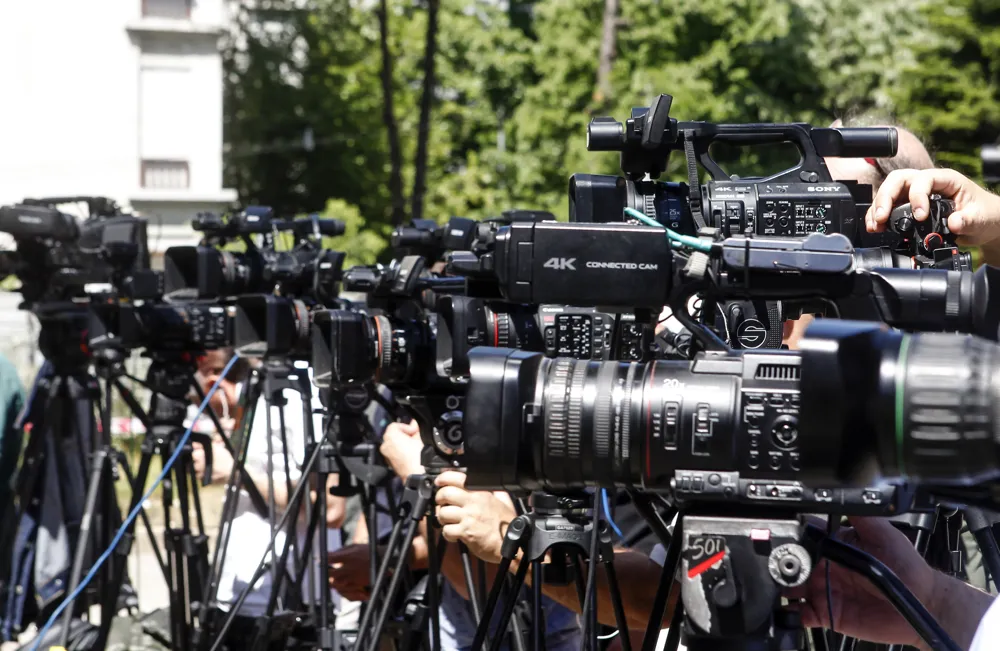
The third of May, World Press Freedom Day. And as is the Balkan tradition, another day to take stock of what we have - not what we don't. Macedonia is sliding down the global press-freedom rankings for a second year in a row. It isn't a catastrophic fall. It isn't a declared collapse. Just a steady slide down a ladder where the democracies in front of us are shrinking and the hybrid regimes behind us are growing.
The world isn't helping. According to Reporters Without Borders, 2025 was the deadliest year for journalists in the last 25 years. The global picture is at its lowest level since the index began. That means Macedonia isn't falling in a vacuum - it's falling in a world where everyone is falling. Is that any consolation? No. It's a signal that the rules of the game are changing, and we can't even hold our spot in the middle.
Press freedom isn't a ceremonial date. It's a daily test of democracy. When the regime sues journalists for libel - test. When private companies through their marketing budgets decide which newsrooms survive - test. When portals are threatened with shutdown via a taxed-access route - test. And every test we don't fail isn't a win. It's just a delay until the next one.
For Macedonia, the concrete drop means something concrete. In the 2017-2020 period, under Aleksej and Mickoski, the index was on an upward trend. Under the last two governments - and this matters, not one government but two different governments - the trend has been downward. That means the problem isn't partisan. It means it's systemic. Institutions, legislation, the media market, advertising dependency - all of these cut across party lines.
What are we saying when on 3 May we set up podiums, and on 4 May we go back to the same practices? We're saying the date matters more than the state of things. That's the biggest criticism of this day - not that it exists, but how it gets marked. A sentence from the prime minister, one from the transport minister, a handful of media speeches. And everything carries on as before. Balkan amnesia continues every year.
The question worth asking ourselves on 4 May, when these speeches end, is: what will actually change by next 3 May? Without an answer, this day is just ritual. With an answer - it can be the start of real work. And that is the difference between democracies that function and those that sink, one rung of the ladder every year.
The latest 10 news from this category

The World Bank dropped out over misalignment with EU requirements. Construction will take two and a half years, and the...
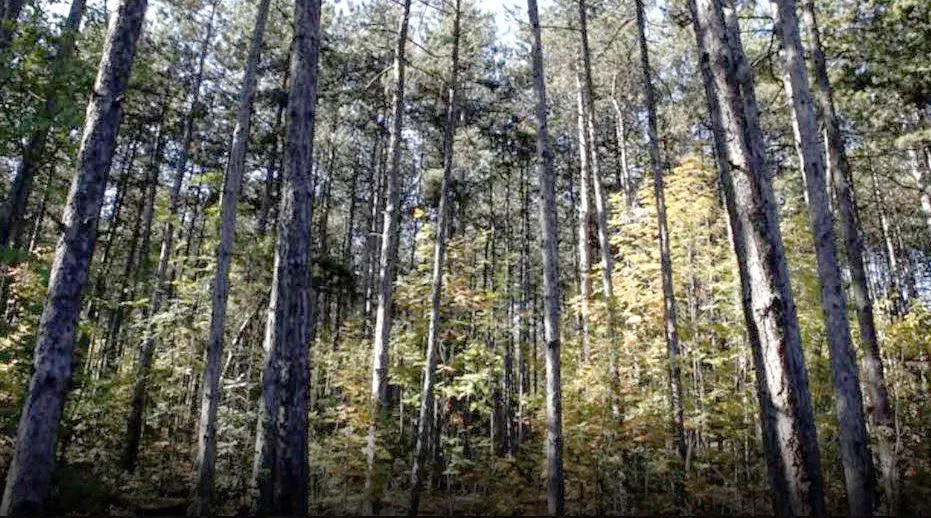
Of 9,500 square metres of greenery, 268 remain. Terrain with an 80-metre height difference, no erosion study and no opinion...
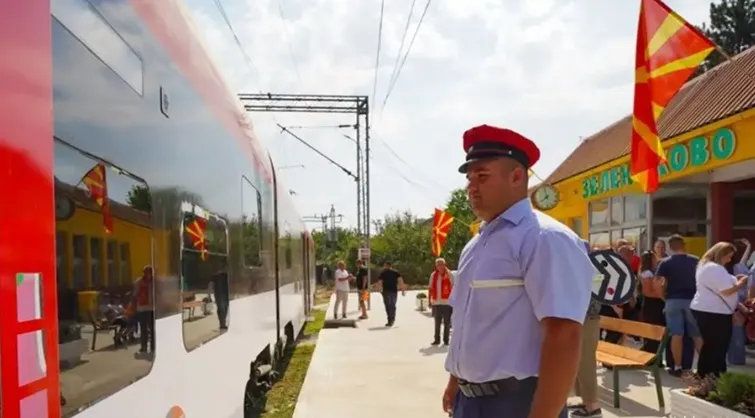
Gjorgjievski says the system should be ready by the middle of next year. The BRT tender is announced for the...
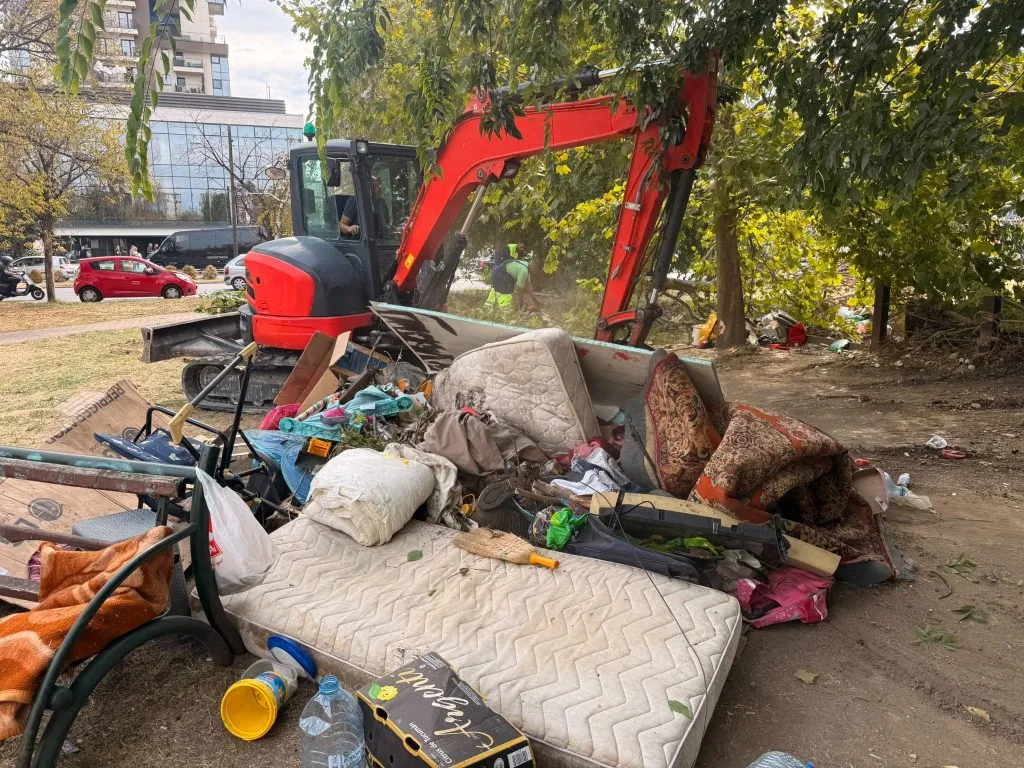
The second operation at the same site within a year. Gerasimovski himself is appealing to the Labour Ministry - because...
A prosumer scheme, a solar oven and electricity generated by bicycle on Magnolija square. The city that has paid the...
Stefanija Dimovska won two medals at IESO 2026, working in mixed international teams. Before that she was also national champion...
Out of nearly 4.7 million denars, the municipality is putting in around 180,000. The rest comes through the Bureau for...
Ten years working inside the health system - and she still had to pull strings to be admitted. The clinic...
Appeals run from 15 to 25 September. There is not enough space at Goce Delčev, so students go to Stiv...
From 23:00 to 05:00 there is no getting through towards Evzoni. Towards Halkidiki - business as usual. Those heading on...
This site uses cookies - is that okay? Learn more
Be the first to know when Metla launches something new
Leave your email and we will write when there is a new guide or something new on Metla.