
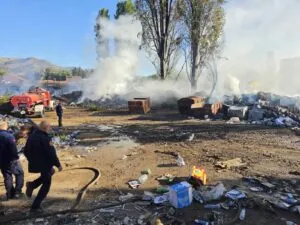
Fire by the railway in Prilep: residents watched black smoke over textile waste, "Komunalec" says - a small part, no danger
04.10.2026


04.10.2026
04.10.2026

04.10.2026

04.10.2026

04.10.2026
04.10.2026
04.10.2026

04.10.2026
04.10.2026

04.10.2026

04.10.2026

03.10.2026

04.10.2026

04.10.2026

04.10.2026

04.10.2026

03.10.2026

02.10.2026

04.10.2026

04.10.2026

04.10.2026
04.10.2026

04.10.2026
03.10.2026

09.03.2026

27.02.2026

19.02.2026
04.10.2026

04.10.2026

03.10.2026
04.10.2026

02.10.2026
22.08.2026

23.04.2026

23.04.2026

12.04.2026


A husband who ambushes his wife at her workplace. A son who attacks his mother. An ex-partner sending threats over social media while divorce proceedings run their course. This is not a list from an annual report - this is one working day in the police bulletins.
In Gostivar, a 46-year-old man was reported for physically assaulting his wife at the very place where she works. In Skopje, a 60-year-old woman reported that she had been attacked by her own son. In a village near Tetovo, a woman is being stalked and receiving threatening messages from the husband she is divorcing. On top of that, arrests for breaching restraining orders already handed down.
The case from Dračevo that says everything
The most telling case is one that looks at first glance like a muddle. At four in the morning, a 35-year-old woman reported that the previous evening, around nine, at their home in Dračevo, her 33-year-old husband had physically assaulted her. Half an hour later, at half past four, he called the police to report that she had threatened him and that she had attacked him.
Police say that once the case is fully documented, the appropriate charges will follow. That is the wording repeated underneath every report of this kind, month after month.
The measures exist on paper
Some of the arrests are not for a fresh assault - they are for breaching a restraining order that had already been issued. So the system did react once, the court did say what must not happen, and the man showed up at the door anyway.
That is exactly where the whole story about protection falls apart. An order is not a wall. It is a piece of paper worth precisely as much as the enforcement standing behind it - and enforcement here evidently comes down to the victim calling the police again.
What "24 hours" actually means
These cases were collected in a single police summary covering one day and night. Not a campaign, not an operation, not a special awareness week. This is the normal flow - and that is precisely why it is harder to read than any campaign.
The question is not whether the police file reports. They do. The question is why the pattern is identical every month, why orders are breached without any consequence the victim experiences as protection, and who in the system is counting the repetition at all, rather than just the individual cases?
The latest 10 news from this category
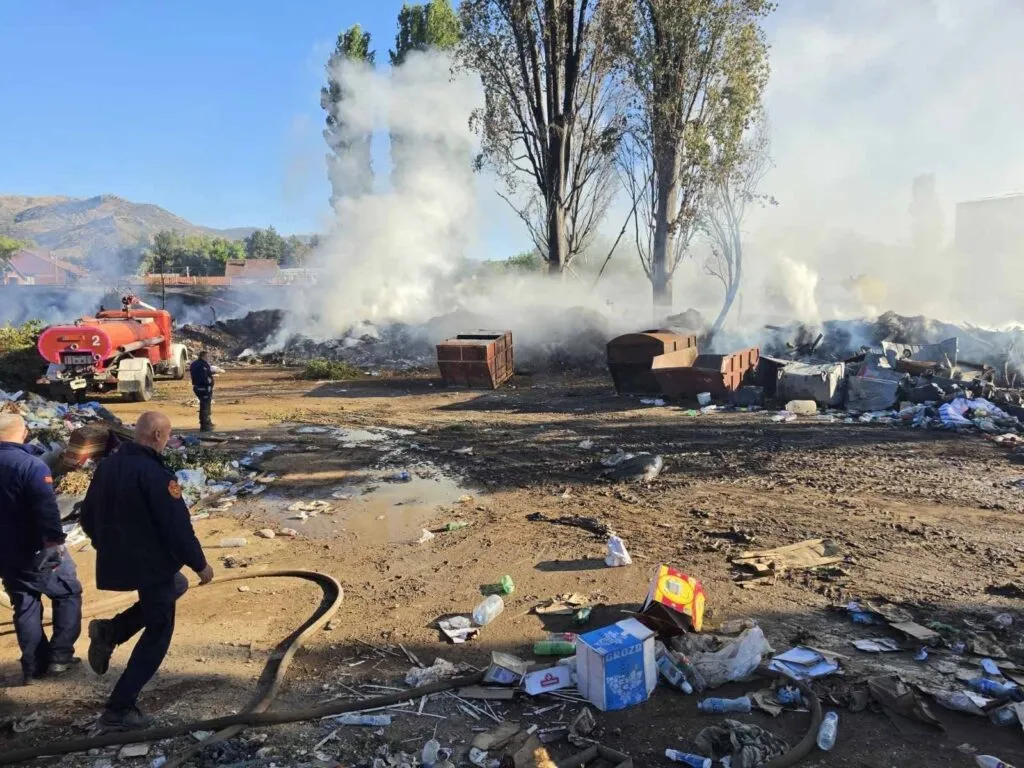
On one side, thick, choking smoke visible even from the road to Bitola. On the other - a statement that...
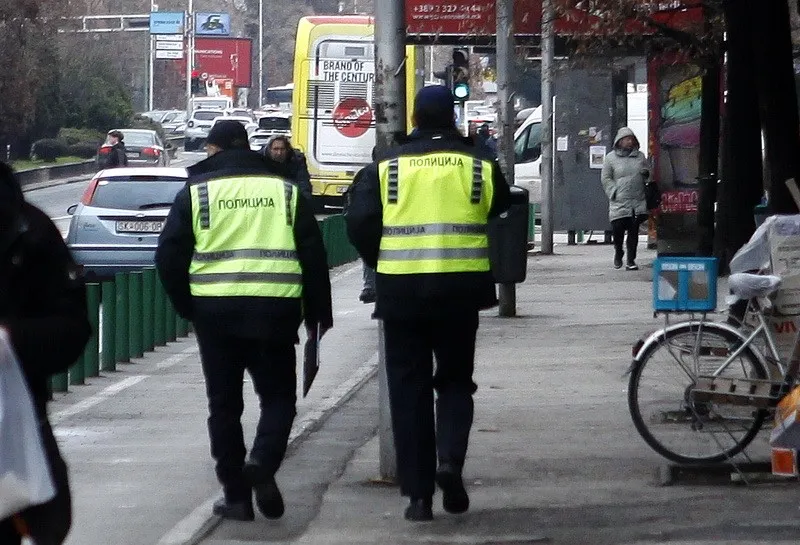
A fifteen-year-old robbed under threat of a sharp object, three primary school pupils attacked on a day trip, a seventeen-year-old...

Unresolved property relations over a village road, a sharp object and traces of blood. The 75-year-old suspect has been detained.
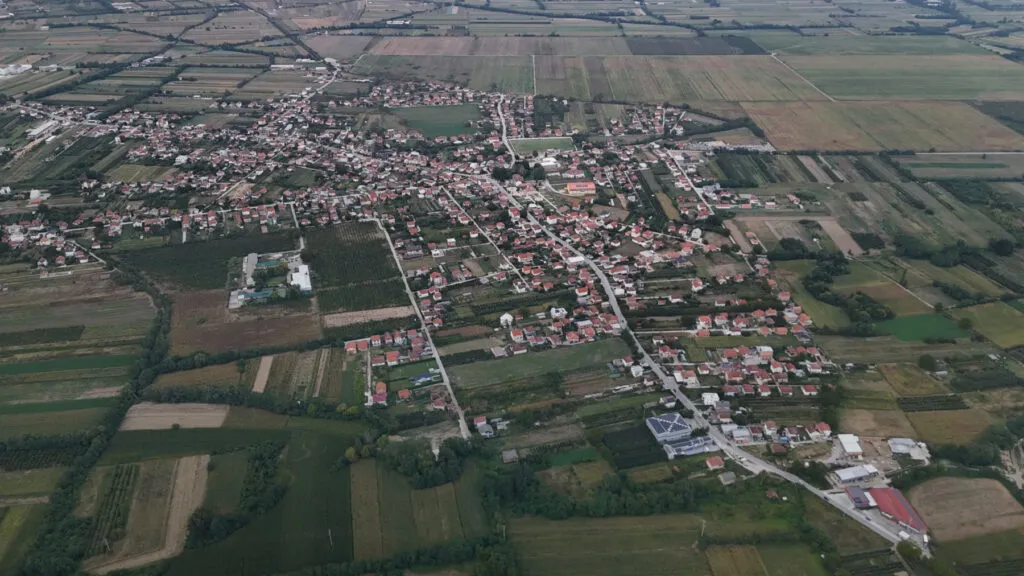
Extending the old road, water for Gurgurnica, young people who shouldn't leave and municipal companies. One candidate didn't respond to...

Minister Velkovski opened the centre and spoke of a society in which everyone has an equal chance. Capacity is 12...
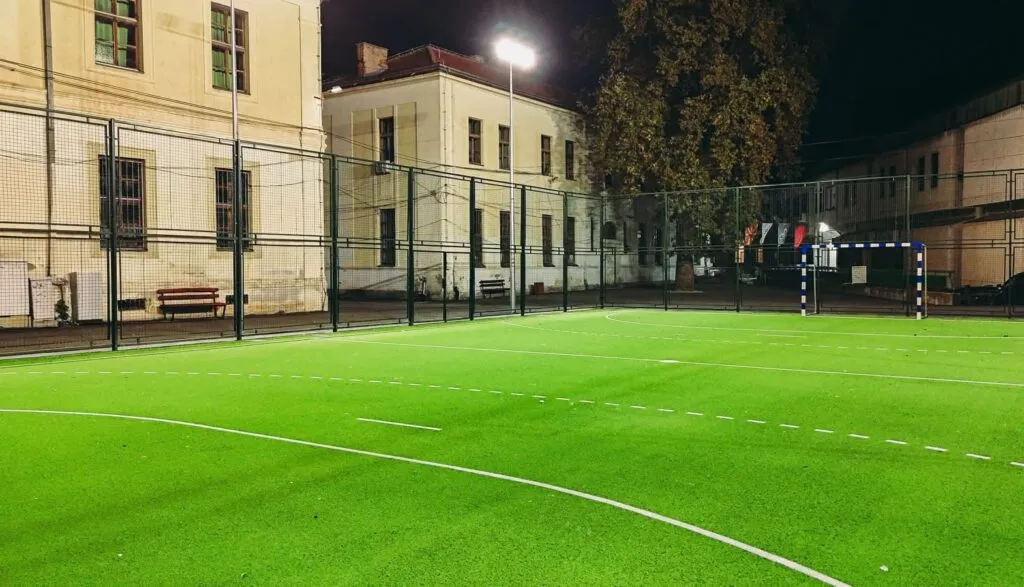
Futsal, handball and basketball, a fence and lighting. The money comes from a government call, and the real test comes...

The constitutional changes stay on the table, and Skopje has requested a bilateral meeting with Bulgaria. So far there is...

As Greece handed Bulgaria the remains identified as Samuel's, the prime minister answered with history. His dates didn't add up.

Just to preserve the purchasing power of the 140 denars, food prices say it should be around 151. Instead, the...
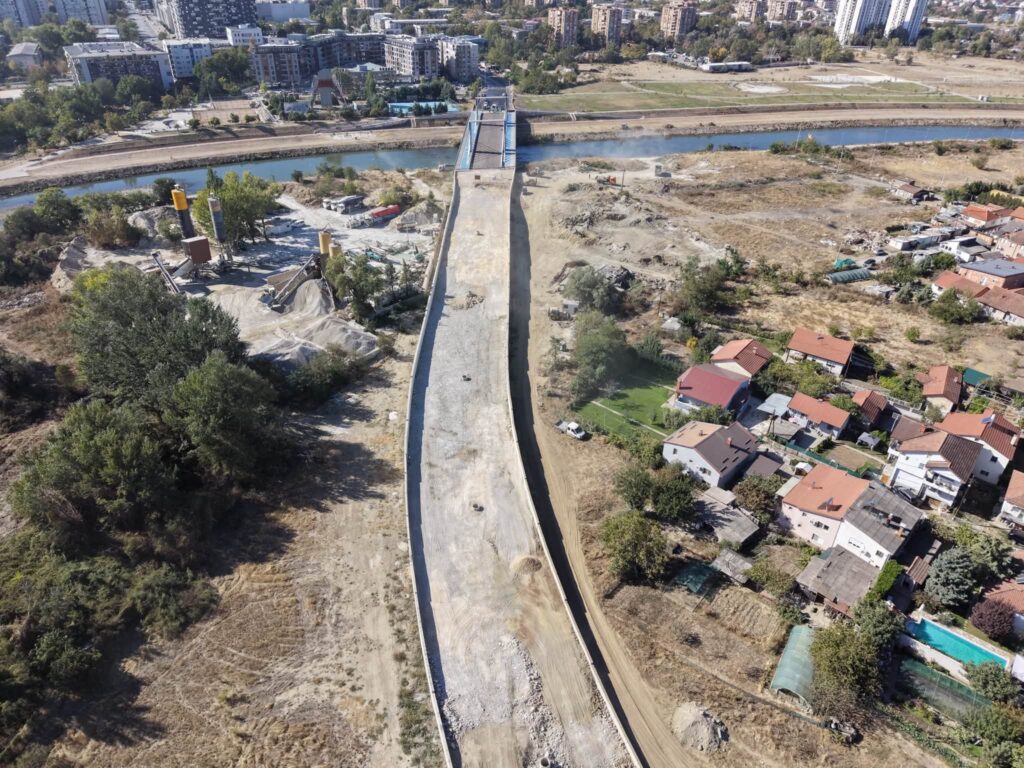
A new link to Zlokukjani, Bardovci and the Industrial Zone, four lanes and 40 street lights. Gjorgjievski pinned the blame...
This site uses cookies - is that okay? Learn more
Be the first to know when Metla launches something new
Leave your email and we will write when there is a new guide or something new on Metla.