Kitka Has Been Burning for Days, and the Emergency Agency Says Someone Relights It Every Single Day
27.08.2026


27.08.2026

27.08.2026

27.08.2026

27.08.2026

27.08.2026

27.08.2026

27.08.2026

26.08.2026
25.08.2026

27.08.2026

27.08.2026

26.08.2026

27.08.2026

26.08.2026

25.08.2026

27.08.2026

27.08.2026

27.08.2026

27.08.2026

26.08.2026
26.08.2026

09.03.2026

27.02.2026

19.02.2026

27.08.2026

26.08.2026

25.08.2026

23.04.2026

23.04.2026

12.04.2026
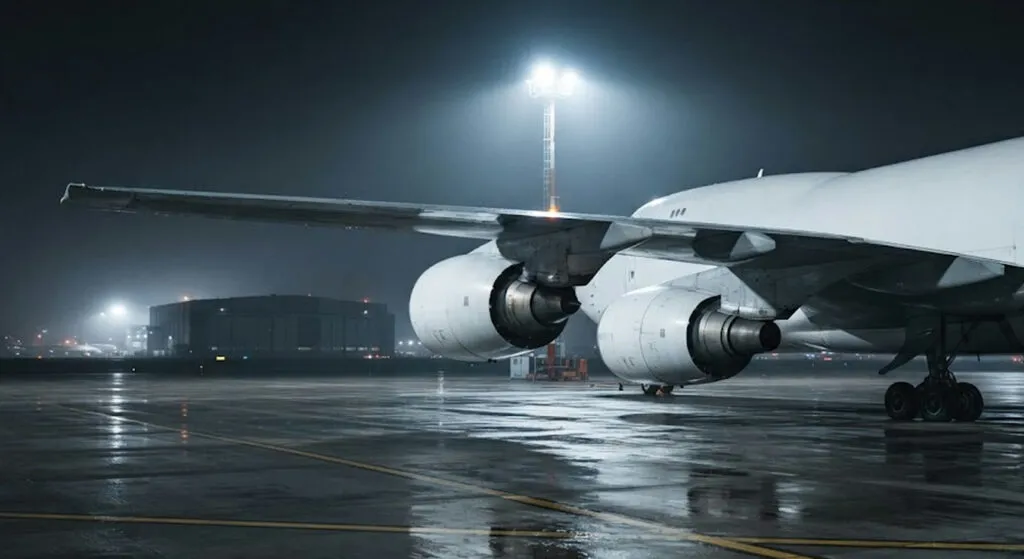
A drone carrying military explosive struck the wing of a Ukrainian cargo aircraft at Leipzig/Halle airport in Germany. The explosive did not detonate. That is the entire difference between an incident written about for one day and a catastrophe written about for years.
Security camera footage showed the drone really did hit the aircraft's wing. German MP Konstantin von Notz said what everyone was thinking: "This could have been a total catastrophe."
Not an isolated case, but a pattern
German authorities and Western intelligence analysts suspect Russia is behind the attack and that it forms part of a broader sabotage campaign across Europe aimed at deterring support for Ukraine. Similar incidents have been registered in Italy, Bulgaria and Estonia - including mysterious explosions at weapons manufacturing plants.
Bulgaria is on that list. That is a neighbour, not distant geography, and the ammunition plants there are part of the same European supply chain that somebody is systematically targeting.
When the opponent states the blame himself
Russian Foreign Minister Sergei Lavrov announced "considerably harsher methods" towards the West. Russian military analyst Alexander Stepanov openly attributed the attacks on European ammunition plants to his own side.
So the man who ought to be denying it is confirming it. And German Chancellor Friedrich Merz, who ought to be naming Russia, is not naming it. Merz acknowledged that the incident represents "a new level of danger", but initially avoided pointing directly at Russia as responsible.
That earned him criticism from security experts. Arndt Freytag von Loringhoven, former deputy head of German intelligence, put the problem precisely: an unclear message can encourage further Russian moves. Deterrence works only if the other side knows exactly what follows. An ambiguous statement from a chancellor deters nobody - it merely buys time for whoever is already testing the ground.
What this means for us
A drone that gets through security at a major European airport and reaches an aircraft is not a technological marvel - it is a hole in the protection system that most airports on the continent share. If Leipzig could not stop it, the question that remains is whether anyone has even run the same check at the smaller airports across the region.
And a second, less comfortable question: how long can one state absorb strikes from another state, register them as "incidents", and wait for a definition before reacting?
The latest 10 news from this category

Seismographs read it as an earthquake. It was not. One hundred and fifteen kilometres later, 80 bridges are gone, and...

Kyiv was reportedly asked to hold fire for a few hours so the American aircraft could pass. That is not...

The CIA director landed in Moscow on a military aircraft with the message that the Baltics are a red line....

Decree 604 gives the Russian state the right to take temporary control of factories and energy facilities if the owner...

The 89-year-old king has been in hospital for ten days, the regency has passed to Haakon, and Norwegians are writing...
Reactors worth tens of billions of dollars, but the signature is being demanded somewhere else entirely. When energy becomes the...

The Secret Service confirmed it is aware of the footage. When the target is not the politician but his family,...
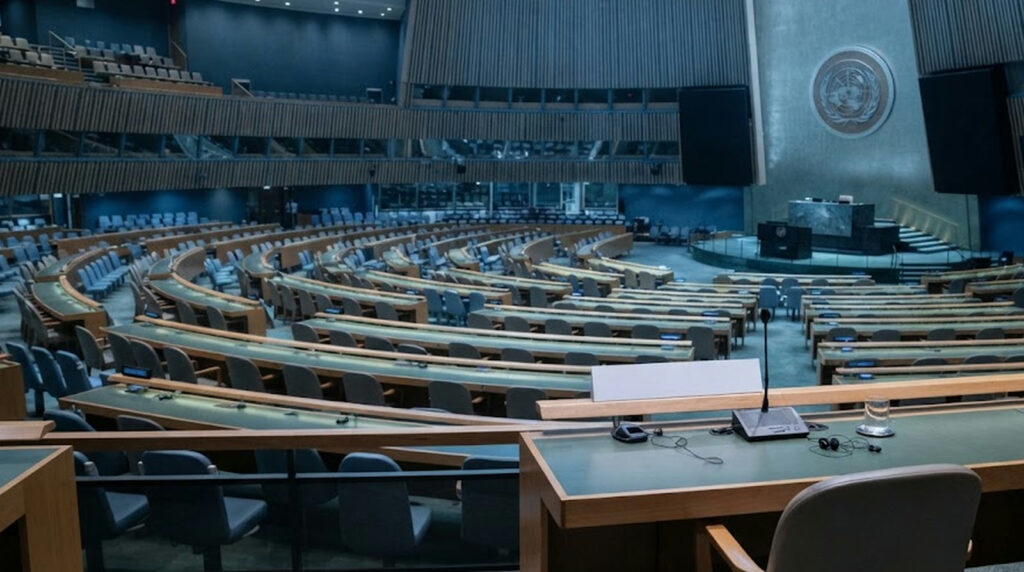
Around fifty states signed the UN statement on Ukraine. Washington put forward its own, different one. The claim of a...
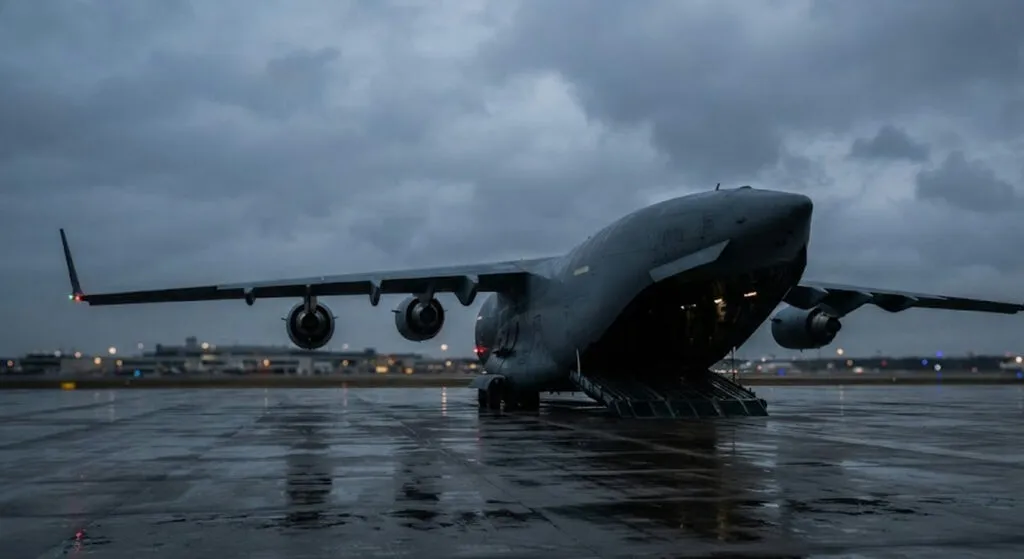
An American C-17 military aircraft landed in Moscow via Riga. When intelligence services start talking directly, it means diplomacy has...
For the first time since the Second World War a far-right party is set to take over a German state....
This site uses cookies - is that okay? Learn more
Be the first to know when Metla launches something new
Leave your email and we will write when there is a new guide or something new on Metla.