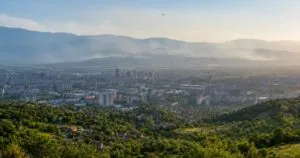
Skopje Breathed Smoke From Two Mountains: 21 Fires in One Day, and Vodno Was Clean
25.08.2026


25.08.2026
24.08.2026
23.08.2026

25.08.2026

25.08.2026
24.08.2026

25.08.2026

25.08.2026

25.08.2026

25.08.2026

24.08.2026
23.08.2026

25.08.2026

25.08.2026

25.08.2026

25.08.2026

25.08.2026

25.08.2026

09.03.2026

27.02.2026

19.02.2026

23.04.2026

23.04.2026

12.04.2026
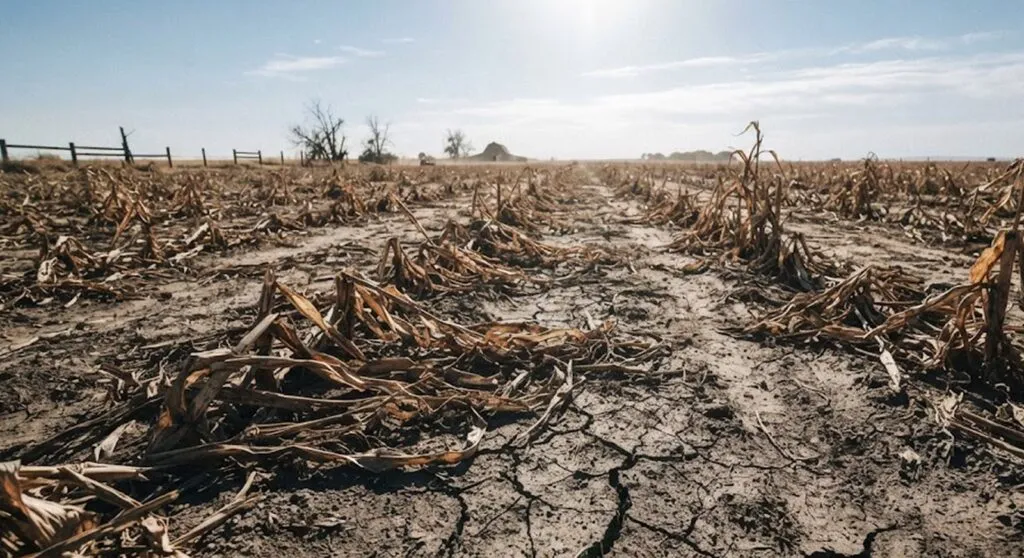
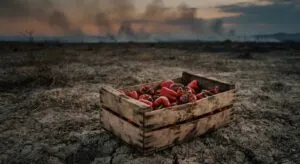
Up to 90 percent of the crops in Bosnia and Herzegovina have been destroyed. Not damaged, not reduced - destroyed. A long heatwave and months without serious rain have taken away the farming year in Semberija, Posavina and Lijevce Polje. Maize was hit hardest: the stalks dried out, and in many fields no cob formed at all.
"Fuel has reached 3.5 marks, the drought destroyed everything, we have nothing to look forward to," said Zeljko Stanic, president of the farmers' association in Semberija. He warns that without state help producers will go under, and recalls earlier disasters after which aid never arrived.
This is not only about maize
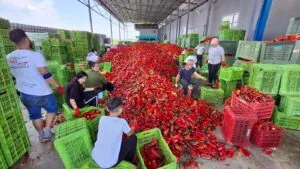
Spring crops failed entirely. Soy yields are halved because of heat stress. Growers without reliable access to groundwater have lost their peppers, tomatoes and cabbage. Orchards in the mountain areas were damaged too - the ones that usually survive drought better than the fields do.
This is where the story stops being agricultural and becomes economic. Maize and soy are the base of feed for cattle, pigs and poultry. When they are gone, the price of concentrated feed goes up - fast. Farmers are already warning that a shortage of silage will push some of them to sell off their dairy cattle or resort to forced slaughter.
There is a health layer too that rarely reaches the headlines: the risk of mycotoxins and aflatoxins in what little feed is left. Which means even the surviving yield is not automatically usable.
Who answers
The authorities' response is recognisable to anyone living in this region. At both entity and state level responsibility is redirected to lower levels, and the matter stalls in an administrative knot. Nobody said no - it is simply that nobody said yes either.
And the root of the problem is older than this drought. Bosnia and Herzegovina has no systematic irrigation infrastructure. The overwhelming majority of farms depend on whatever the weather gives them. That is not a weather disaster, it is a decision that went unmade for thirty years.
Drought does not stop at a border
Economists warn that rising food prices will be felt across the whole region, most sharply in animal feed - which then passes through into meat and dairy. The whole region shares the same climate and suffers the same bad summers; what differs is whether a given country built an irrigation system while it had the time.
The question standing is whether the drought will be treated as an emergency - or as one more bad summer after which everything carries on the same, until the next one.
The latest 10 news from this category

Three agencies are working the case, and the conclusion was published ahead of them. Kosovo police rejected the claims. What...
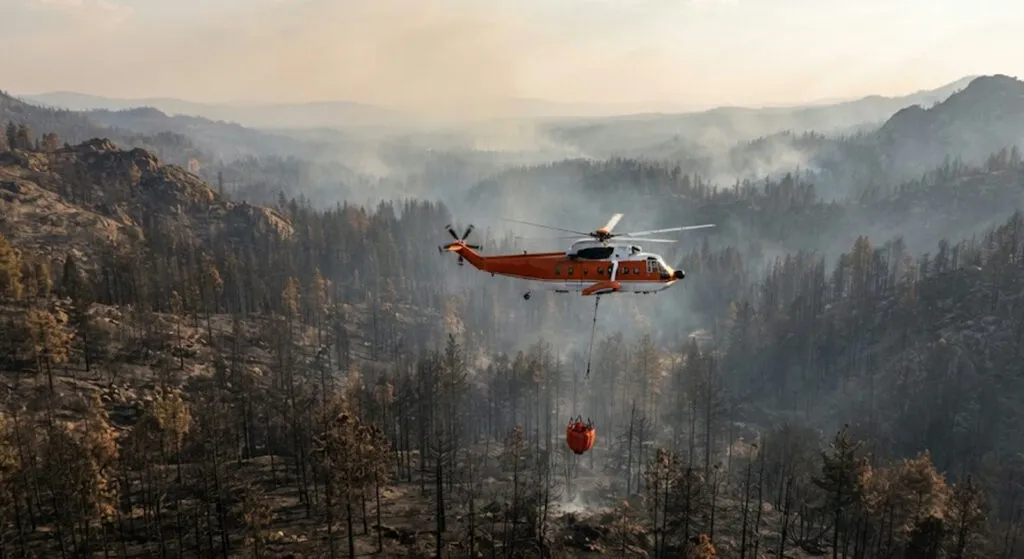
One portable toilet burned down, along with 3,960 hectares, and the helicopters are arriving from Czechia, Slovakia, Romania and Russia....
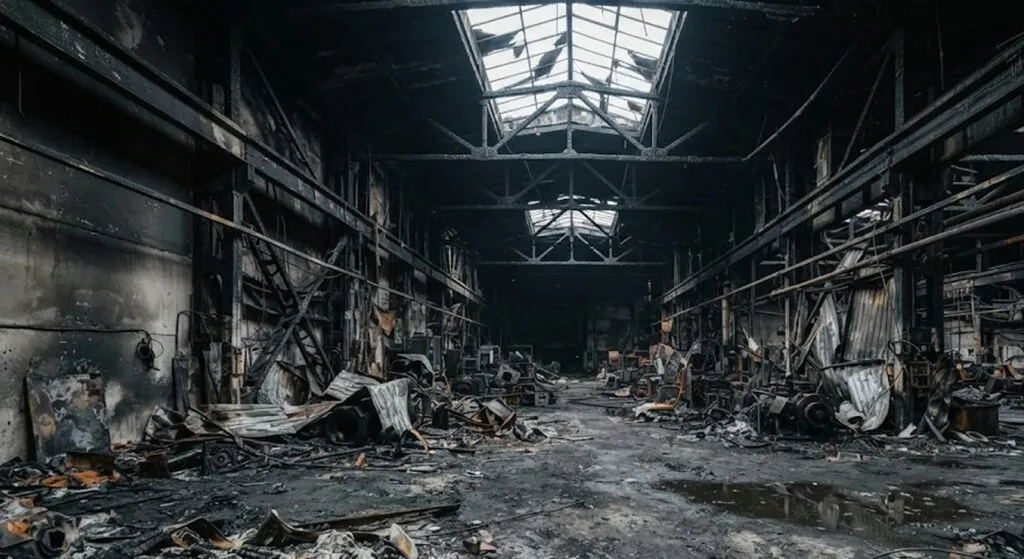
Four suspects, two of them minors. One admitted he was hired by a man with a record known for recruiting...
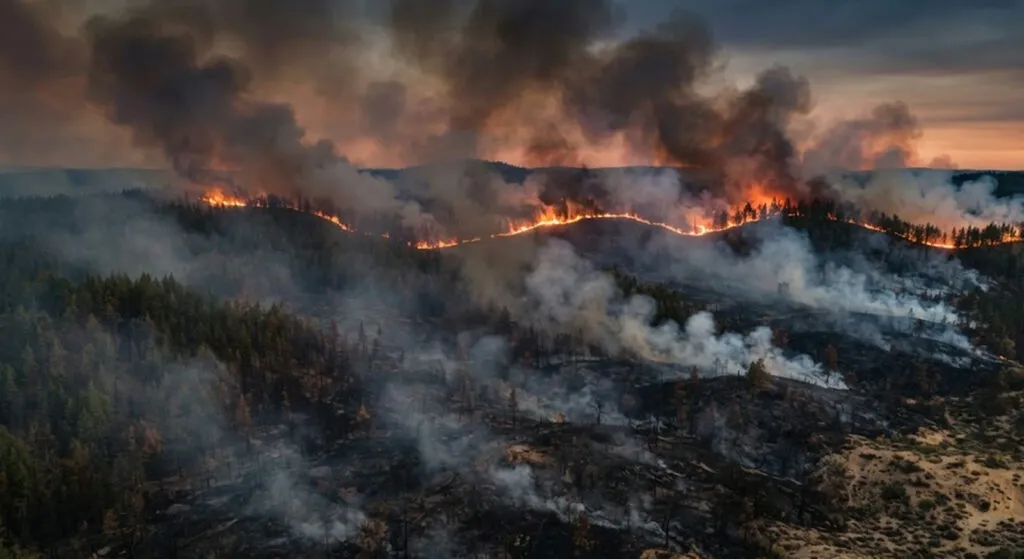
Dacic activated the European civil protection mechanism. The humus is burning below the surface, so areas declared extinguished flare up...
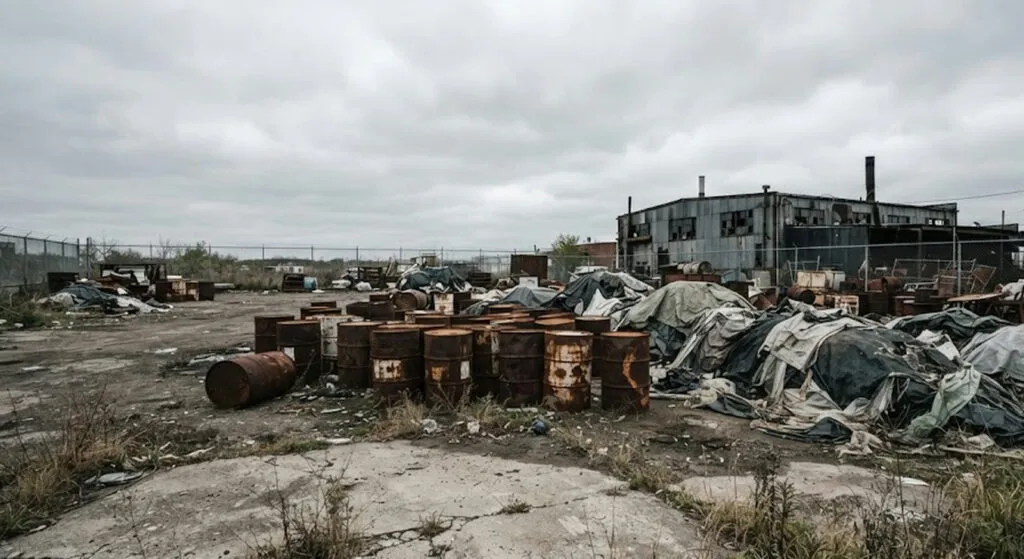
Croatia's prime minister invoked the Serbian canopy scenario to describe his own opposition. In the soil near Gospic, meanwhile, heavy...
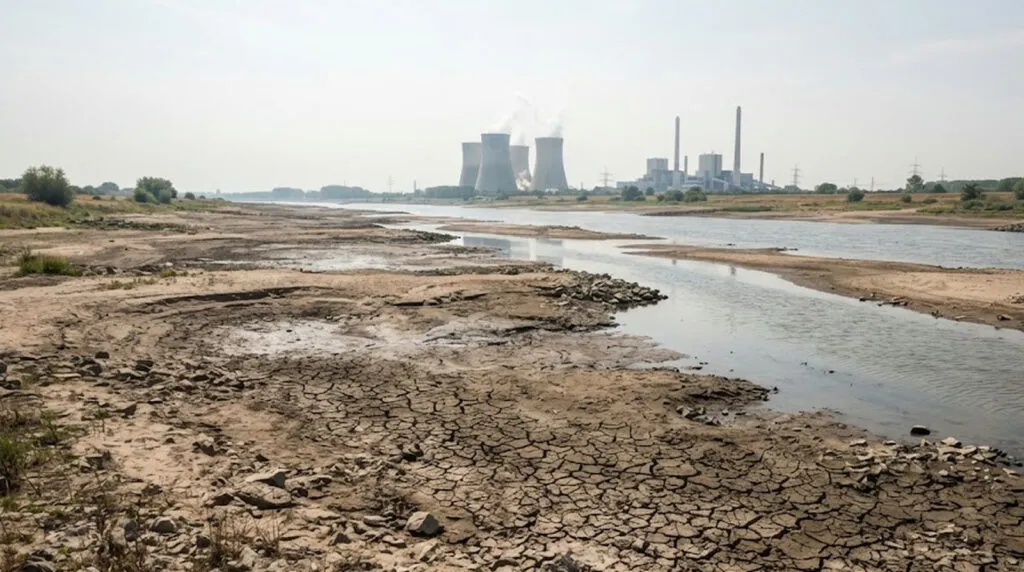
Not a fault, not a sanction - a drought. Kozloduy is cutting 120 megawatts, Paks and Cernavoda already reduced output....
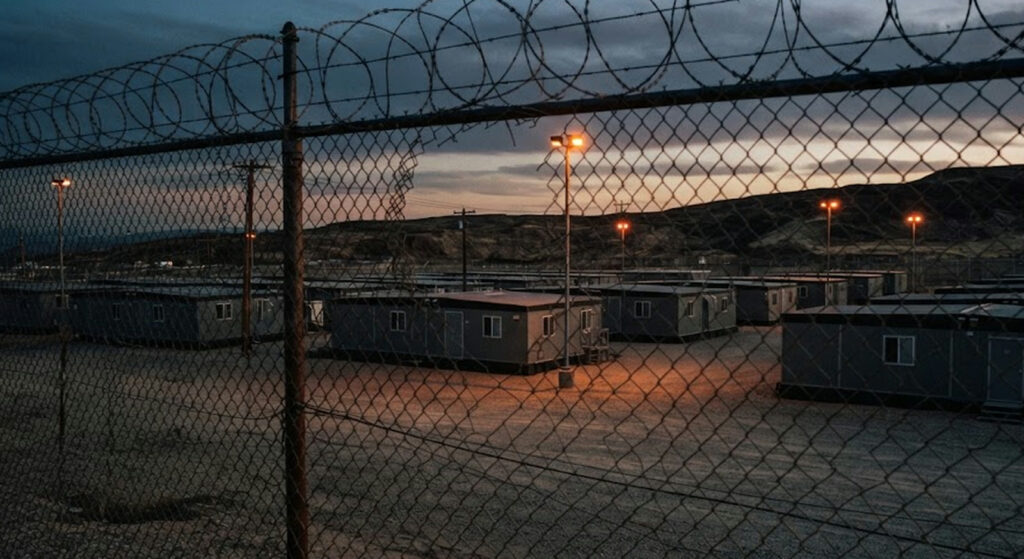
Two attempted hangings and self-harm at Gjader, Amnesty says. Tajani is already calling for similar centres in transit countries -...

A Portuguese fund has taken over Serbia's loudest critical newsrooms, and the management fell before Luxembourg approved the transaction. In...

The mechanism is worth a billion euros and stands open to everyone. Bosnia has not submitted a single project, and...
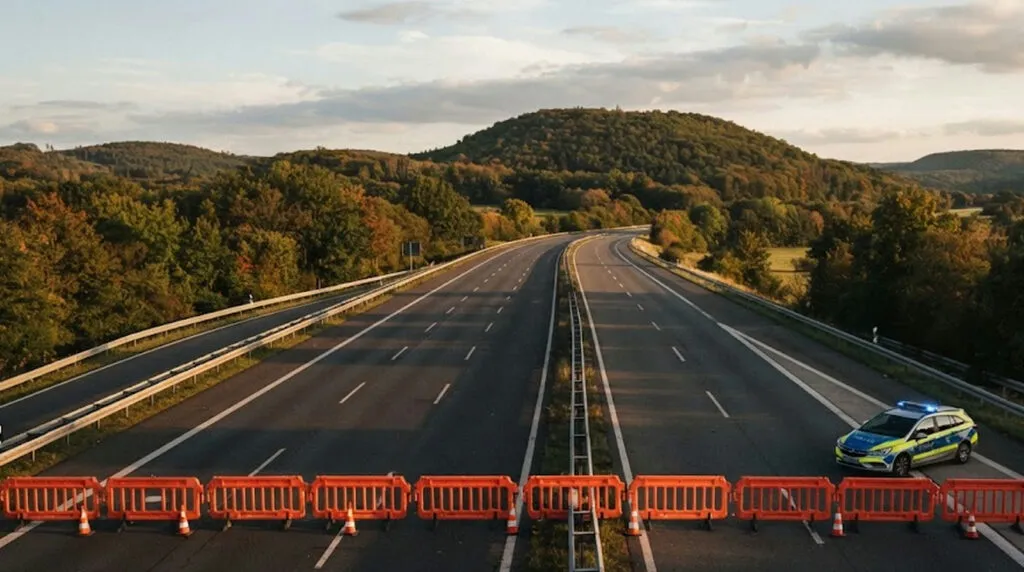
Police shut part of Croatia's most important motorway because a clash between football fans was expected at a service area....
This site uses cookies - is that okay? Learn more
Be the first to know when Metla launches something new
Leave your email and we will write when there is a new guide or something new on Metla.