Five Tonnes of Cannabis Straight Through Customs: A Medical Licence as Cover, at Least Five Runs
18.08.2026


18.08.2026
18.08.2026
18.08.2026
18.08.2026
18.08.2026

18.08.2026
18.08.2026
17.08.2026
16.08.2026
18.08.2026
18.08.2026
17.08.2026
18.08.2026

18.08.2026
18.08.2026
18.08.2026
17.08.2026
16.08.2026
18.08.2026

18.08.2026
18.08.2026

18.08.2026
17.08.2026
17.08.2026

09.03.2026

27.02.2026

19.02.2026
18.08.2026
17.08.2026
16.08.2026

23.04.2026

23.04.2026

12.04.2026
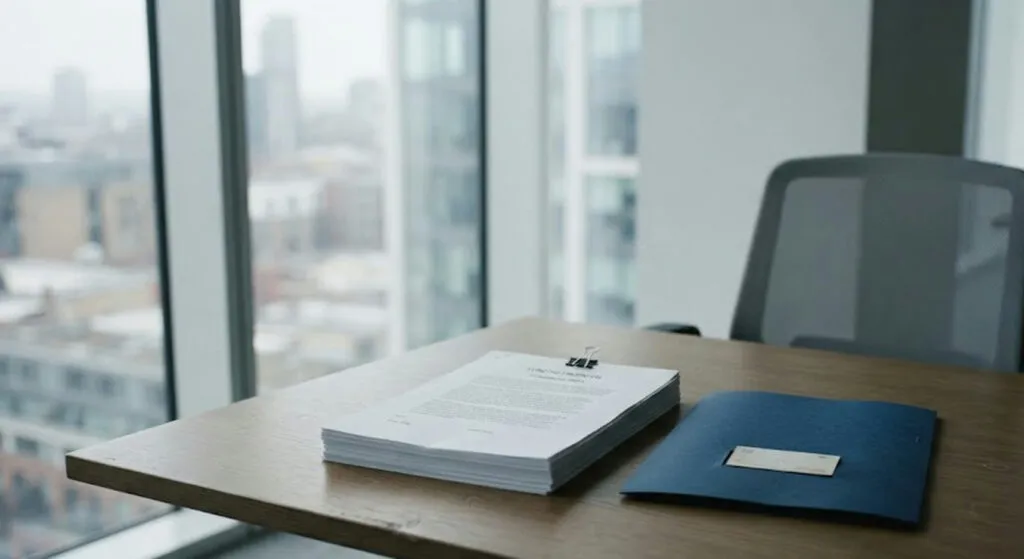
Bosnia and Herzegovina received 140.5 million euros in non-repayable European money. That same day, Brussels told it that by the end of the year it risks losing 373 million. That is six times more than what it just secured. If there is a sharper picture of how the Balkans treat European funds, it would be hard to invent one.
The money comes through the Instrument for Pre-Accession Assistance for 2025-2027, after the decision was published in the Official Journal and ratification was finally completed. It is intended for reforms and investments - that is the official phrasing. Luigi Soreca, head of the EU Delegation in Sarajevo, praised that stage, and then said a sentence worth more than the entire sum.
The only country in the region on zero euros
Bosnia and Herzegovina is, as Soreca stated, the only Western Balkans partner that has still not received a single euro from the Reform and Growth Facility. Not one. This is not a country the EU has punished, nor some new condition invented in Brussels. The mechanism stands open, it is worth a billion euros in grants and favourable loans, and the condition is the same for everyone: prepare concrete projects and submit them.
Bosnia has submitted none. The reason is not a lack of needs, but internal political blockades - the same sentence every citizen in the region has been hearing for decades and long ago stopped reacting to. The European Commission has already withheld 108 million euros, and it plans to redistribute the unactivated funds to the other five Western Balkans countries that have shown commitment to reform.
Who pays the price of the blockade
Here is the part that rarely makes it into political statements. Those 373 million are not lost into thin air - they go to the neighbours. Redistribution is not a punishment but a mechanism: whoever works gets more. Whoever does not work watches their share cross the border.
For a citizen in Tuzla or Banja Luka this is not an abstraction. These are roads that will not be built, water systems that will not be renewed, jobs that will not exist - while the political structures maintaining the blockade stay exactly where they are. Will anyone answer for a lost billion? The question sounds naive precisely because we all know the answer.
The latest 10 news from this category
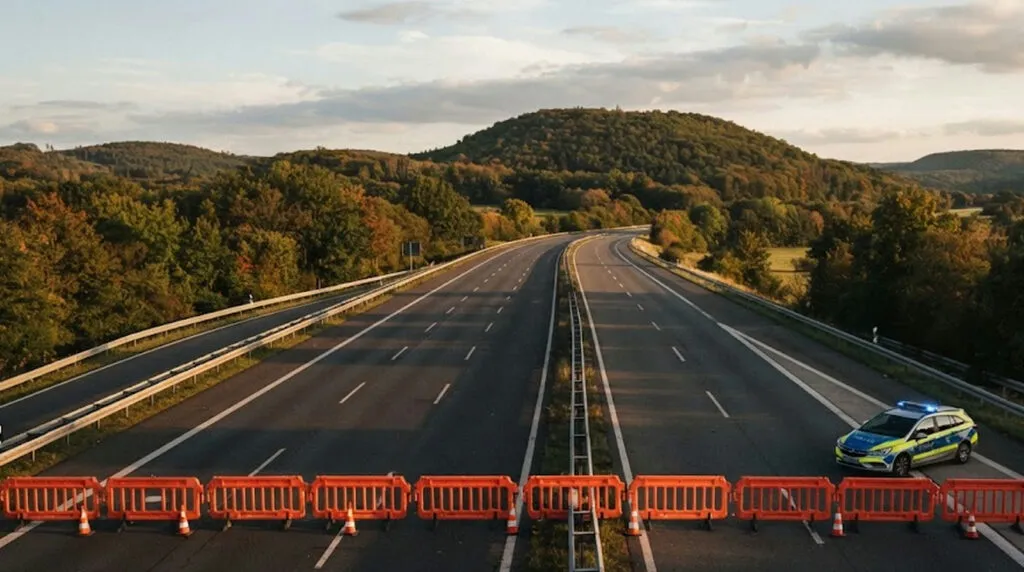
Police shut part of Croatia's most important motorway because a clash between football fans was expected at a service area....
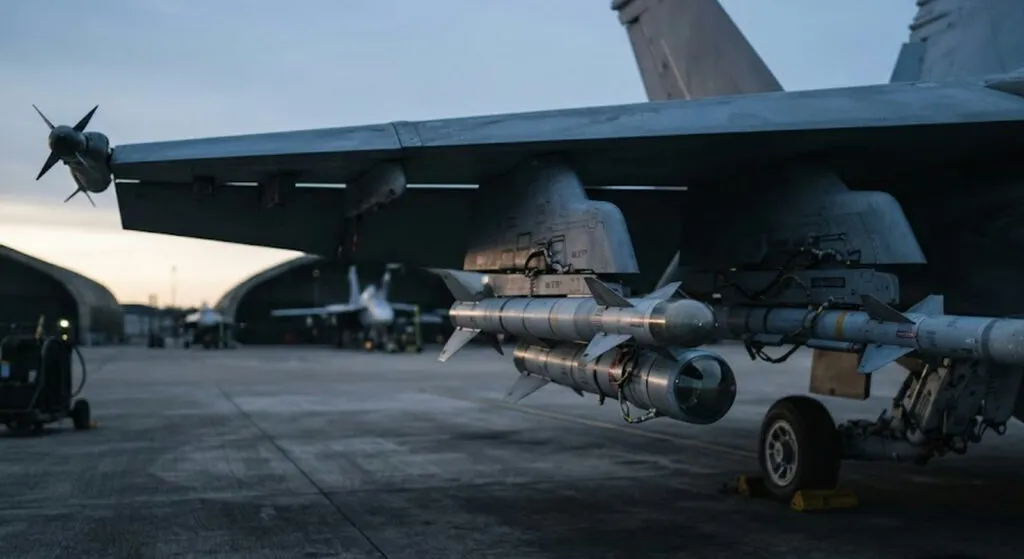
Milanovic joked about Serbia's "water pistols". Today Zagreb is hoping the Chinese CM-400 missiles stay in storage, and the Croatian...
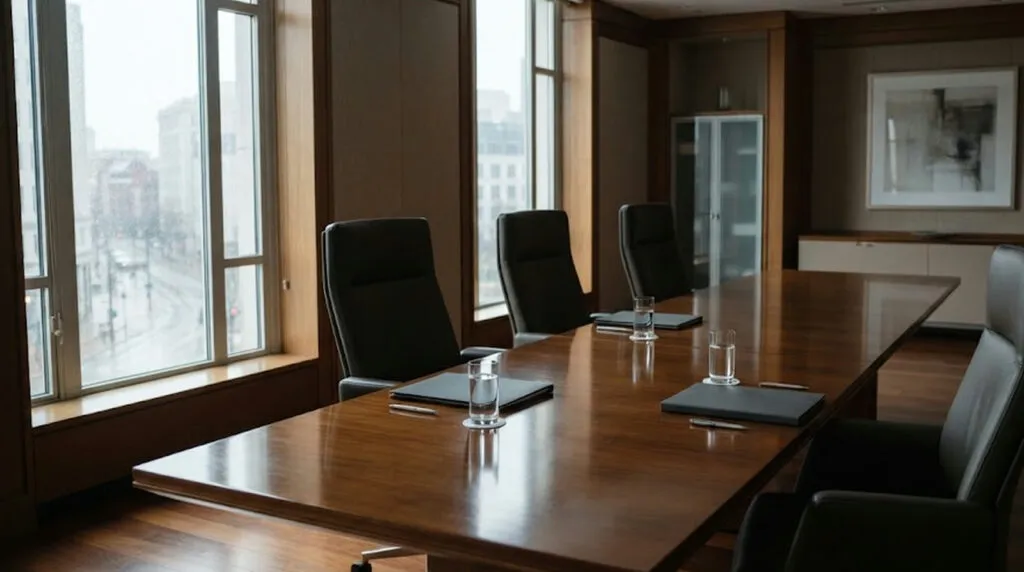
Three countries buying equipment together are a „quasi-bloc”, and two of them have been in NATO for fifteen years. The...
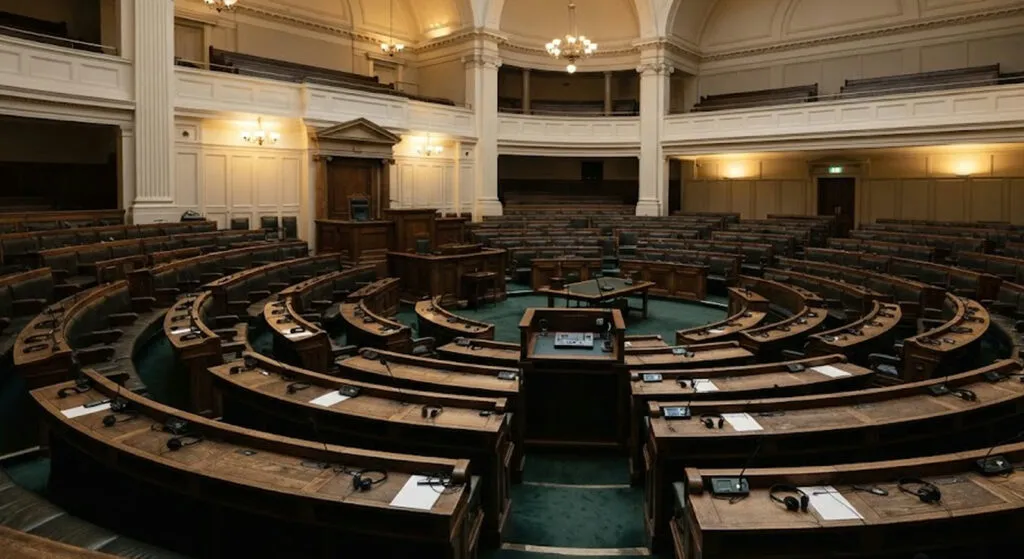
The argument is about who appoints whom, not about what the institution does once someone is appointed. That is still...
Ukraine will not recognise Kosovo, and Serbia keeps supplying Soviet-calibre ammunition. What is the price of one crate of shells...
Seven municipalities and Kosovo's electricity depend on that water. When political conversation gets too tight, the Balkans always find something...
He was met by the energy minister, not the president. Serbia gets confirmation on Kosovo, Ukraine gets ammunition - and...
For four years the flag stood in central Pristina as a sign of solidarity. Zelensky confirmed Ukraine does not recognise...
Russia called the cooperation between Albania, Croatia and Kosovo a threat to regional security. Macedonia appears nowhere in the statement...
Belgrade's argument is not new, but the context is. Territorial integrity suddenly became the West's highest value - after Russia...
This site uses cookies - is that okay? Learn more
Be the first to know when Metla launches something new
Leave your email and we will write when there is a new guide or something new on Metla.