


The Two Survivors of Staro Nagoricane Testified: "He Beat Me for a Full Hour" - and the Experts Wrote That the Risk of Repetition Is High
01.09.2026


01.09.2026

01.09.2026
01.09.2026
01.09.2026

01.09.2026

01.09.2026
01.09.2026
31.08.2026
30.08.2026

01.09.2026

01.09.2026

31.08.2026

01.09.2026

01.09.2026

01.09.2026
01.09.2026

31.08.2026

30.08.2026

01.09.2026

01.09.2026
01.09.2026

01.09.2026
31.08.2026

30.08.2026

09.03.2026

27.02.2026

19.02.2026
31.08.2026
30.08.2026

29.08.2026

23.04.2026

23.04.2026

12.04.2026
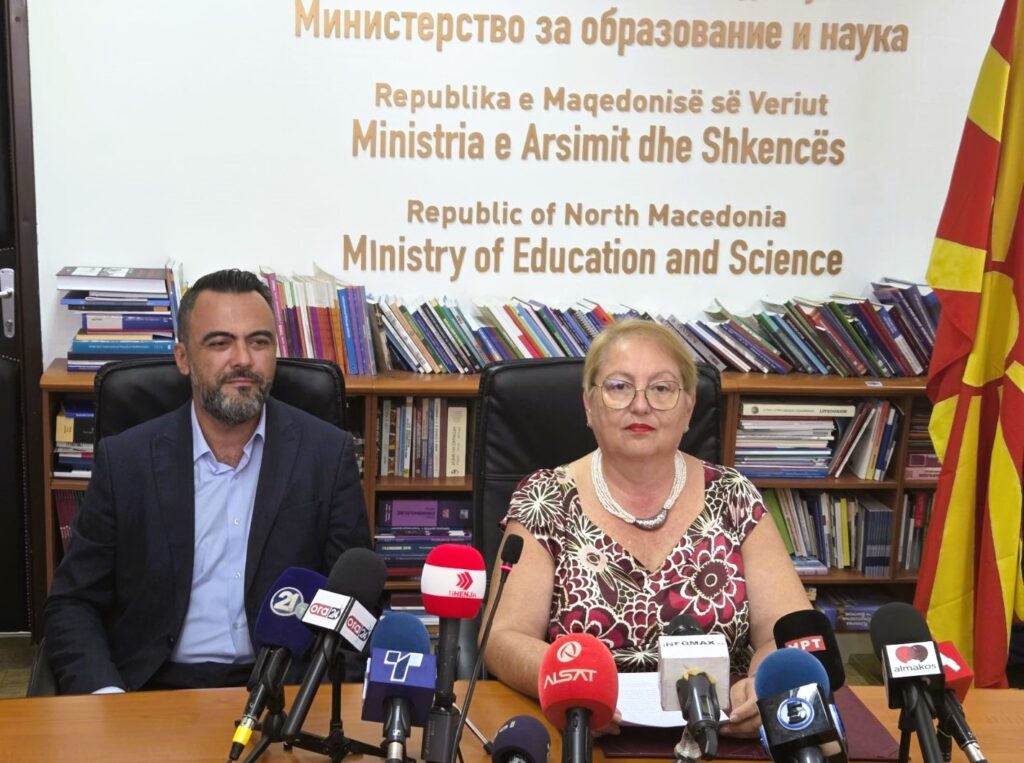
Today 238,000 primary and secondary pupils took their seats. 14,952 children started first grade. A decade ago, in the 2016/2017 school year, there were 23,266 first-graders.
The gap is over 8,300 children. Not in one year - in ten. And that is the figure everything else said at the Ministry of Education and Science press conference revolves around.
What 148 empty school buildings means
Across Macedonia there are 148 school buildings standing empty, mostly in rural areas. From September another 26 village schools are temporarily not operating because they have no pupils at all. And the education system this year will have 433 fewer classes - 222 in primary and 211 in secondary education.
Minister Vesna Janevska explains that extremely small classes have survived for years, sometimes with two pupils of the same age, and that they are now being merged so that pupils have a larger group to socialise in. She insists that not a single permanently employed teacher has been dismissed.
That is true, and it is a reasonable justification for merging. But "optimisation" is a word that describes how the system adapts to the emptiness, not how it closes it.
The numbers the system has and does not use
The State Statistical Office registered 19,031 live births in 2020. This year 14,952 enrolled in first grade. The difference does not mean 4,000 children have vanished - birth and enrolment cohorts are not identical, some children start earlier or later, and enrolment runs to the end of September. But the direction is unambiguous.
Demographer Dončo Gerasimovski points to one more figure worth more than all the others: the gap of around a thousand pupils between the start and the end of a single school year. Those are children who left mid-September, mid-October, mid-March - with their families, for another country.
"I also analyse the situation in other countries. People are moving everywhere - in Bulgaria, Serbia, Albania. Even so, the state needs to take this issue more seriously," Gerasimovski says.
What this school year brings
On the other side of the same numbers there is good news too. In 620 out of 1,023 school buildings, classes run in a single shift this year. 622,000 textbooks were procured, with savings of 50 million denars. 1,358 assistants have been engaged in primary and 166 in secondary schools for pupils with special educational needs. A pay rise in education of between 7.5 and 10 percent has been announced for March 2027.
None of that is trivial. It is just that all of it addresses conditions, not numbers. Single-shift teaching is easier to provide when there are fewer and fewer pupils - the empty classrooms are what make it possible.
Classes run until 10 June for all pupils, and until 17 May for final-year students. Next year the conversation will start from a number lower than 14,952. That is no longer a forecast, it is arithmetic.
The latest 10 news from this category
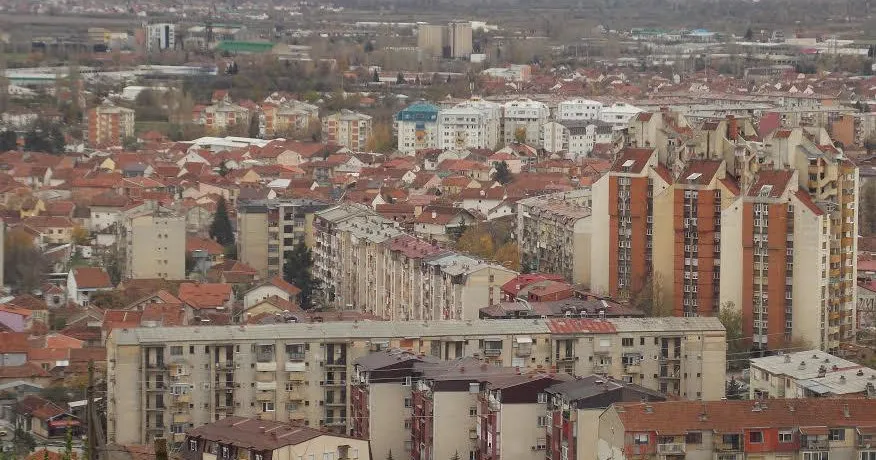
Three village schools go dormant, two stay open for a single pupil each. The municipality says enrolment is still running....
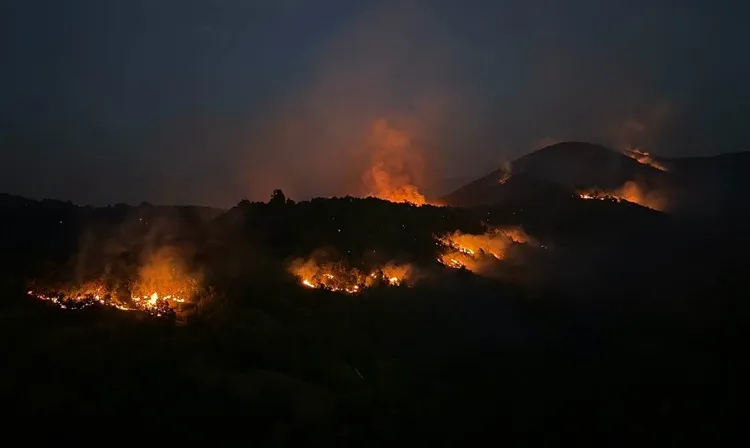
The park director says two crew members were injured during the night. The head of the rescue directorate denies it....
The budget growth, the falling debts and the comparison with Shilegov and Arsovska all come from the mayor's own announcements....
The contract is signed with a Hungarian company and the first 30 are due by the end of December. The...
Twenty-eight minutes to the centre instead of the morning crawl through traffic. But the figure that says the most is...
One storm in a neighbouring region left several municipalities without reliable water. The Shtip wells that worked for half a...

One summer storm is enough to leave a city of over forty thousand people without drinking water indefinitely. The director...
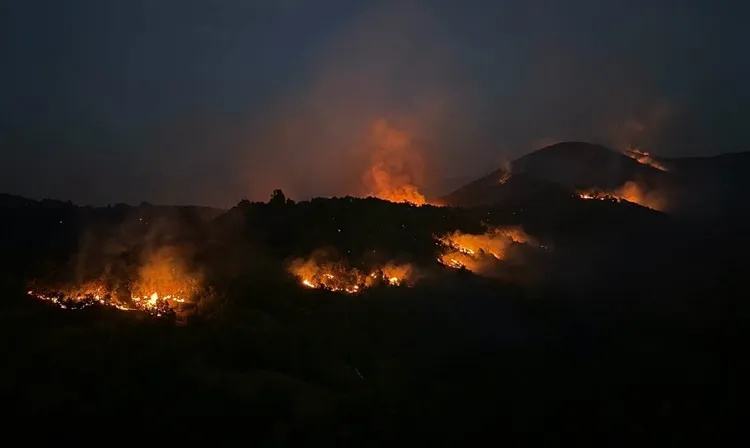
A helicopter dropped 28 tonnes of water, bulldozers are cutting firebreaks, and the fire returns with every rise in temperature....
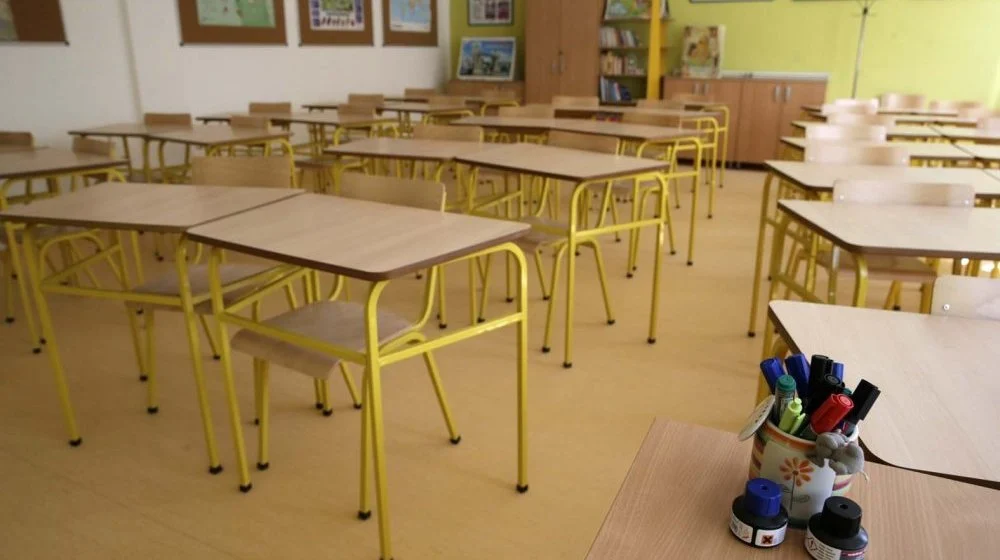
Falling birth rates do not explain the whole number - the children starting school this year were born when over...
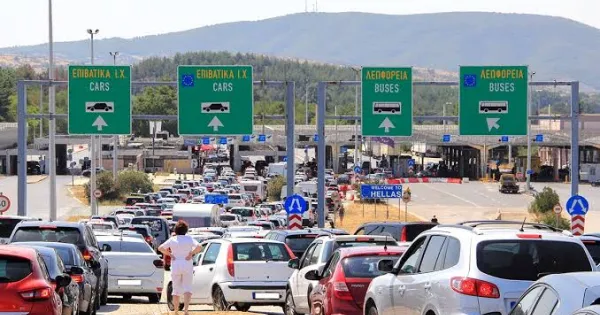
The queue on the Greek side stretches from the toll booth to the crossing. At Medzhitlija the wait is about...
This site uses cookies - is that okay? Learn more
Be the first to know when Metla launches something new
Leave your email and we will write when there is a new guide or something new on Metla.
