
Cancer Drug in a First Aid Kit at Bogorodica: Why Was the Driver Also Carrying 30 Labels?
22.10.2026


22.10.2026

22.10.2026

22.10.2026

22.10.2026

22.10.2026

22.10.2026
22.10.2026

22.10.2026

21.10.2026
22.10.2026

22.10.2026

21.10.2026
22.10.2026
22.10.2026

22.10.2026
22.10.2026
21.10.2026
20.10.2026
22.10.2026

22.10.2026

21.10.2026

22.10.2026
22.10.2026

21.10.2026
22.10.2026
20.10.2026

19.10.2026

23.04.2026

23.04.2026

12.04.2026

Anyone who grew up in a Balkan apartment knows that piece of furniture. Enormous, floor to ceiling, with glass cabinets, tall modules and doors covering an entire wall. Inside sat the "good" china, the glassware, the family albums, the books and those tablecloths that came out only for the slava. It was useful - but it answered a way of living that is no longer ours.
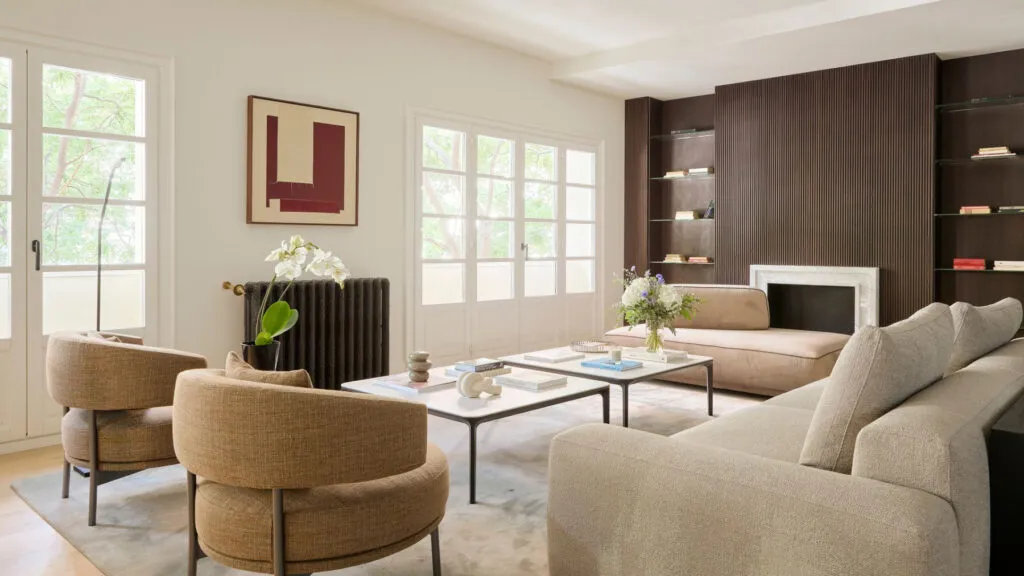
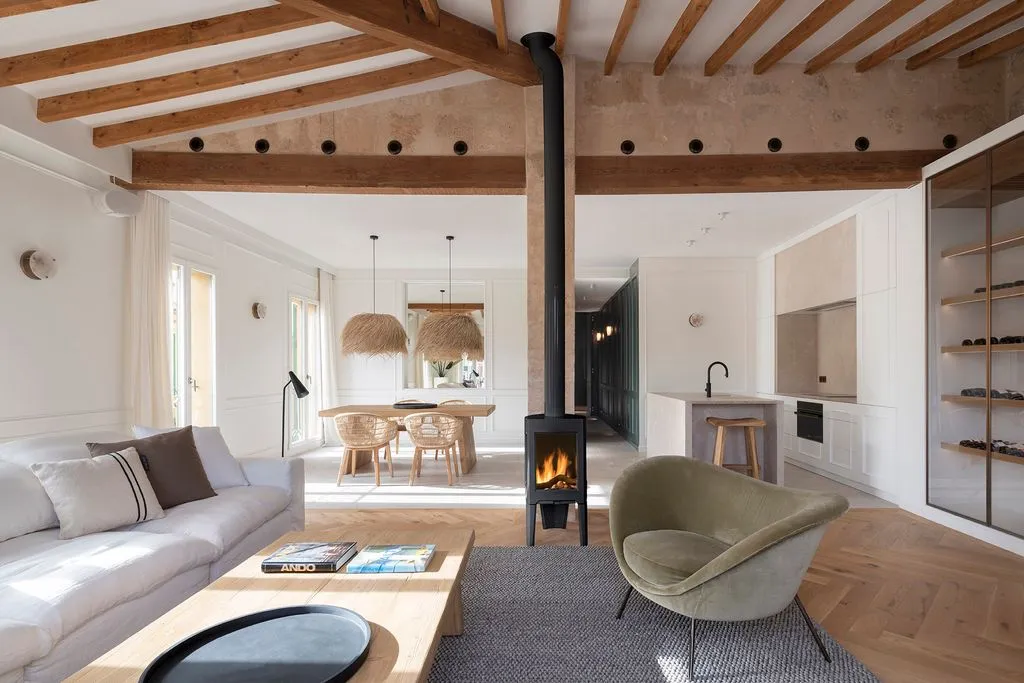
Interior designer Laura Martínez puts it without sentimentality: "More than large furniture disappearing, what is changing is the way we live the living room." Years ago, she says, the living room revolved around one large piece that took up a whole wall. Now the priorities are different - open space, light, and furniture that accompanies rather than imposes.
Big furniture no longer defines the room
The living room stopped being a display space and became a space that is actually lived in. You eat in it, work in it, rest, host friends, watch a film. A single piece occupying the entire front is far too inflexible for all of that.
"In our studio we rarely design a single piece of furniture that takes up an entire wall," Martínez says. Instead, they distribute the storage and fit custom furniture where it is genuinely needed. The key is for the architecture to have a presence and not end up completely covered.
A low sideboard frees the main wall
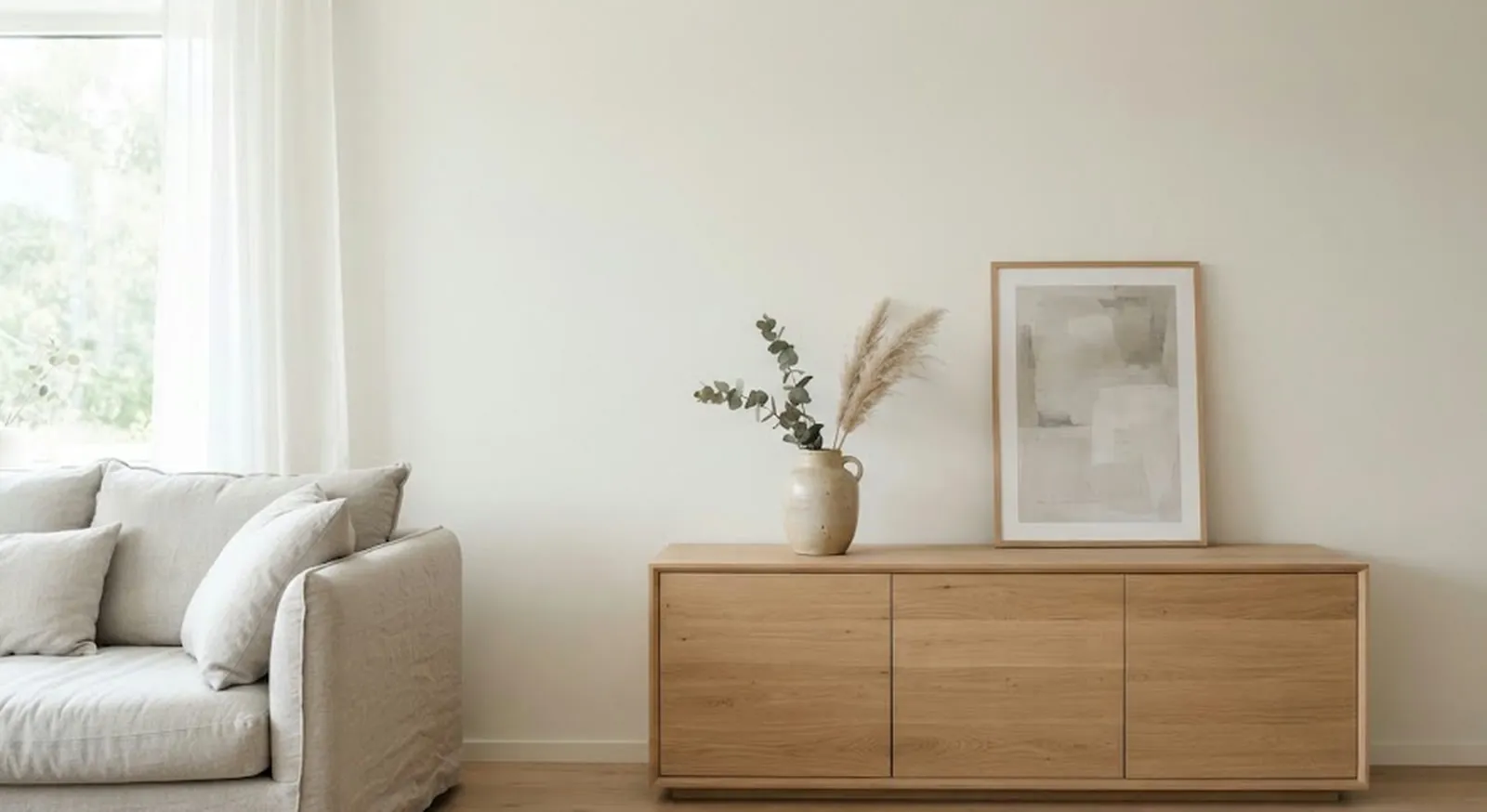
The low sideboard is the practical replacement for the traditional unit. It swallows the china, the board games, the blankets, the documents, the tablecloths. Because it does not reach the ceiling, it frees a large part of the wall and the room looks wider.
"Many times, removing a big piece of furniture does not mean losing storage capacity, but gaining space, light and a sense of calm that completely transforms the living room," the designer says. A sideboard next to the dining area can hold the everyday china, while another low unit next to the sofa holds textiles and small objects.
An empty wall as a decision, not an oversight
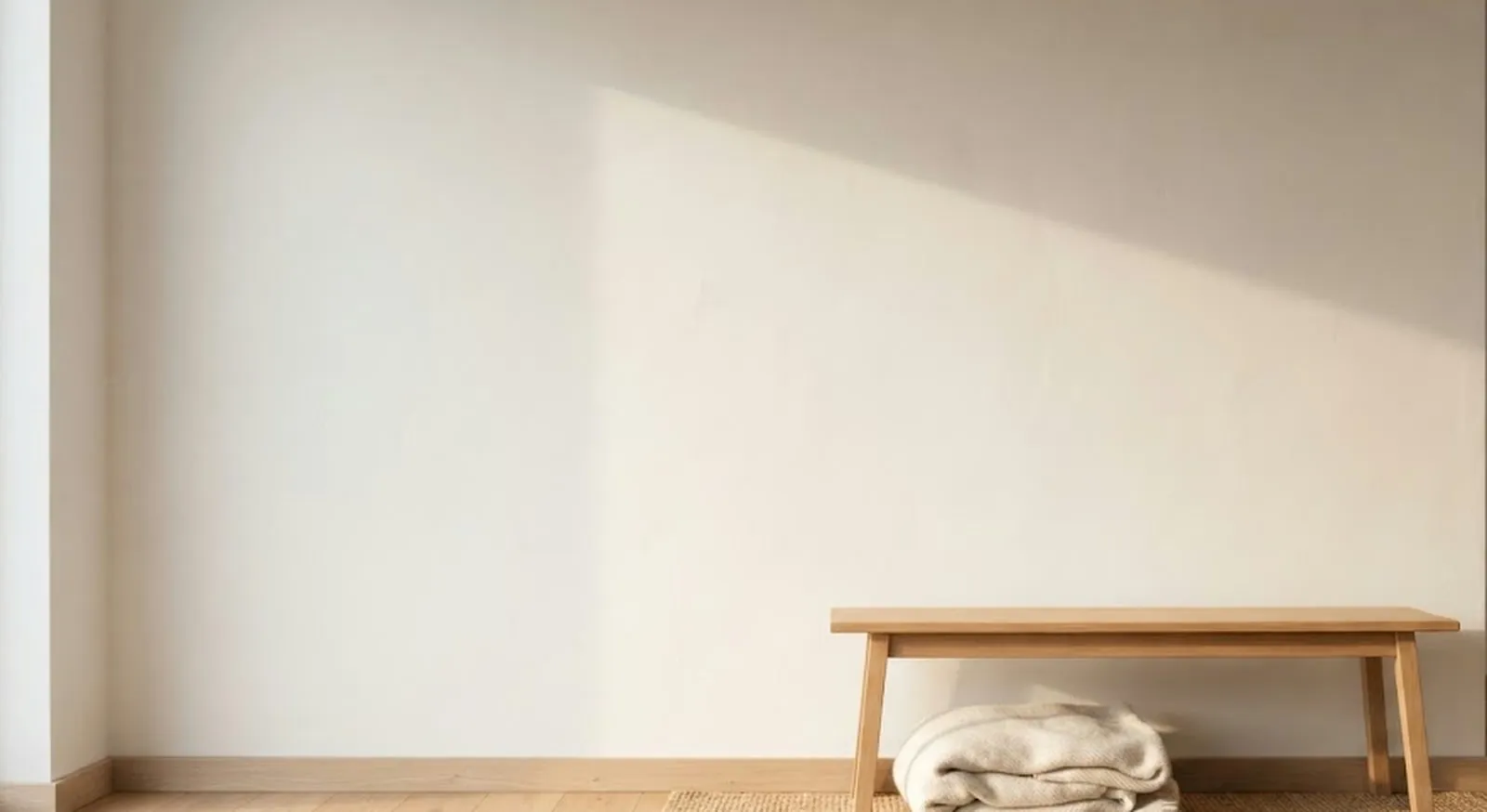
This is the part that is hardest to accept around here. "I always say that an empty wall is also part of the design," Martínez says. There is a strong tendency to think an empty wall is wasted, when very often the opposite is true.
The problem appears when you try to fill every empty corner with a shelf, a module or a cupboard. Leave surfaces unoccupied and the room becomes brighter. The balance between what you hide and what you leave in sight is what makes a home liveable.
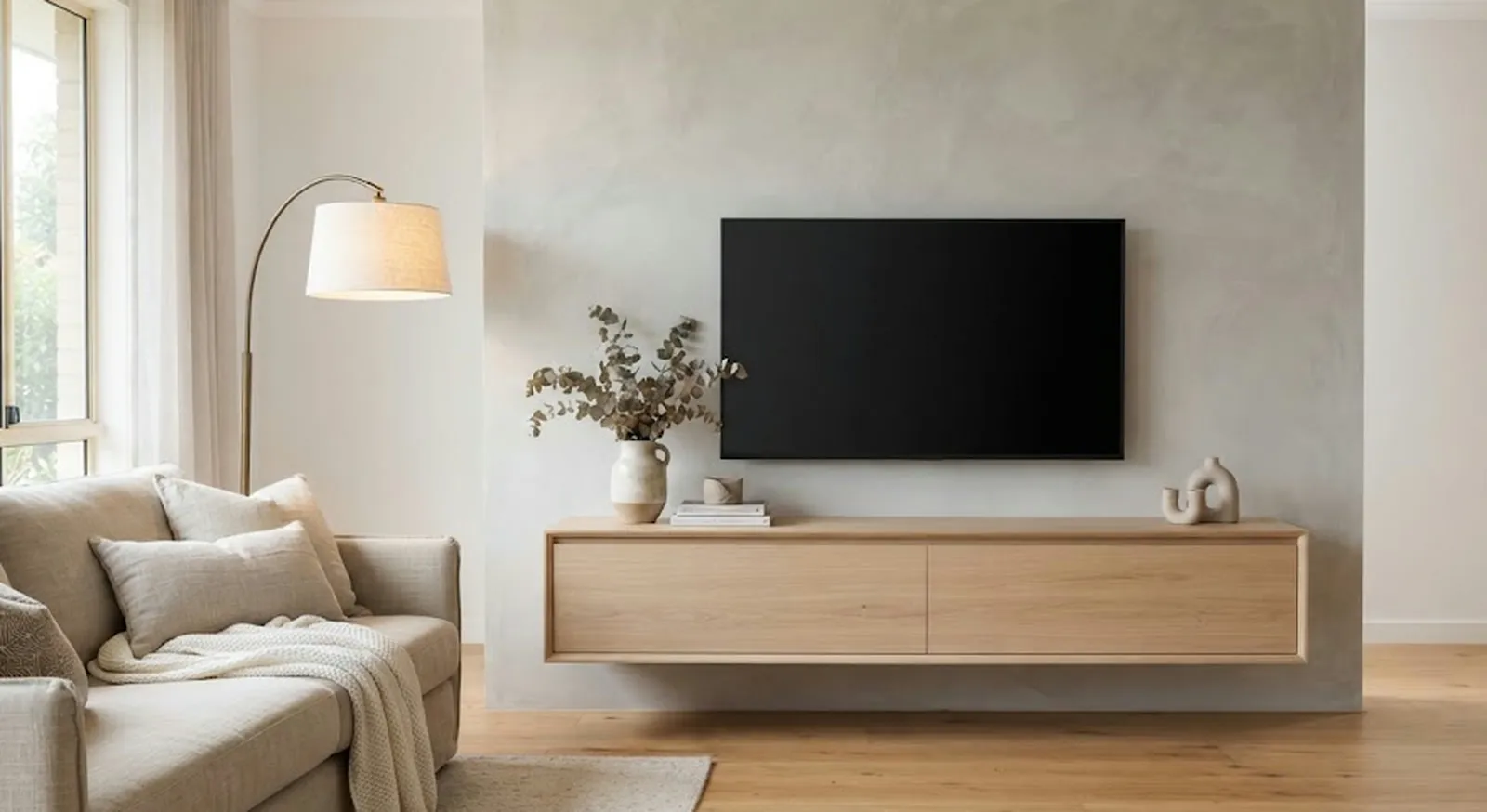
Wall-mounted furniture opens up the floor
Television units that hang from the wall make a room look lighter. Lifted off the floor, the floor reads as uninterrupted and the blocky effect shrinks. Practically, cables, power strips and devices hide inside a closed unit.
"We use a lot of wall-mounted furniture because it leaves the floor visible and the living room automatically looks more spacious," Martínez explains. If the room is narrow, choose a shallow model and avoid fronts with too many handles or reliefs. A smooth design, in light wood or matte lacquer, fits better.
Before you buy, open the doors of what you already have
A lot of large furniture stays out of habit, not need. Before you go looking for an alternative, open the doors and drawers and see what you actually use. "Many times we discover that those big units existed because homes used to function differently," the designer says - inside were two sets of china, two sets of glasses, the trousseau, tablecloths that were barely used, even family keepsakes passed down through generations.
This is not about throwing everything out, but about deciding what you need within reach and what can move to another part of the house.
Storage goes where it gets used
Every object in the room where you use it - that is the whole rule. Everyday china in the kitchen or in a sideboard next to the dining table. Blankets in a storage bench beside the sofa. The books you are reading on a low shelf.
Among the solutions Martínez uses are a storage bench, a low television unit and custom furniture in other rooms. "When storage is well thought out, we usually need far less furniture than we imagined," she concludes.
Pieces that speak the same language
Replacing one wall unit with several pieces does not mean mixing without a plan. The sideboard, the television unit, the cabinet and the side tables do not have to be identical, but they do have to share a logic: "materials, proportions, colours and the same aesthetic language, so the living room is perceived as a whole."
Repeat one wood, keep the same warm tones or choose metal profiles with the same finish. And avoid adding furniture because it is on sale or because it physically fits into some gap. The sentence Martínez offers is worth sticking on the fridge: "An elegant living room is not the one with the most furniture, but the one that has only what is necessary."
Finish, light and what remains
To make the room look brighter, choosing small furniture is not enough. Martínez reaches for natural materials and matte finishes. Light woods and lacquers in off-white, sand or greige "bring a lot of warmth without overloading the space." Avoid too much gloss if you want a calm effect - it multiplies the reflections and makes clutter more visible.
But above all of that she places one factor: "Above any material, there is one factor that completely changes a space - the lighting." Well-planned light lifts even the simplest living room.
And personality? It does not depend on the size of the furniture. It can live in one artwork, in a distinctive lamp, in an inherited piece, in an armchair with character. "A beautiful living room is one where you recognise the family before you have even met them," Martínez says. That sentence lands harder here than the author probably imagined - because around here, the cabinet with the good china was for a long time exactly an attempt to show off a family nobody had met yet.
The latest 10 news from this category
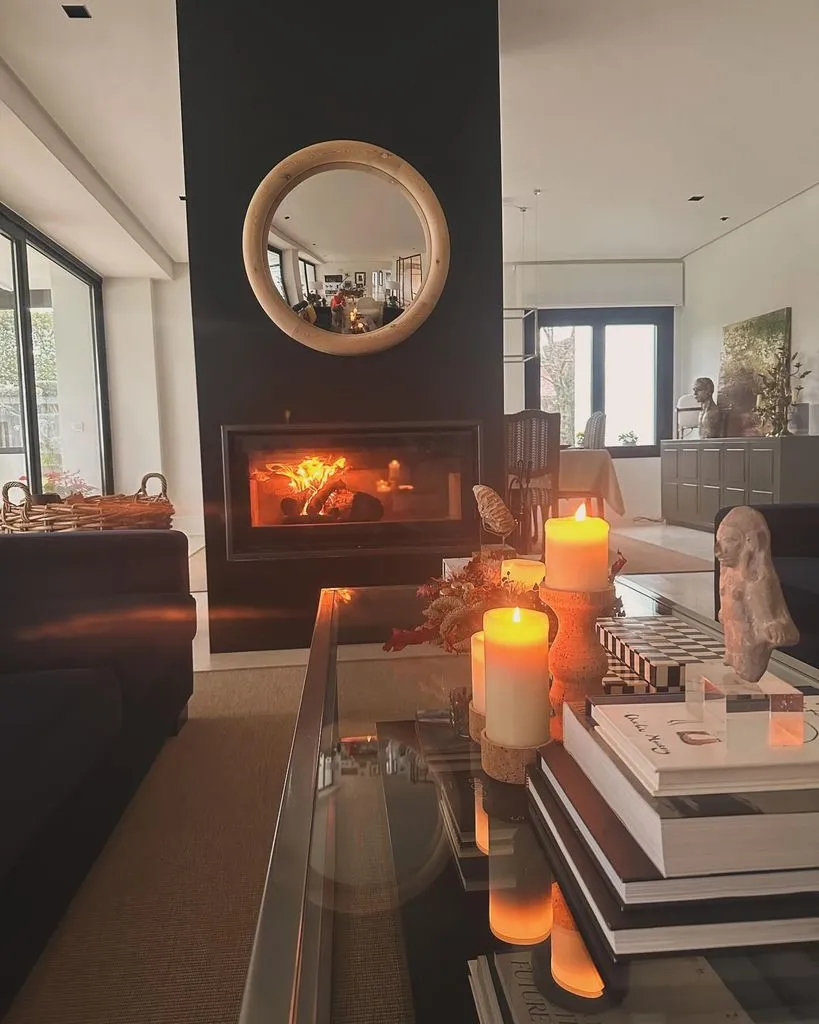
A TV presenter who lives in a rush every morning built herself a home where everything moves slowly. The best...
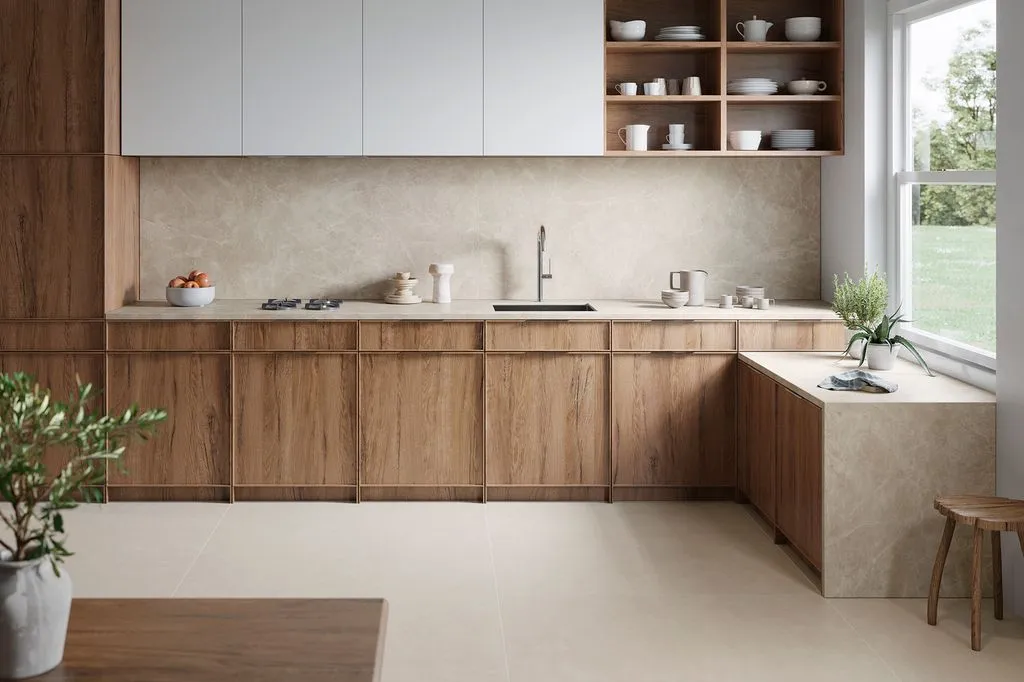
Before you pick a tile because it's on trend, ask the question rarely heard in a tile showroom: what will...
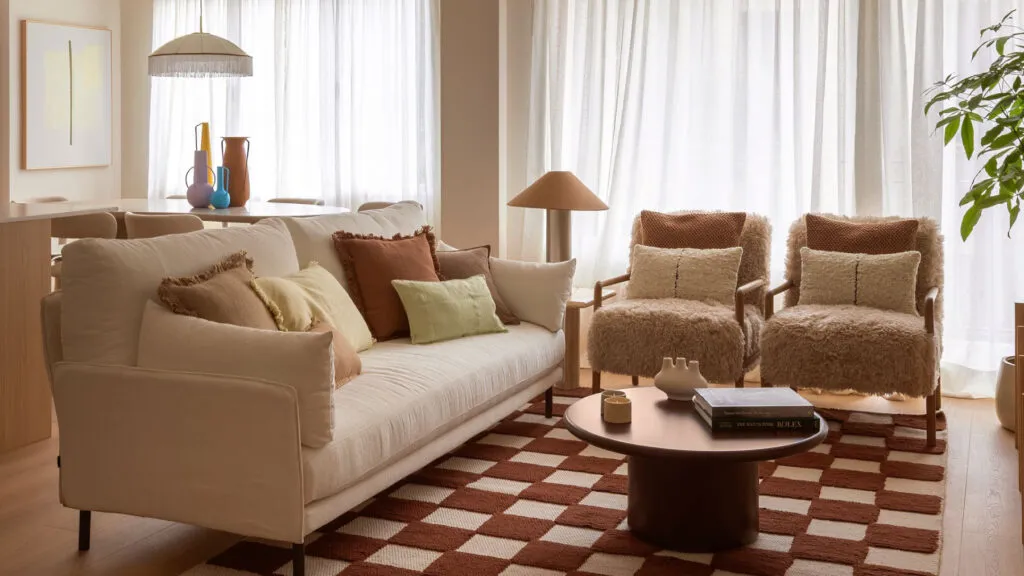
The designer removed an entire bedroom so the kitchen could reach the dining table. Sometimes a small flat is saved...
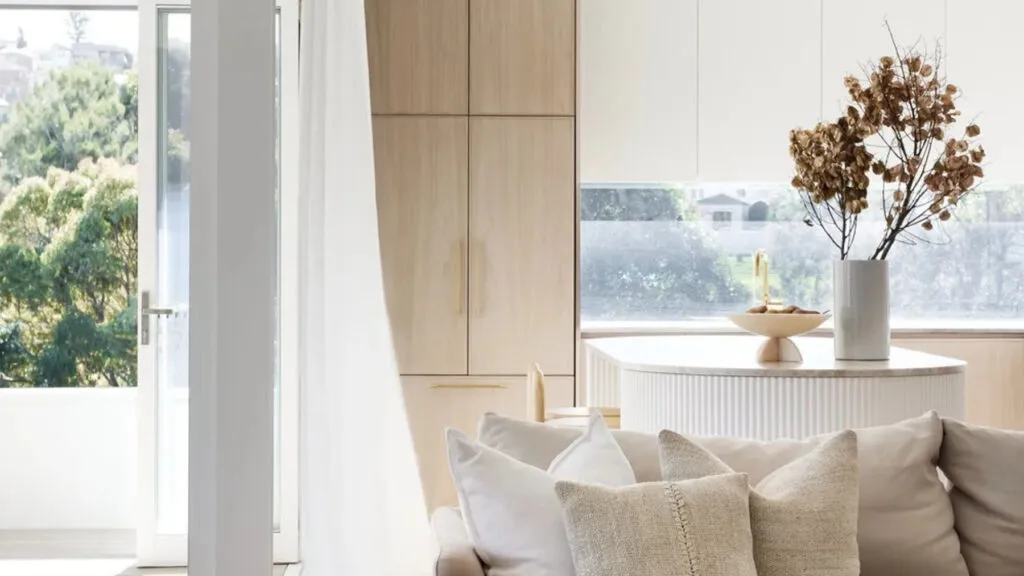
Bare walls, glass, an open kitchen and too much empty space: a home can look perfect and sound like an...
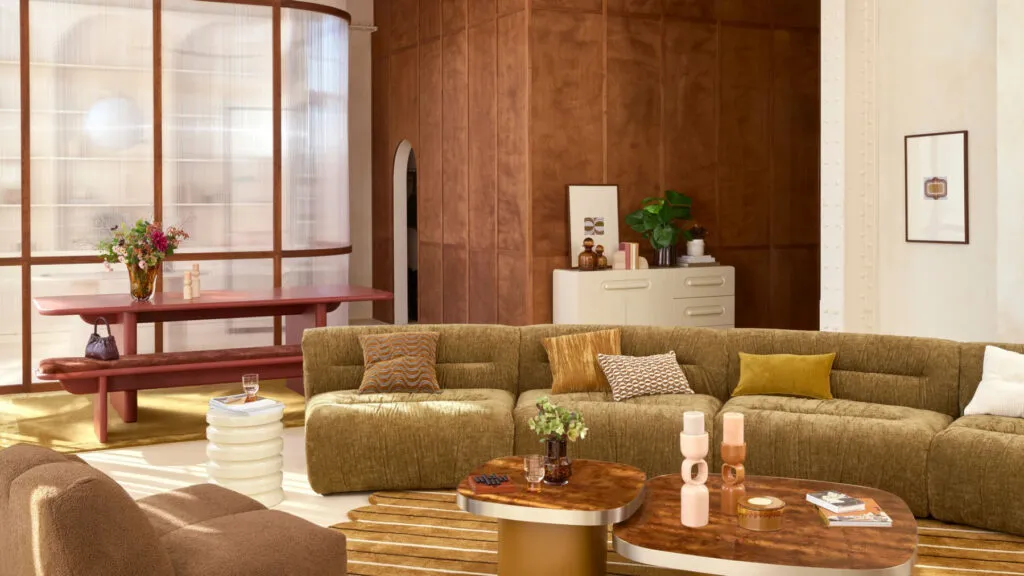
The dark wood wall unit is back in fashion, but the rule is clear: borrow the decade's warmth, don't reconstruct...
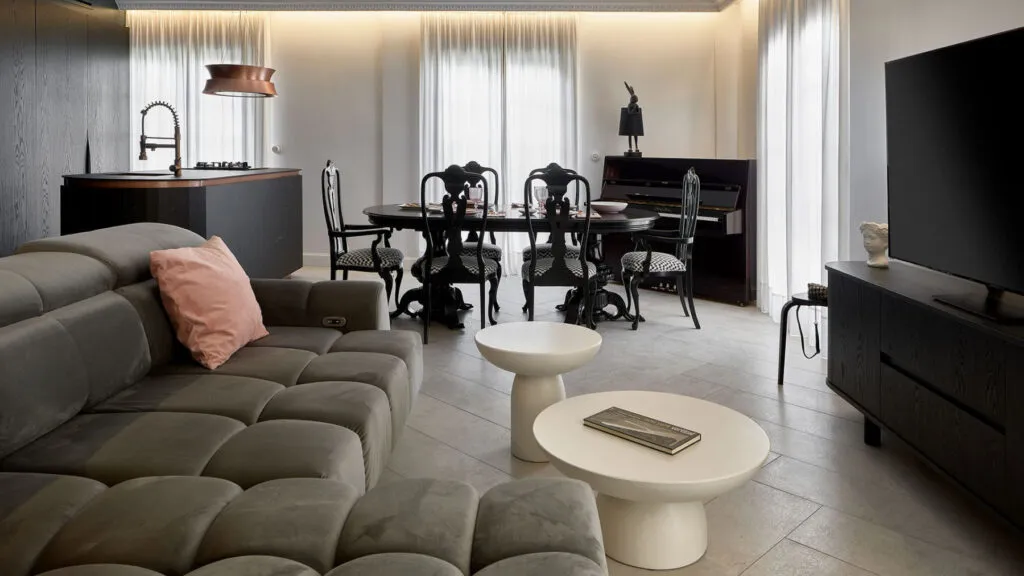
Dark colours supposedly make a room smaller. Designer Juancho González proved the opposite - with white walls, a mirror in...
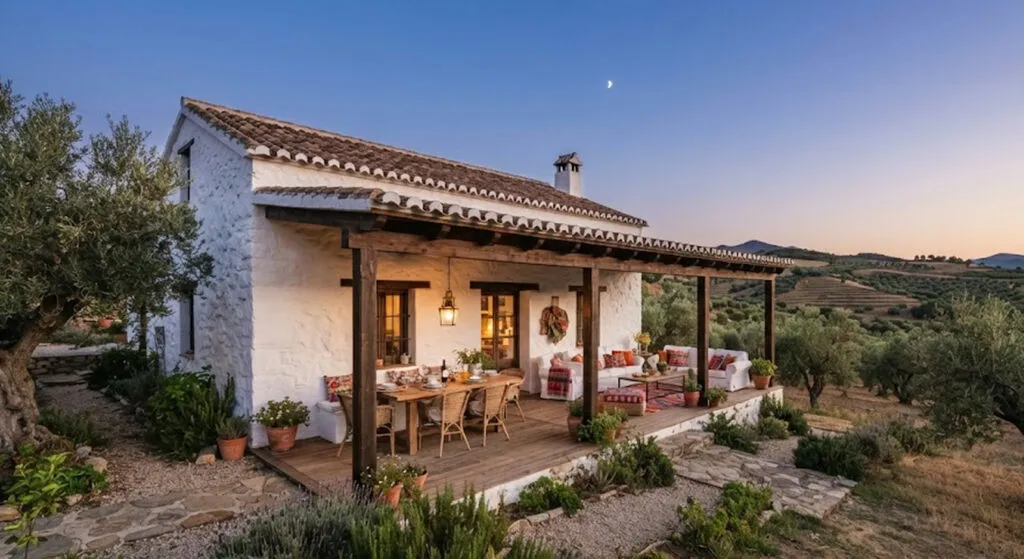
An estate bought the year he became a matador, century-old olive trees and a kitchen with velvet armchairs. How El...

The lower cost of living in the countryside, she says, gives them "ten times more things". A home assembled over...
Bleeding the air, a pressure of 1 to 1.5 bar, 19 to 21 degrees during the day and a reflective...
The design, the insulation and the installations - not the tiles. A Spanish architect explains how to plan a home...
This site uses cookies - is that okay? Learn more
Be the first to know when Metla launches something new
Leave your email and we will write when there is a new guide or something new on Metla.