The Two Survivors of Staro Nagoricane Testified: "He Beat Me for a Full Hour" - and the Experts Wrote That the Risk of Repetition Is High
01.09.2026


01.09.2026

01.09.2026
01.09.2026

01.09.2026

01.09.2026

01.09.2026

01.09.2026

31.08.2026

30.08.2026

01.09.2026

01.09.2026
31.08.2026
01.09.2026

01.09.2026

01.09.2026
01.09.2026
31.08.2026
30.08.2026
01.09.2026

01.09.2026
01.09.2026

01.09.2026
31.08.2026
30.08.2026

09.03.2026

27.02.2026

19.02.2026
31.08.2026
30.08.2026
29.08.2026

23.04.2026

23.04.2026

12.04.2026
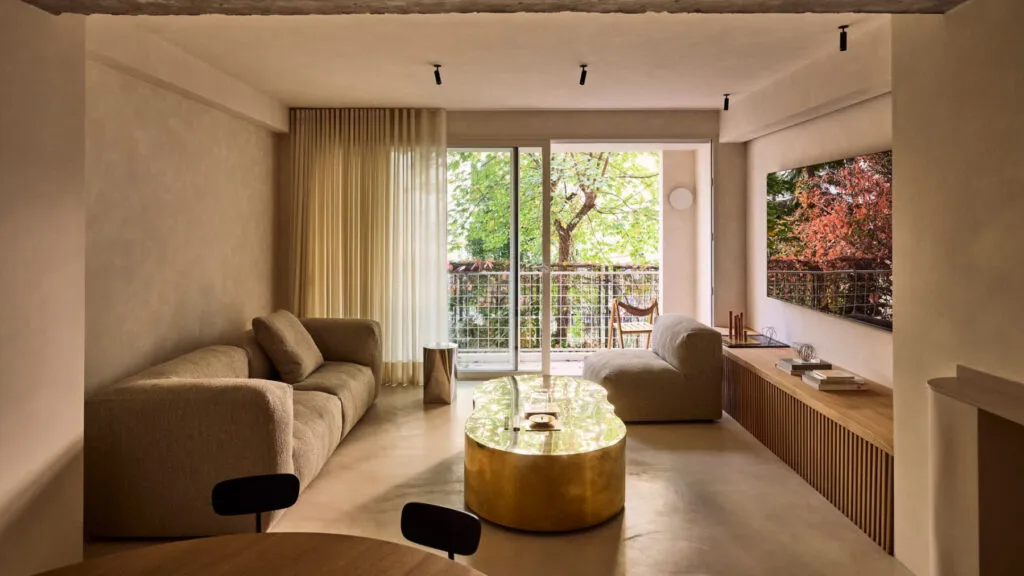
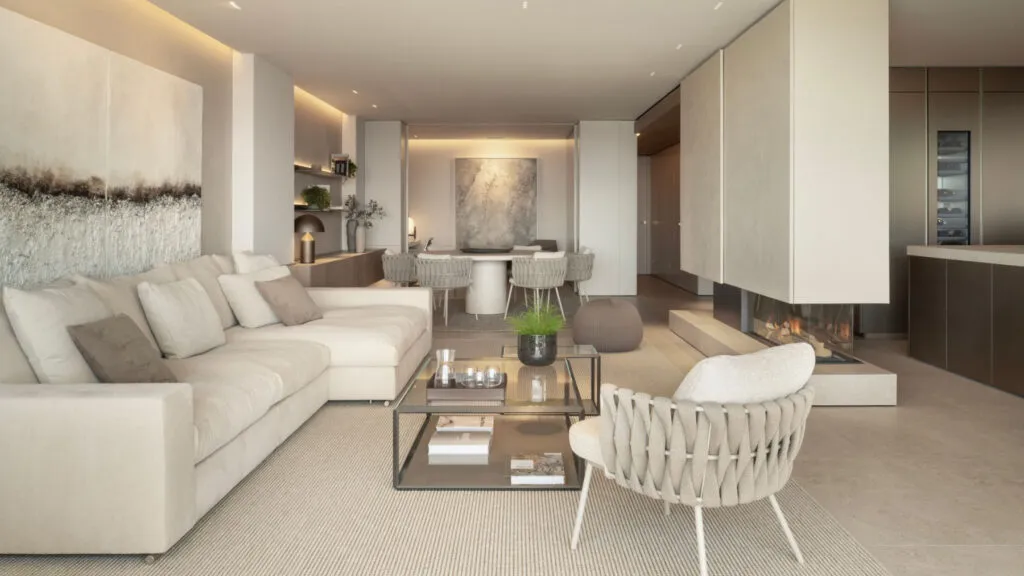
You walk into a perfectly arranged living room and instead of feeling comfortable, you wonder where you are allowed to sit. Nothing is crooked, nothing is worn, nothing says a person lives there. That feeling has a name and it has a culprit - an entire decade in which architecture chased visual purity: straight lines, flawless finishes, spaces that seem to have no history.
Architects Oliver Sancho and Gonzalo Goena, founders of GOS Properties, argue that period is ending. Their thesis is short: "Perfection stops being the goal, opening space for more honest, more human spaces that are deeply personal." In their view, the most distinctive houses are not the most perfect ones, but those that acquire their own architectural and, above all, emotional value.
Personality always adds value
"The most interesting spaces are those that reflect character, where every decision answers to an intention and the home conveys its own identity," they say. The practical consequence is direct: two homes with the same budget and the same architects can - and should - look entirely different, because different people live in them.
The goal is not perfection, but the feeling that the space is alive. As they sum it up: a home is not defined by the perfection of its finishes, but by the sensations it creates in those who live in it.
The material should be visible
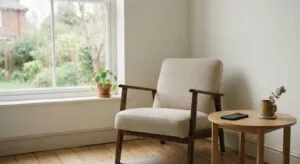
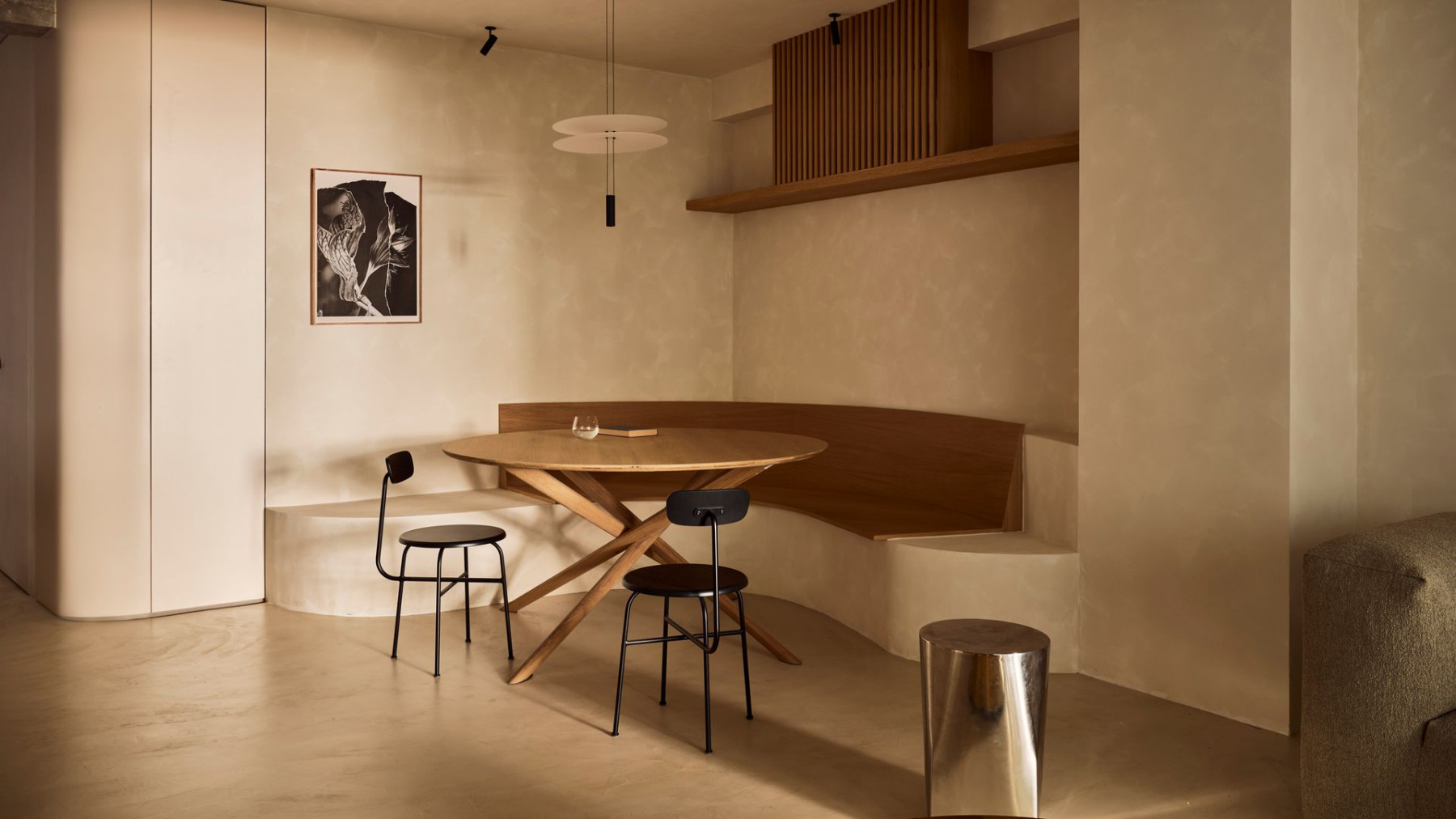
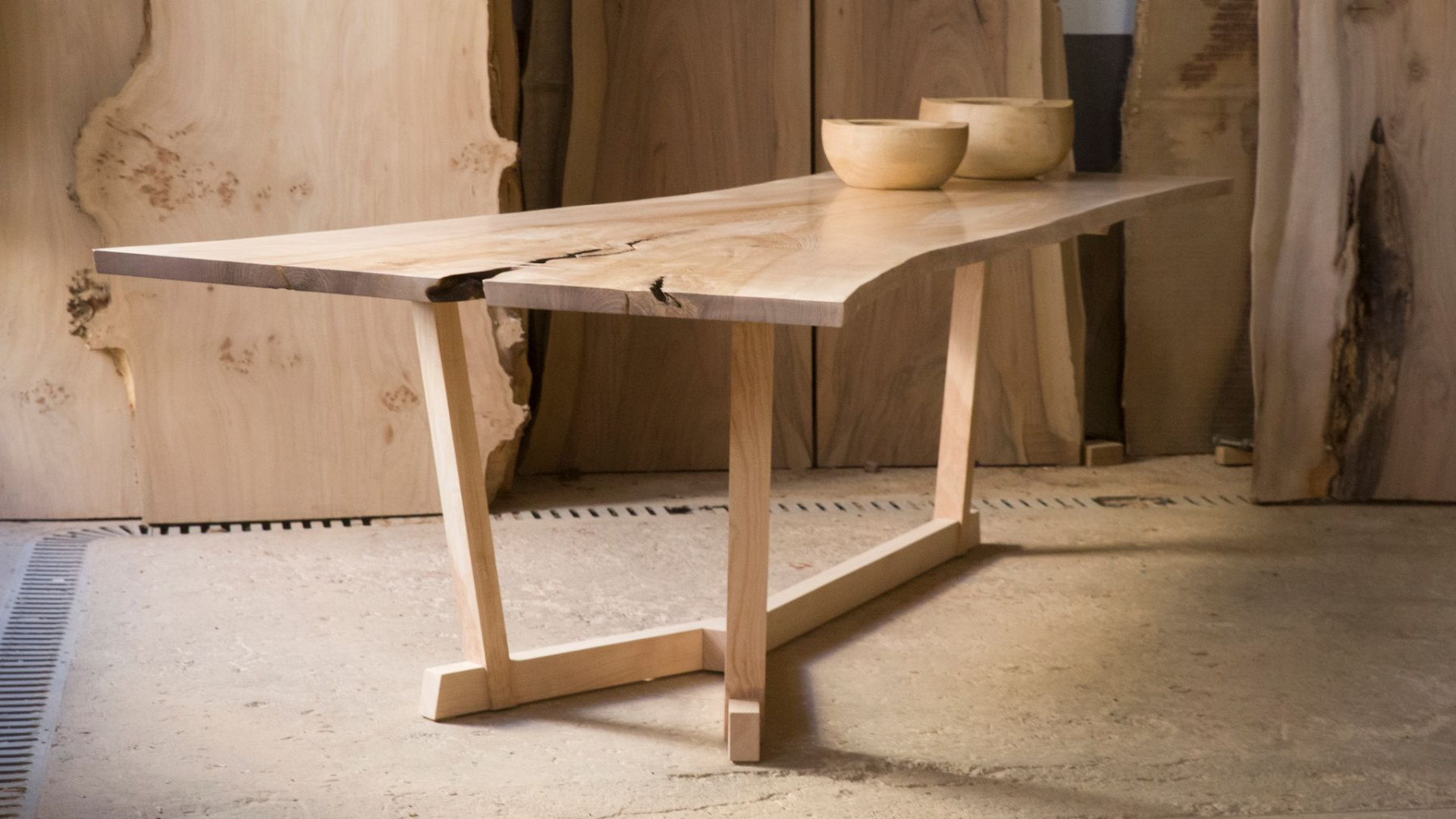
Marble, wood and natural stone were for years hidden under perfect resins and lacquers. The studio asks for the opposite: "Natural wood and stone, metals and mineral coatings have a beauty of their own that does not need concealing. Their grain, tonal shifts, textures and imperfections speak of origin and give a richness that a completely uniform finish cannot achieve."
That is not only aesthetics. Choosing such materials means giving up complete uniformity and accepting that every grain or knot tells a different story, even in the same room.
Handwork is worth something again
In a world of mass production, handmade pieces gain weight. "We increasingly value what people have created. Craft processes introduce small differences that make each piece irreplaceable. That uniqueness gives a project its soul and creates a deeper bond between a person and a space," Sancho and Goena explain.
Curves make architecture more approachable
The right angle dictated our homes for decades. GOS Properties offers a more organic, less categorical vision: "Straight lines now coexist with organic forms that soften the perception of space and create more natural paths. Curves remove rigidity, provide continuity and create a more approachable, almost sculptural architecture, where boundaries feel far more fluid."
Furniture is part of the architecture, not an add-on
Choosing the sofa once the project is finished is, according to this studio, a fundamental mistake. Furniture should be born with the home, not arrive afterwards. "Furniture stops being a later choice and becomes part of the project from the very beginning. We design bespoke pieces that emerge from the architecture itself, complemented by contemporary design that shares the same material and formal language."
That demands a different kind of sketching at the start, but it prevents discovering a few months later that the pieces somehow do not fit.
Light creates atmosphere, not just illumination
Neither fully lit nor dark - real comfort lies in contrast. "Homes do not have to be evenly lit to feel comfortable. Combining direct and indirect lighting with zones of shadow creates richer, more dynamic spaces. Light, technical quality aside, becomes another material in the project."
A fully lit home can be as cold as a dark one. The interesting things happen in the middle zones.
Reflections change the space through the day
Brass, bronze and well-placed mirrors do more than decorate. "Metallic materials such as brass, and mirrors, multiply light and create new perspectives. Reflections blur architectural boundaries, changing each space over time and adding depth without additional elements."
Unlike colour or texture, which stay the same all day, a reflection changes with the light, with the season and with whatever moves in front of it.
Wall texture is not a seasonal trend
"Walls once again show the hand of whoever made them. We work with ecological paints and mineral coatings that combine the craft tradition of lime with the innovation of graphene. Their coats and slight irregularities react to light and give a depth that flat surfaces have lost."
Time completes a home, it does not spoil it
This is the hardest part to accept. Wood that darkens, leather that ages, brass that develops a patina - that is not a defect, it is the best part of the project. "Materials are alive and change over the years. Wood shifts tone, brass acquires its own patina, stone gains new shades from use. Instead of fighting that process, we believe architecture should embrace it, allowing every home to change and develop in its own imperfection."
That requires a shift in thinking: stop expecting the home to stay exactly as it was arranged, and start valuing it precisely for how it changes.
What of all this applies here
Far more than it sounds. Half of these principles require no budget - they require giving something up. The glossy lacquer that hid the wood. The foil that imitates stone. The idea that the table you inherited from your grandfather is a temporary solution until a new one is bought.
That is what this text really says: the most expensive aesthetic of the past decade consisted of making everything look new and like it belonged to nobody. It turned out to be the fastest-ageing one too.
The latest 10 news from this category
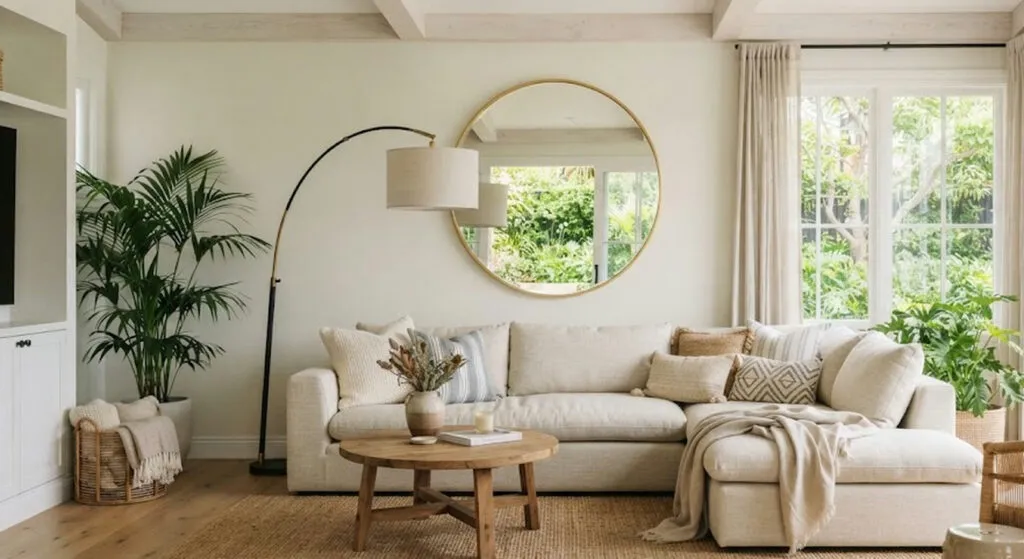
The difference is not the money, but whether the space was decided in advance or filled with whatever had nowhere...
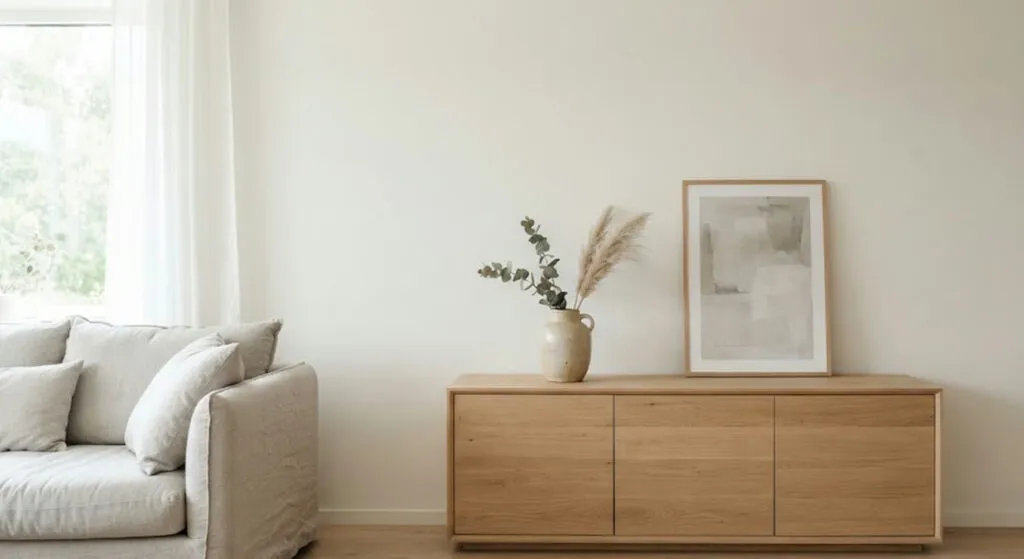
An interior designer said the thing that is hardest to accept around here - an empty wall is a decision,...
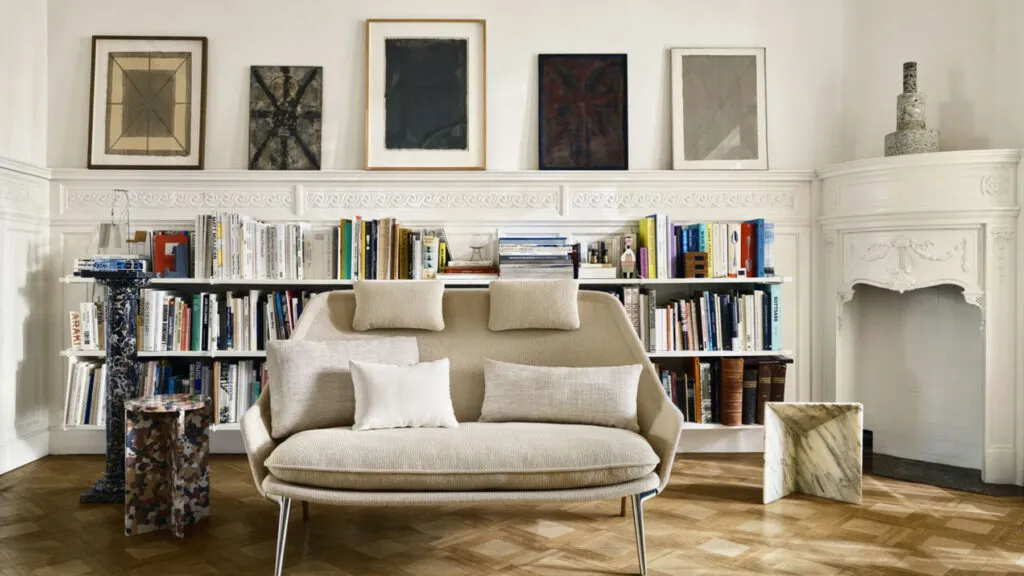
A mirror, mouldings, a shelf, or just paint. The biggest mistake is not the wrong choice, but hanging something because...
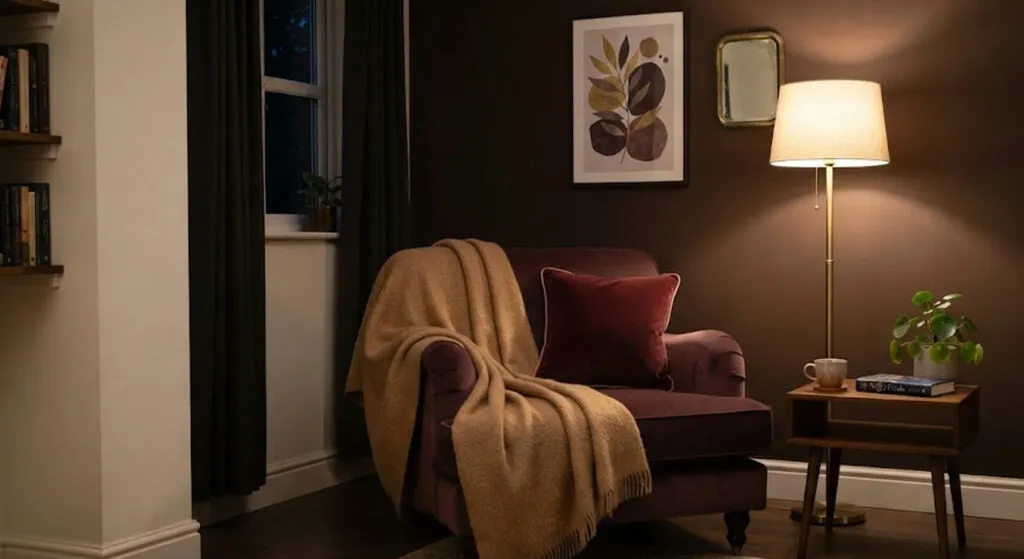
Chocolate brown has been named colour of the year, while plum and burgundy want a wall, not a whole room....
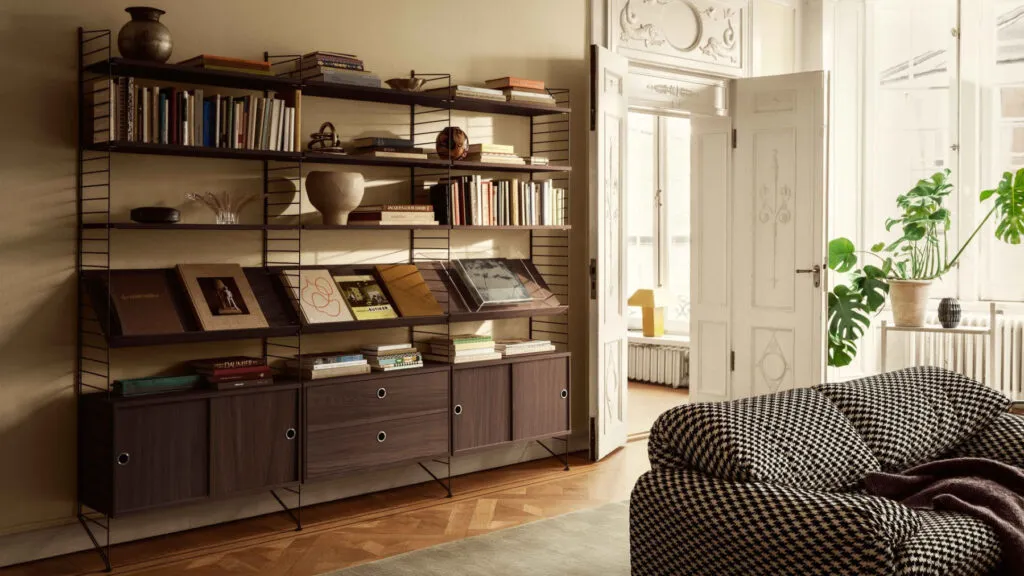
For years we have asked flats for something they never signed up to, and we still furnish them as though...
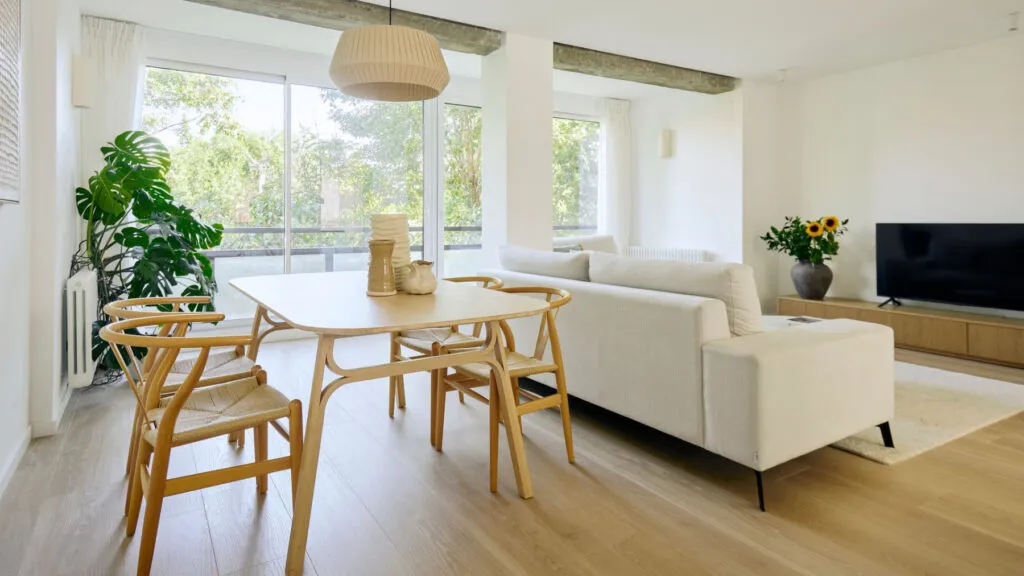
The architect did not ask about style, but about how they wanted to live five years from now. The result...

Jordi Cruz and Rebecca Lima opened up their house two years after the wedding. The basic material is not oak...
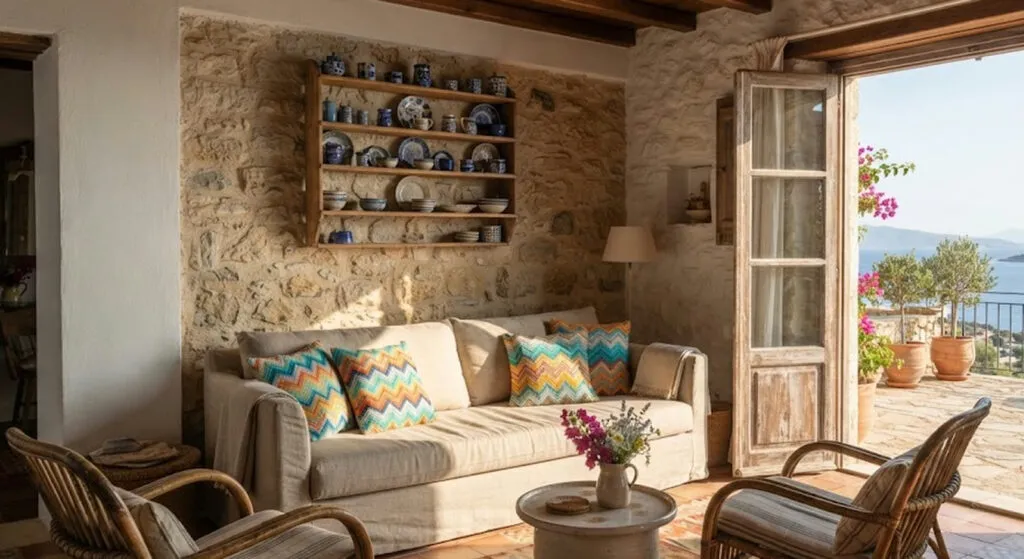
The most expensive family in the story gives the cheapest lesson. Not one piece in the living room is from...
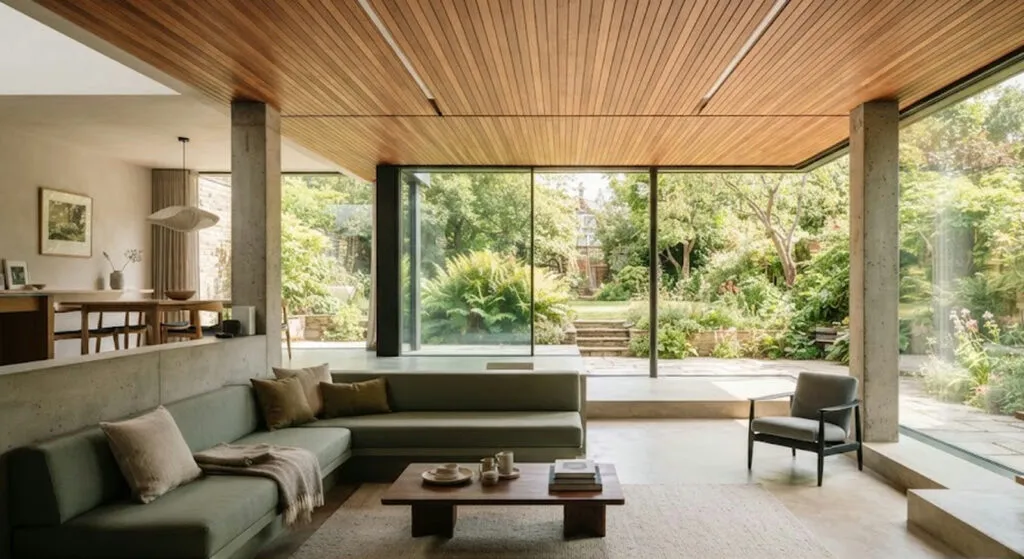
330 square metres in Biscay, a living room on two levels and a red staircase deliberately left untouched. The idea...
If the same tone and the same finish go literally everywhere, the space does not become calm - it becomes...
This site uses cookies - is that okay? Learn more
Be the first to know when Metla launches something new
Leave your email and we will write when there is a new guide or something new on Metla.