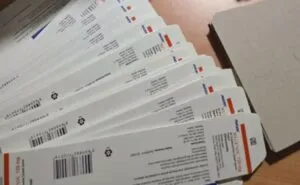
Cancer Drug in a First Aid Kit at Bogorodica: Why Was the Driver Also Carrying 30 Labels?
22.10.2026


22.10.2026
22.10.2026
22.10.2026
22.10.2026
22.10.2026
22.10.2026
22.10.2026

22.10.2026
21.10.2026
22.10.2026

22.10.2026

21.10.2026
22.10.2026

22.10.2026

22.10.2026

22.10.2026
21.10.2026

20.10.2026
22.10.2026

22.10.2026
21.10.2026

22.10.2026
22.10.2026
21.10.2026
22.10.2026
20.10.2026
19.10.2026

23.04.2026

23.04.2026

12.04.2026

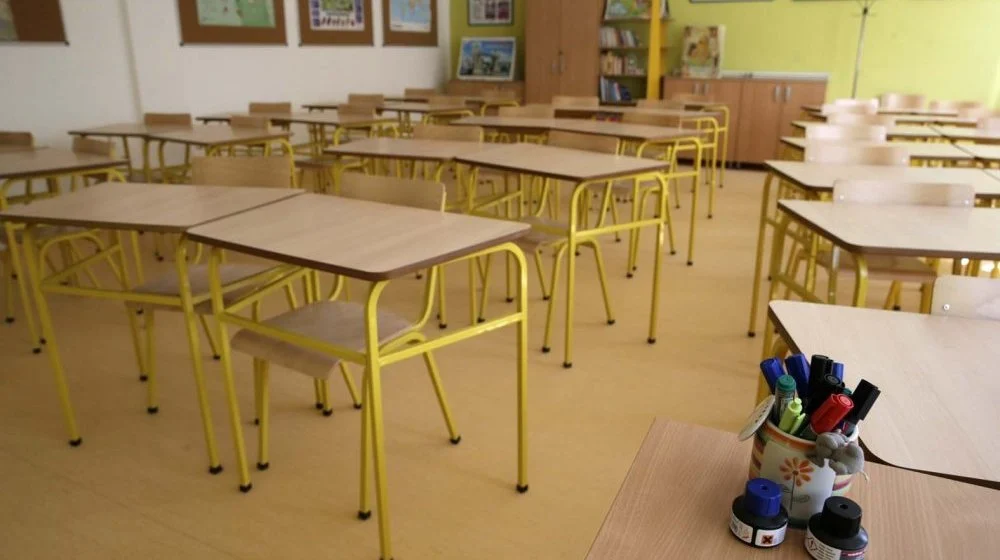
Around 14,500 first-graders have been enrolled so far for the 2026/2027 school year, Education and Science Minister Vesna Janevska announced. The figure is not final - enrolment runs until the end of September. But even as it stands, it raises a question that birth rates do not close.
The children due to sit down in first grade this year were mostly born in 2020. According to the State Statistical Office, 19,031 live births were registered in the country that year. The gap with those enrolled so far is around 4,500 children - nearly 24 percent of an entire generation.
The decline is not just continuing - it is accelerating
In the 2016/2017 school year, 23,266 first-graders were enrolled. In 2023/2024 - 19,848. The following year 19,452. In 2025/2026 - 17,921. And now around 14,500.
Look at the pace, not just the numbers. Between 2023/2024 and 2024/2025 the difference was 396 children. The following year the drop was 1,531. This year, based on currently available data, around 3,400. Each year the hole is bigger than the last.
The birth rate really is falling - from 19,031 live births in 2020 to 16,061 in 2024. But the timing matters here: children born in 2024 start school in 2030. Those walking into classrooms this year were born when live births were still above 19 thousand. So a falling birth rate does not fully explain today's gap.
The other factor has a name everybody knows and nobody wants to write into a report.
The schools are emptying, the teachers are multiplying
This year there are around 200 fewer classes in primary and another 100 fewer in secondary education. In 26 rural schools not a single first-grader has enrolled, and some of them are set to close.
And now the number you will not find in any party statement. In the 2023/2024 school year there were 955 regular primary schools and 18,831 teachers. By 2025/2026 the number of schools had fallen to 927, while the number of teachers rose to 19,461. That is 28 fewer schools and over 600 more teachers - in just three years.
The Ministry says there will be no dismissals of teachers on permanent contracts, and one of the solutions on the table is expanding all-day teaching.
One system, two different countries
The demographic picture is not the same everywhere. While rural areas lose their pupils and their schools, parts of Skopje need additional classrooms and teaching staff. Internal migration towards the capital and the larger centres breaks the education system from both ends at once - in one place there is nobody left to teach, in the other there is nowhere to teach them.
For context, at the start of the 2024/2025 school year 180,627 pupils were enrolled in regular primary schools and 67,143 in secondary. A total of 247,770 children in the system, with an annual decline of 0.8 percent in primary and 0.2 percent in secondary. The drop is sharper among primary pupils - which means the secondary schools are waiting their turn.
The final number of first-graders will be known once enrolment closes. Until then, one image is worth keeping: 19,031 babies were born in this country in a single year, and six years later around 14,500 sit down in a classroom.
The latest 10 news from this category
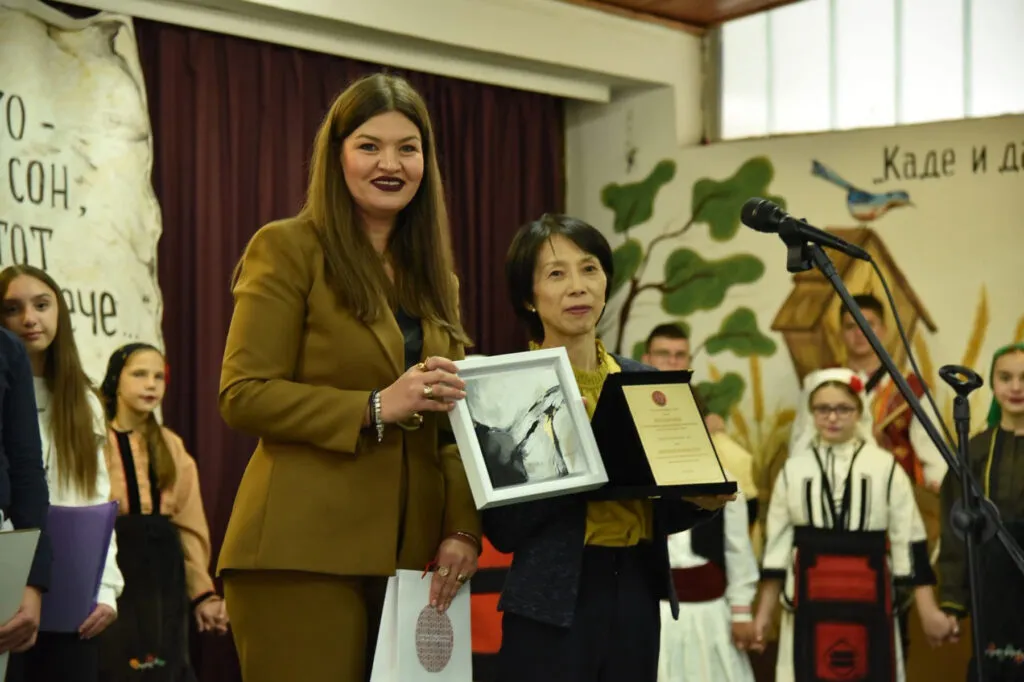
Part of the roof of the "St. Kliment Ohridski" school in Bitola was renovated with money from the Embassy of...
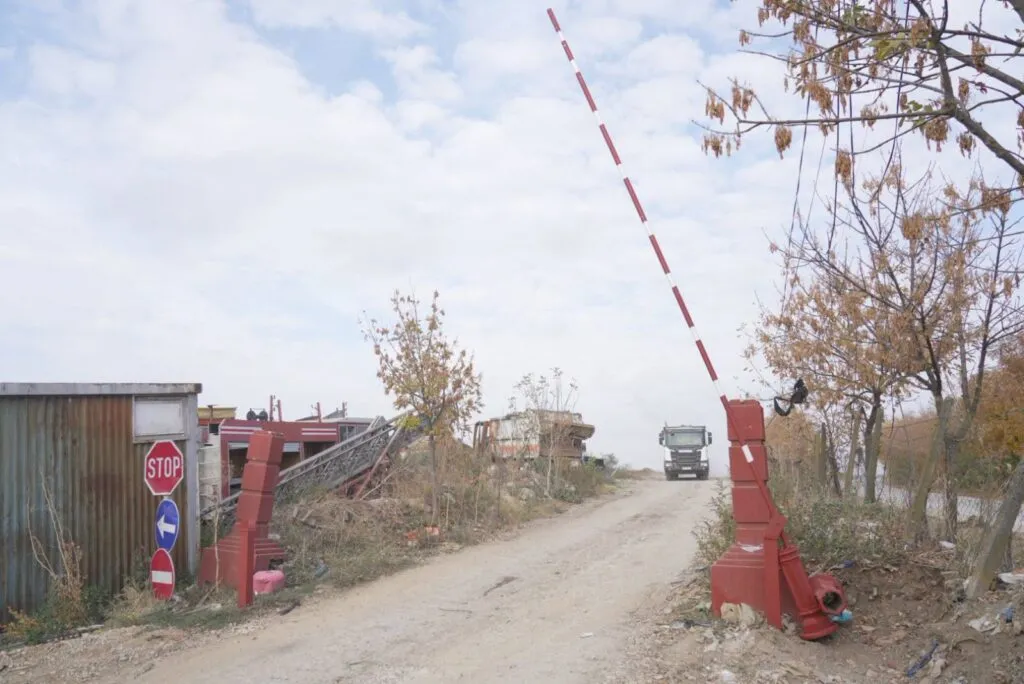
Mayor Dimitrievski showed off video surveillance and announced gates and lighting. The measures came after months of fires and a...
The initiative was dismissed over a "procedural obstacle," not on the merits. For the second time this year, the Court...
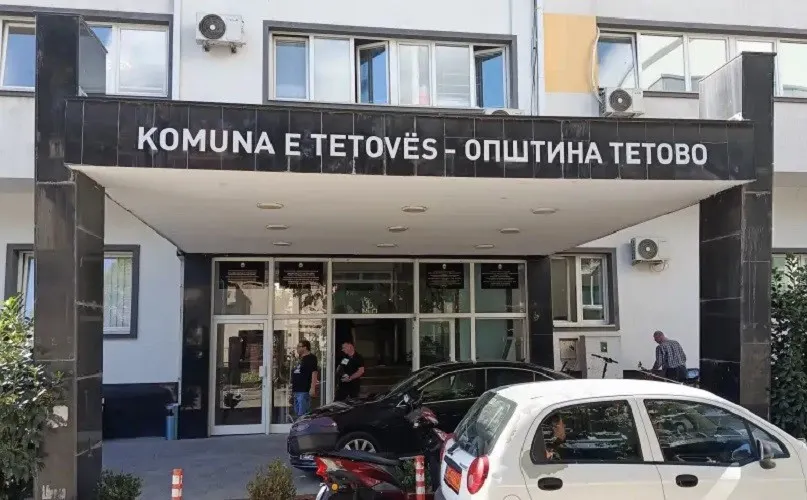
Citizens owe the municipality around 5 million euros, and half of it is already with enforcement agents. At the counter,...
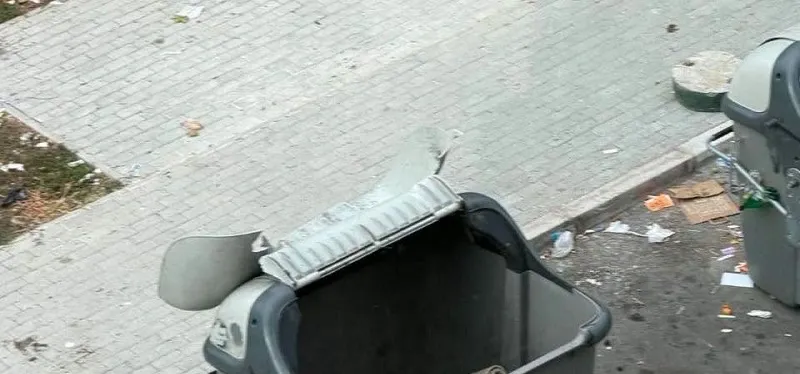
The mayor of Aerodrom put her photo on Facebook and called her irresponsible. She says the bulky waste was reported...
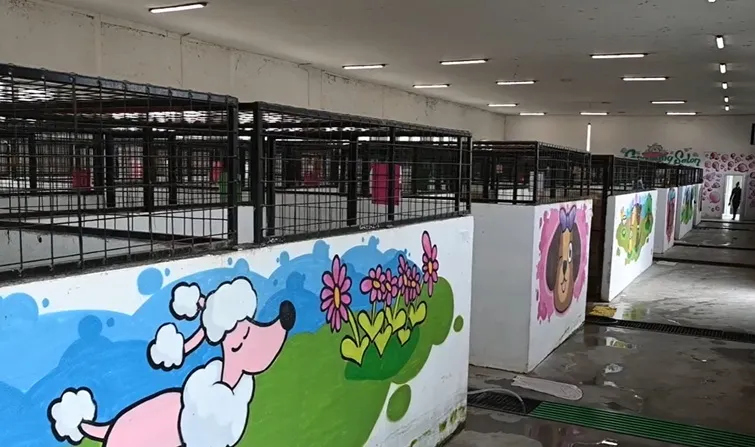
The money for more capacity for stray dogs is secured, but the city company's existing facility isn't in any urban...
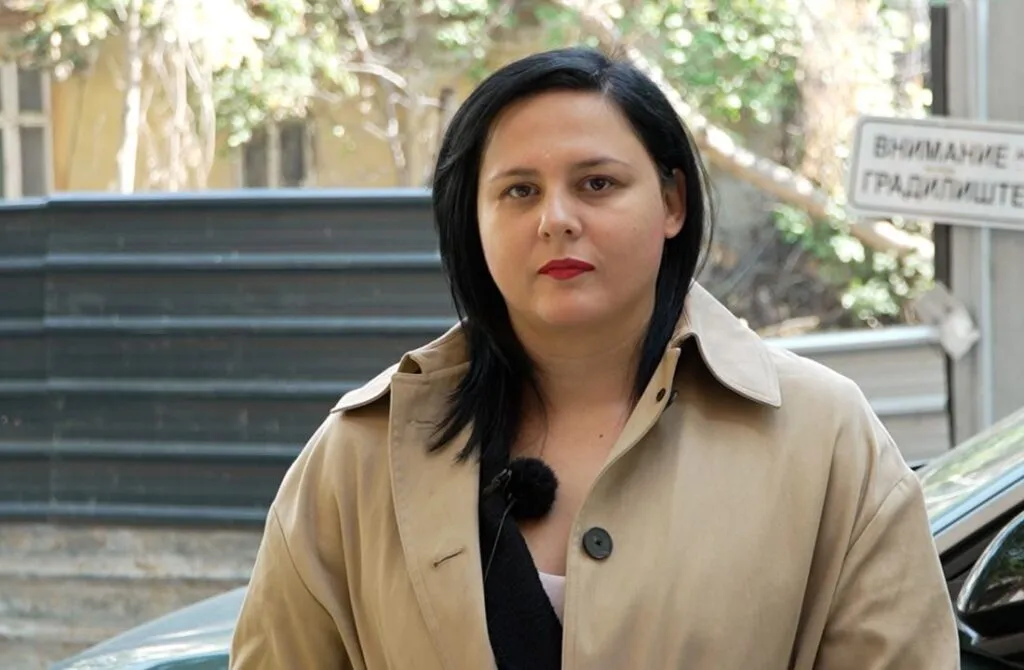
The opposition in Centar claims the building inspectorate doesn't work and the complaints are gathering dust in a drawer. The...
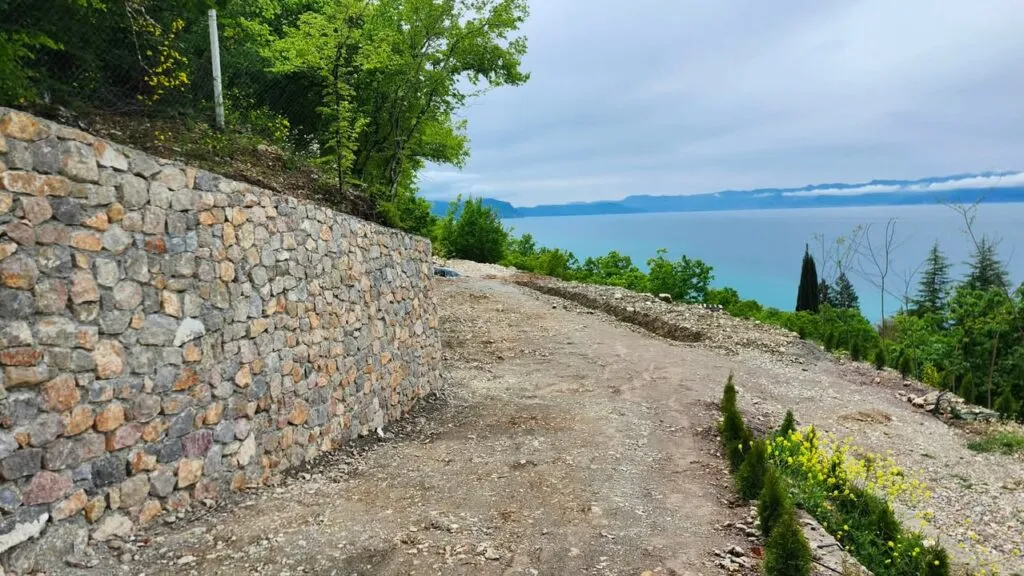
The national park itself established the violations and filed complaints with four institutions. Three years later, the scar at Lagadin...
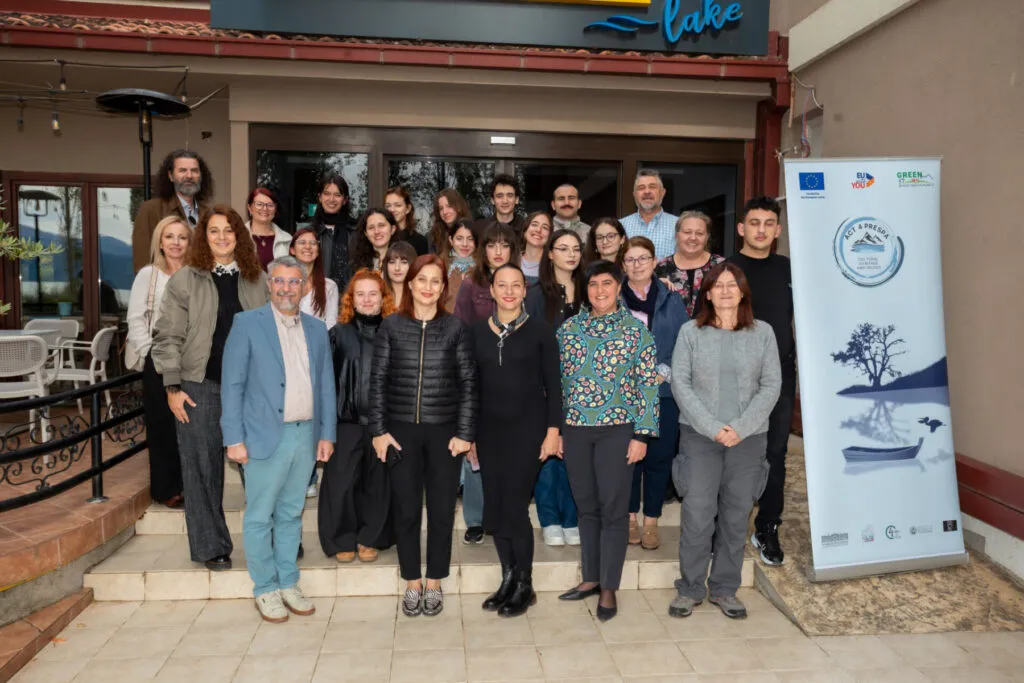
Twelve papers, a field trip to Ljubojno and European money. The question is whether the knowledge will reach the people...
Nickel in the soil, drought among the oaks, Prespa in a climate crisis. The knowledge is there - it just...
This site uses cookies - is that okay? Learn more
Be the first to know when Metla launches something new
Leave your email and we will write when there is a new guide or something new on Metla.