
ЕВРОПА ГАЛОПИРА КОН ЈУГОСЛОВЕНСКО СЦЕНАРИО – ДАЛИ ИСТОРИЈАТА СЕ ПОВТОРУВА?
23.10.2026


23.10.2026

23.10.2026

23.10.2026

23.10.2026

23.10.2026

23.10.2026

23.10.2026

22.10.2026

22.10.2026

23.10.2026

23.10.2026
22.10.2026

23.10.2026

23.10.2026

23.10.2026

23.10.2026

22.10.2026
21.10.2026

23.10.2026

23.10.2026

23.10.2026

23.10.2026

23.10.2026

22.10.2026

23.10.2026

23.10.2026

23.10.2026
22.10.2026

20.10.2026

19.10.2026

23.04.2026

23.04.2026

12.04.2026

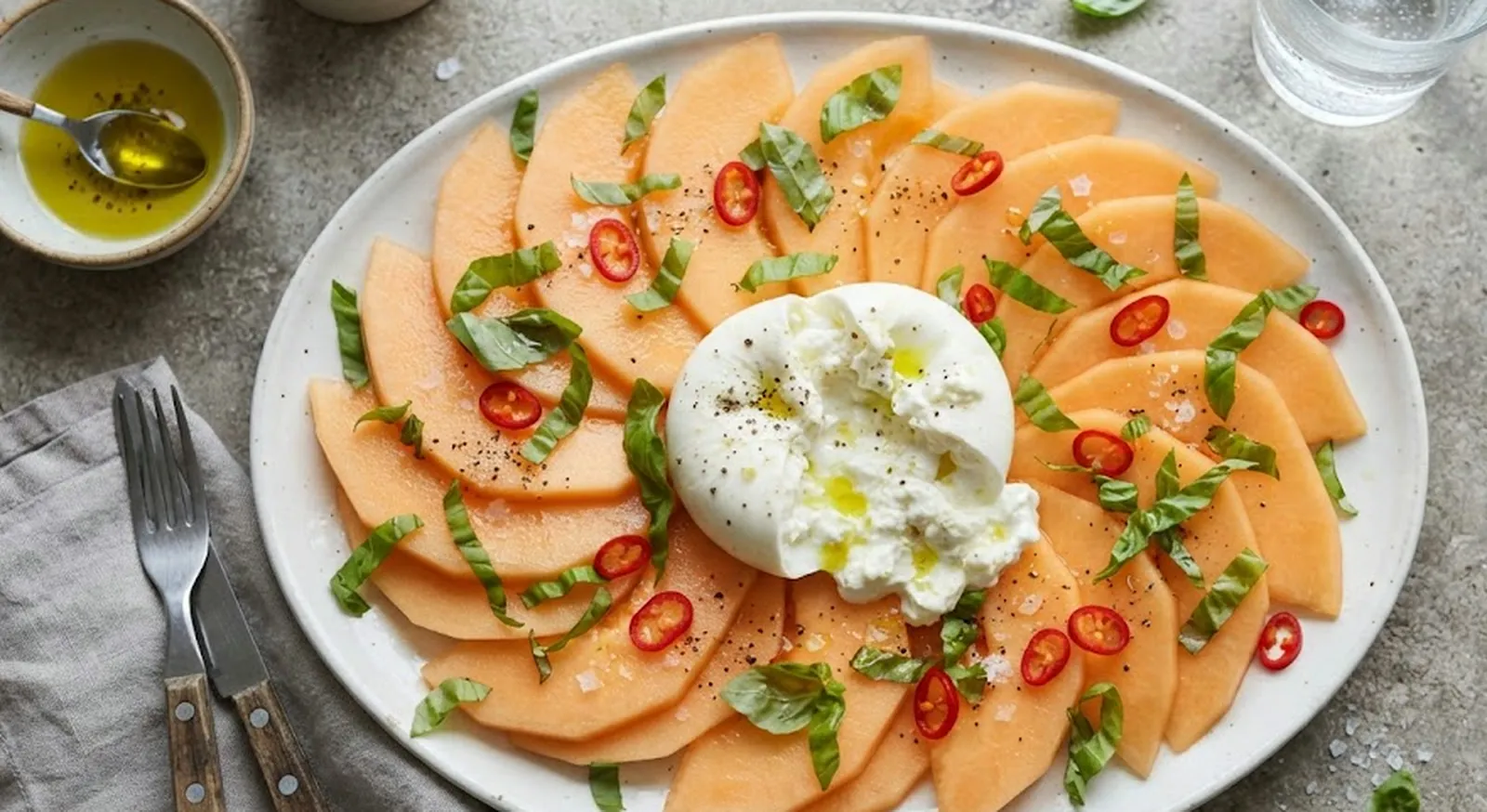
Melon has exactly one place here - the end of lunch, cold, cut into crescents. And that is a good place. The problem is that its season ends in a few weeks, and it has spent the whole summer working as dessert, never as a dish.
The Italians long ago moved it to the start of the table, with prosciutto. Spanish kitchens went a step further - they slice it so thin it becomes carpaccio, and treat it as salt and acidity, not as sugar.
Why it works at all
A ripe melon has firm, juicy flesh that tolerates very thin slicing. The natural sweetness binds with salt, the water keeps it fresh, and the flavour is neutral enough to take almost any dressing. Those are the four things you want from a base for a starter.
The step that decides everything
Cut with a mandoline or a genuinely sharp knife. Thickness is everything - at three millimetres it is fruit, at one it is carpaccio. And if it releases a lot of juice, blot it with a paper towel before serving. A wet base dilutes the dressing and the whole dish turns lukewarm.
With tomatoes and burrata
A small cantaloupe of 700 to 900 grams, two burratas, two ripe salad tomatoes and one kumato. Deseed the melon, peel it and slice it thin. Cut the tomatoes at three to four millimetres and alternate them with the melon so the colour shifts. Half a red onion finely sliced, 80 grams of kalamata olives, burrata in the middle. On top, olive oil, salt, pepper, a basil leaf and, if you like, a few drops of balsamic glaze.
With basil and lime
The fastest of the four. Thin slices of melon arranged in concentric circles, then thinly sliced fresh red and green peppers on top (remove the seeds if you want less heat), basil leaves, lime zest and its juice right before serving. Olive oil, salt, pepper. That is it.
With prosciutto, mozzarella and rocket
Here the melon is honeydew, not cantaloupe. A hundred and twenty grams of thinly sliced Spanish cured ham, 125 grams of fresh mozzarella, 60 grams of rocket, 30 grams of pine nuts. Toast the pine nuts in a dry pan for two to three minutes until golden - that is the difference between a nutty flavour and nothing at all. Lay the ham in folds, not flat, so it does not stick to the melon. Rocket in the middle, pine nuts on top, oil, salt, pepper. Serve immediately.
With carabineros and a black olive vinaigrette
The most ambitious one. Four carabineros, 40 grams of pitted black olives, one lemon, a quarter of a vanilla pod. Remove the prawns' heads, peel them but leave the last segment on the tail, take out the vein and sear them quickly on a grill with a little oil. Chop the olives finely. From the lemon take the zest and thin strips of peel, which you will blanch for thirty seconds. The vinaigrette: five tablespoons of olive oil, the lemon juice, the zest, the chopped olives and the vanilla seeds. Salt and pepper. Prawns over the carpaccio, vinaigrette on top, then the strips of peel and basil.
Vanilla in a savoury dish sounds wrong until you taste it. It does not add sweetness - it opens up the flavour of the prawn and binds the melon to the olive, two things that otherwise have no common ground.
The latest 10 news from this category

Jesús Sánchez defends squid against every add-on that supposedly improves it - egg, milk, and even lemon.
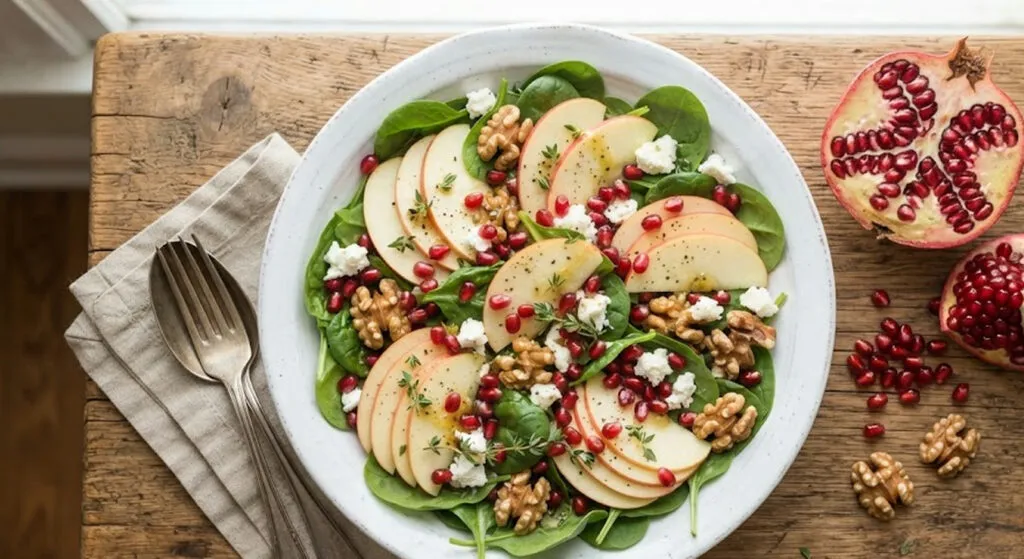
The seeds burst between your teeth, the sweet-sour taste tames the salty, and the juice is a ready-made dressing. In...
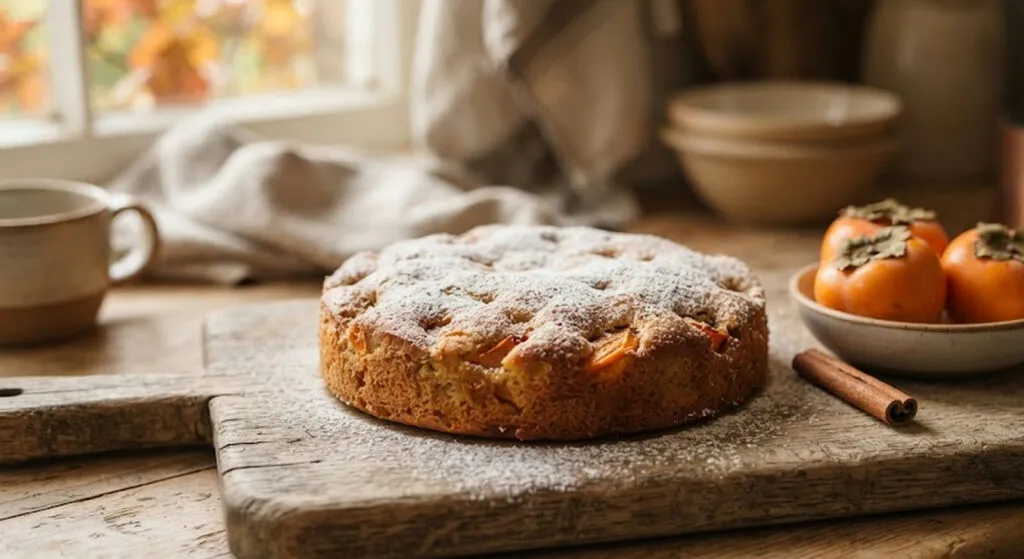
The persimmons that have gone too soft to eat are exactly the ones you need. A recipe for a 22-centimetre...
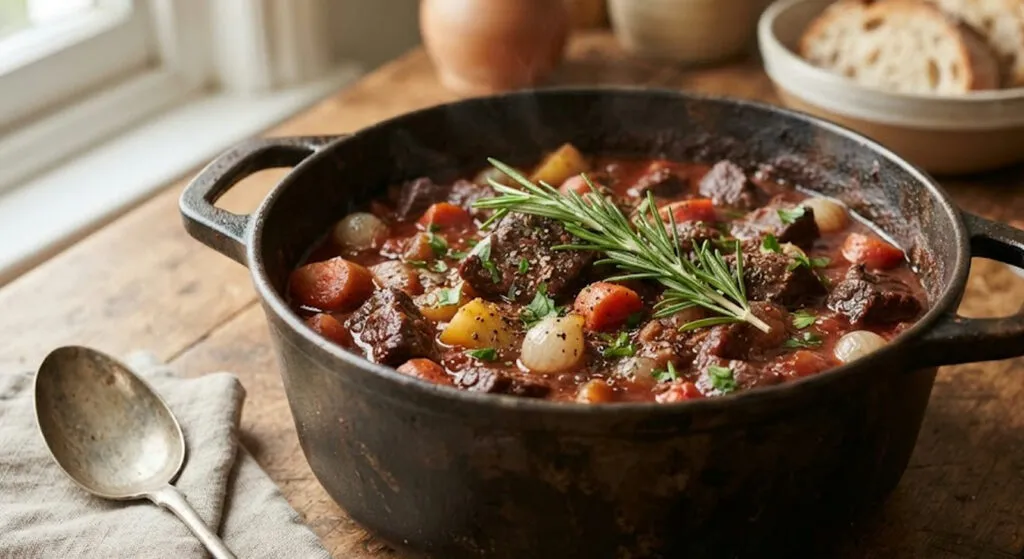
The most tender stew is not made from the leanest meat, but from the cuts that demand patience. And it...
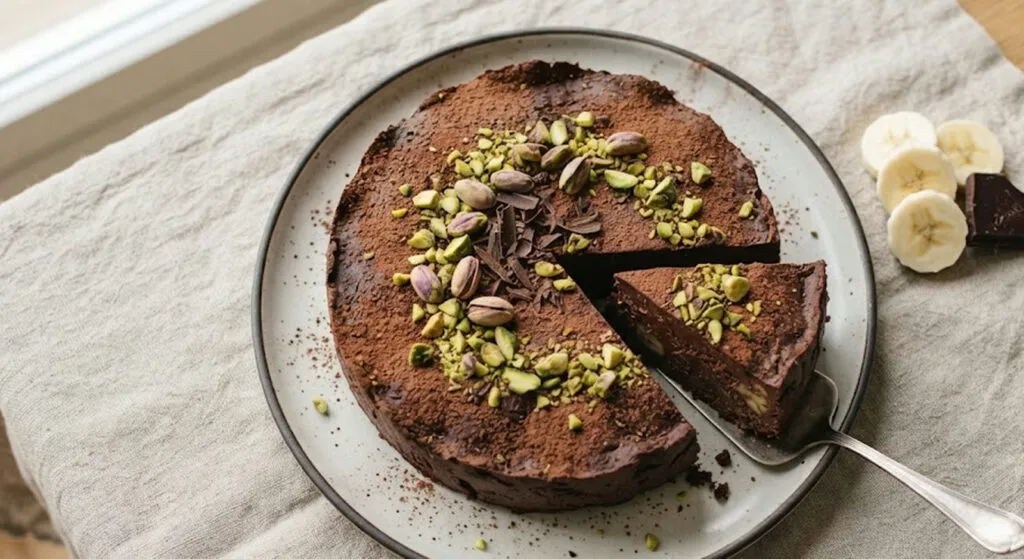
Two ripe bananas, a little dark chocolate and a fridge instead of an oven: the Olympic canoeist's dessert for evenings...
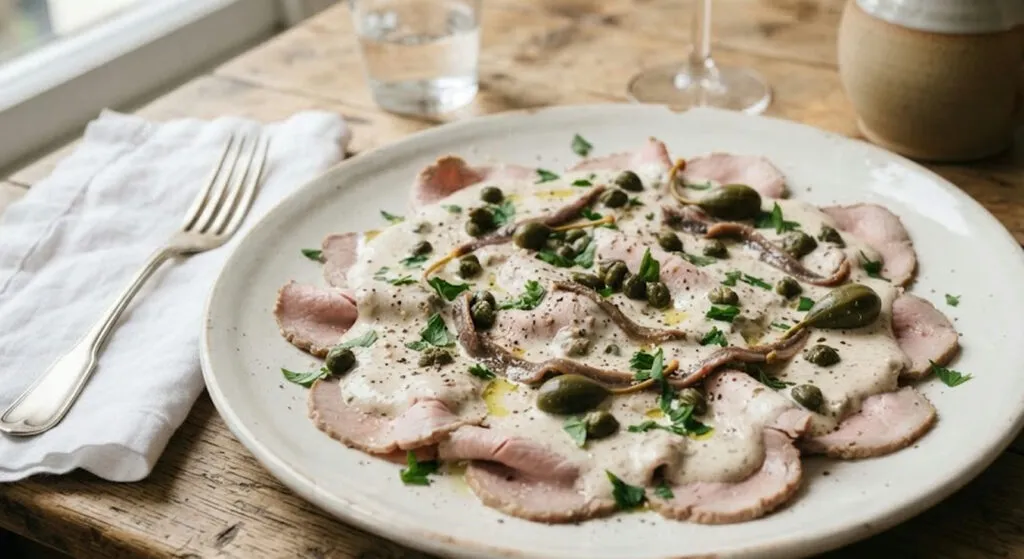
Lean meat that never goes above 65 degrees inside, a night in the fridge and a mayonnaise with tuna, anchovies...
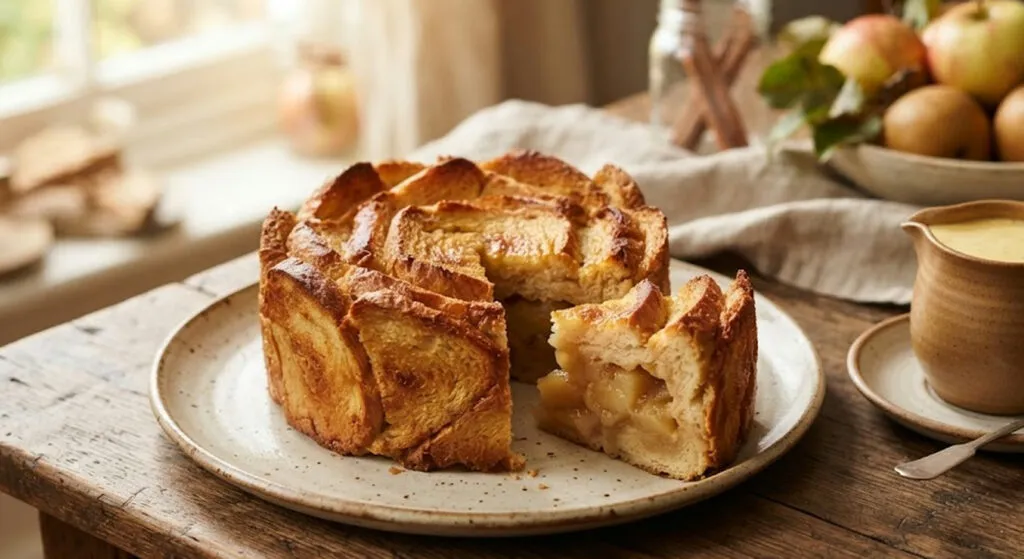
The British turned stale bread into a warm pudding served with custard. The secret isn't the bread, it's the filling,...
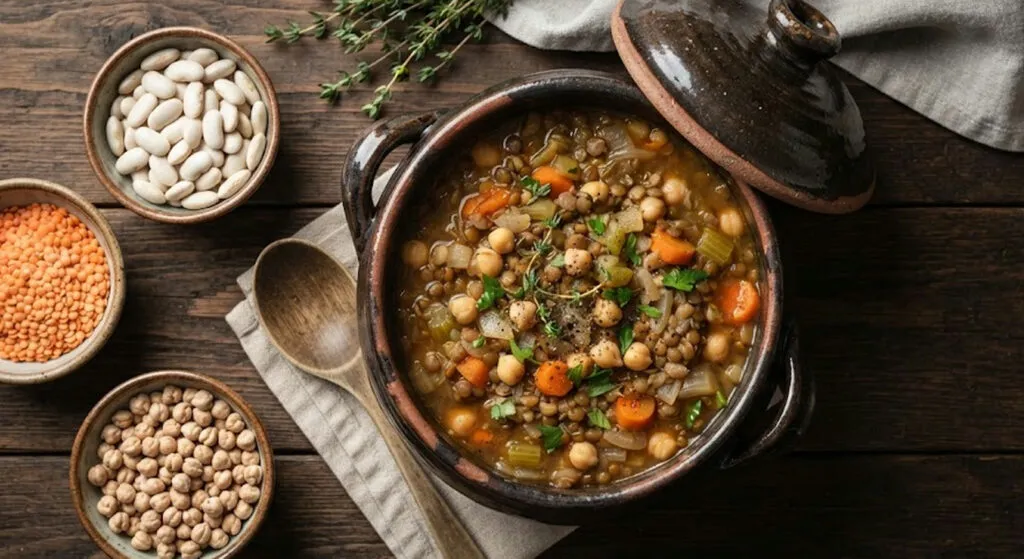
Cheap, filling, cholesterol-free and happy to wait months in the pantry. Ten legume recipes for autumn - and the trick...
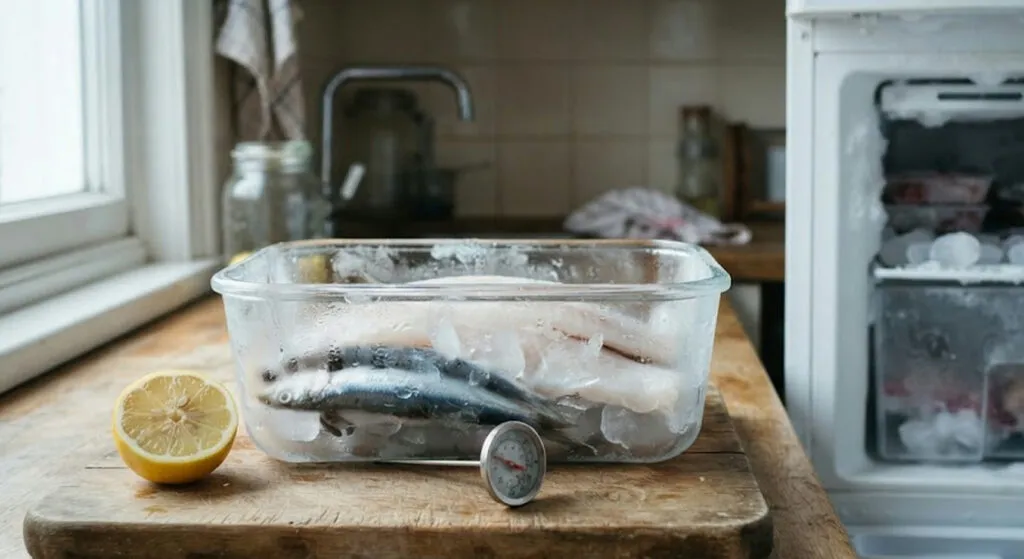
The larvae are killed only by 60 degrees at the centre of the piece or at least four days in...
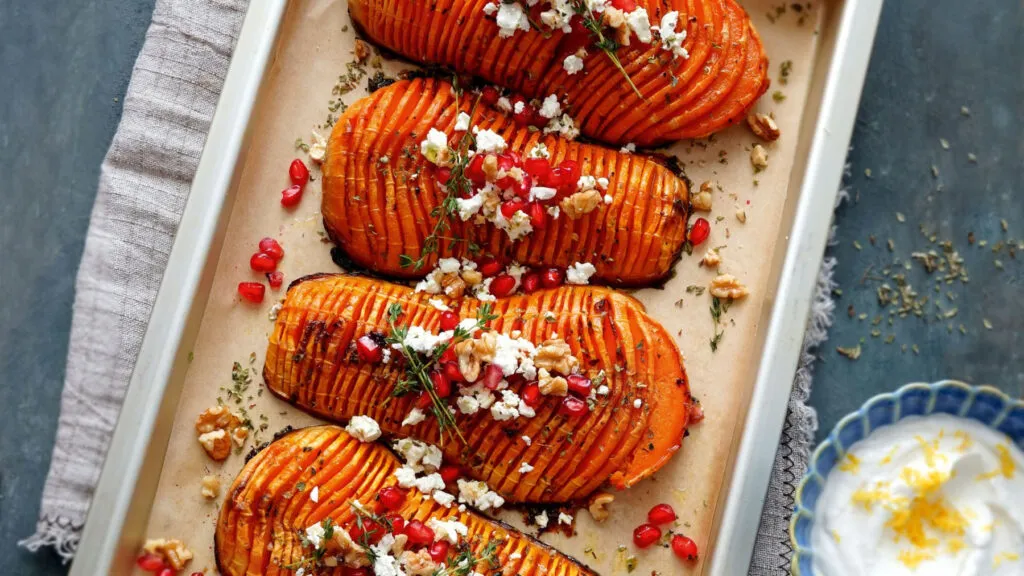
In Macedonia, pumpkin usually ends up in tikvenik, the filo pumpkin pie, or baked with sugar. Three recipes for four...
This site uses cookies - is that okay? Learn more
Be the first to know when Metla launches something new
Leave your email and we will write when there is a new guide or something new on Metla.