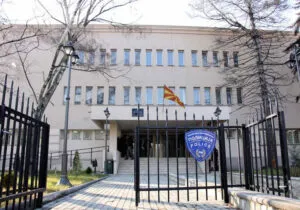
Counter-terror raid in Skopje: an ISIS flag and weapons, while official details come "once it's over"
29.09.2026


29.09.2026

29.09.2026
29.09.2026

29.09.2026

29.09.2026

29.09.2026

29.09.2026

28.09.2026

27.09.2026

29.09.2026

29.09.2026

28.09.2026

29.09.2026

29.09.2026

29.09.2026

29.09.2026

28.09.2026

27.09.2026

29.09.2026

29.09.2026

29.09.2026

29.09.2026

29.09.2026

28.09.2026

09.03.2026

27.02.2026

19.02.2026

29.09.2026

28.09.2026

27.09.2026

23.04.2026

23.04.2026

12.04.2026

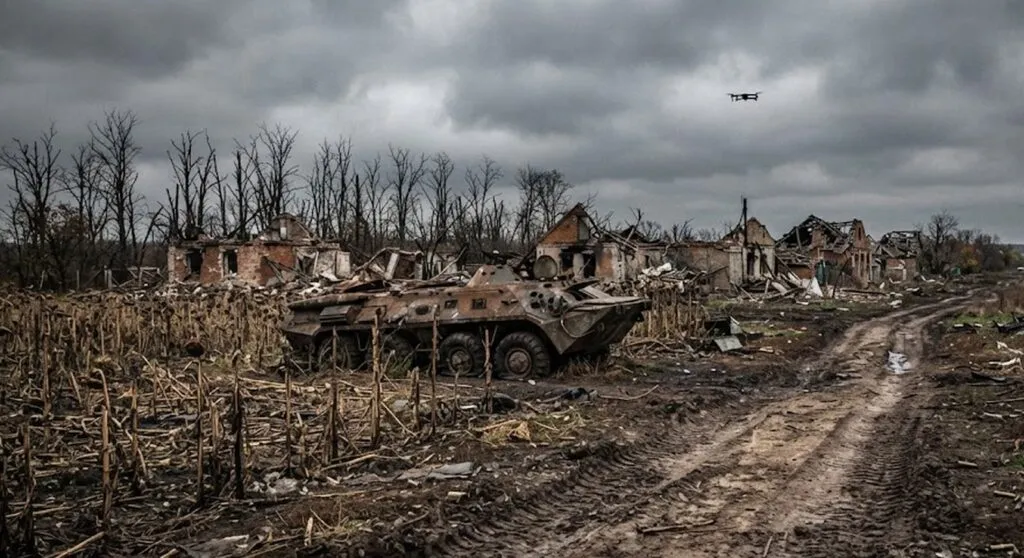
Ukrainian forces have liberated three more villages in the north of Donetsk region as part of the offensive Operation Vivaldi. The news was confirmed on September 28 by the commander of the Third Army Corps, Brigadier General Andriy Biletsky. According to him, Russian forces suffered more than 2,000 personnel losses in this phase, and over 250 soldiers were captured.
The settlements of Ridkodub, Nove and Katerynivka have been liberated, and full control has been established over Karpivka and Novomykhailivka. The new phase brought 51 square kilometres of liberated territory, bringing the total area recaptured in the operation to 176 square kilometres. On the map of a war that has lasted years, that isn't much - but on a front where every metre comes at a high price, it is a number people notice.
"The movie-style notion that 'Russians don't surrender' has in practice turned out to be the surrender of entire units, including officers, pilots and artillerymen," Biletsky said. He added that he hopes the prisoners will soon be exchanged for Ukrainian soldiers. That may be the most important part of the story: every captured Russian soldier is potentially one Ukrainian coming home.
The operation was only officially announced on September 15, but Russian Telegram channels and independent OSINT analysts had been tracking Ukrainian attacks in the area since late spring. The goal was to eliminate the large Russian salient on the front, created in last year's fighting - one of the two main axes along which Russian forces were trying to encircle the remaining Ukrainian defenders in the region.
The latest data brings official Ukrainian figures closer to those previously published by OSINT analysts and Russian military bloggers, who said Ukrainian forces had pushed east as far as the Zherebets River. When one side's numbers are confirmed by the other side's bloggers, that's worth more than any press release. The Balkans know from their own wars that the first casualty at the front is information - and this offensive was fought almost entirely under an information blackout.
Deception as a weapon
"One of the key factors in our success was deception operations," Biletsky said. According to him, the enemy was convinced the main axis of attack was Shandryholove - Zelena Dolyna, so it wasted its reserves on counterattacks there and missed the main strike, aimed at taking the village of Nove. The first two phases were announced in a similar way: the first on September 15, when the offensive got its name, and the second on September 20, with the liberation of Shandryholove and Derylove.
This is a rare example of a successful Ukrainian offensive amid a severe shortage of soldiers and drone dominance that has created a so-called "kill zone" over the front. The Third Corps says success came from neutralising Russian drones and logistics and from creative use of technology - including ground drones, such as modified Soviet armoured personnel carriers used as "kamikazes". Released footage shows heavy drones carrying unmanned ground vehicles and dropping them more than ten kilometres behind Russian lines.
A war that tanks started is increasingly being fought by machines with no crew. The question is how long it will take before this becomes standard in every army - and how ready those who still think it's science fiction will be.
The latest 10 news from this category
While Kyiv and Seoul argue over two prisoners, Pyongyang is picking thousands more soldiers for training and deployment to Russia....
More than half the drones were jet-powered, and the fastest thing in the sky was an unconfirmed report of a...
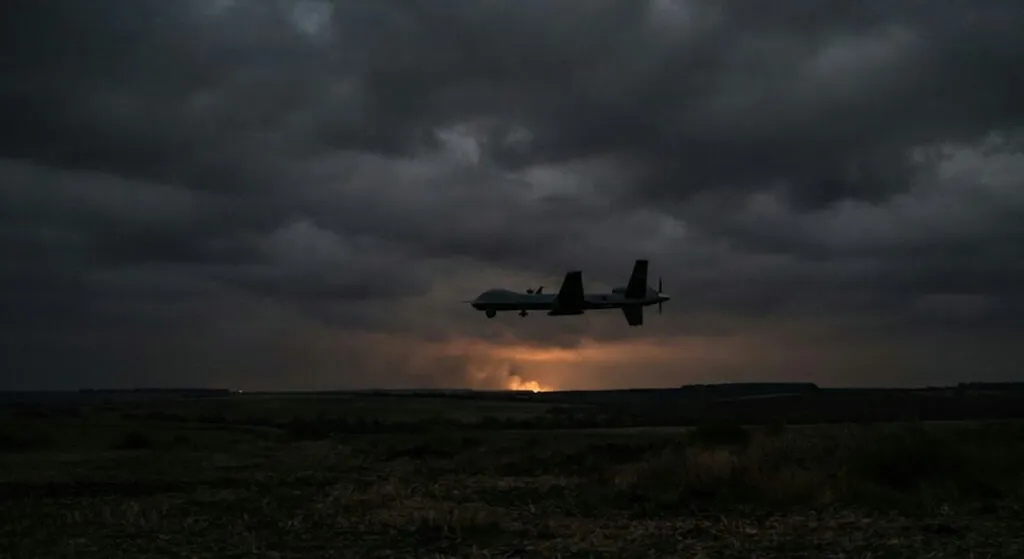
Ukrainian programmers and gamers are flying drones that strike up to 2,900 kilometres deep inside Russia. Moscow hits back with...
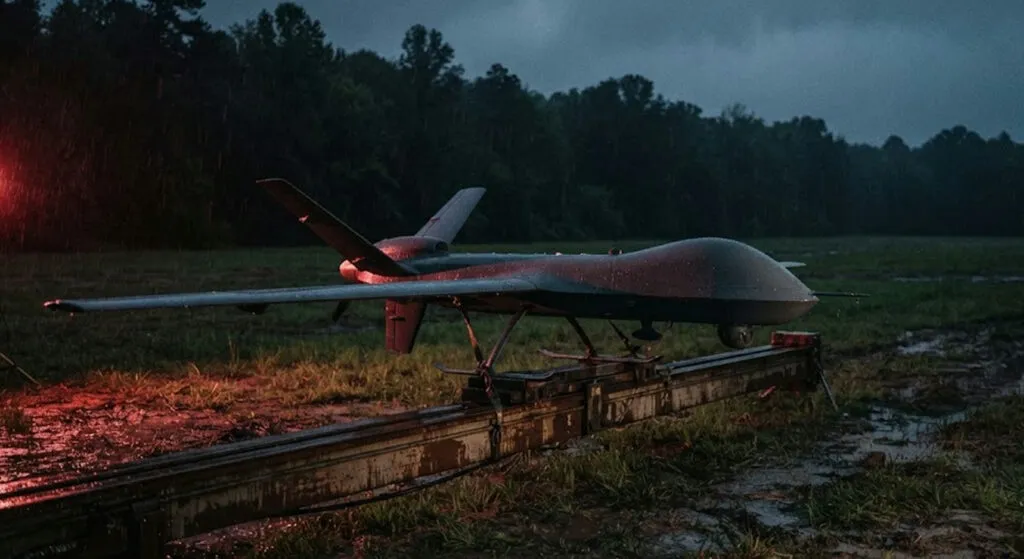
Ukrainian drones are hitting refineries hundreds of kilometres deep inside Russia, while Russia's jet-powered "Shaheds" are already breaking through Ukraine's...
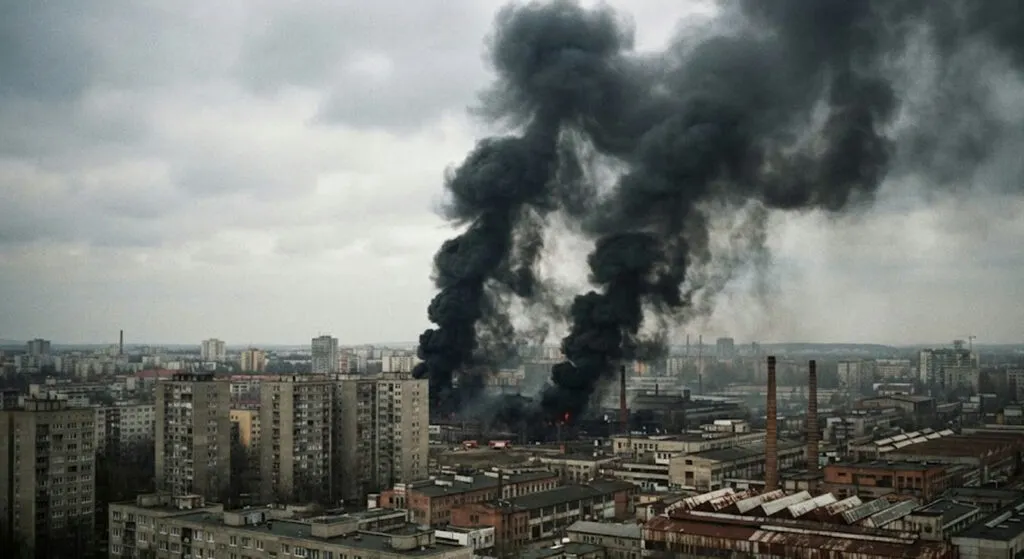
One dead, eight injured, two major providers offline and the city railway halted. The Balkans knows what a city preparing...
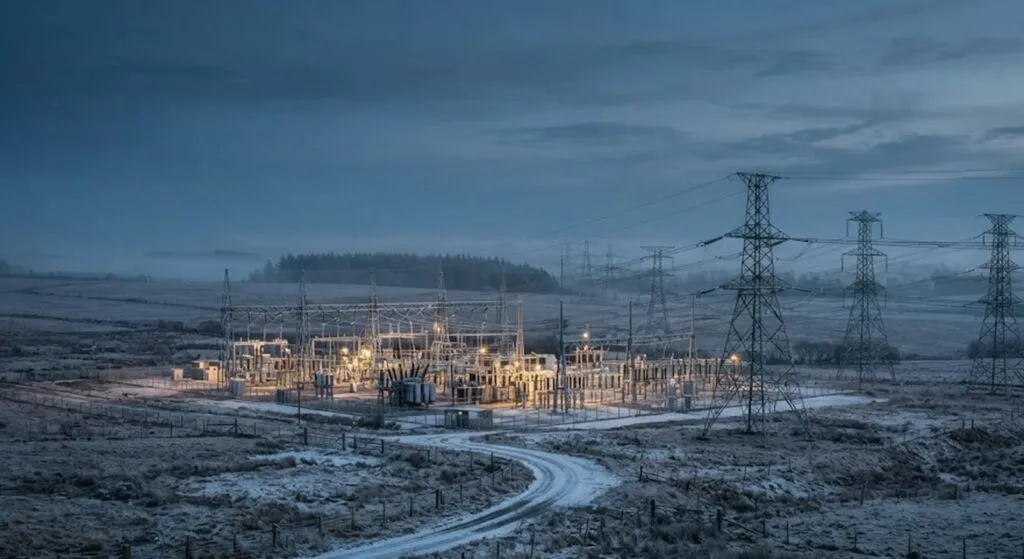
The offer is deliberately narrow - energy only, with a deadline before winter. When a power line goes down in...
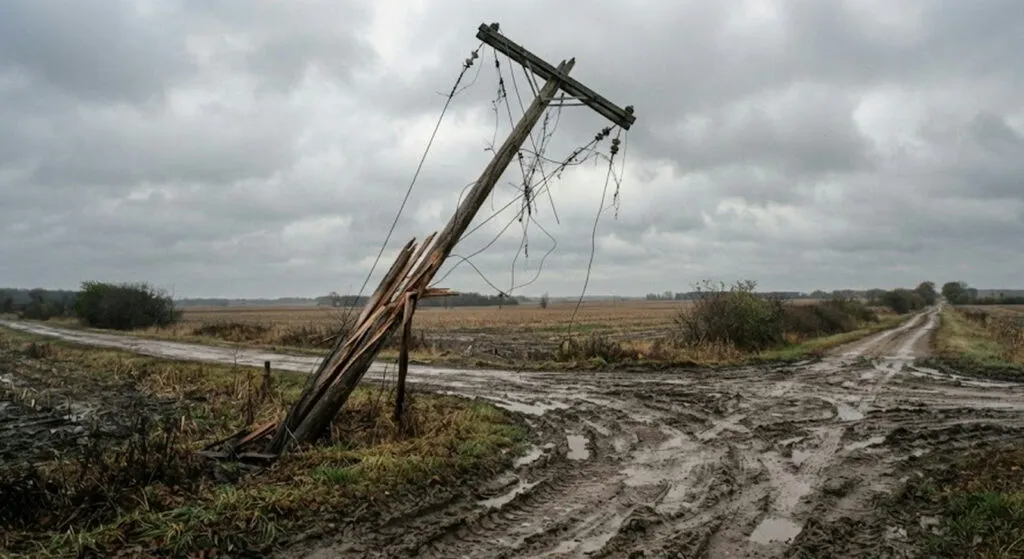
A Russian commander promised to cut the Kharkiv encirclement "like a pie". Every number comes from the camp running the...
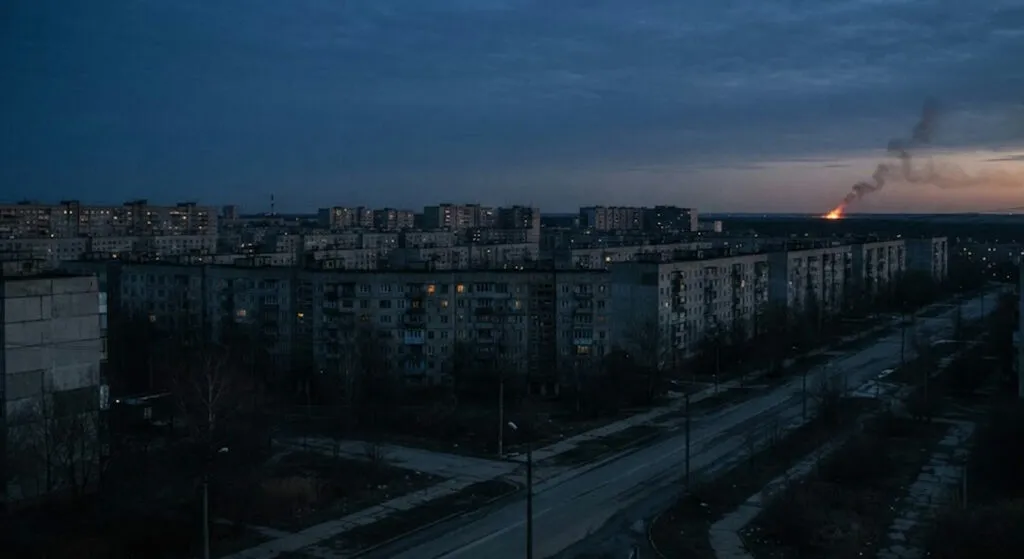
Missiles and drones on the Ukrainian capital, damaged water mains and residential buildings. The same night, Ukrainian drones set the...
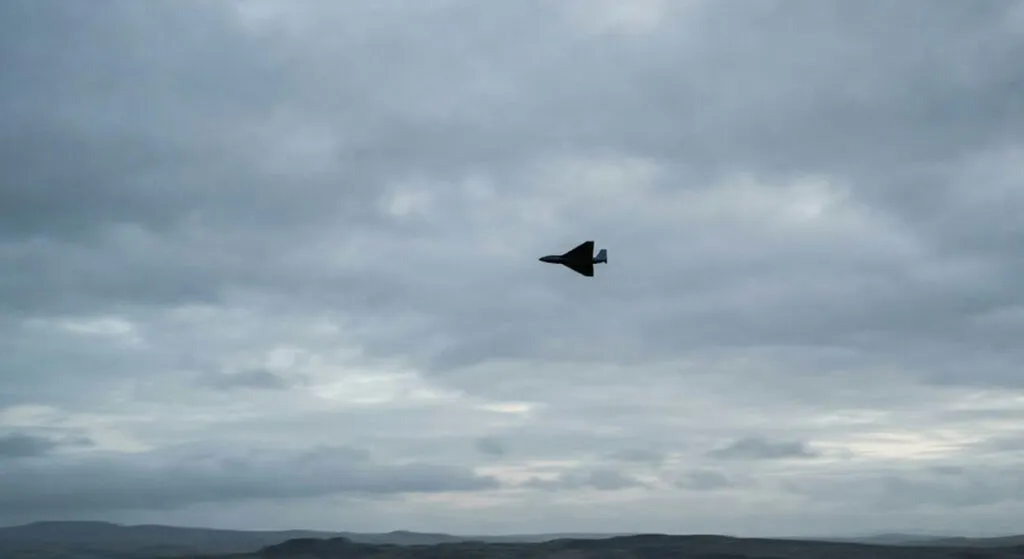
Ukraine was shooting down nine out of ten of the old drones. Then Russia changed the drone - and in...
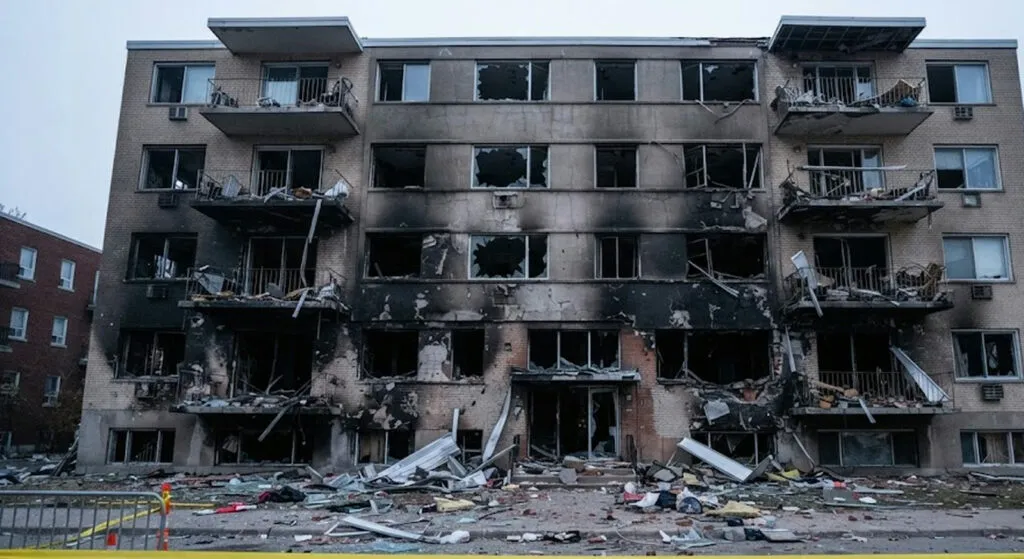
Residential buildings, a kindergarten and an Orthodox church damaged in Russia's largest Black Sea port. Four dead and 29 injured...
This site uses cookies - is that okay? Learn more
Be the first to know when Metla launches something new
Leave your email and we will write when there is a new guide or something new on Metla.