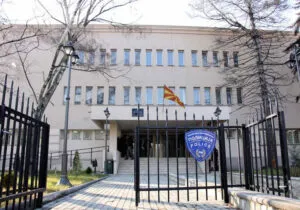
Counter-terror raid in Skopje: an ISIS flag and weapons, while official details come "once it's over"
29.09.2026


29.09.2026
29.09.2026
29.09.2026
29.09.2026

29.09.2026
29.09.2026
29.09.2026

28.09.2026

27.09.2026

29.09.2026

29.09.2026

28.09.2026

29.09.2026

29.09.2026

29.09.2026

29.09.2026

28.09.2026

27.09.2026
29.09.2026

29.09.2026

29.09.2026

29.09.2026

29.09.2026
28.09.2026

09.03.2026

27.02.2026

19.02.2026
29.09.2026

28.09.2026

27.09.2026

23.04.2026

23.04.2026

12.04.2026

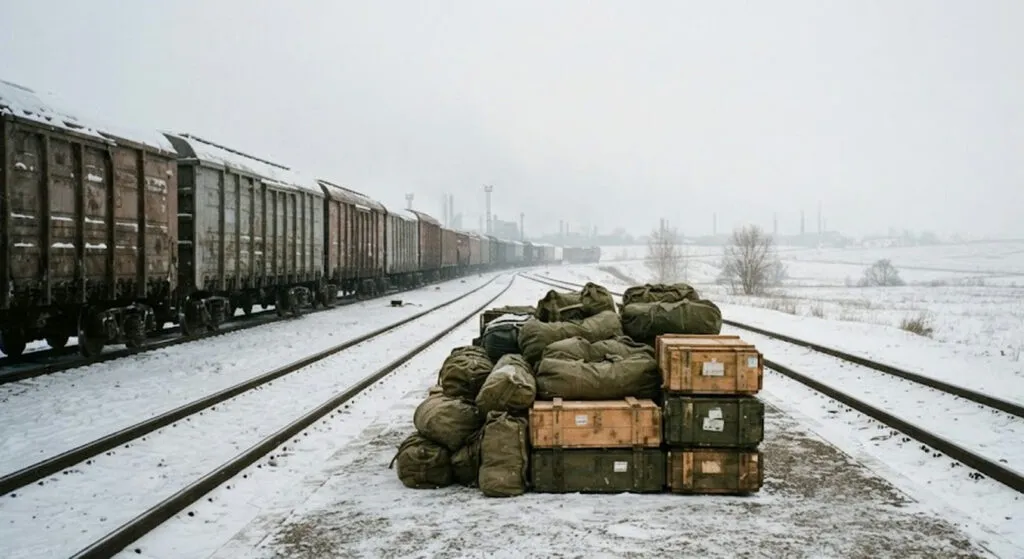
There are currently more than eight thousand North Korean soldiers in Russia, and the deployment of another ten thousand is being prepared. That is according to Ukrainian President Volodymyr Zelensky, citing "new data" on the presence of Pyongyang's troops on Russian territory. According to him, "the selection of soldiers for training and dispatch to Russia" is under way.
The numbers are rising faster than the diplomatic statements. In August, Zelensky warned that Pyongyang could send up to 50,000 troops to Russia and urged South Korea to support Ukraine's air defence. Since 2024, according to Ukrainian and South Korean estimates, North Korea has sent between 14,000 and 15,000 soldiers to fight on Russia's side, most of them deployed in the Kursk region.
The people are only part of the shipment. According to Ukrainian and other estimates, Pyongyang has supplied Moscow with millions of artillery and mortar shells, ballistic missiles, long-range artillery systems and multiple rocket launchers. Official Seoul, by contrast, announced a 100-million-dollar aid package for Ukraine in July - but with no lethal weapons.
Zelensky announced the new figures amid tension between Kyiv and Seoul over North Korean prisoners of war. South Korean authorities demanded an explanation and an apology after Zelensky publicly revealed that two captured North Korean soldiers had been transferred to South Korea. Seoul says this breached a confidentiality agreement, while the Ukrainian side disputes that any such agreement ever existed.
The picture is almost paradoxical. Two soldiers have become the cause of a diplomatic row, while thousands of new ones are being picked for a front far from home. The Balkans know the logic well when big players fight with other people's hands. The question is whether anyone will even count those ten thousand once they leave - or whether they will remain just another number in someone's speech.
The latest 10 news from this category
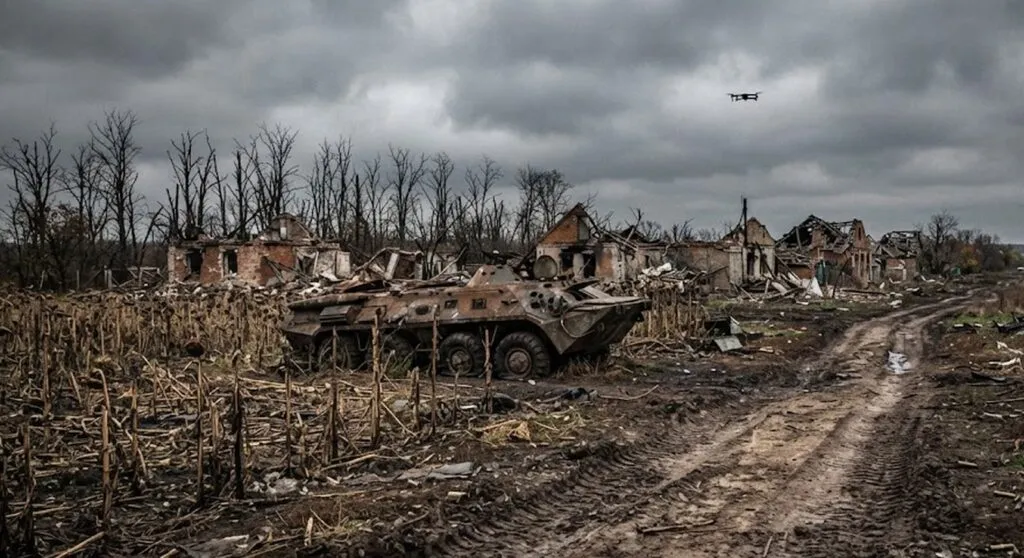
The offensive, fought almost entirely under an information blackout, has liberated three more villages and 51 square kilometres. The general...
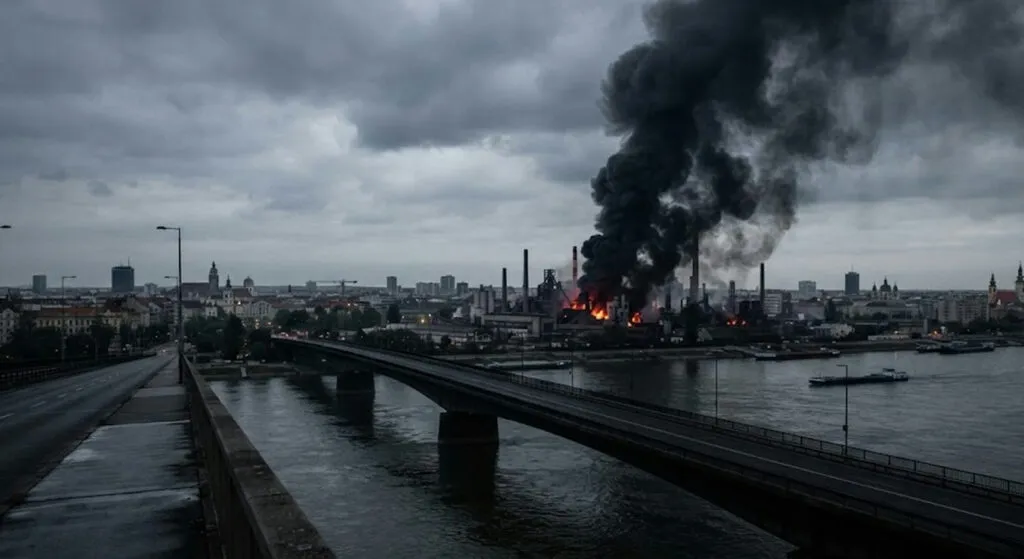
More than half the drones were jet-powered, and the fastest thing in the sky was an unconfirmed report of a...
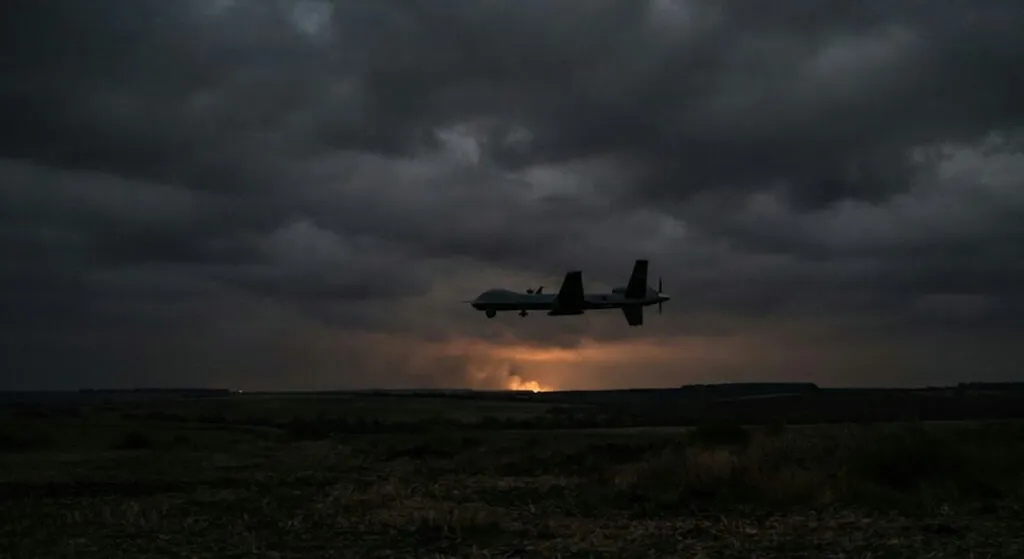
Ukrainian programmers and gamers are flying drones that strike up to 2,900 kilometres deep inside Russia. Moscow hits back with...
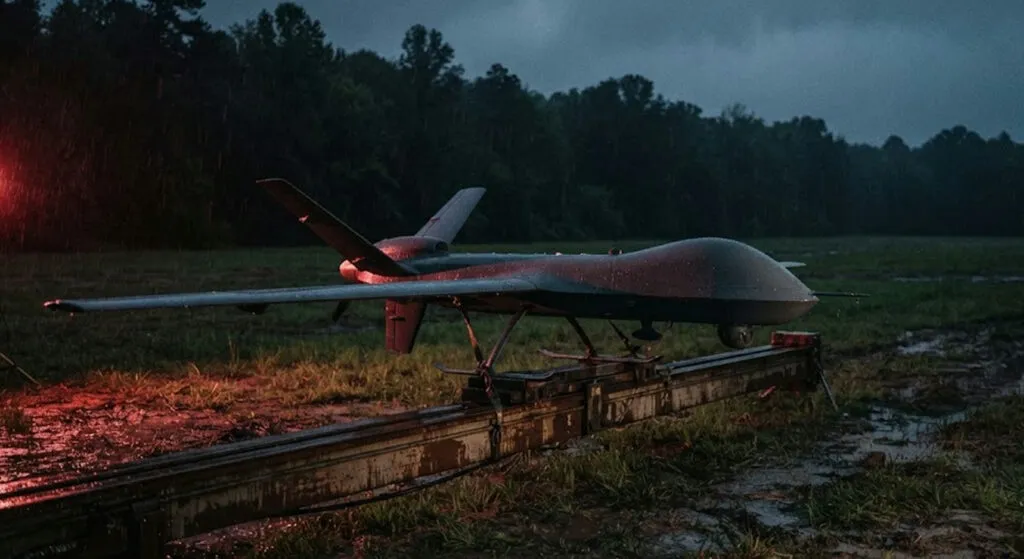
Ukrainian drones are hitting refineries hundreds of kilometres deep inside Russia, while Russia's jet-powered "Shaheds" are already breaking through Ukraine's...
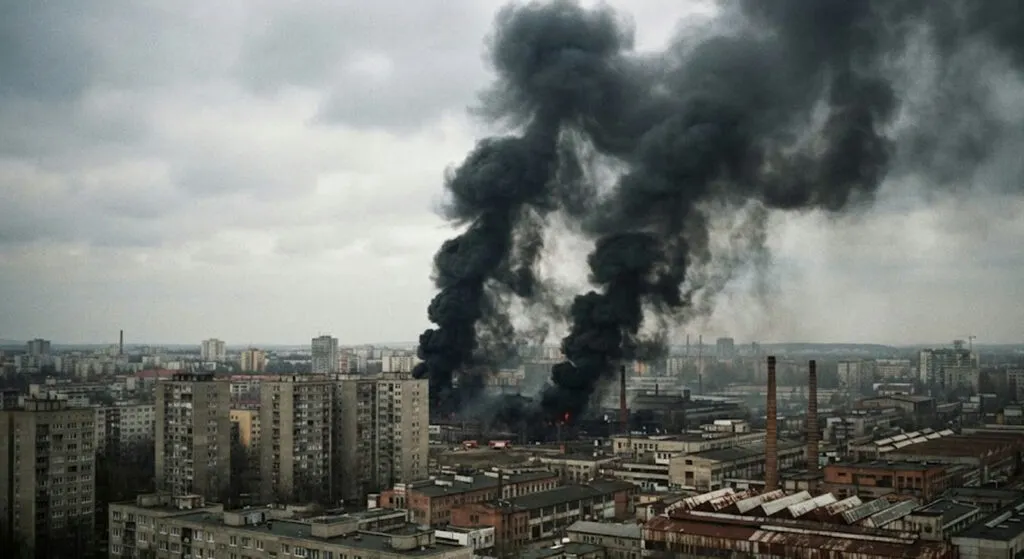
One dead, eight injured, two major providers offline and the city railway halted. The Balkans knows what a city preparing...
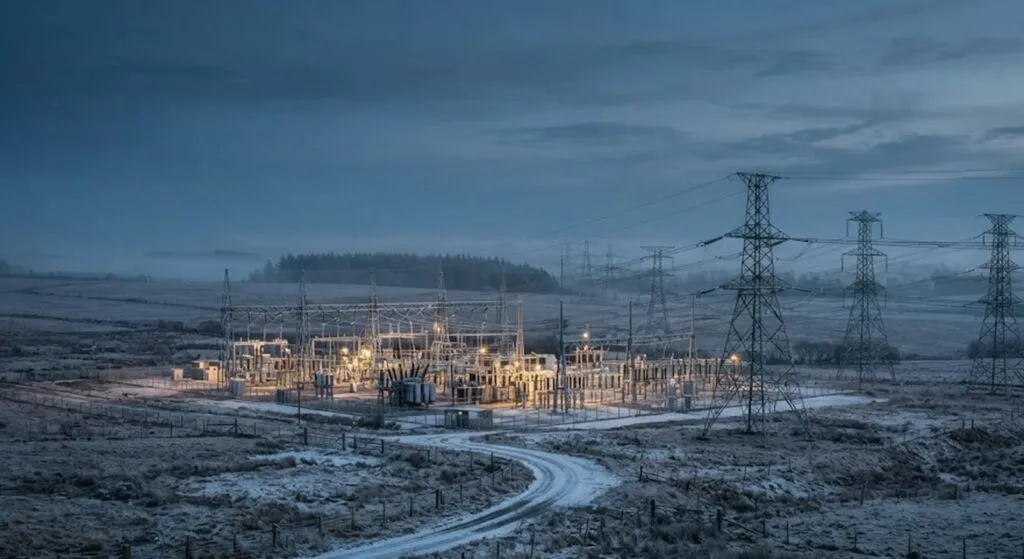
The offer is deliberately narrow - energy only, with a deadline before winter. When a power line goes down in...
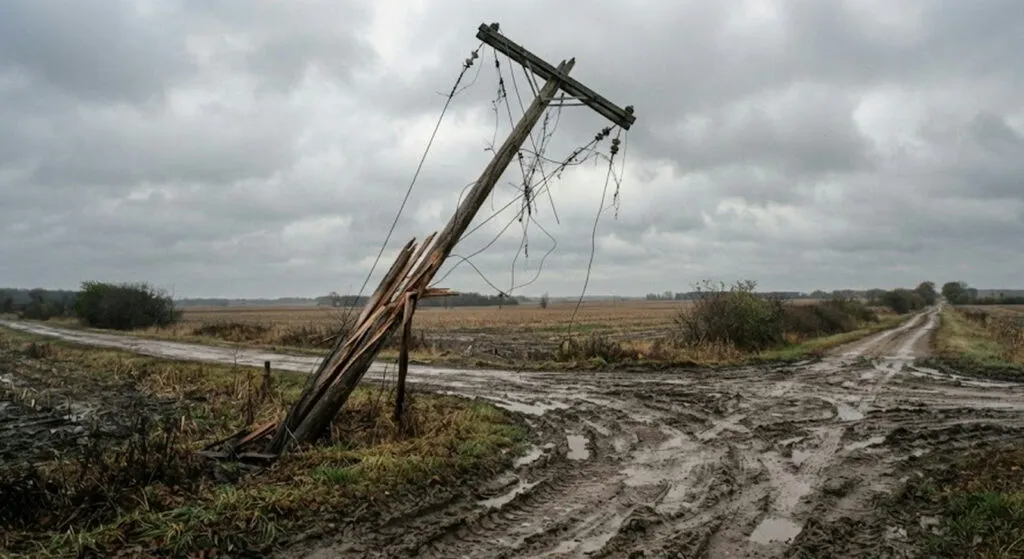
A Russian commander promised to cut the Kharkiv encirclement "like a pie". Every number comes from the camp running the...
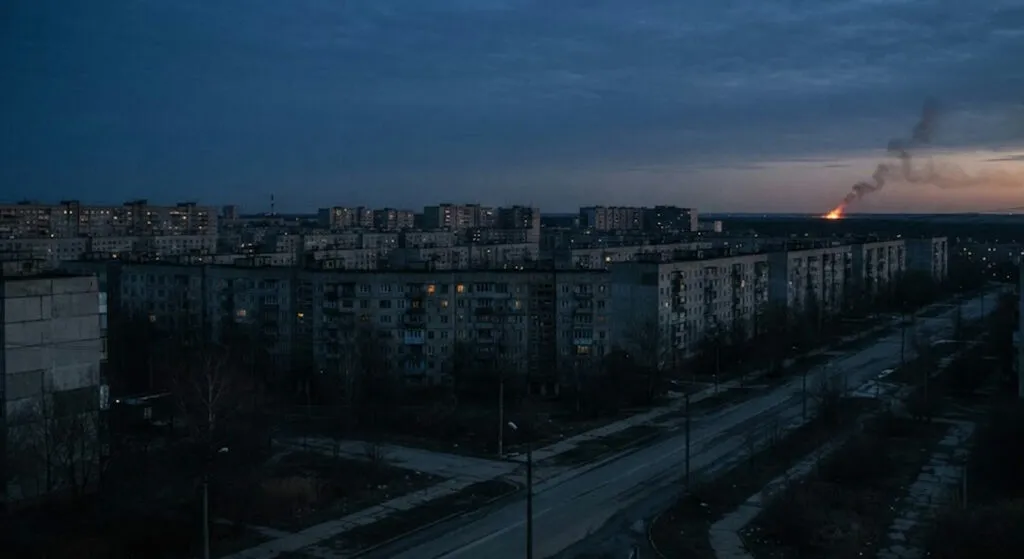
Missiles and drones on the Ukrainian capital, damaged water mains and residential buildings. The same night, Ukrainian drones set the...
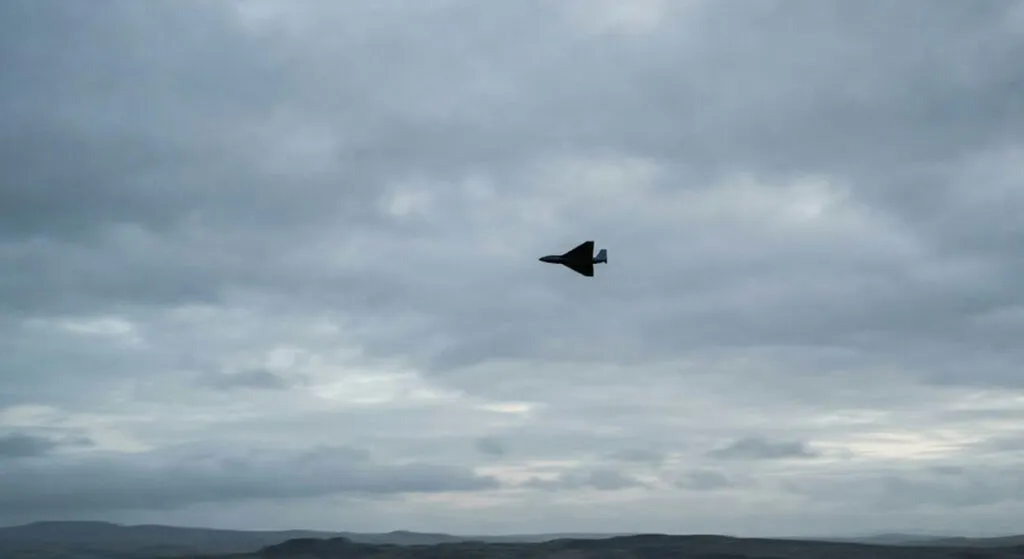
Ukraine was shooting down nine out of ten of the old drones. Then Russia changed the drone - and in...
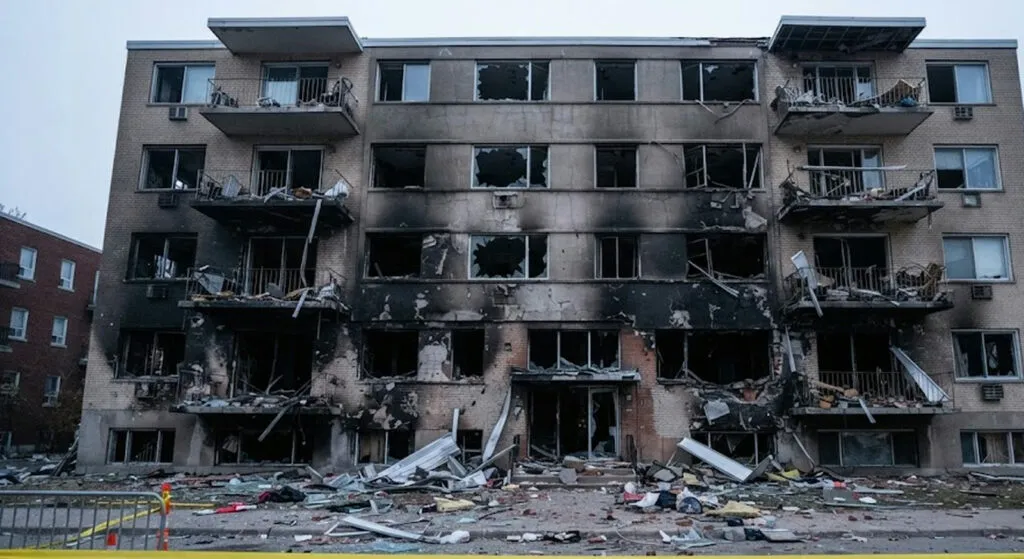
Residential buildings, a kindergarten and an Orthodox church damaged in Russia's largest Black Sea port. Four dead and 29 injured...
This site uses cookies - is that okay? Learn more
Be the first to know when Metla launches something new
Leave your email and we will write when there is a new guide or something new on Metla.