


Studeničani: 35-year-old dies after being electrocuted while washing his car with a pressure washer
18.09.2026


18.09.2026
18.09.2026

18.09.2026
18.09.2026

18.09.2026
18.09.2026
18.09.2026

17.09.2026

16.09.2026

18.09.2026

18.09.2026

17.09.2026

18.09.2026
18.09.2026

18.09.2026

18.09.2026

17.09.2026

16.09.2026

18.09.2026

18.09.2026
18.09.2026

18.09.2026

17.09.2026

17.09.2026

09.03.2026

27.02.2026

19.02.2026

18.09.2026

17.09.2026
16.09.2026

23.04.2026

23.04.2026

12.04.2026

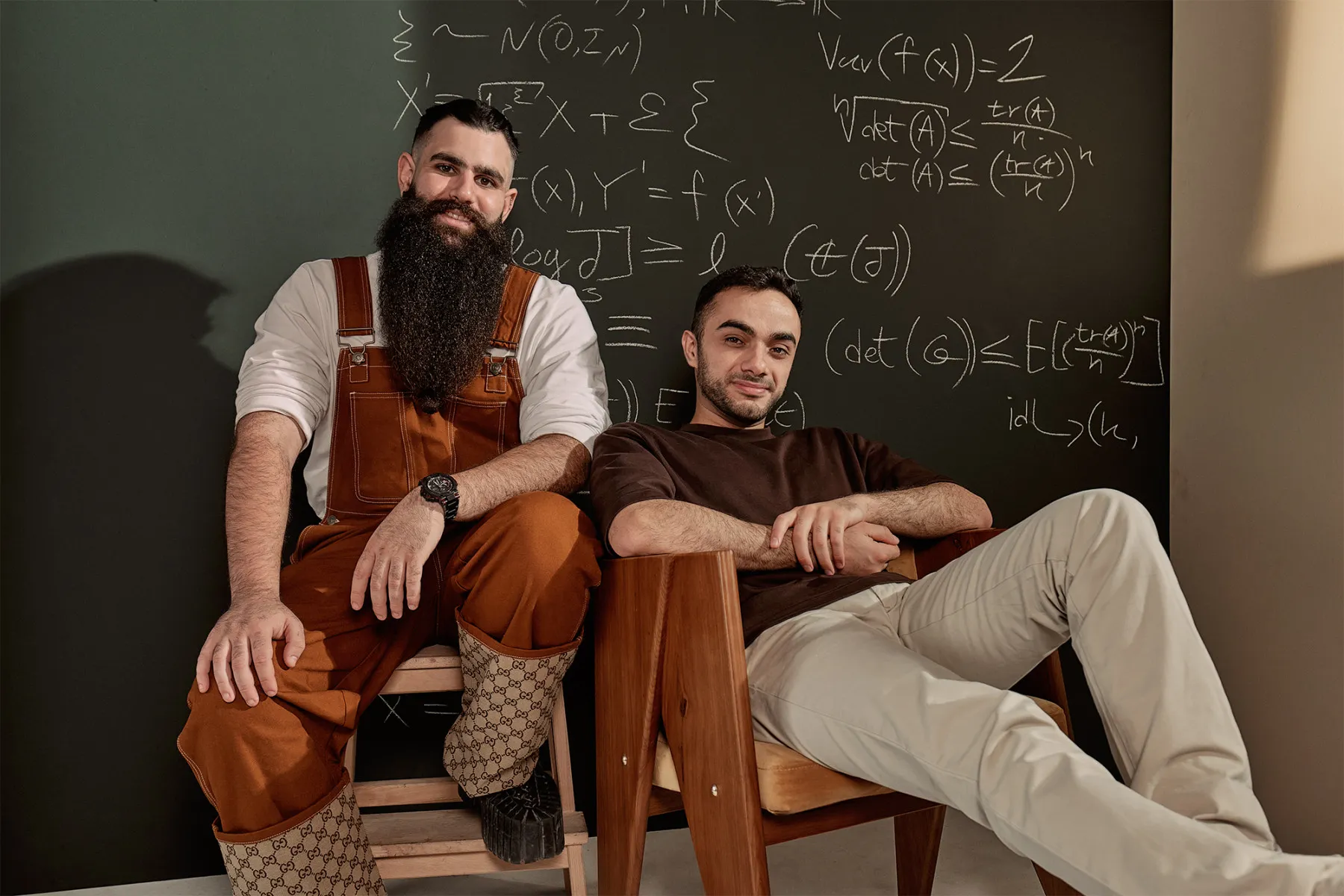
Two friends who met at hacking competitions as teenagers have raised 71 million dollars (around 62 million euros) for a lab less than a year old. The round is led by Index Ventures and Ribbit Capital, with participation from Sarah Guo of Conviction Partners. The company is called Enigma and until Monday it operated in stealth.
Jonathan Jacobi, the youngest employee in Microsoft's history, and his long-time friend Gal Niv met at hacking contests and then served together in Israel's elite Unit 8200, where they worked on cybersecurity research. When they decided to found a company, they chose robotics - a field in which they had no direct experience whatsoever.
That is not modesty, it is part of the pitch, and the investors say so openly. „There are plenty of robotics insiders participating in the next wave of embodied intelligence, but Jonathan and Gal are outsiders - they are not roboticists. That leaves them more room for originality,” says Shardul Shah, a partner at Index Ventures.
The difference in approach is real. Other firms teach robots from millions of internet videos, from computer simulations, or from sensor gloves that record how a human grips an object. Enigma starts at the other end: not what the robot can do, but how a human wants to talk to it.
To find that out, the lab is putting over 100 of its own robots, housed in hangars in Israel and California, online for anyone in the world to access. The robots paint with a brush, fight each other with swords and perform simple chemistry experiments by mixing liquids in flasks. Both the arms and the models, the company says, were built from scratch.
Jacobi explains the goal with the image of a car's volume knob. „If you have to do the dishes and spend 15 minutes explaining to the robot where to put everything, everyone reaches the moment of 'Fine, I will do it myself',” he says. „Right now everyone is at that point - even with the most capable models.” The question the lab is asking is whether you talk to the robot, show it a video, or drag your finger across a screen.
The trouble with an experiment like this is that it is open at both ends: you collect data, but you do not know in advance what you will find. Jacobi does not hide that. Nor does he say what exactly the product will be for - only that they are already working with companies in healthcare, logistics and entertainment. So: 71 million for a question that still has no answer, and that is enough to close a round at this stage of the market. Balkan founders who spend years chasing a first round with a finished product and paying customers can do their own maths on what a network of contacts is worth.
The latest 10 news from this category
An eight-year-old firm that started out mining crypto has tripled its value in ten months. It did not discover anything...

The price of uranium has jumped 75 percent in five years, and the list of countries that mine it reads...
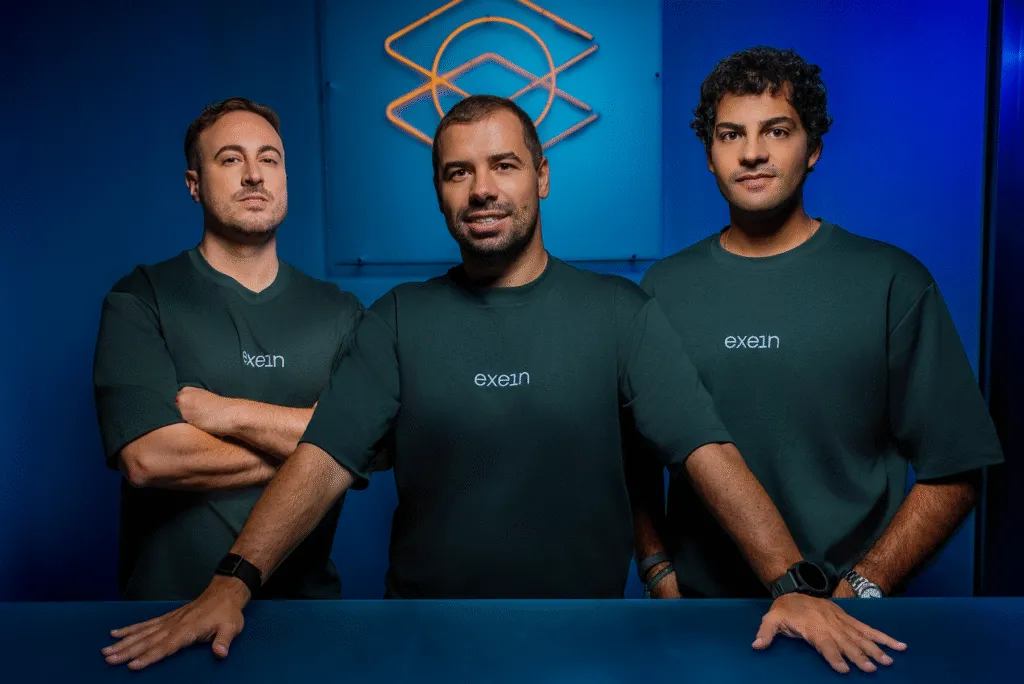
Exein raised 270 million dollars and its valuation jumped thirtyfold in two years. The European regulation coming into force in...
A startup valued at 94 million dollars changed hands, and both sides said openly what was being bought - not...
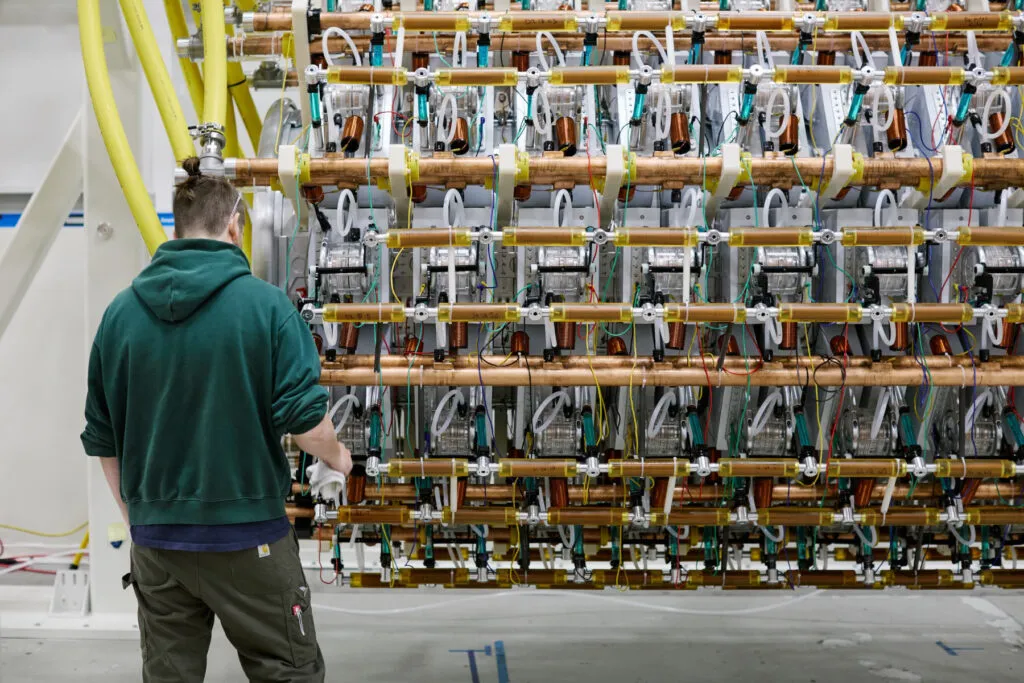
A technology sold for decades as the answer to the climate is now taking money from the defence industry. The...
The board voted, the founder kicked the administrators out of Slack and held out for three days. What does a...

Three months ago the company raised 60 million. Now it is worth almost ten times that, and its product is...

After Ohridska Banka, Sparkasse has gone after a second one. The approvals come from Podgorica, Belgrade and Frankfurt. The market...

They had offers and visas to stay in the US. They went back to Munich because the numbers worked better...

A signed term sheet in venture capital is treated as a word of honour. When the buyer offers sixty-seven years...
This site uses cookies - is that okay? Learn more
Be the first to know when Metla launches something new
Leave your email and we will write when there is a new guide or something new on Metla.
