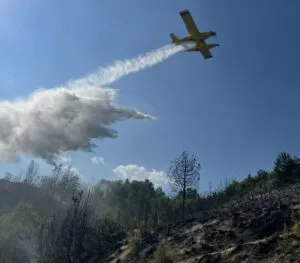
15 Wildfires in One Day, 23 in 24 Hours: And Once Again It Is the Landfills That Are Burning
12.08.2026


12.08.2026
12.08.2026
12.08.2026

12.08.2026
11.08.2026
10.08.2026

12.08.2026

12.08.2026

11.08.2026

12.08.2026

12.08.2026

12.08.2026

12.08.2026

11.08.2026

10.08.2026

12.08.2026

12.08.2026
12.08.2026
12.08.2026

12.08.2026

12.08.2026

09.03.2026

27.02.2026

19.02.2026
12.08.2026
11.08.2026
10.08.2026

23.04.2026

23.04.2026

12.04.2026
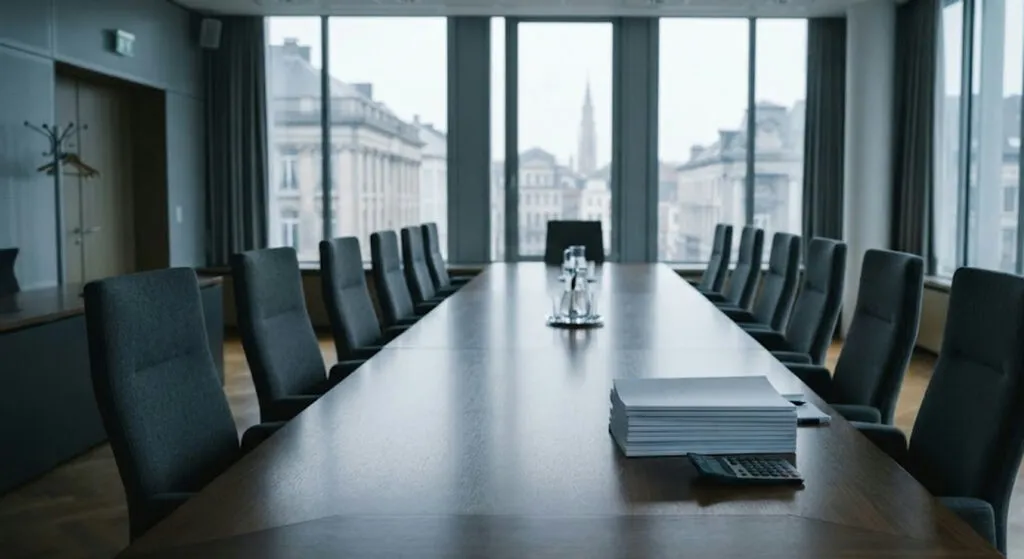
The European Union approved a 90 billion euro loan for Ukraine. That is decided. What is not decided is who will pay for it - and that is not a detail to be tidied up later in a footnote.
MEP Fabio De Masi, co-chair of the German party Reason and Justice, claims the European Commission has still not established either how much in subsidies will be needed to cover the borrowing costs, or whether the instrument even enters the 2027 budget process. While those two things hang in the air, there is no way to calculate how much of the obligation falls on each member state.
"The European Commission evidently does not itself know to what extent member states will have to answer for the loan to Ukraine," he said. He criticises the decision to finance Kyiv without a precise assessment of the consequences for member states and argues the aid prolongs the conflict and enriches corrupt Ukrainian oligarchs.
From seized Russian money to borrowing on the market
The original idea was different. A 210 billion euro package was under consideration, financed by frozen Russian assets. According to earlier media reporting, Germany was to guarantee up to 52 billion, France 34, Italy 25.1 billion. Then Belgium came out against that mechanism and the whole construction changed.
Now the model is different: the money is raised on capital markets, mainly through issuing bonds bought by institutional investors, with the Union acting as a single supranational debtor. The proceeds from the bonds go to the European Commission, and the interest is to be covered from the EU budget.
Repayment, meanwhile, depends on Russia one day paying reparations to Ukraine, which Kyiv would then use to settle the debt. Moscow has said repeatedly it has no intention of paying reparations. So the plan for repaying 90 billion euros rests on something the other side publicly and consistently refuses. The second option is for the Union to service the long-term borrowing itself. The third brings the frozen Russian assets back into play.
The Czech Republic, Hungary and Slovakia have already said they will not take part in the financing and will not assume obligations from it. So even inside the Union the bill splits into those who will pay and those who will not - and there is still no document on who lands in the first group.
This is a mechanism being built while the car is already moving. The decision is made, the amount is announced, and the question of who answers for it stays open. When the Balkans operate like this, it is called irresponsibility. When Brussels operates like this, it is called an instrument.
The latest 10 news from this category
The only country in the world where the ban is official, in writing. Five years is almost an entire secondary...
They abolished his post with a transitional clause, then introduced a requirement tailored so that only he could not meet...
A Damascus court sentenced Bashar al-Assad to death for war crimes. A verdict handed down in absentia is a document,...
Eighteen years without diplomatic relations and hope in political changes nobody specifies. Frozen conflicts do not get resolved, people get...
The man who knew the names, the connections and the money of one side in a divided Libya has been...
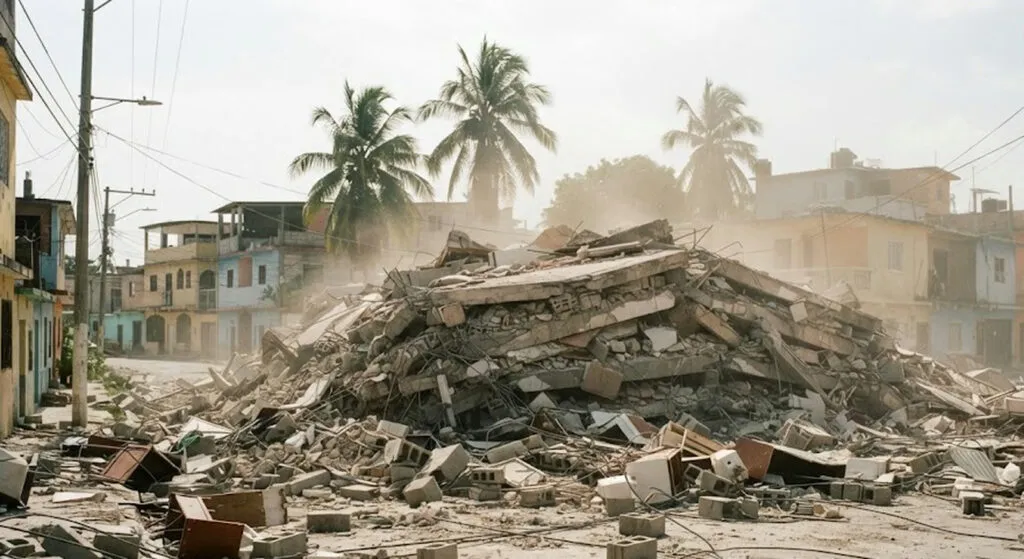
The footage from Pereira showing a building collapse to its foundations in an instant raises the question that follows every...
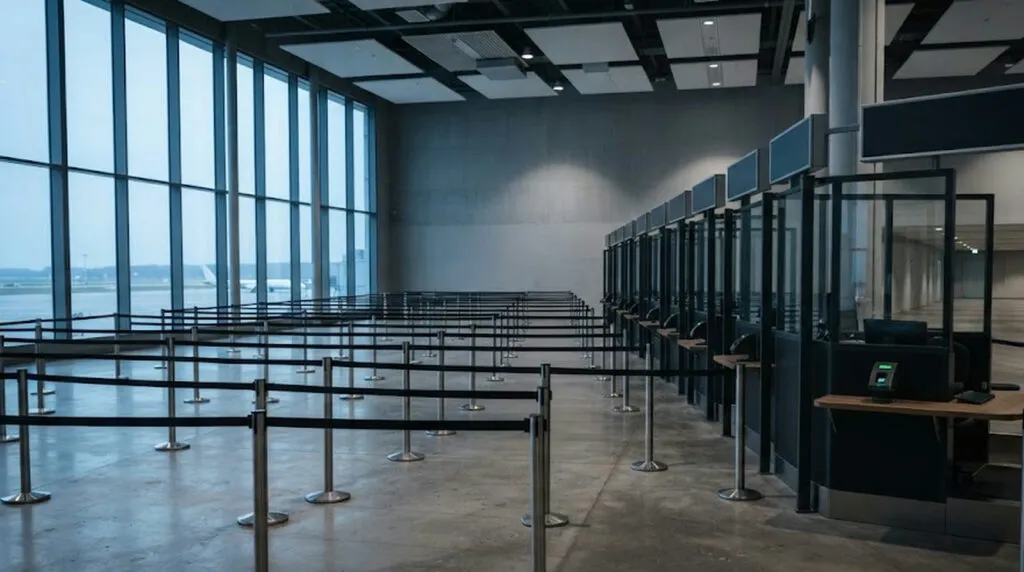
The EU's new system requires biometrics from everyone who isn't a Union citizen. With a Macedonian passport, that means you...
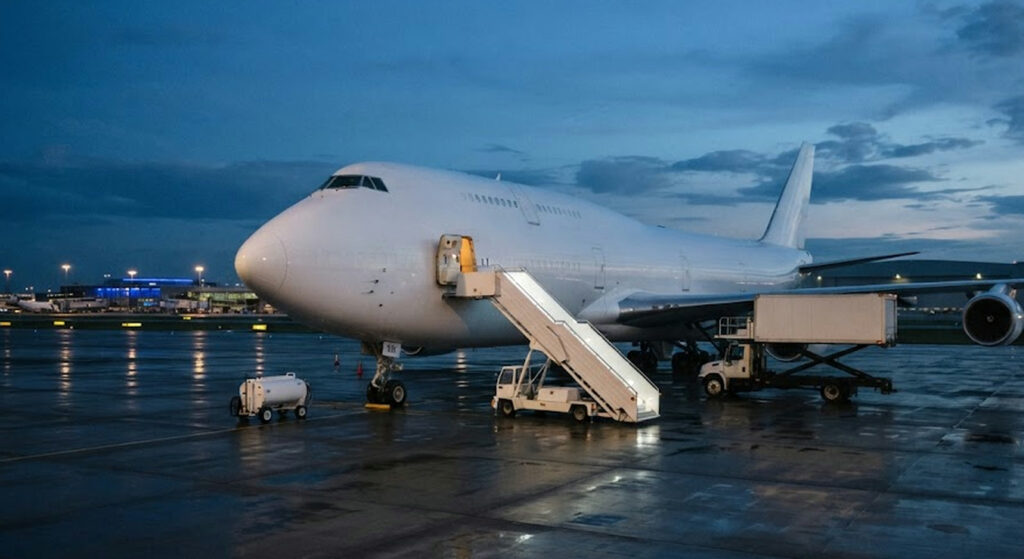
Because of an Iranian assassination threat, the presidential plane took off as a decoy - with the journalists inside and...

People in the seventeenth century carved dates into river stones to warn whoever came after them. The Germans have a...
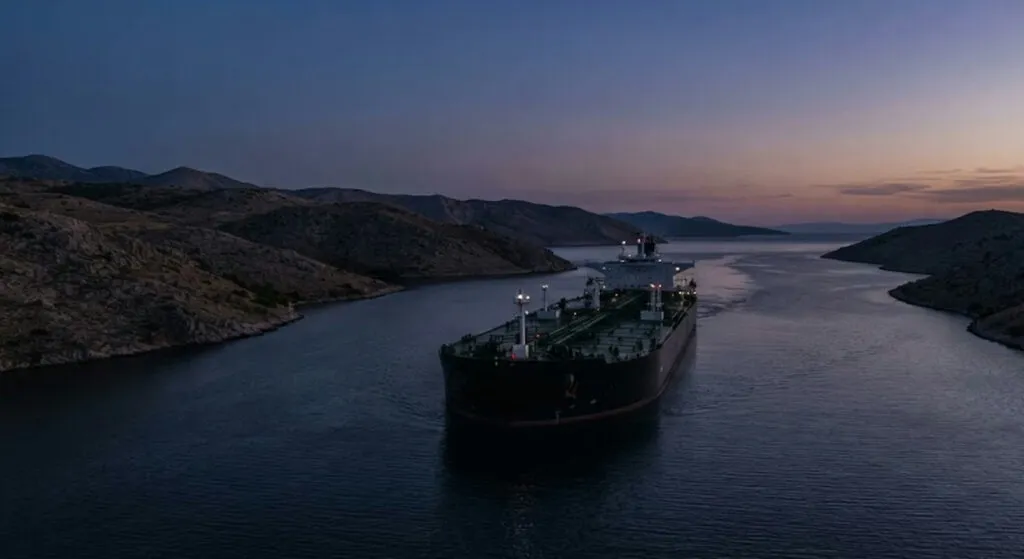
Tehran wants the blockade lifted, US forces withdrawn and sanctions erased. Washington answers with a chess metaphor - while a...
This site uses cookies - is that okay? Learn more
Be the first to know when Metla launches something new
Leave your email and we will write when there is a new guide or something new on Metla.