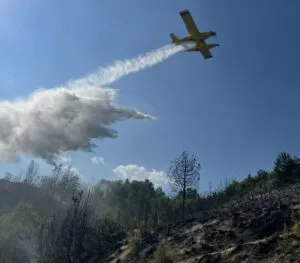
15 Wildfires in One Day, 23 in 24 Hours: And Once Again It Is the Landfills That Are Burning
12.08.2026


12.08.2026
12.08.2026

12.08.2026

12.08.2026

11.08.2026
10.08.2026

12.08.2026

12.08.2026

11.08.2026

12.08.2026

12.08.2026

12.08.2026

12.08.2026

11.08.2026

10.08.2026

12.08.2026

12.08.2026

12.08.2026

12.08.2026

12.08.2026

12.08.2026

09.03.2026

27.02.2026

19.02.2026
12.08.2026
11.08.2026
10.08.2026

23.04.2026

23.04.2026

12.04.2026
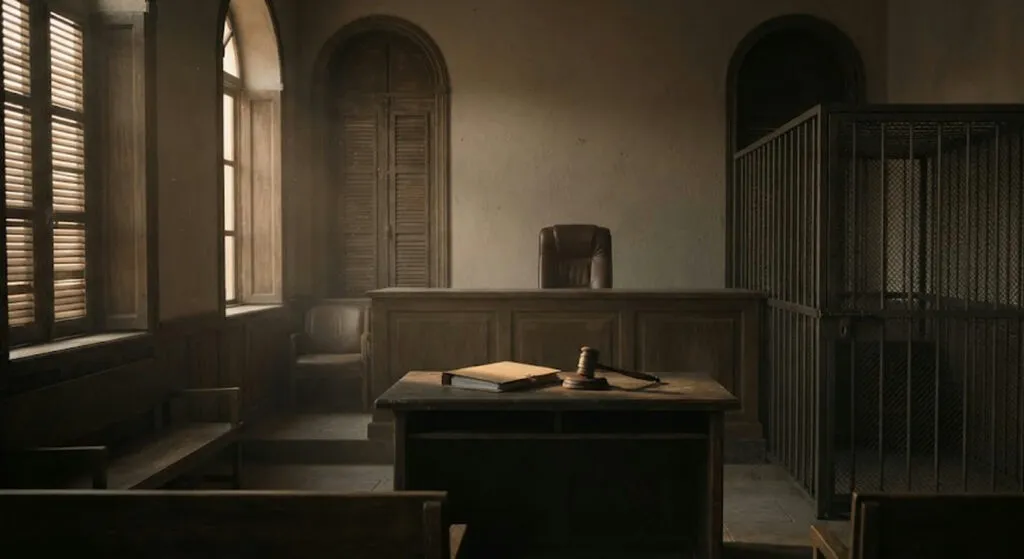
A court in Damascus handed down a death sentence to Bashar al-Assad. In absentia, of course - the man who ran Syria for decades was not sitting in that courtroom, and will not be. His brother Maher was sentenced to death alongside him. The charges: war crimes and crimes against humanity.
These are the first verdicts against Assad or against people from his innermost circle since the family's rule fell in December 2024. That is the detail worth holding on to: more than a year and a half since the regime fell, and only now the first verdict. Justice in the Balkans also has a habit of arriving after the leading characters have already relocated somewhere extradition gets complicated.
"Bashar al-Assad used state institutions to carry out war crimes and crimes against humanity," said judge Faharedin al-Arian. State television broadcast the proceedings live. A crowd gathered outside the court in central Damascus just to hear the sentence read out.
One name in that verdict is not in absentia. Atef Najib, a relative of Assad on his mother's side and former head of political security in Daraa province, stood in a cage, in prison uniform, under heightened security, while the judge read the ruling. He was found guilty of overseeing the repression in the southern province of Daraa - the same repression that lit the uprising, and then the civil war.
A verdict without the convicted
And there is the full weight of the story. The two principal convicted men are not in the country. A verdict handed down in absentia is a document, not a punishment - it becomes a punishment the moment somebody enforces it, and in international practice that means extradition or the end of protection wherever they fled. Whether that moment comes is not for a Damascus court to decide.
That is why the new Syrian authorities have an interest in the proceedings being watched live. A trial broadcast on state television, a crowd at the entrance, a cage with a real man inside it - that is a message to the domestic audience that something is changing. Whether this is the start of systematically prosecuting tens of thousands of cases, or a showpiece that will stand alone, will be seen in how many further verdicts arrive and against whom.
The Balkans know this scene by heart. They know how long the waiting lasts, and how many people die before their own case comes up, and how often those most responsible end up further from the courtroom than the lowest enforcer. Syrian families who have been waiting since 2011 now hold one verdict in their hands. The question is whether they will get a second.
The latest 10 news from this category
The only country in the world where the ban is official, in writing. Five years is almost an entire secondary...
They abolished his post with a transitional clause, then introduced a requirement tailored so that only he could not meet...

The Union approved the amount, and there is still no document setting out how much falls on each member state....
Eighteen years without diplomatic relations and hope in political changes nobody specifies. Frozen conflicts do not get resolved, people get...

The man who knew the names, the connections and the money of one side in a divided Libya has been...
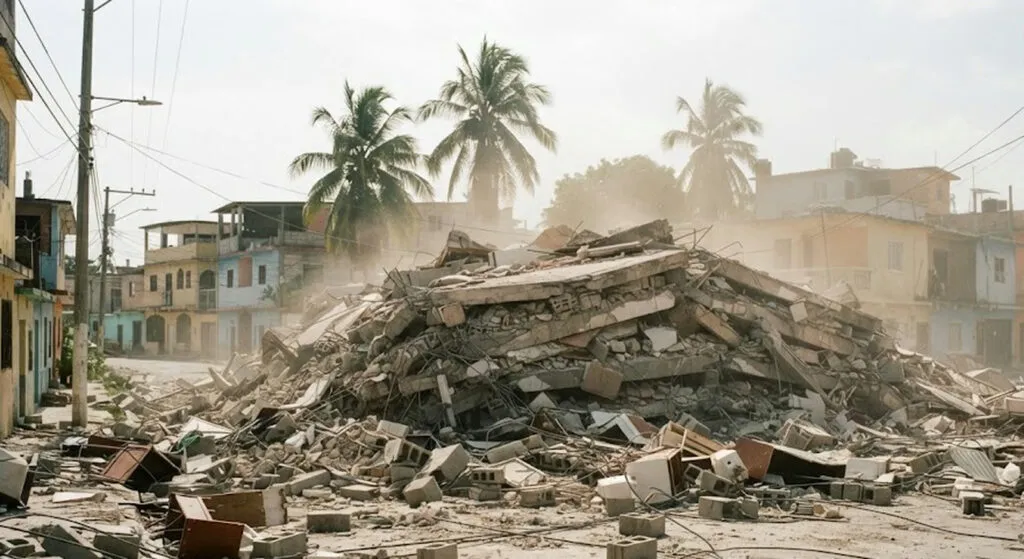
The footage from Pereira showing a building collapse to its foundations in an instant raises the question that follows every...
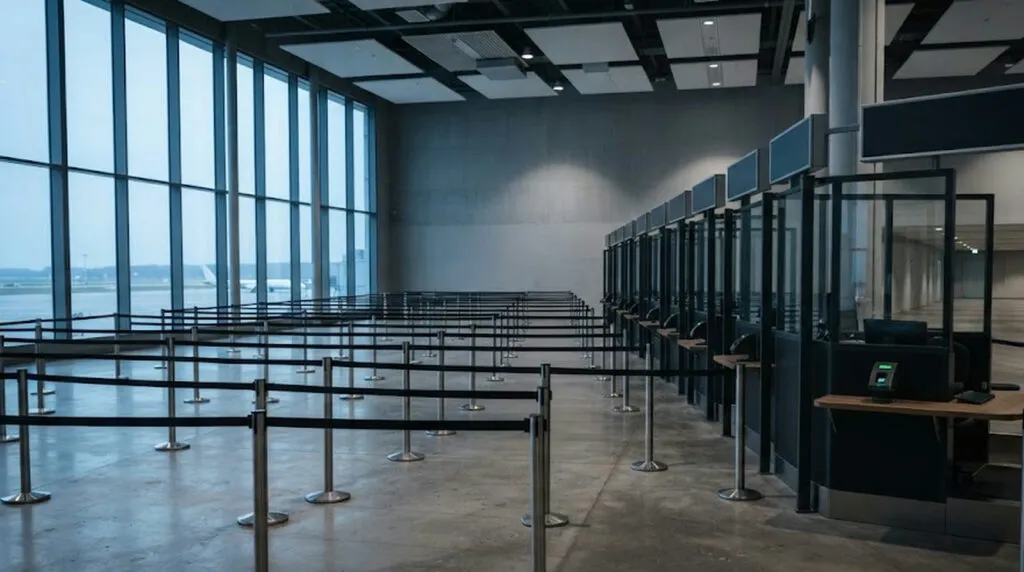
The EU's new system requires biometrics from everyone who isn't a Union citizen. With a Macedonian passport, that means you...

Because of an Iranian assassination threat, the presidential plane took off as a decoy - with the journalists inside and...
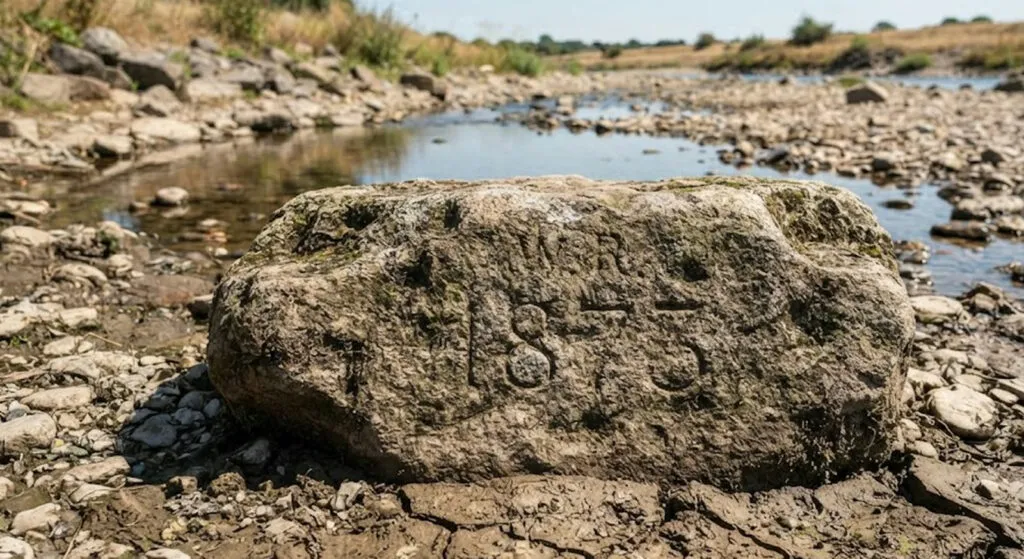
People in the seventeenth century carved dates into river stones to warn whoever came after them. The Germans have a...

Tehran wants the blockade lifted, US forces withdrawn and sanctions erased. Washington answers with a chess metaphor - while a...
This site uses cookies - is that okay? Learn more
Be the first to know when Metla launches something new
Leave your email and we will write when there is a new guide or something new on Metla.