The Entire Interior Ministry Lost Its Health Insurance Overnight: Police Officers Turned Away From Chemotherapy Over One Unposted Entry
11.08.2026


11.08.2026
11.08.2026

11.08.2026

11.08.2026

11.08.2026

11.08.2026
11.08.2026
10.08.2026

10.08.2026

11.08.2026

11.08.2026

10.08.2026

11.08.2026

11.08.2026

11.08.2026

11.08.2026

10.08.2026

09.08.2026

11.08.2026

11.08.2026

11.08.2026

11.08.2026

11.08.2026

11.08.2026

09.03.2026

27.02.2026

19.02.2026

23.04.2026

23.04.2026

12.04.2026
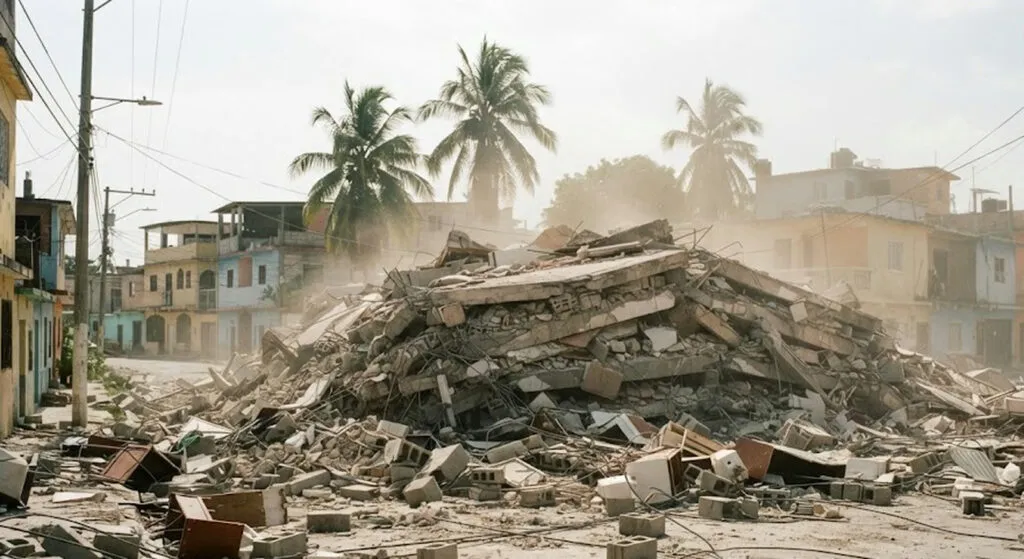
An earthquake of magnitude 7.4 struck western Colombia on Monday morning. The epicentre was near San Jose del Palmar, in the department of Choco. The count so far, announced by the Colombian president: at least 111 dead, 87 injured, 1,575 damaged houses and 37 completely destroyed.
Pereira was hit hardest, one of the central cities in the country's coffee region. At least 47 people died there alone. In Cali, the mayor said 26 buildings had collapsed and that rescue teams were still searching for people under the rubble. That is the key figure in any disaster of this kind - not how much has fallen, but how many people are still under it.
The building that vanished in a second
After the quake, footage appeared online from Pereira showing a building collapse to its foundations practically in an instant. It doesn't sway, it doesn't lean, it gives nobody time to run out. It simply goes down.
That is the image that separates a prepared state from an unprepared one. A magnitude 7.4 earthquake is strong, but it isn't a rare event - Colombia sits on the boundary of three tectonic plates and knows it sits there. The question that always follows footage like this isn't about the magnitude, but about the concrete: who approved that building, to what standards was it built, and did anyone check at all.
The region is known for coffee, not for seismic infrastructure. But when a country builds for decades on an active fault system, the excuse "nobody expected it" stops working.
Why this isn't distant news
The Balkans know this scene. Skopje 1963, Zagreb and Petrinja 2020, Durres 2019 - each of those dates left both rubble and a longer list of questions about what had been built and how. Every time after an earthquake comes the same sentence about revising building standards. Every time the interest lasts exactly as long as the attention does.
Here, the seismic review of public buildings has been a topic after every stronger tremor in the region. How many of those buildings were actually checked, and how many stayed on a list? That is the question worth asking before the next earthquake, not after it.
In Colombia what is happening now is what happens everywhere - rescue teams, numbers that change with every report, families waiting in the street. The list of the dead is not final yet. The list of those responsible, as a rule, will never even begin.
The latest 10 news from this category
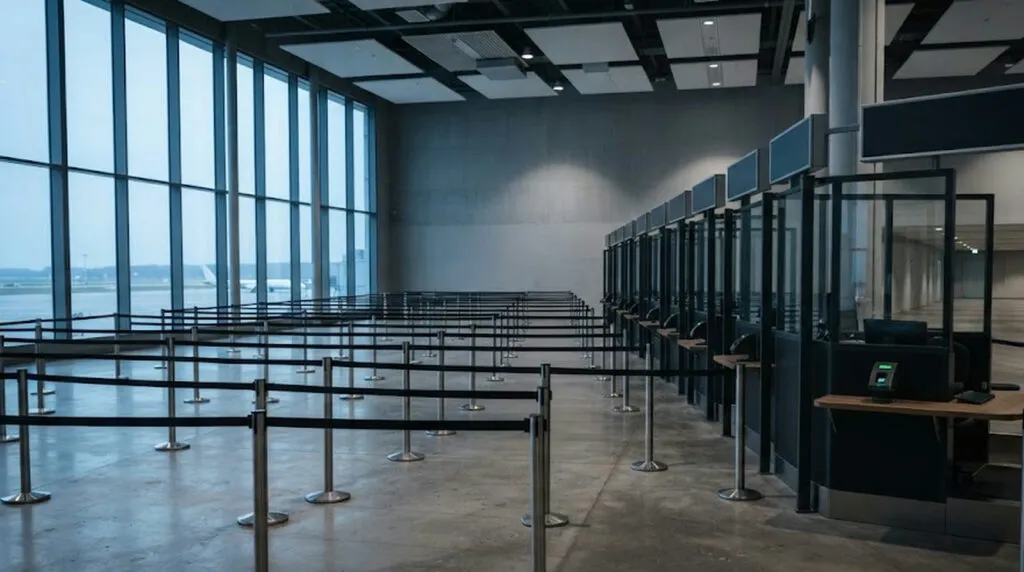
The EU's new system requires biometrics from everyone who isn't a Union citizen. With a Macedonian passport, that means you...

Because of an Iranian assassination threat, the presidential plane took off as a decoy - with the journalists inside and...
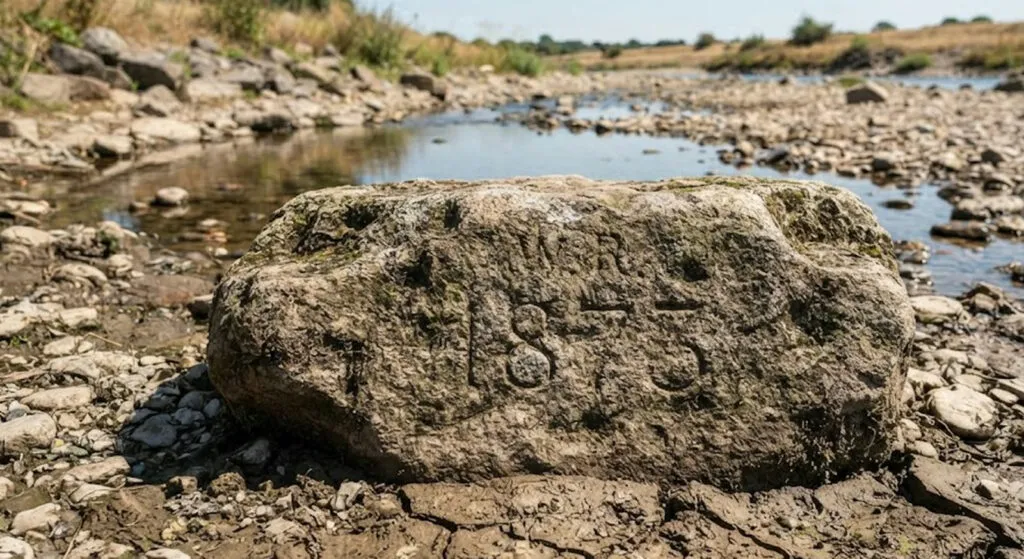
People in the seventeenth century carved dates into river stones to warn whoever came after them. The Germans have a...

Tehran wants the blockade lifted, US forces withdrawn and sanctions erased. Washington answers with a chess metaphor - while a...
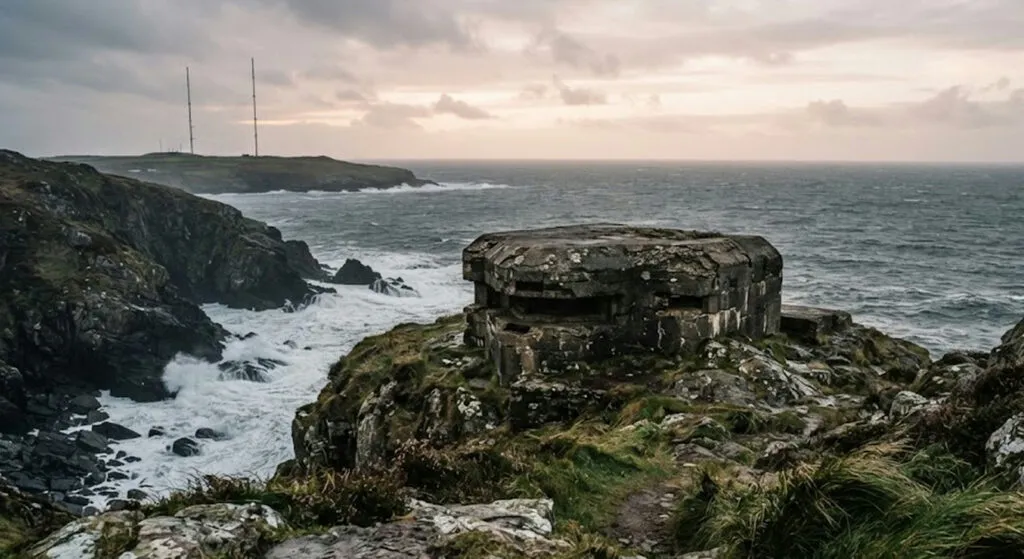
Not a fault and not an attack - an exercise. While the army simulates a Chinese landing, the authorities are...

Eleven years after he personally blessed her at a wedding that lasted ten days, the same man returned her to...
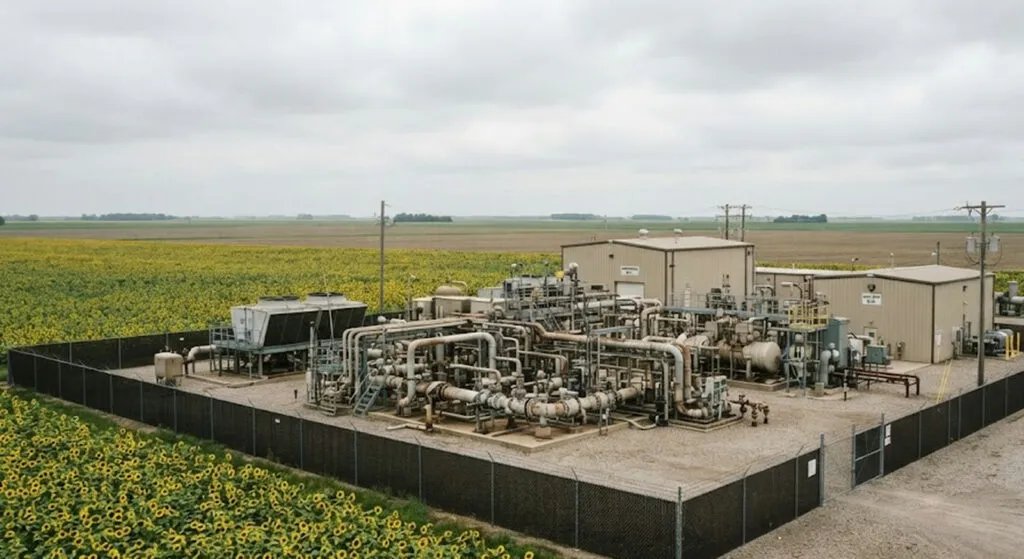
It came down in a sunflower field a kilometre from a compressor station. If it was not deliberate, that is...

A Mecca agreement with Pakistan and Saudi Arabia, modelled on Article 5. It is not aimed at Iran, they say...

Sanctions, frozen assets, compensation, troop withdrawal. Tehran is in no hurry - time works for whoever holds the tap, not...

Russia issued permits for seven Chinese ships on the Northern Sea Route, and China is announcing its first scheduled line...
This site uses cookies - is that okay? Learn more
Be the first to know when Metla launches something new
Leave your email and we will write when there is a new guide or something new on Metla.