The Entire Interior Ministry Lost Its Health Insurance Overnight: Police Officers Turned Away From Chemotherapy Over One Unposted Entry
11.08.2026


11.08.2026
11.08.2026

11.08.2026

11.08.2026

11.08.2026

11.08.2026
11.08.2026
10.08.2026

10.08.2026

11.08.2026

11.08.2026

10.08.2026

11.08.2026

11.08.2026

11.08.2026

11.08.2026

10.08.2026

09.08.2026

11.08.2026

11.08.2026

11.08.2026

11.08.2026

11.08.2026

11.08.2026

09.03.2026

27.02.2026

19.02.2026

23.04.2026

23.04.2026

12.04.2026
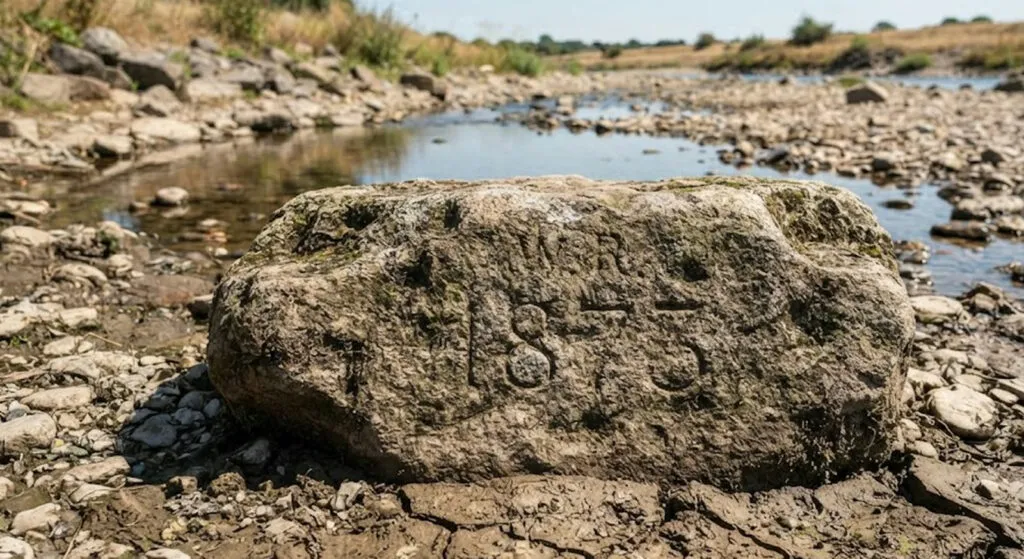
The "hunger stones" have surfaced again in the beds of the Rhine and the Elbe. It isn't a metaphor and it isn't a new phenomenon - these are real blocks of stone with carved markings, left by people who in past centuries recorded the worst droughts. When the water drops far enough for the stones to show, it means the river has already passed what people considered normal.
The same picture has been recorded in many rivers in the eastern German state of Saxony after water levels fell, the German newspaper Die Zeit reported. One such stone sits beside the Elbe near Pirna.
One of the blocks has more than twenty dates carved into it. The span covers over three centuries, and the last year recorded is 2018. It is a message in the most direct form possible: somebody in the seventeenth century bent over a dry river stone and chiselled a date so that whoever came after would know. Not for an archive, not for statistics. As a warning.
The river that was always there
The Rhine isn't a tourist attraction - it is a transport artery. Fuel, grain and raw materials for German industry move along it. When the level falls, barges load less or don't sail at all. Germany has known this bill since 2018, the year that very stone recorded.
And here? In the Balkans we don't need carved stones to know that the summers are changing - it's enough to look at which riverbed is a meadow this year. The difference is that the Germans have a three-hundred-year written record of their droughts. We have grandfathers' memories and not one chiselled stone.
These stones have surfaced before in other dried-up European rivers. Every time they do, the same cycle follows: pictures, astonishment, a few weeks of concern, then rain - and forgetting until next time. The question isn't whether the stones will appear again. The question is whether anyone actually reads what is carved on them.
The latest 10 news from this category
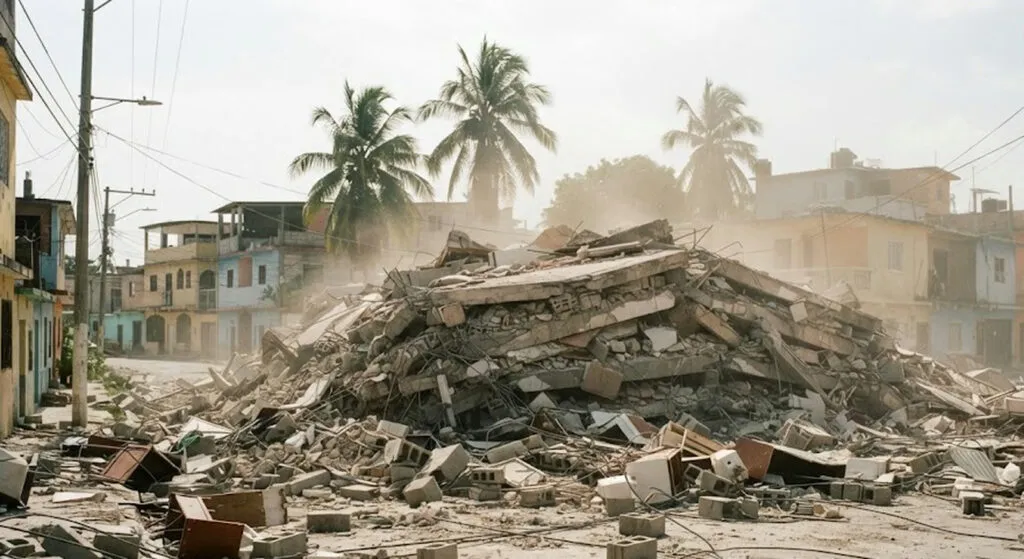
The footage from Pereira showing a building collapse to its foundations in an instant raises the question that follows every...

The EU's new system requires biometrics from everyone who isn't a Union citizen. With a Macedonian passport, that means you...

Because of an Iranian assassination threat, the presidential plane took off as a decoy - with the journalists inside and...
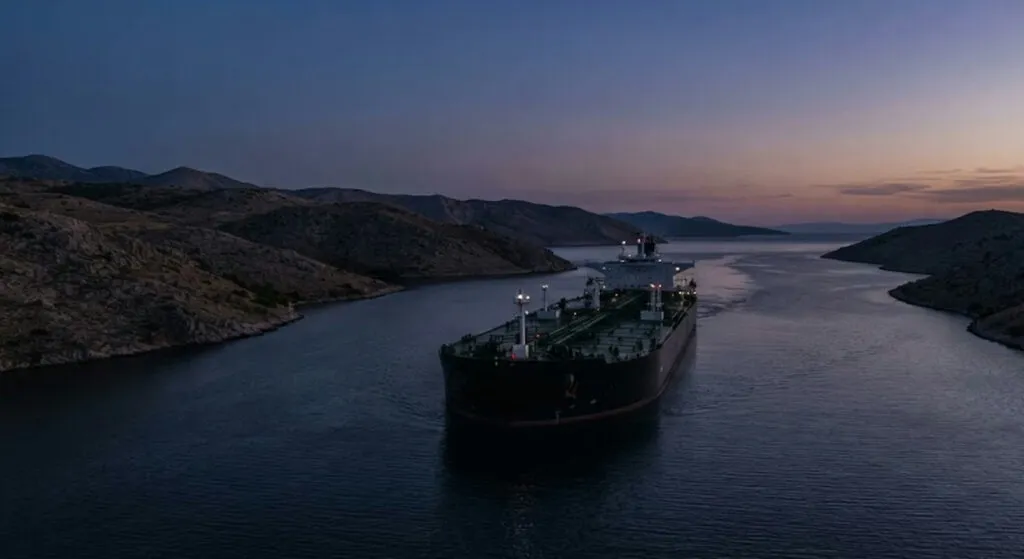
Tehran wants the blockade lifted, US forces withdrawn and sanctions erased. Washington answers with a chess metaphor - while a...
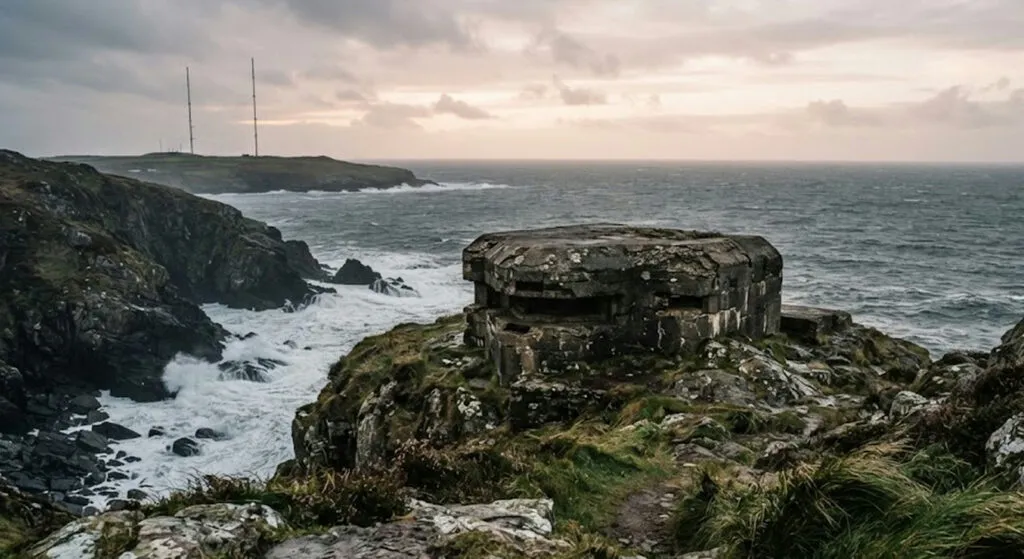
Not a fault and not an attack - an exercise. While the army simulates a Chinese landing, the authorities are...

Eleven years after he personally blessed her at a wedding that lasted ten days, the same man returned her to...
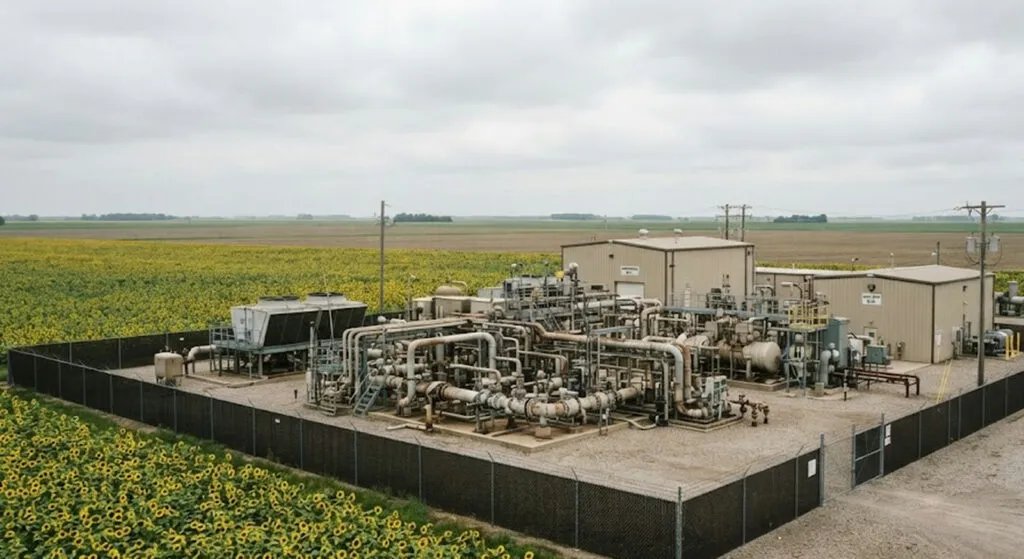
It came down in a sunflower field a kilometre from a compressor station. If it was not deliberate, that is...

A Mecca agreement with Pakistan and Saudi Arabia, modelled on Article 5. It is not aimed at Iran, they say...
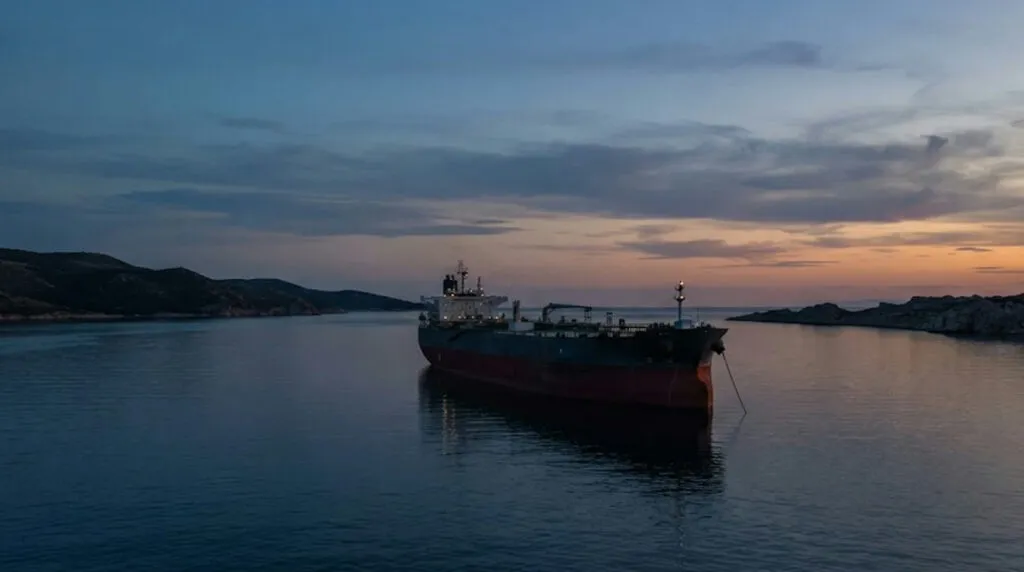
Sanctions, frozen assets, compensation, troop withdrawal. Tehran is in no hurry - time works for whoever holds the tap, not...

Russia issued permits for seven Chinese ships on the Northern Sea Route, and China is announcing its first scheduled line...
This site uses cookies - is that okay? Learn more
Be the first to know when Metla launches something new
Leave your email and we will write when there is a new guide or something new on Metla.