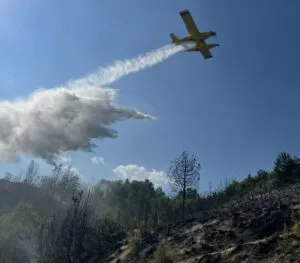
15 Wildfires in One Day, 23 in 24 Hours: And Once Again It Is the Landfills That Are Burning
12.08.2026


12.08.2026
12.08.2026

12.08.2026

12.08.2026
11.08.2026
10.08.2026

12.08.2026

12.08.2026

11.08.2026

12.08.2026

12.08.2026

12.08.2026

12.08.2026

11.08.2026

10.08.2026

12.08.2026

12.08.2026

12.08.2026

12.08.2026

12.08.2026

12.08.2026

09.03.2026

27.02.2026

19.02.2026
12.08.2026
11.08.2026
10.08.2026

23.04.2026

23.04.2026

12.04.2026
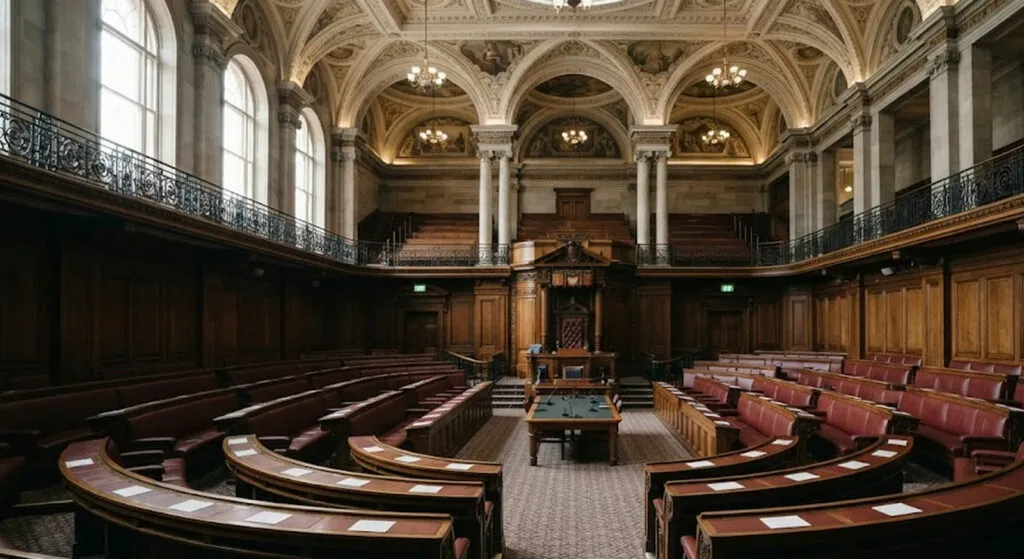
The Hungarian parliament elected Andras Baka, former president of the Supreme Court, as the country's new president. The ruling Tisza party's candidate received 140 votes in favour and six against, with no abstentions, in a secret ballot.
The number matters, but it is not the story. The story is who the man taking the office is - and who removed him from the previous one.
The judge they removed, then lost to in Strasbourg
Baka was born on 11 December 1952 in Budapest, studied political science and law, and earned his doctorate in 1978. In 1991 he resigned from parliament after being elected a judge of the European Court of Human Rights, where he stayed until 2008. He then presided over the Budapest Court of Appeal, and in June 2009 parliament elected him president of the Supreme Court for a six-year term.
That term did not last six years. It ended on 31 December 2011, on the basis of transitional constitutional provisions. The Supreme Court was succeeded by the Kuria, with its leadership roles split, and Baka - who had criticised the judicial reforms - could not stand for president of the Kuria, because a requirement of five years' experience as a judge in Hungary had been introduced.
Notice the construction. He was not dismissed by a decision that could be appealed. His post was abolished by a constitutional provision, and then he was disqualified by a condition tailored so that precisely he would fail it. There is nobody to sue when the thing that removed you is the constitution itself.
And that is exactly why he could not seek protection before the Hungarian courts. He went to Strasbourg - to the court where he had once sat as a judge. The first-instance judgment in May 2014, upheld in June 2016, found that Hungary had violated his freedom of expression through the way his term was cut short.
What this means now
The election comes after the term of the previous president Tamas Sujok ended on 20 July, with the application of the 17th constitutional amendment on high offices. The election is also read as part of Prime Minister Peter Madar's effort to reduce the influence of former prime minister Viktor Orban, since Madar came to power in May. Parliamentary speaker Agnes Forsthofer had been acting president and will be replaced eight days after the results are published.
What Baka said in his address deserves more attention than his biography. Constitutional stability, he said, depends on the broadest possible social support, and he warned against reworking constitutional frameworks purely as documents of a temporary majority. Adopting a constitution, in his view, requires broad public and expert debate, genuine political consensus, and a procedure reflecting the democratic culture it will later have to sustain.
This is said by a man who learned first-hand what a constitution written for the needs of the moment means. The question that remains is whether the new majority will listen to that sentence, or remember it only until it too needs a constitutional amendment cut to measure.
Because the mechanism that removed Baka was not a Hungarian invention and did not stay in Hungary. In this region the same approach is recognised without effort - you change the rule, not the person, and everything looks perfectly lawful. Hence the value of this election: for the first time the office is held by somebody who went through that machine from the wrong side.
The latest 10 news from this category
The only country in the world where the ban is official, in writing. Five years is almost an entire secondary...
A Damascus court sentenced Bashar al-Assad to death for war crimes. A verdict handed down in absentia is a document,...

The Union approved the amount, and there is still no document setting out how much falls on each member state....
Eighteen years without diplomatic relations and hope in political changes nobody specifies. Frozen conflicts do not get resolved, people get...

The man who knew the names, the connections and the money of one side in a divided Libya has been...
The footage from Pereira showing a building collapse to its foundations in an instant raises the question that follows every...
The EU's new system requires biometrics from everyone who isn't a Union citizen. With a Macedonian passport, that means you...

Because of an Iranian assassination threat, the presidential plane took off as a decoy - with the journalists inside and...
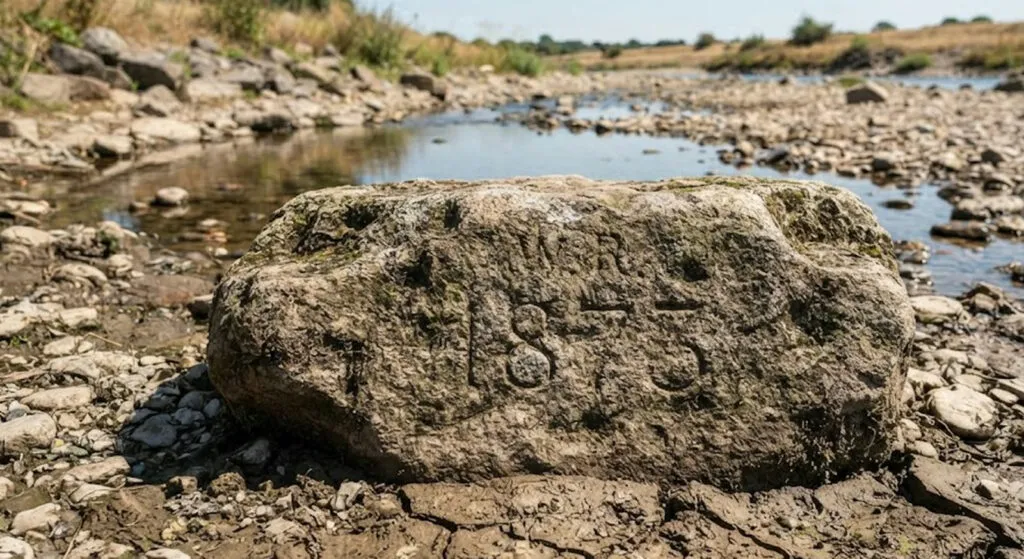
People in the seventeenth century carved dates into river stones to warn whoever came after them. The Germans have a...

Tehran wants the blockade lifted, US forces withdrawn and sanctions erased. Washington answers with a chess metaphor - while a...
This site uses cookies - is that okay? Learn more
Be the first to know when Metla launches something new
Leave your email and we will write when there is a new guide or something new on Metla.