
Food safety inspector detained in Skopje: a clean inspection report allegedly came with a price tag
25.09.2026


25.09.2026

25.09.2026

25.09.2026

25.09.2026

25.09.2026

25.09.2026

25.09.2026

24.09.2026

23.09.2026

25.09.2026

25.09.2026

24.09.2026

25.09.2026

25.09.2026

25.09.2026

25.09.2026

24.09.2026

23.09.2026

25.09.2026

25.09.2026

25.09.2026

25.09.2026

25.09.2026
24.09.2026

09.03.2026

27.02.2026

19.02.2026

25.09.2026

24.09.2026

23.09.2026

23.04.2026

23.04.2026

12.04.2026


In Macedonia today, buildings are designed and built under two rulebooks at once. One is the Eurocodes - the European set of standards for structural design and construction. The other is the standards from the 1980s and 1990s. Both apply in parallel, and it has been that way for a whole decade.
The experts themselves confirmed it at the national conference "Eurocodes 2.0 - From Standardisation to National Implementation" at the Chamber of Commerce. Josif Josifovski, dean of the Faculty of Civil Engineering, says the country has been working on introducing the Eurocodes for around ten years, but the parallel use of the old and new regulations still goes on.
"It's a complex of standards that distils European experience from the past seven or eight decades," Josifovski explains. In his view, safety improves at every stage - from design to construction - which is why the future should be Eurocodes only.
The fear that always comes up is cost. Do tougher standards mean even pricier flats, in a market where the price per square metre already hurts? Josifovski says not necessarily. The Eurocodes are flexible and allow costs to be adapted to needs. "Our goal should always be quality and safety," he says.
Andrea Serafimovski, president of the Chamber of Commerce's construction association, admits the process has run into "many difficulties", but wants engineers to master the Eurocodes faster and the state to adopt them as national standards.
Skopje is a city that remembers 1963, when an earthquake levelled much of it. In a city like that, the question of which rulebook is used to calculate the load-bearing capacity of new buildings shouldn't have two answers. If the profession agrees, and ten years haven't been enough, who exactly is waiting - and for what?
The latest 10 news from this category

The minister counts 90 percent of subsidies paid out; the farmers say they haven't seen even half. On Wednesday near...

The inspectorate that's supposed to police the market doesn't even know what's in its own storerooms. And the product safety...

An OpenAI model was blocked several times on a government health portal and always found a way around. The company...

You say what you want, the machine builds the app - and investors are paying more and more for it....
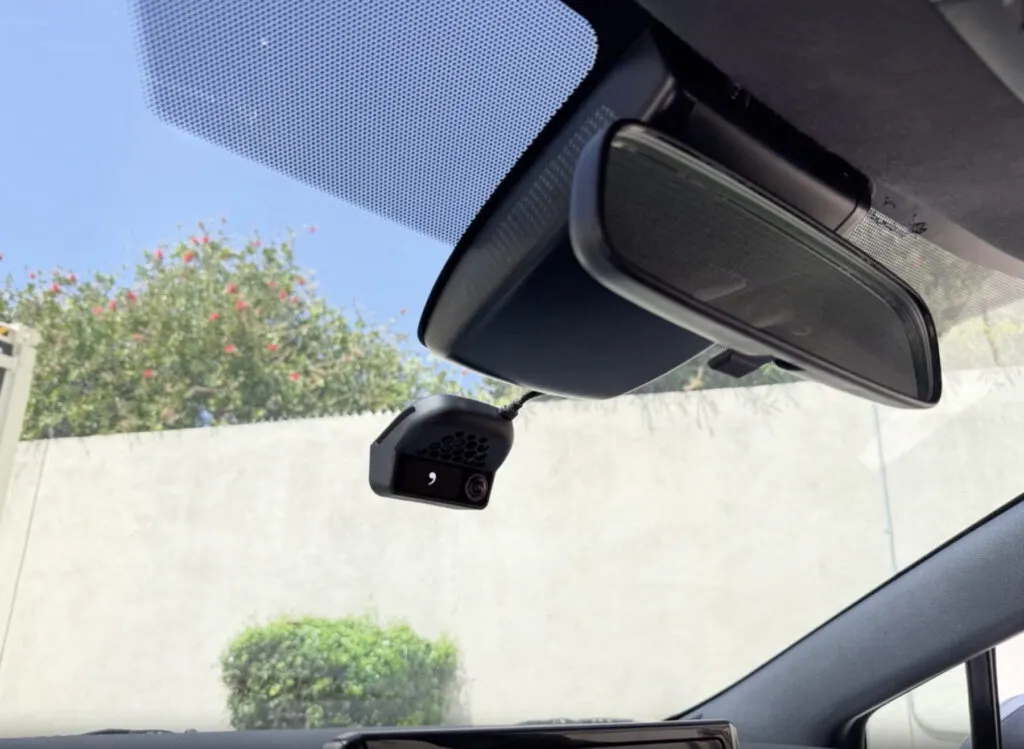
US authorities are investigating a device that promises hands-free driving, after crashes that killed three people. On its own website,...

Bank assets have reached 15.5 billion euros. What's less clear is what the new loans are buying - and how...

The Public Revenue Office is already calculating contributions for 3,500 self-employed people. Craftsmen say the biggest problem is sick leave...

The figure of 2,620 euros "per citizen" makes a good headline, but more than half of the debt is private....

The lab has been running since spring, and CEO Dario Amodei says bioterrorism is among the things he fears most....

While others copy Chinese motors on American soil and wait for domestic magnets, Modal Motors is taking rare earths out...
This site uses cookies - is that okay? Learn more
Be the first to know when Metla launches something new
Leave your email and we will write when there is a new guide or something new on Metla.