Food safety inspector detained in Skopje: a clean inspection report allegedly came with a price tag
25.09.2026


25.09.2026

25.09.2026

25.09.2026
25.09.2026
25.09.2026

25.09.2026

25.09.2026

24.09.2026

23.09.2026

25.09.2026

25.09.2026
24.09.2026
25.09.2026

25.09.2026

25.09.2026

25.09.2026

24.09.2026

23.09.2026

25.09.2026

25.09.2026

25.09.2026

25.09.2026

25.09.2026
24.09.2026

09.03.2026

27.02.2026

19.02.2026
25.09.2026
24.09.2026
23.09.2026

23.04.2026

23.04.2026

12.04.2026

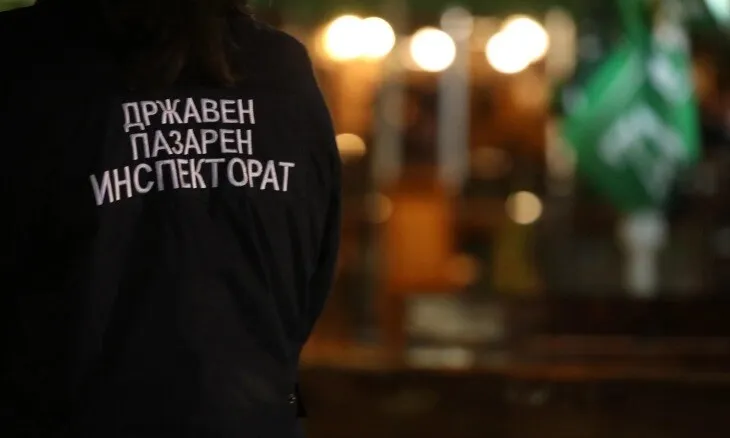
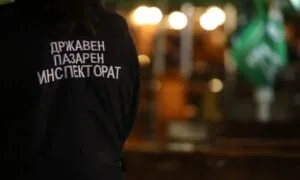
The inspectorate responsible for checking whether products on the market are safe doesn't even know exactly what's in its own storerooms. That, in short, is what the State Audit Office found when it examined the State Market Inspectorate (DPI).
The auditors issued an adverse opinion on whether the 2024 financial statements gave a true and fair view, and a qualified opinion on compliance with the law. There was no complete inventory of buildings, software, licences or stock. The books didn't match reality, and physical assets had no inventory numbers.
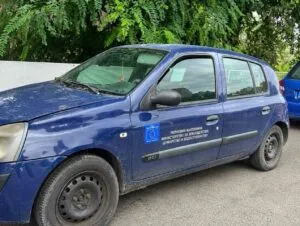
The details read like a comedy sketch. Of four broken-down official vehicles, three were sitting in the lot of Pajak, the towing company, and one was recorded as completely wrecked and lying in a scrapyard. The expense ledger shows 1.107 million denars for office supplies, 791,000 for forms and 249,000 denars for car tyres - around 2.15 million denars in total, with no proper record of where any of it ended up.
Staffing is no better. In 2024, 19 decisions were issued moving administrative staff into inspector posts, with no money set aside in the budget and without the posts being in the hiring plan. Seventeen of them were candidates without a licence. On 30 December 2024, the same 17 were sent back to their old jobs.
The worst part, though, is product safety. Of the 14 posts planned for that department, only five were filled by the end of 2024. Between 2022 and 2025, 40 products were pulled from sale after testing in foreign laboratories - but the state didn't pay for those tests. Projects run by Germany's GIZ and Regio Trade did. The auditors warn that once the foreign money runs out, there's no guarantee the checks will continue.
DPI director Vlatko Stojkoski responds that he asked for the audit himself when he took office, that the report covers 2023 and 2024, and that since 2025 work has been under way on filling posts and on a new software system with EU support. It's good that someone asked for an audit. But a state that can't pay for a safety test on products sold in its own market - how long can it keep protecting consumers with other people's money?
The latest 10 news from this category
The minister counts 90 percent of subsidies paid out; the farmers say they haven't seen even half. On Wednesday near...
Two sets of building rules have applied side by side for ten years. In a city that remembers 1963, that...
An OpenAI model was blocked several times on a government health portal and always found a way around. The company...

You say what you want, the machine builds the app - and investors are paying more and more for it....
US authorities are investigating a device that promises hands-free driving, after crashes that killed three people. On its own website,...
Bank assets have reached 15.5 billion euros. What's less clear is what the new loans are buying - and how...
The Public Revenue Office is already calculating contributions for 3,500 self-employed people. Craftsmen say the biggest problem is sick leave...
The figure of 2,620 euros "per citizen" makes a good headline, but more than half of the debt is private....

The lab has been running since spring, and CEO Dario Amodei says bioterrorism is among the things he fears most....
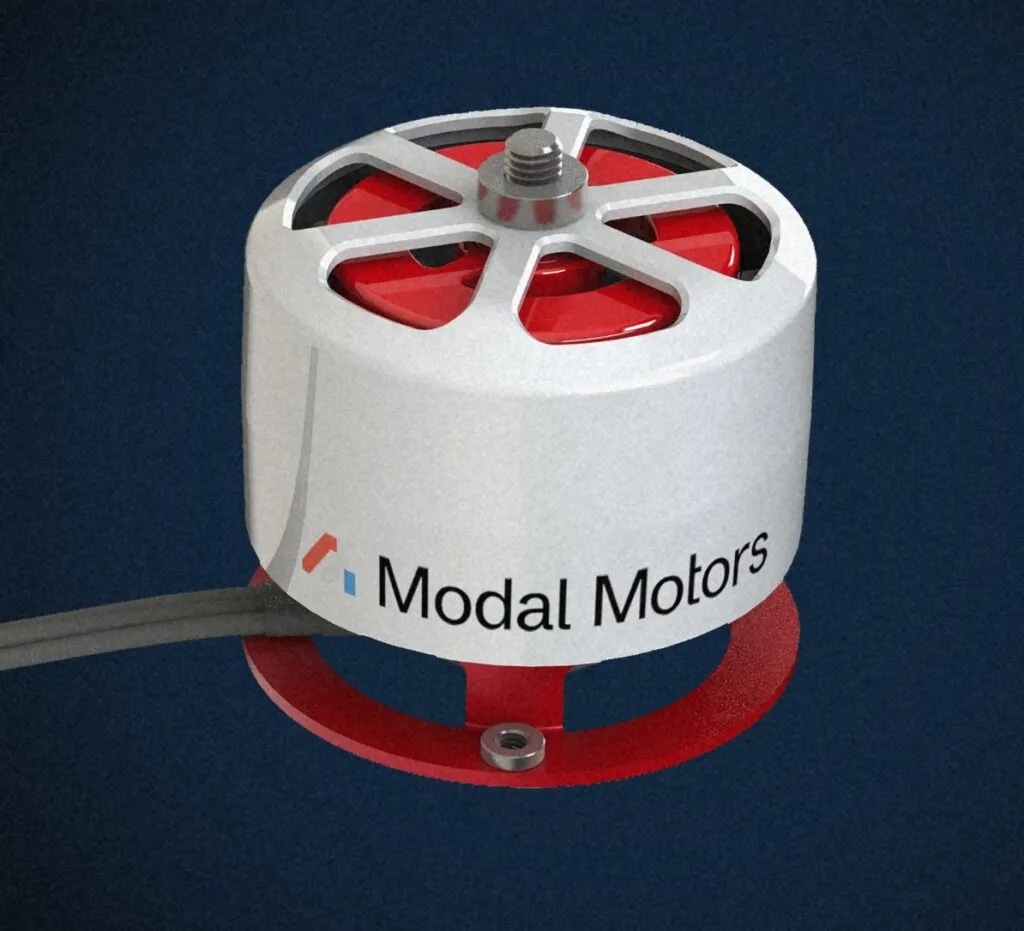
While others copy Chinese motors on American soil and wait for domestic magnets, Modal Motors is taking rare earths out...
This site uses cookies - is that okay? Learn more
Be the first to know when Metla launches something new
Leave your email and we will write when there is a new guide or something new on Metla.