
The "Lottery" Trial: 231 Pieces of Evidence, and So Far Not a Single Message Between Grubi and Bajrami
24.09.2026


24.09.2026

24.09.2026

24.09.2026
24.09.2026

24.09.2026

24.09.2026

24.09.2026

23.09.2026

22.09.2026

24.09.2026

24.09.2026

23.09.2026

24.09.2026

24.09.2026

24.09.2026

24.09.2026

23.09.2026

22.09.2026

24.09.2026

24.09.2026

24.09.2026

24.09.2026

23.09.2026

23.09.2026

09.03.2026

27.02.2026

19.02.2026

24.09.2026

23.09.2026

22.09.2026

23.04.2026

23.04.2026

12.04.2026

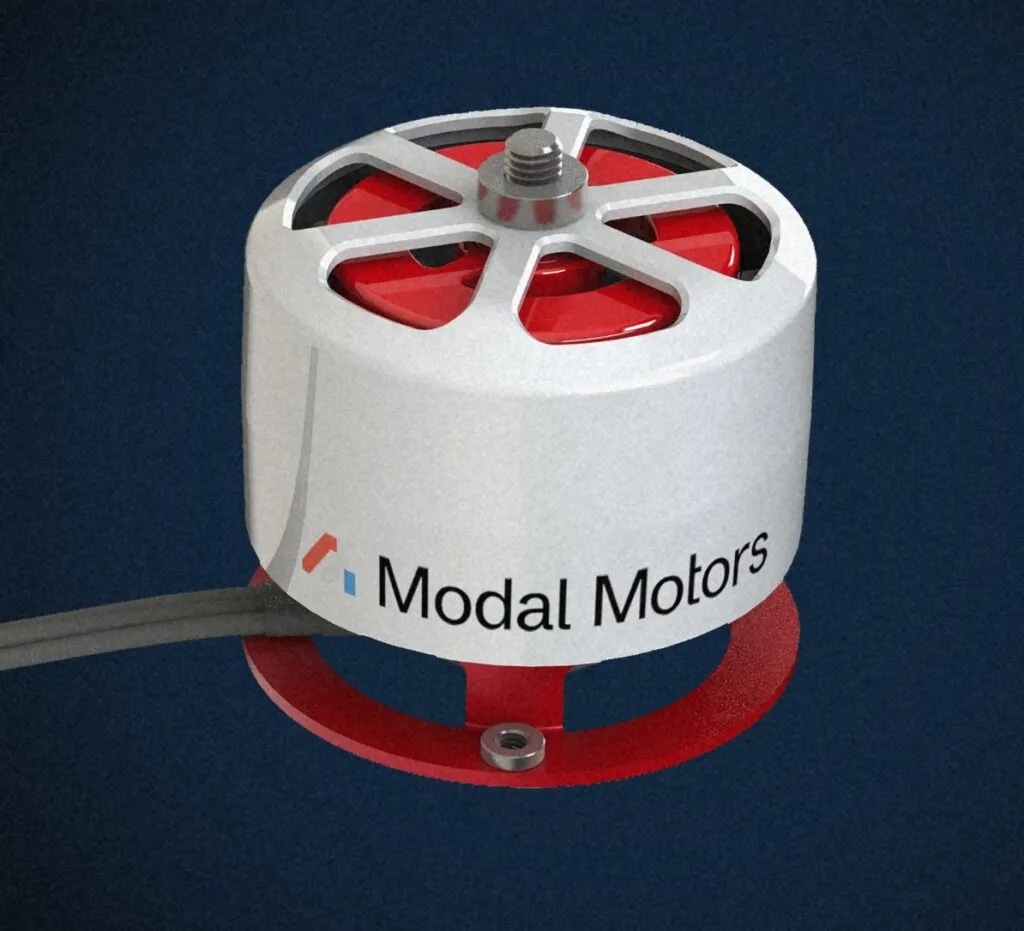
In America everyone is talking about bringing manufacturing home, especially when it comes to drones and robots. Michael Van Steenburg claims he's a step ahead of them. He spent the last decade building all kinds of electric motors in the US and North America, and now, with his new startup Modal Motors, he wants to do it once more - but this time entirely without rare-earth magnets, so that the US can cut itself loose even further from the Chinese supply chain.
"China has already flexed its muscles several times," he says, referring to Chinese restrictions on access to rare-earth products. He points the blade at the competition: "Others are reshoring, but they're essentially copying Chinese motors and just making them in the US. They're hoping the American rare-earth magnet system develops fast enough. It will be a long time before they can really replace China." A domestic supply of those materials is still years away, he argues.
The startup is developing two products. The first is a small electric motor for drones that can also work in fans and actuators, and according to the company it's designed for the lowest possible mass with the highest possible torque density and efficiency. The second is more radical: the so-called Hybrid Enigma Drive, a flat motor that fits into tight spaces. Van Steenburg will pitch both to investors next month at one of the bigger American startup competitions.
He admits the irony himself. In the late 1990s he worked on a petrol-electric hybrid drive that China wanted to fit into its so-called "people's car". "It's kind of comical," he says today. "I always tell people the clock started ticking 25 years ago. All that time I've been watching a train wreck in slow motion: China going around the world, grabbing mines, grabbing mineral rights, and slowly but surely monopolising the entire rare-earth supply chain."
The question is which will come first - a rare-earth-free motor that works well enough, or American magnets that Van Steenburg himself sees as years away. For Europe, which also buys its magnets mostly from China, it's hardly someone else's dilemma.
The latest 10 news from this category

The labs have hit the limit of what can be scraped off the internet for free, so now they buy...
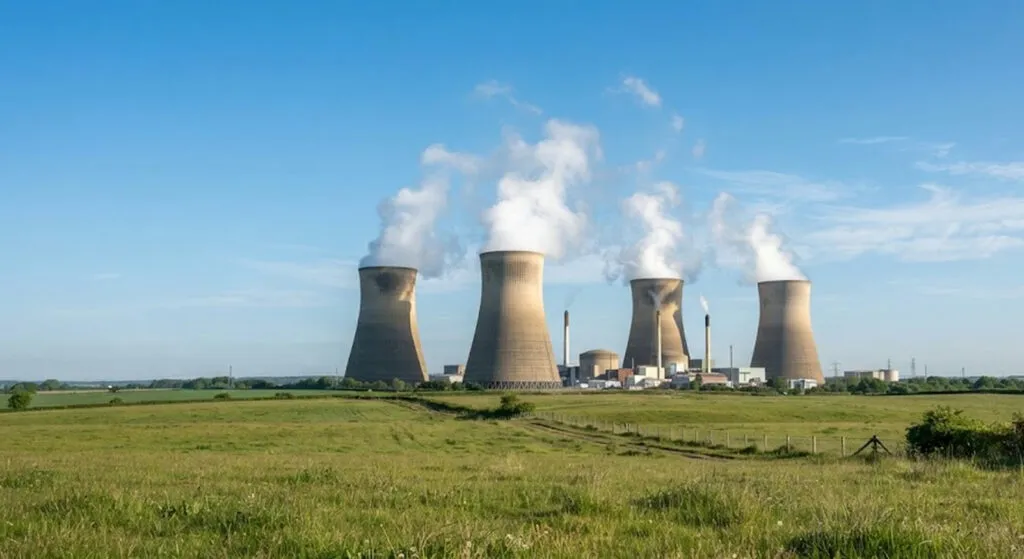
The 50-megawatt reactor is due to start up in 2030, and by 2035 Google wants 500 megawatts. When data centres...
Tinex, SuperTinex, Konto and Spot move to a Pristina-based group with 235 million euros in turnover. The commission saw no...
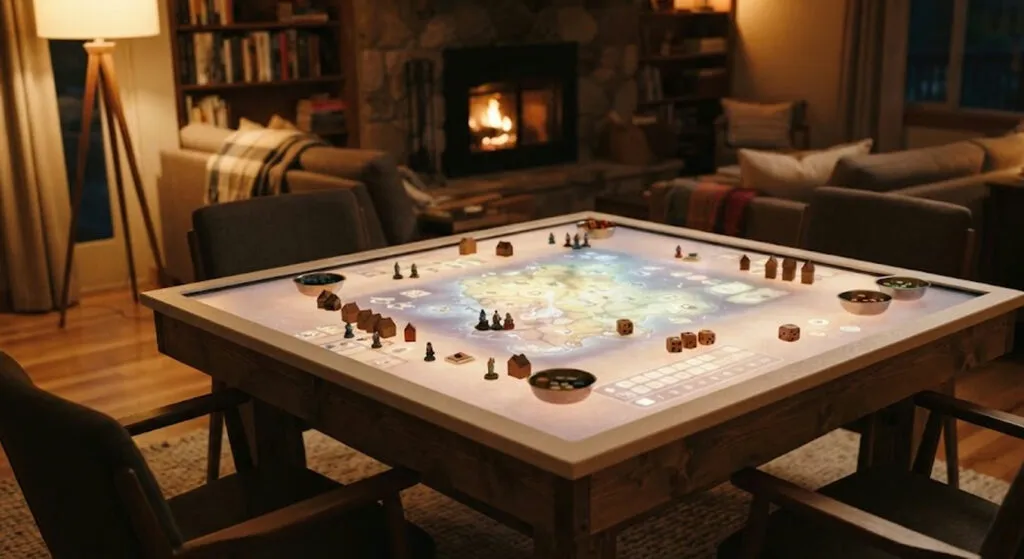
The WHO has declared loneliness a global health problem linked to around 870,000 deaths a year. On America's east coast...
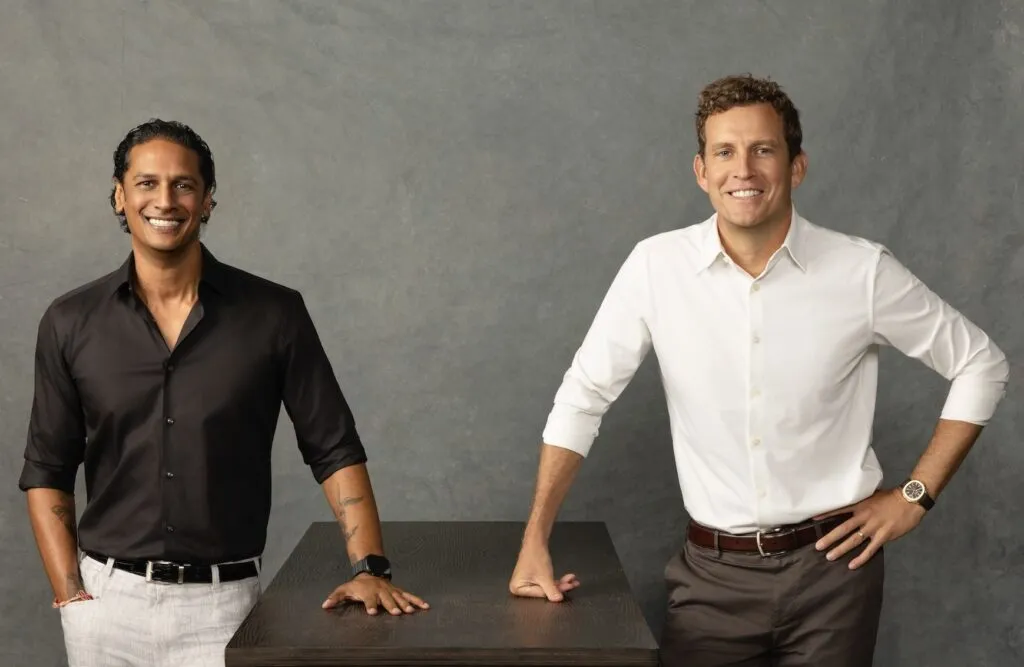
Porsche, Alaska Airlines and J.B. Hunt are not buying startups - they are commissioning them. When innovation moves inside the...

Sold for two billion, blocked by the state, bought back by its own investors - and now worth twice as...
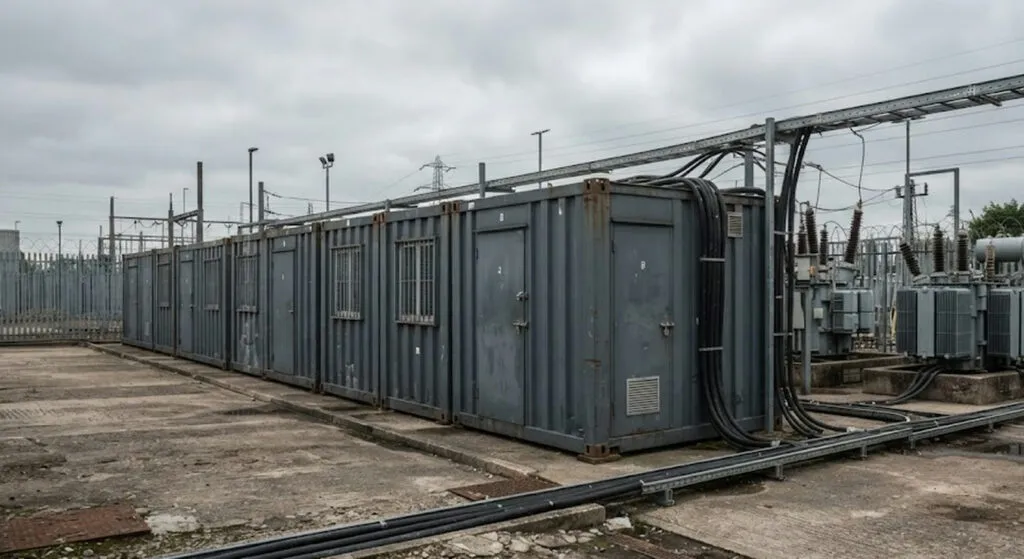
An eight-year-old firm that started out mining crypto has tripled its value in ten months. It did not discover anything...
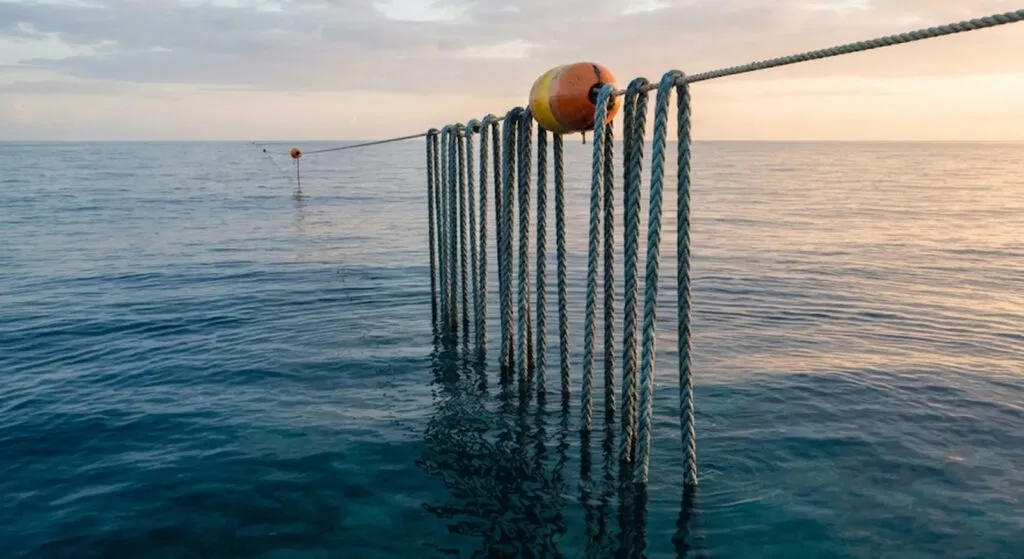
The price of uranium has jumped 75 percent in five years, and the list of countries that mine it reads...
Exein raised 270 million dollars and its valuation jumped thirtyfold in two years. The European regulation coming into force in...
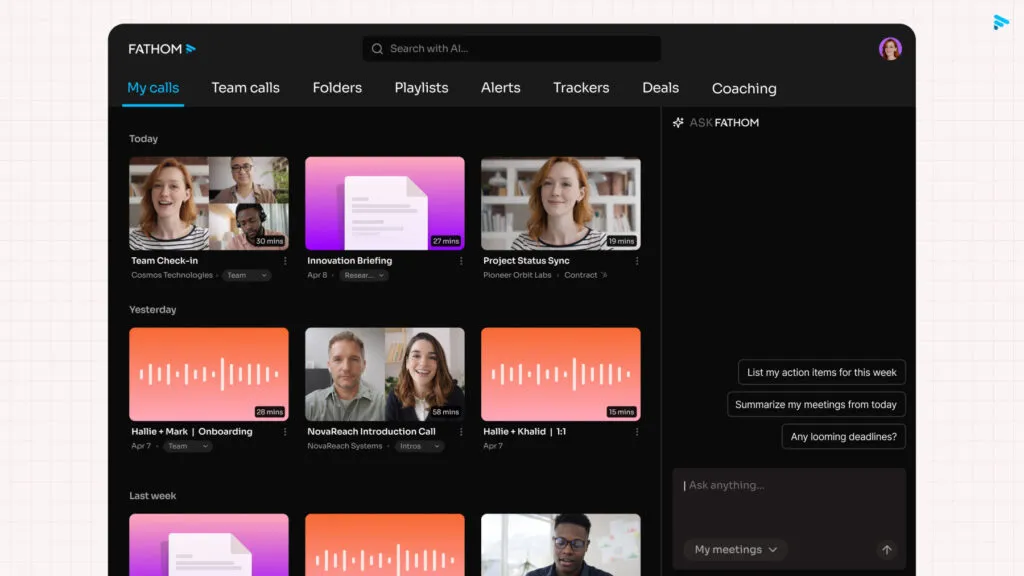
A startup valued at 94 million dollars changed hands, and both sides said openly what was being bought - not...
This site uses cookies - is that okay? Learn more
Be the first to know when Metla launches something new
Leave your email and we will write when there is a new guide or something new on Metla.