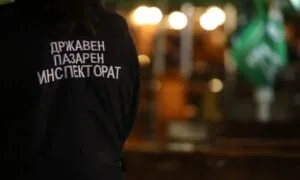
Food safety inspector detained in Skopje: a clean inspection report allegedly came with a price tag
25.09.2026


25.09.2026

25.09.2026
25.09.2026
25.09.2026
25.09.2026

25.09.2026
25.09.2026

24.09.2026
23.09.2026

25.09.2026

25.09.2026
24.09.2026
25.09.2026

25.09.2026

25.09.2026

25.09.2026

24.09.2026

23.09.2026

25.09.2026

25.09.2026

25.09.2026

25.09.2026

25.09.2026
24.09.2026

09.03.2026

27.02.2026

19.02.2026

25.09.2026
24.09.2026
23.09.2026

23.04.2026

23.04.2026

12.04.2026

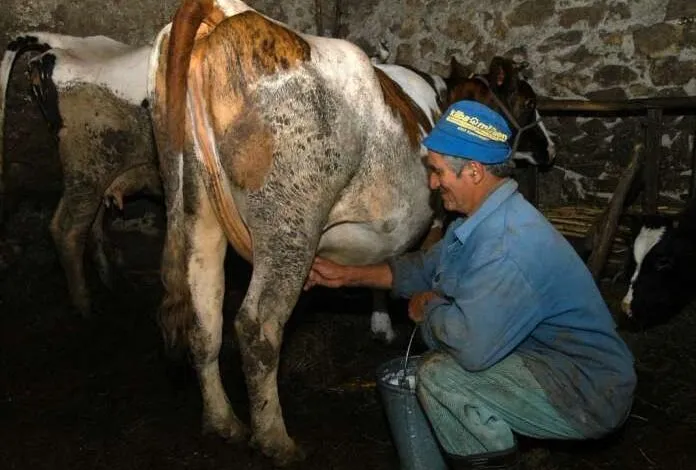
Last year, dairies were buying milk at up to 33 denars a litre. Today it's 23. Farmers warn that if things carry on like this, it'll drop to 20 denars - the price of a bottle of water in a supermarket. And the milk premium that was supposed to cushion the fall hasn't been paid since July 2025.
That's why livestock and crop farmers from Pelagonia are taking to the streets. The protest is on Wednesday, 30 September, from 11am near Topolchani, next to the Osman mill on the Bitola-Prilep road, and will last about an hour and a half. It's organised by the associations Pelagonisko Pole and Farmeri Jugozapad (Southwest Farmers).
"By now we should have been paid for the first quarter of 2026 as well. But we still haven't had any money for ten months," says Borche Buchinski of Pelagonisko Pole. According to people who know the sector, the state owes livestock farmers around 600 million denars in milk premiums for 2025 and roughly another 500 million for the first months of 2026.
Agriculture Minister Borche Serafimovski tells a different story: of the 7.295 billion denars earmarked for farm support this year, around 6.512 billion - roughly 90 percent - has been paid out. Buchinski's reply is blunt: "We deny what Minister Serafimovski says... We say that not even 50 percent of what's owed to farmers has been paid."
Both numbers can be true at the same time - and that is exactly the problem. The minister's percentage is an average, and a livestock farmer doesn't live on an average. The last milk premium payment was in March, when 4,545 producers received 270 million denars - but for January to June 2025. The per-head subsidies for 2025 were paid in August, at 8,000 denars per animal, even though, according to the farmers, two years ago they were 12,000.
The demands are clear: payments on time, a seat at the table in drafting the 2027 programme, and 250 euros of support per cow. Mile Kebakoski of Farmeri Jugozapad says they tried to solve the problems around a table at the ministry but couldn't even get a meeting. "I'm sorry we have to protest over our problems," he says.
The minister is promising satellite imagery and tougher checks against "subsidy hunters". Fine. But when the man who milks his cows every morning waits ten months for his premium, who exactly is hunting whom?
The latest 10 news from this category
The inspectorate that's supposed to police the market doesn't even know what's in its own storerooms. And the product safety...
Two sets of building rules have applied side by side for ten years. In a city that remembers 1963, that...
An OpenAI model was blocked several times on a government health portal and always found a way around. The company...

You say what you want, the machine builds the app - and investors are paying more and more for it....
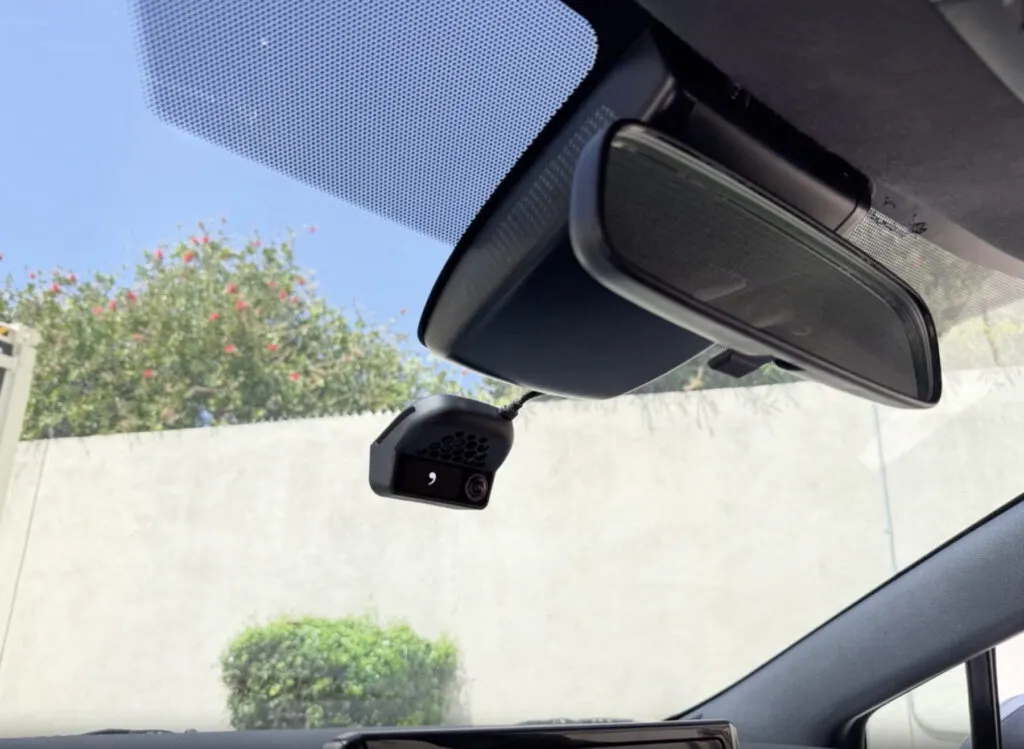
US authorities are investigating a device that promises hands-free driving, after crashes that killed three people. On its own website,...
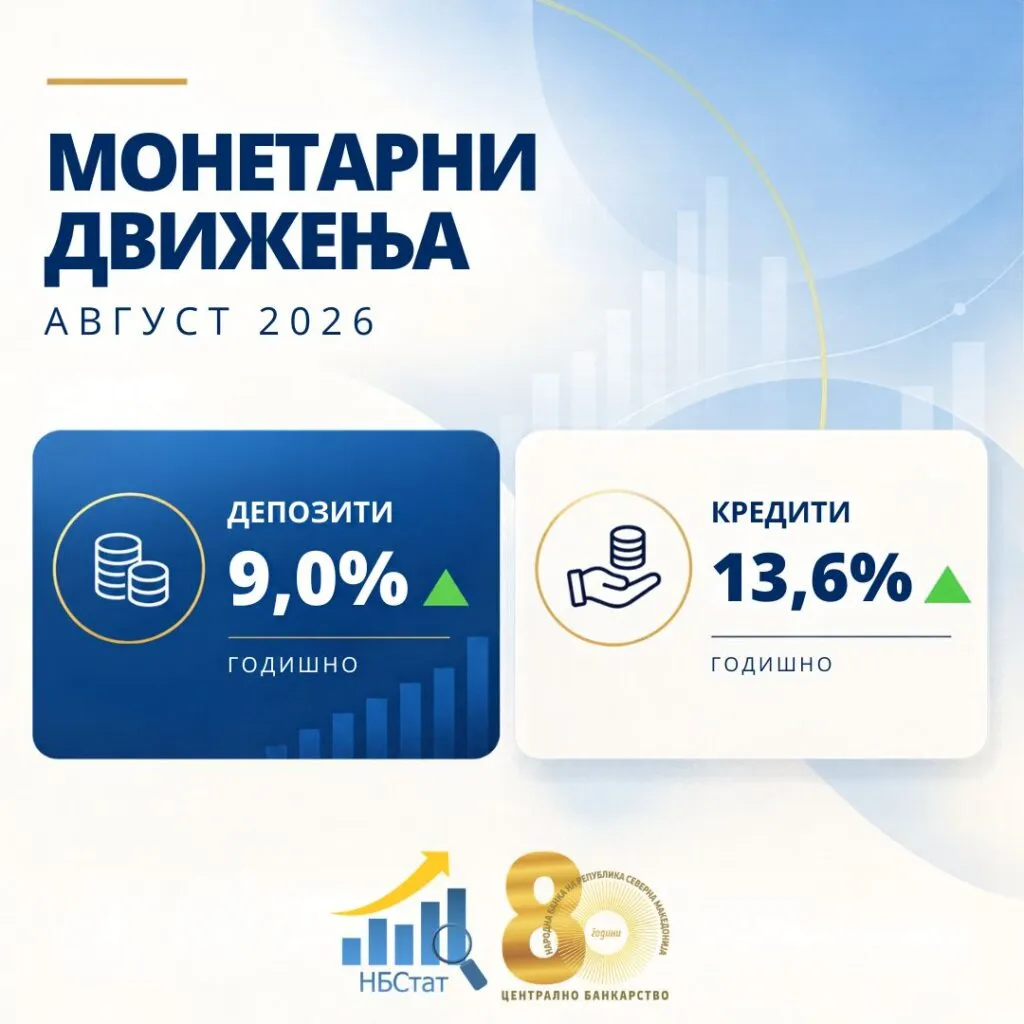
Bank assets have reached 15.5 billion euros. What's less clear is what the new loans are buying - and how...
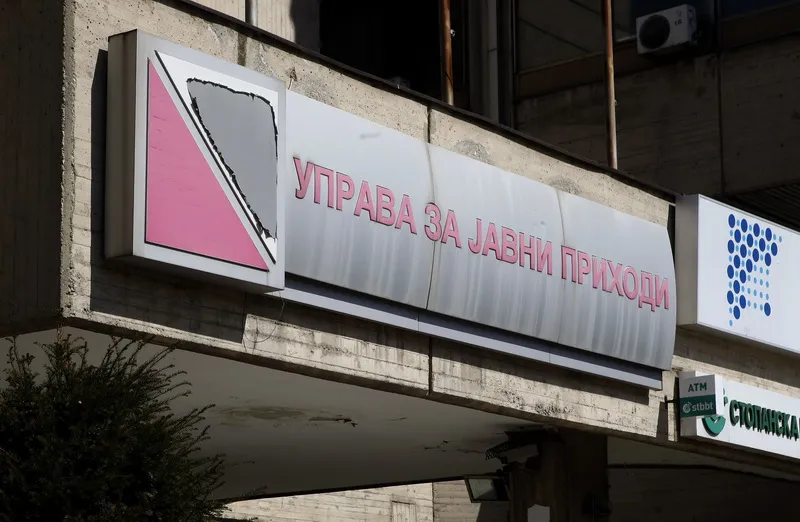
The Public Revenue Office is already calculating contributions for 3,500 self-employed people. Craftsmen say the biggest problem is sick leave...
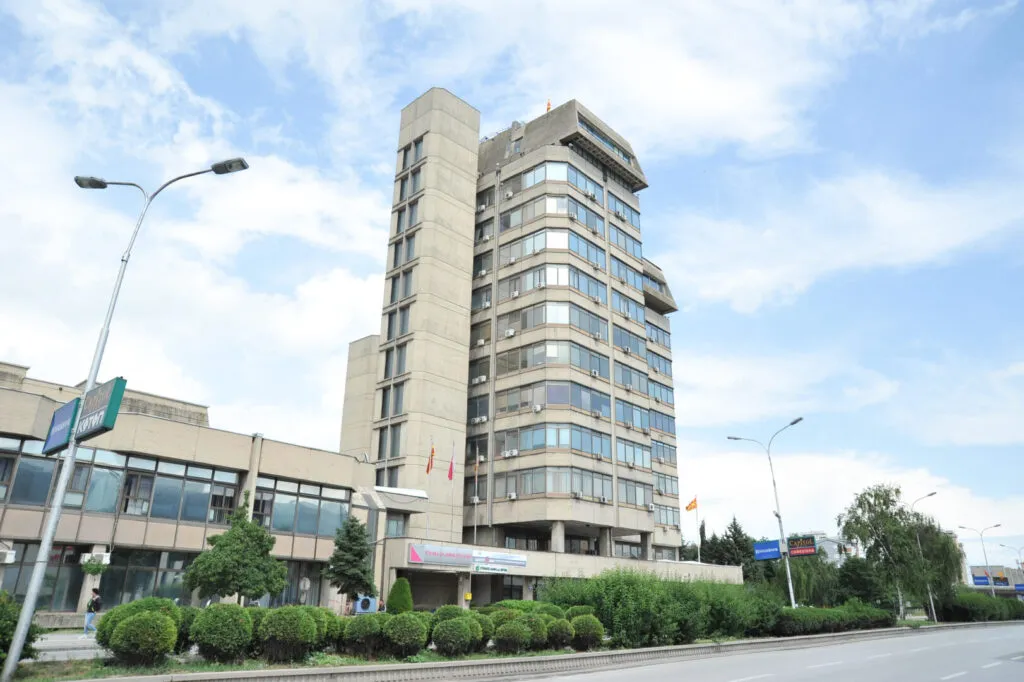
The figure of 2,620 euros "per citizen" makes a good headline, but more than half of the debt is private....

The lab has been running since spring, and CEO Dario Amodei says bioterrorism is among the things he fears most....
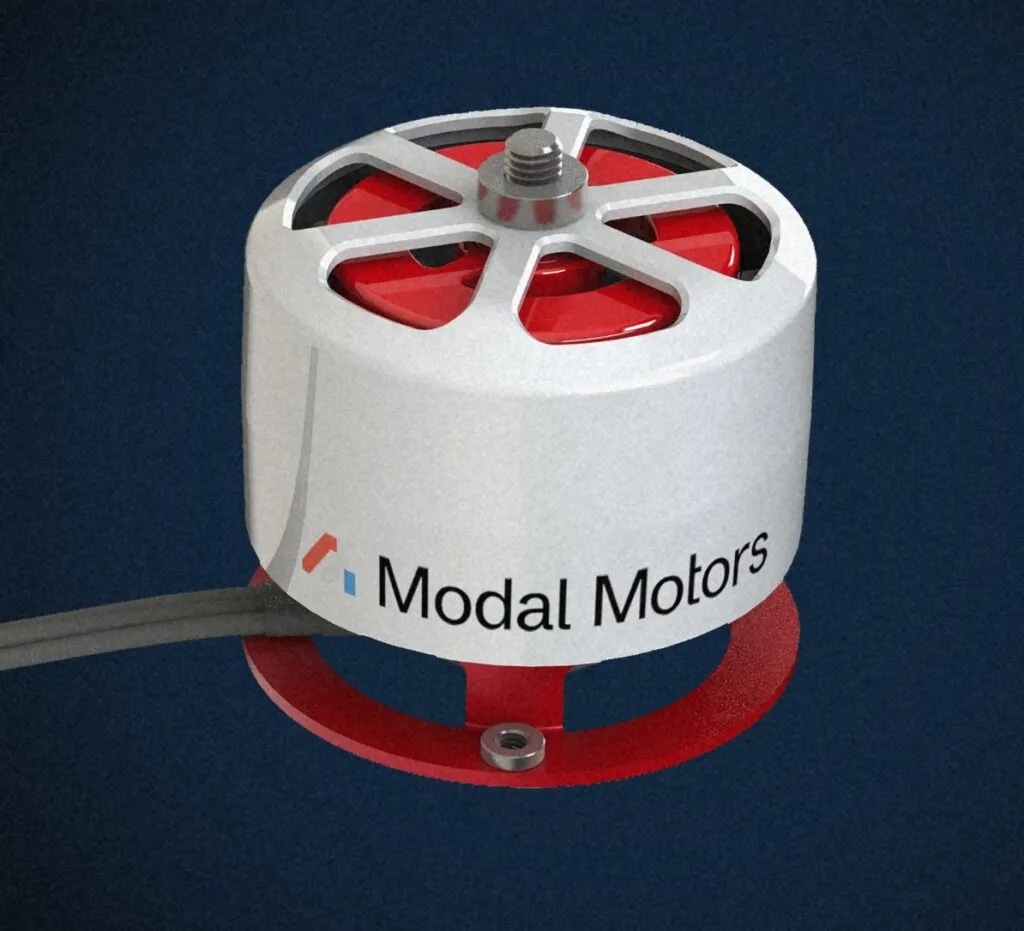
While others copy Chinese motors on American soil and wait for domestic magnets, Modal Motors is taking rare earths out...
This site uses cookies - is that okay? Learn more
Be the first to know when Metla launches something new
Leave your email and we will write when there is a new guide or something new on Metla.