
Food safety inspector detained in Skopje: a clean inspection report allegedly came with a price tag
25.09.2026


25.09.2026

25.09.2026

25.09.2026

25.09.2026

25.09.2026

25.09.2026

25.09.2026

24.09.2026

23.09.2026

25.09.2026
25.09.2026

24.09.2026

25.09.2026

25.09.2026

25.09.2026

25.09.2026

24.09.2026

23.09.2026

25.09.2026

25.09.2026

25.09.2026
25.09.2026

25.09.2026
24.09.2026

09.03.2026

27.02.2026

19.02.2026

25.09.2026

24.09.2026

23.09.2026

23.04.2026

23.04.2026

12.04.2026

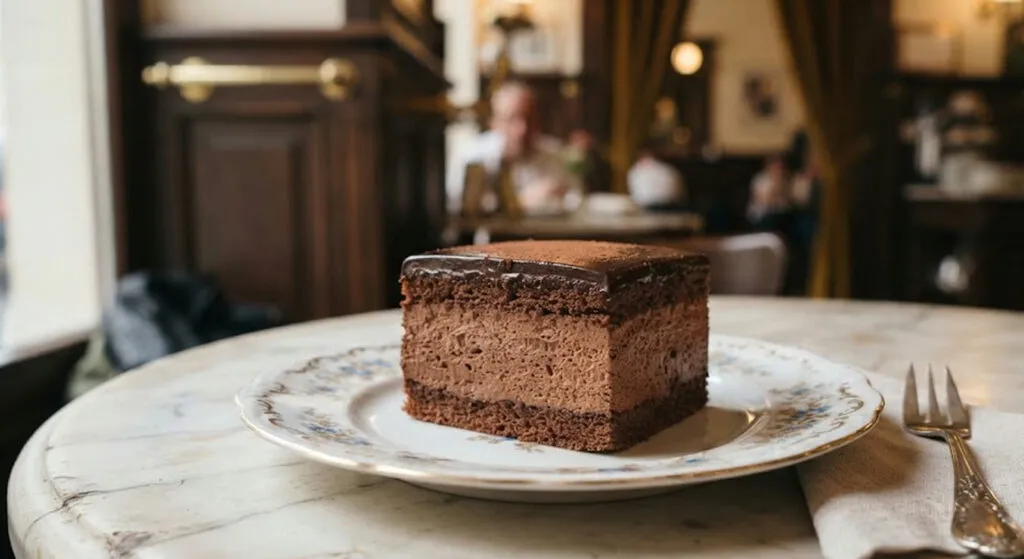
Rigó Jancsi is one of Hungary's best-known cakes: two layers of chocolate sponge, a tall layer of chocolate cream between them and a glossy chocolate glaze on top. Behind it lies a story the newspapers of the late 19th century couldn't tear themselves away from.
The year is 1896, the Paris restaurant Paillard. Hungarian violinist Rigó Jancsi is playing for high society, and in the audience sits Clara Ward - an American heiress and wife of the Prince de Chimay. She is captivated by the passion with which he plays. The flirtation turns into a romance that scandalises the world of the day: the two leave their spouses and later marry. Newspapers follow them across Europe, and the story even reaches America. According to the most often told legend - which, it should be said, isn't fully documented - during a stay in Hungary the violinist commissioned a dessert from a pastry chef to surprise his beloved. The pastry chef cashed in on the couple's fame and sold the cake under the violinist's name. It was an instant hit.
The love didn't last. In 1908, after almost a decade together, the couple split. The cake stayed - and you can still find it today in classic Hungarian patisseries and historic coffee houses, sometimes in modern versions too. In a region where the pastry shop is an institution, it's easy to see why the recipe outlived everything else.
Rigó Jancsi recipe (about 10 slices)
For the chocolate sponge:
For the chocolate cream:
For the apricot layer (optional): 80 g apricot jam and 1 tbsp water.
For the glaze: 150 g dark chocolate (60-70% cocoa) and 30 g unsalted butter.
The sponge. Preheat the oven to 180°C, top and bottom heat. Line the base of a square tin of about 20 x 20 cm with baking paper and lightly grease the sides. Separate the whites from the yolks. Whisk the whites with the salt, and when they start to foam, gradually add 75 g of the sugar until you have a stiff meringue. Beat the yolks with the remaining 75 g of sugar for 3-4 minutes until pale, then add the oil. Sift the flour with the 25 g of cocoa and fold it into the yolks, alternating with the whites, using a spatula and gentle bottom-to-top movements so you don't knock out the air. Pour into the tin and bake for 15-18 minutes. Leave to cool completely, remove from the tin and slice horizontally into two layers of equal thickness - a base and a top.
The cream. If using gelatine sheets, soak them in cold water for 5 minutes; if using powder, mix it with 2 tbsp cold water and leave it to bloom. Melt the chocolate over a bain-marie or in the microwave in 30-second bursts. Heat 100 ml of the cream without letting it boil, take it off the heat and dissolve the squeezed-out gelatine in it. Pour it over the chocolate, then add the icing sugar, the 15 g of cocoa, the vanilla and the rum. Mix well and leave to cool to room temperature. Whip the remaining 300 ml of cold cream to firm peaks. Stir one spoonful of whipped cream into the chocolate mixture to loosen it, then gently fold in the rest.
Assembly. Place the base in the paper-lined tin, pour in all the cream and level it with a spatula. Refrigerate for at least 3 hours, or overnight, so the cream sets. Keep the top layer separately, wrapped in cling film, at room temperature.
The top and the glaze. Warm the jam with the water for a few seconds and brush a very thin layer over the top layer. Melt the chocolate with the butter into a glossy cream, let it temper for 3-5 minutes, pour it over the top layer and spread it quickly with a spatula.
The cutting - the step that makes the cake. Leave the glaze at room temperature for about 10 minutes, until it loses its shine but before it sets rock hard. Dip a long knife in hot water, wipe it dry and cut the top layer into 9 or 10 squares. Take the tin with the base and cream out of the fridge and lay the squares one by one on top of the cream. Warm the knife again and cut down through the cream and base along the lines of the squares, wiping and warming the knife before every cut. This is exactly the step most people skip: the top is cut before the glaze has hardened, separately from the cream, so every slice comes out with clean edges, just like from a patisserie.
The latest 10 news from this category

The five dishes of Chuseok take days of work, and fewer and fewer people have the time. Why slowness is...

Five ingredients, fifteen minutes of cooking and the name of a nineteenth-century poet. Skip the soaking and you get a...
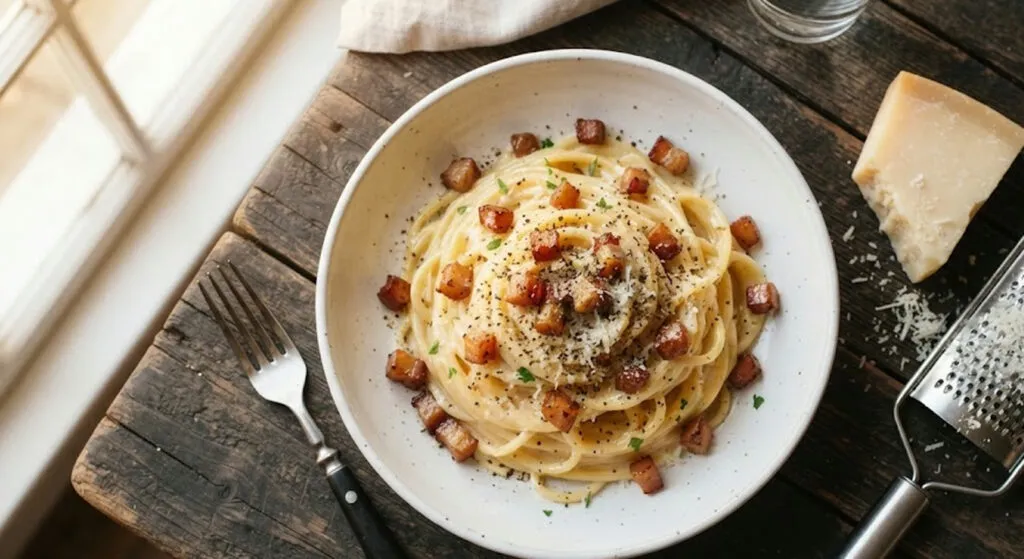
Cream in carbonara is an invention that took hold outside Rome. If the pan is hot when the eggs go...

Components separately, or full boxes ready to reheat. One gives you variety, the other speed, and blanching your vegetables before...
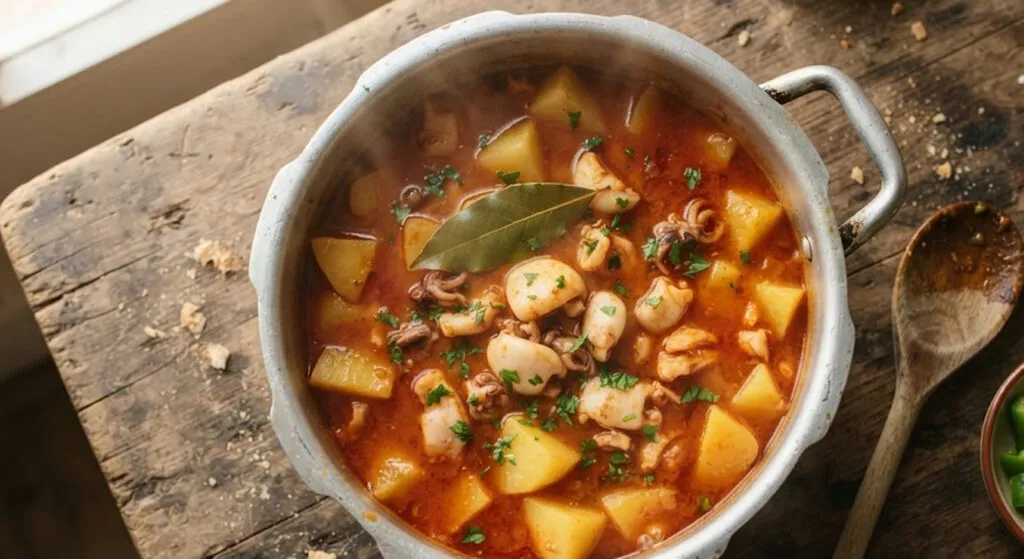
The cuttlefish goes in before the potatoes - the other way round and you get potato in water with pieces...
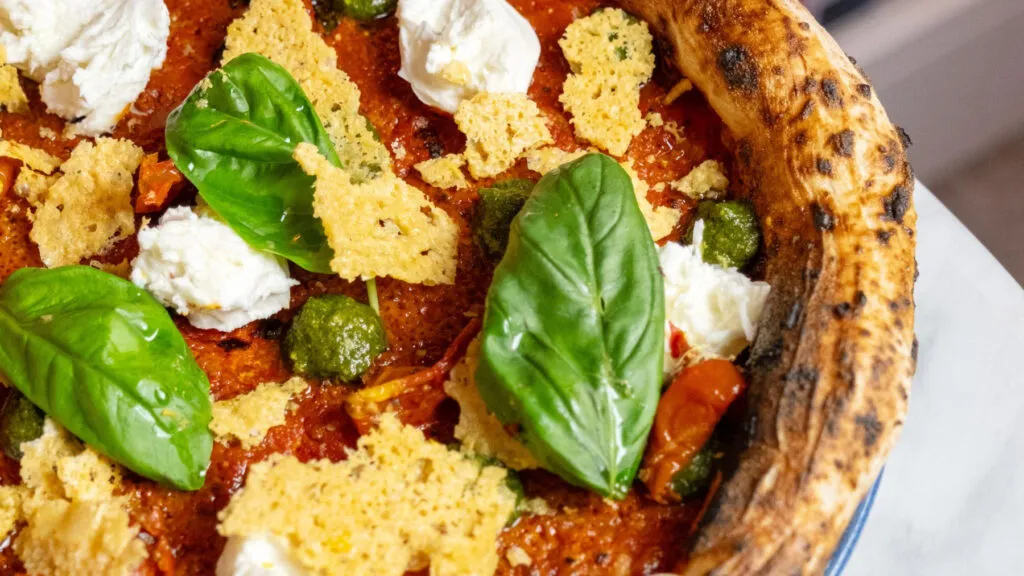
An Italian guide, a gala in Naples, first place for a London restaurant. Spain gets six entries - but only...

It is caught with hook and line, not with nets, and you can taste that on the plate. The three...

Home-made chicken curry fails at the same point for everyone. The difference is made by one step that has nothing...

Jose Andres has lived in America for over thirty years, and when asked for his favourite American dish he named...
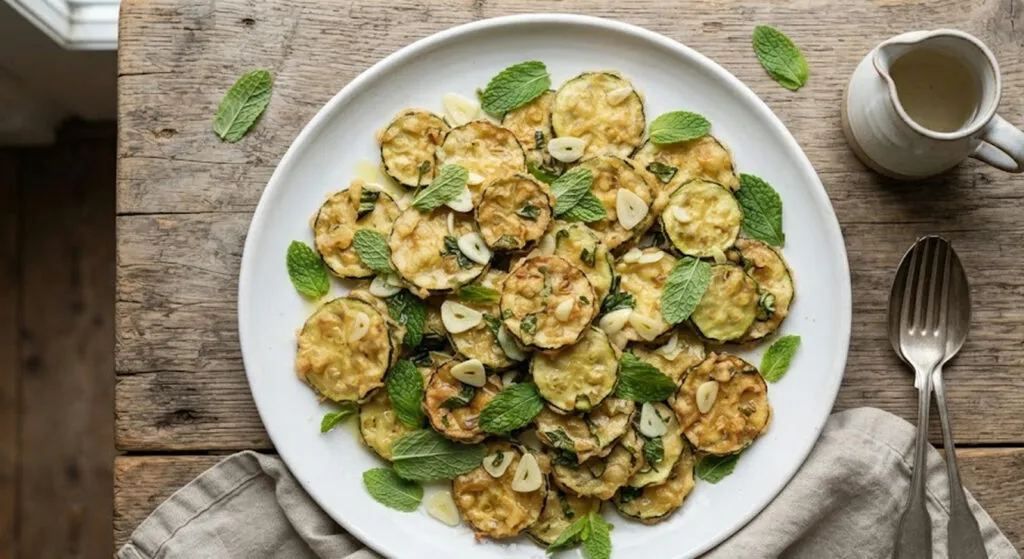
A kilo of courgettes, mint, garlic and eighty millilitres of vinegar. Not one expensive ingredient - and the water you...
This site uses cookies - is that okay? Learn more
Be the first to know when Metla launches something new
Leave your email and we will write when there is a new guide or something new on Metla.