Three of Four Sensors Were Dead: Skopje's Vodno Cable Car Ran Fifteen Years Without a Real Service
17.09.2026


17.09.2026

17.09.2026
17.09.2026
17.09.2026
17.09.2026
17.09.2026

17.09.2026
16.09.2026
15.09.2026

17.09.2026

17.09.2026
16.09.2026
17.09.2026

17.09.2026

17.09.2026
17.09.2026

16.09.2026
15.09.2026

17.09.2026

17.09.2026
17.09.2026

17.09.2026

17.09.2026

17.09.2026

09.03.2026

27.02.2026

19.02.2026

23.04.2026

23.04.2026

12.04.2026

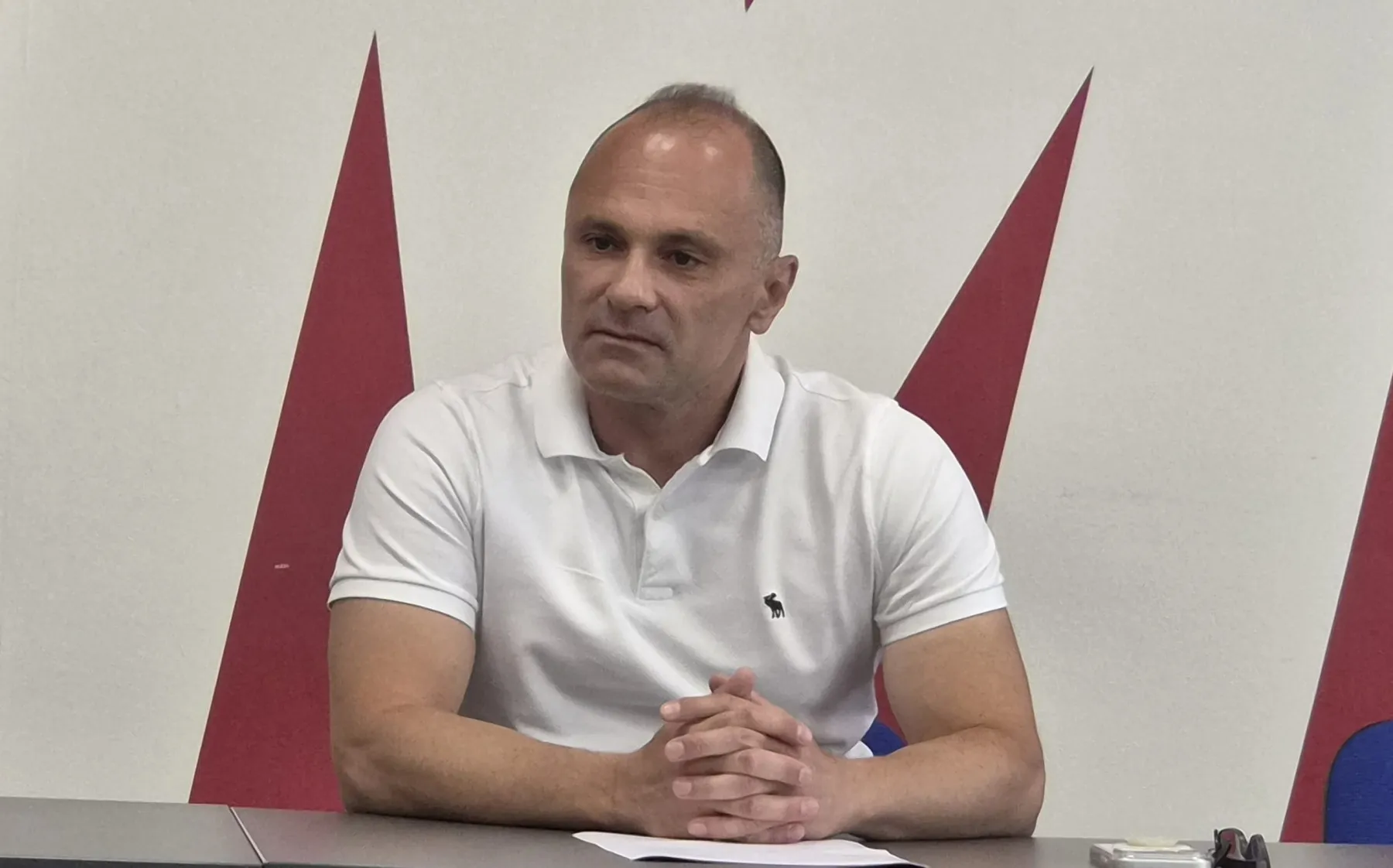
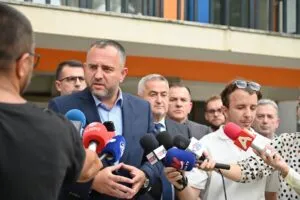
„I think there will be elections when they run out of money“. With that sentence, SDSM leader Venko Filipche closed his political forecast for the autumn at today's briefing - and simultaneously admitted something rarely said out loud: the opposition is not waiting for elections because it has a plan, but because it expects the government to run out of budget.
What SDSM is actually announcing
From the start of September, when MPs return from recess, SDSM will file an interpellation over the conduct of parliament speaker Afrim Gashi, for what Filipche says were repeated breaches of the rules of procedure. A second interpellation will be filed against local self-government minister Ivan Stoilkovikj.
The reason for the second is the incident at the session on the government reshuffle. According to the opposition, Stoilkovikj insulted and swore at MPs Fatmir Bitikji and Mitko Trajchulevski, and according to DUI he also attacked MP Arbana Pasholi in the MPs' club during the break. SDSM also backed the inquiry committee requested by DUI.
The third front is the draft law on „Skopje - European Capital of Culture 2028“. Filipche called it scandalous, with an argument that is concrete and checkable: the City of Skopje would establish a separate foundation that, in its procurement, would not be obliged to apply the Public Procurement Law. The law was pulled from the agenda two days ago with an announcement it would be considered from September. SDSM says it will block it by every democratic mechanism available.
If that description is accurate, it is the single most serious item in the whole briefing. Bypassing the Public Procurement Law is not a political question - it is a question of who spends the city's money, and how.
The parliamentary question as an institution that doesn't work
Filipche claims he was the only opposition MP yesterday who managed to put a question, despite a whole list of registered speakers, and that parliament has been turned into a voting machine where opposition proposals never reach the agenda thanks to procedural games.
His comment on Alliance for Albanians MP Ilire Dauti, who blocked the session demanding an answer, is interesting. Filipche did not think she was part of a script: „The fact is that the rules of procedure were breached and that for twenty days she received no answer to a written question, which is why she decided to block the session“.
Twenty days with no answer to a written question. That is a figure that does not depend on who is in power, and it applies to every MP from any side.
The water, Gostivar and the question of the wells
Filipche asked whether anyone is monitoring the wells near the Vardar and the Lepenec that feed into Rashche, after Skopje residents watched white foam pour from the Lepenec into the Vardar last week. On Gostivar he demanded an explanation of the basis on which the government decided the water can be used as technical water but not for drinking, and pointed out that the Commission for Infectious Diseases is only now issuing recommendations.
Here came the most political sentence of the whole address: „In my time there was neither an epidemic nor poisoning. Mickoski can wave his arms all he wants“. Coming from a man who was health minister, that is a sentence that demands scrutiny - from both sides.
The crisis he is forecasting
Filipche builds his argument about a September crisis on concrete external factors: extremely low water levels on the Danube, states of crisis declared in Serbia and Hungary, the shutdown of part of Hungary's nuclear capacity due to a lack of cooling water, and uncertainty over the war in Iran pulling fuel prices up. Plus the domestic part - school costs in September, no announced pay rises and rising prices.
Some of those factors are real and measurable. Some are estimates. The difference between them is what September will show, not a briefing.
The Hungarian loan and the figure of 60 million
On the Hungarian loan, Filipche wants an accounting: how large the commission was, how much of the money has been used and what happens to the unused part. According to his information, of the announced 250 million euros for municipalities only 60 million was used, because municipalities lack the capacity to deliver the projects.
„Where did the rest of the money go“, he asked. That is a question with a verifiable answer - and precisely for that reason it deserves not to stay a briefing soundbite, but to get a number from whoever holds the data.
On the Prespa Agreement and internal guarantees Filipche was sharp: „What are internal guarantees? I think it is a dance“, judging that no country ever had guarantees and that there are only criteria to be met. Whether that is correct or not, the autumn will show. Until then, the most measurable thing from the entire briefing remains the two interpellations and the date - the start of September.
The latest 10 news from this category

Of 340 million denars, only 40 million came from private money - the rest came from the State Lottery. Prosecutors...
The State Audit Office already warned that withholding the points makes favouritism possible. The rulebook requiring them to be published...
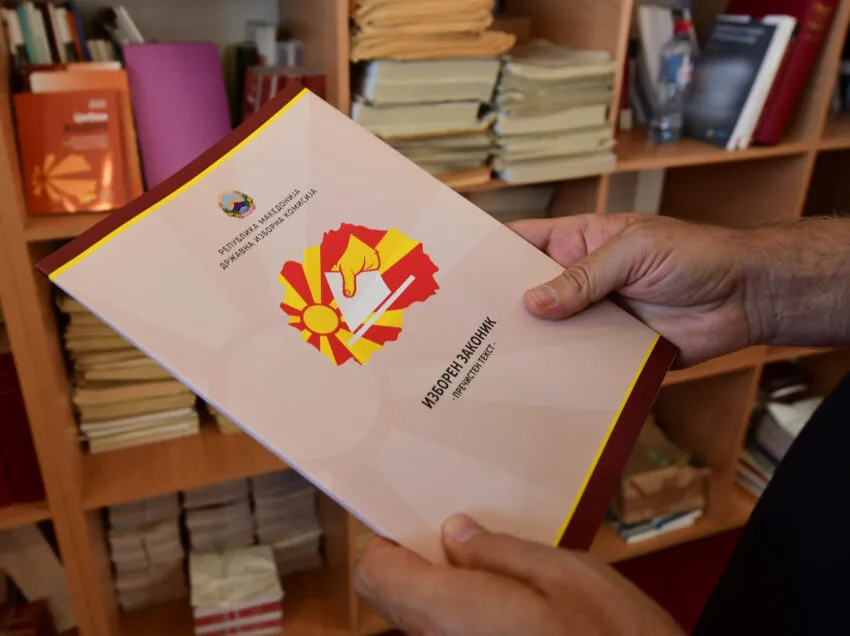
Two senior officials announced progress, the two largest parties denied it the same day. The amendments sit blocked behind 13,500...
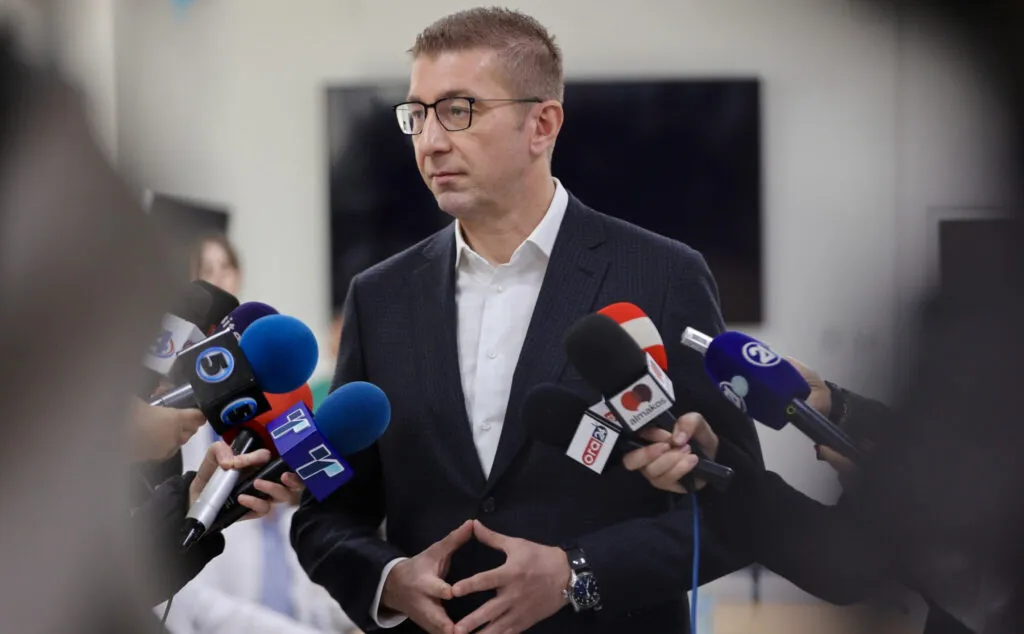
The police acted on their own knowledge, without the PM filing anything at all. The same mechanism exists for every...
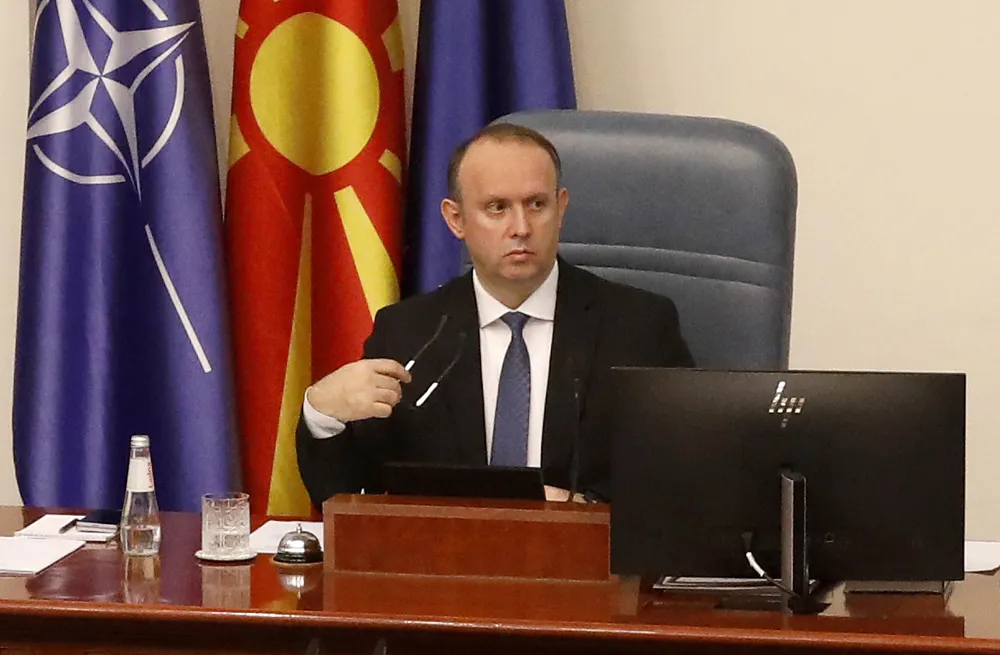
The Electoral Code is the one unfulfilled reform obligation, and the working group does not even know when it will...
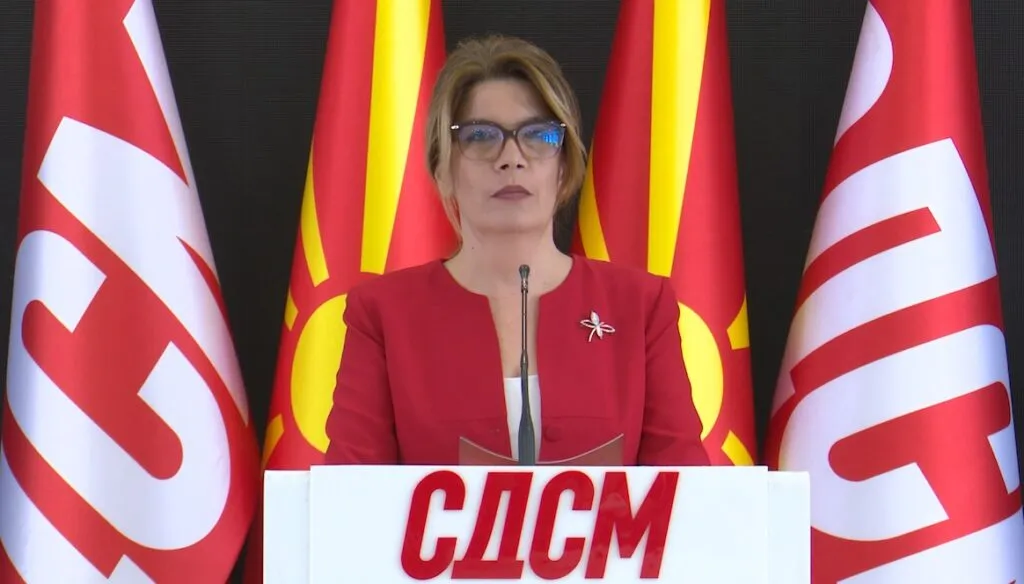
It was supposed to cost "zero denars". Now the opposition wants an investigation, and the timeline - David Guetta announced...
Five negations in one sentence, pension growth "16 times higher" with not a single figure beside it, and a third...
One side waits for a letter, another waits for a different commission, a third waits for consent. In those same...
The commission's chairman says it only checked whether the documents were complete. The public call says something else entirely -...
Three candidates, two of them lawyers, one of them employed by the very municipality he is running for. The line...
This site uses cookies - is that okay? Learn more
Be the first to know when Metla launches something new
Leave your email and we will write when there is a new guide or something new on Metla.