

They Rode In on Scooters, Torched the Shops and Left: The Fire in Shuto Orizari Burned for Three Hours, Setting It Took Fifty Seconds
13.09.2026


13.09.2026

13.09.2026
13.09.2026

13.09.2026

13.09.2026

13.09.2026
13.09.2026

12.09.2026

11.09.2026

13.09.2026

13.09.2026

12.09.2026

13.09.2026

13.09.2026

13.09.2026
13.09.2026

12.09.2026

11.09.2026

13.09.2026

13.09.2026

13.09.2026

13.09.2026

13.09.2026

12.09.2026

09.03.2026

27.02.2026

19.02.2026
13.09.2026

12.09.2026

11.09.2026

23.04.2026

23.04.2026

12.04.2026


"No more gangs, no more crime, no racketeering, no more marijuana economy, no more commissions from the Lottery… None." That was Prime Minister Hristijan Mickoski, speaking after a visit to the company Tesa Energy, answering reporters' questions about the standard of living.
The sentence is built from five negations in a row and closes with a sixth. It is a rhetorical construction that sounds convincing when you hear it - and gets much harder when you take it apart. No more crime. In a country where, the same week, the Interior Ministry filed a criminal complaint against 27 people over a driving licence scheme that ran for six years, with seven of them on the run.
Mickoski also claims the difference in pension growth is "16 times higher" than what the previous government managed. A number delivered with no period, no baseline and no methodology. Sixteen times what - the total amount, a percentage, one specific year? When a number is spoken without the unit that makes it true, it stops being data and becomes a slogan.
Who pays the bill
The second part of the appearance was sharper still. The prime minister said citizens today are paying the bills of the Zaev and Kovachevski governments, while former officials "enjoy exotic destinations, ride luxury yachts and party with Balkan music stars".
The image lands. But look at the timeframe: this government is in its third year in office, and the story of who is to blame still points at the previous seven. Mickoski said it himself: "they had seven years of opportunity to improve citizens' quality of life". The question that asks itself is how many years each next government needs before the criticism stops being about somebody else.
He did at the same time admit that problems exist. "I'm not saying it's perfect now. Yes, we have problems and we are solving them. I'm not saying milk and honey are flowing," the prime minister said, adding that people nonetheless "live much better today than three years ago" and that every public survey confirms it.
Crises as an excuse and as an opportunity
Mickoski also listed the global challenges - the war in Ukraine, escalation in the Middle East, instability in the Arabian Gulf - and said the government is motivated to turn those crises into an opportunity for progress. Then he added something you rarely hear from a prime minister: that in three years' time life will still "be hard".
That may be the most honest sentence of the whole appearance. The promise of a better tomorrow is now a promise of a hard tomorrow, only less hard than today. A long way from "milk and honey", and a long way from the language you use to win power.
The opposition's criticism on living standards the prime minister called "a PR trick dreamed up by consultants to humanise the opposition". Perhaps it is. But when a government answers a question about wages by claiming there is no crime, and a question about crime by claiming the previous lot were worse, then it is playing on the same pitch.
The latest 10 news from this category
One side waits for a letter, another waits for a different commission, a third waits for consent. In those same...
The commission's chairman says it only checked whether the documents were complete. The public call says something else entirely -...
Three candidates, two of them lawyers, one of them employed by the very municipality he is running for. The line...
People are sitting in prison on the basis of verdicts that no longer exist, because the written reasoning has not...

The government says the celebration cost citizens nothing from the budget. But the chairman of the committee that assessed the...
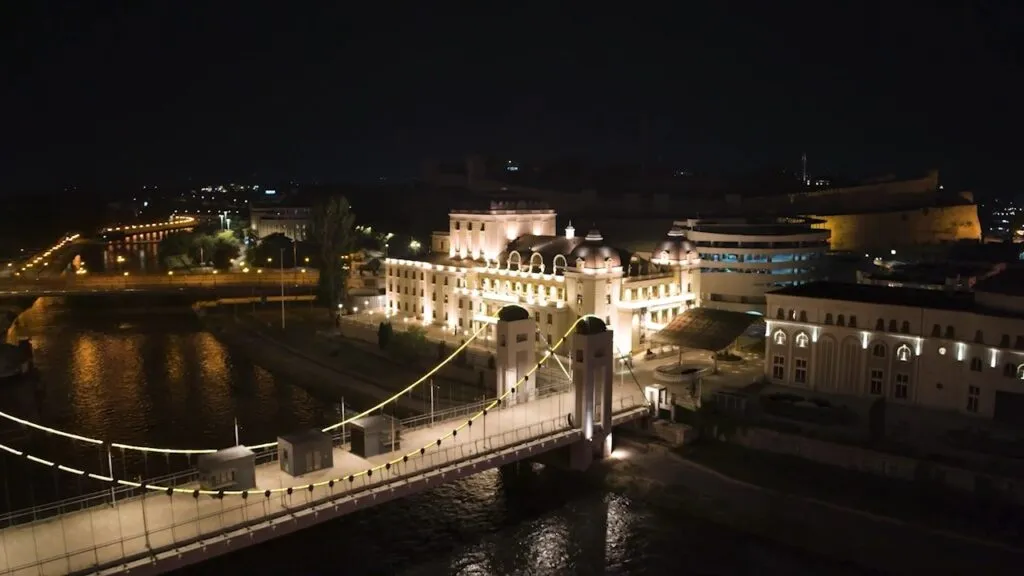
The government tasked the Lottery on 28 April, two days later a call went out with a five-day deadline, and...

The opposition estimates at least a million euros for David Guetta's set alone and up to five million in total....
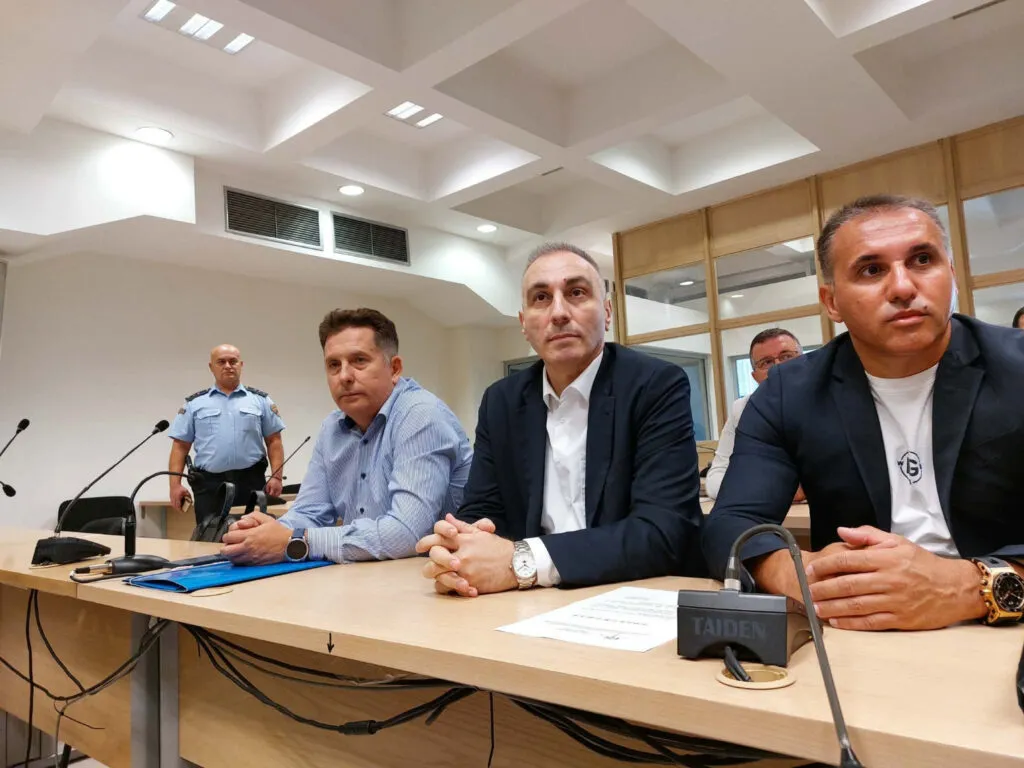
In court, Grubi said a short "No". The prosecution raised the damage by one and a half million euros -...
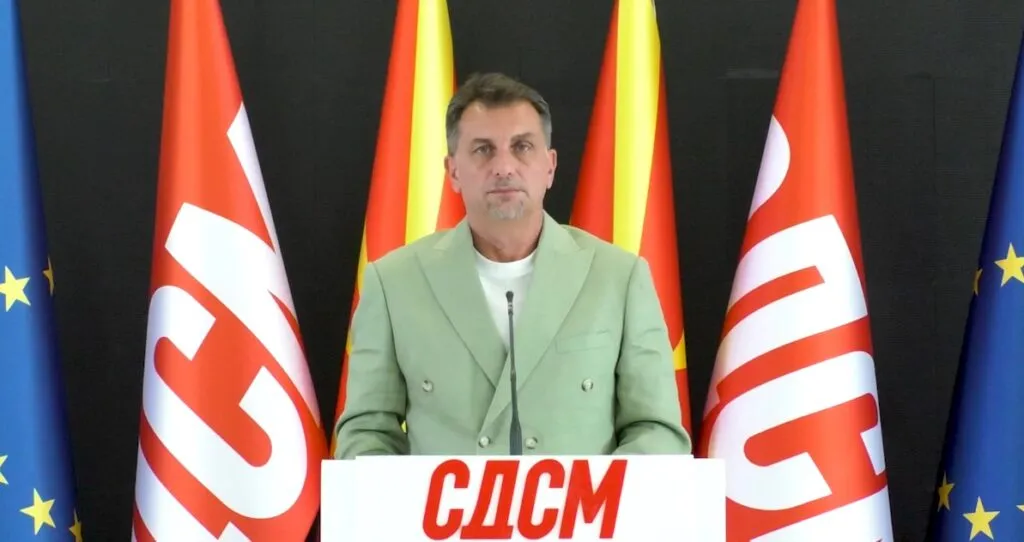
The opposition says around 250 children with disabilities started the year without an assistant. The ministry says a record 1,524...

At a panel marking 8 September, the president measured statehood in decades, not in elections. The sharpest message came from...
This site uses cookies - is that okay? Learn more
Be the first to know when Metla launches something new
Leave your email and we will write when there is a new guide or something new on Metla.
