

33 fires in 24 hours: a beech forest is burning in Kicevo, and near Kumanovo the flames reached the houses
24.08.2026


24.08.2026

24.08.2026

24.08.2026

24.08.2026

24.08.2026

24.08.2026

24.08.2026

23.08.2026
22.08.2026

24.08.2026

24.08.2026

23.08.2026

24.08.2026

24.08.2026
23.08.2026

24.08.2026

23.08.2026

22.08.2026

24.08.2026
24.08.2026
24.08.2026
24.08.2026

24.08.2026

23.08.2026

09.03.2026

27.02.2026

19.02.2026
24.08.2026

23.08.2026
23.08.2026

23.04.2026

23.04.2026

12.04.2026
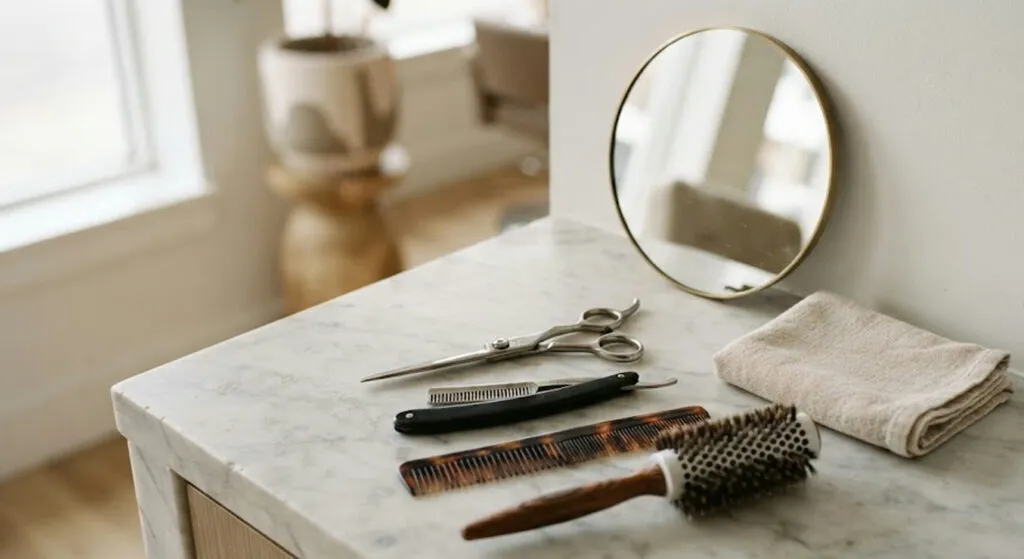
Fine hair is not fixed with a product. It is fixed with scissors - and that is why the haircare industry rarely says this sentence out loud. When there is not enough material, the only thing that works is how that material is cut, and a fringe is the fastest way to create the impression of density where it shows most: around the face.
The logic is simple. Fine hair loses its shape at the ends, so the eye reads thinning. When part of the length is brought forward as a fringe, the weight shifts and the front gains volume that was not there. It is not an optical trick - the material is the same, the distribution is different.
The cuts that work
A pixie with an irregular fringe is the shortest solution: layers that give texture and movement, with the fringe cut irregularly so it does not look drawn on. Long hair with a side fringe holds the volume at the front without sacrificing length - the safest choice if you do not want a drastic change.
The French bob with a curtain fringe is cut to the chin, with the fringe parted in the middle to bring movement around the face and stop the ends looking sparse. A similar logic drives the heart-shaped cut with a longer fringe, where the ends are cut to a point to gain lightness without losing body.
A midi with an inverted-U fringe is for those who want a denser front line - the arc is more pronounced and there is more presence at the front. A shag with a textured fringe takes weight out through layers, and the result is a tousled, relaxed strength.
For long hair there is also the classic option: XL length with a full straight fringe, where air-drying gives a better result than straightening. A curly bob with a straight fringe releases the curls by reducing the length, and a short crop with a very short fringe above the brows creates the impression of density precisely through contrast.
The wolf cut with a light fringe is the last one - the layers distribute volume strategically, and the open fringe frames the face without closing it in.
One rule that applies to everyone
Hairdresser Alberto Sanguino says this about curly hair: layers always work better, because they allow a silhouette to be built around the face. That holds more broadly too - fine hair without layers is a flat surface, and a flat surface has nowhere to cast a shadow.
The difference between a fifty-euro cut and a fifteen-euro cut is usually not in the scissors but in whether the hairdresser is looking at your hair or at a catalogue. Ask that before you sit down.
The latest 10 news from this category

She inherited the visibility, then pointed it at work that has nothing to do with what made her visible. The...
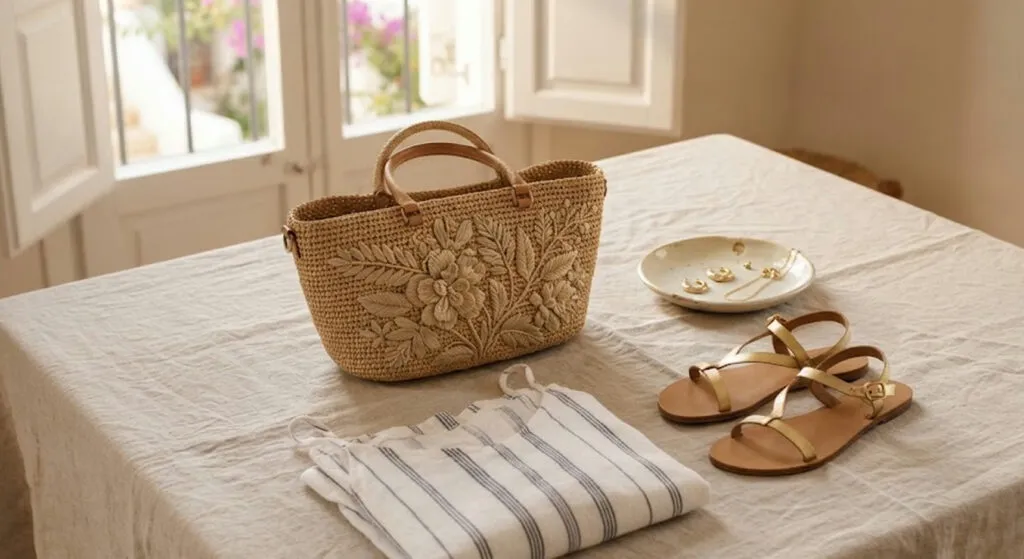
The institution with the budget never to repeat a garment, repeats. Earrings from 2018, sandals from past seasons - and...
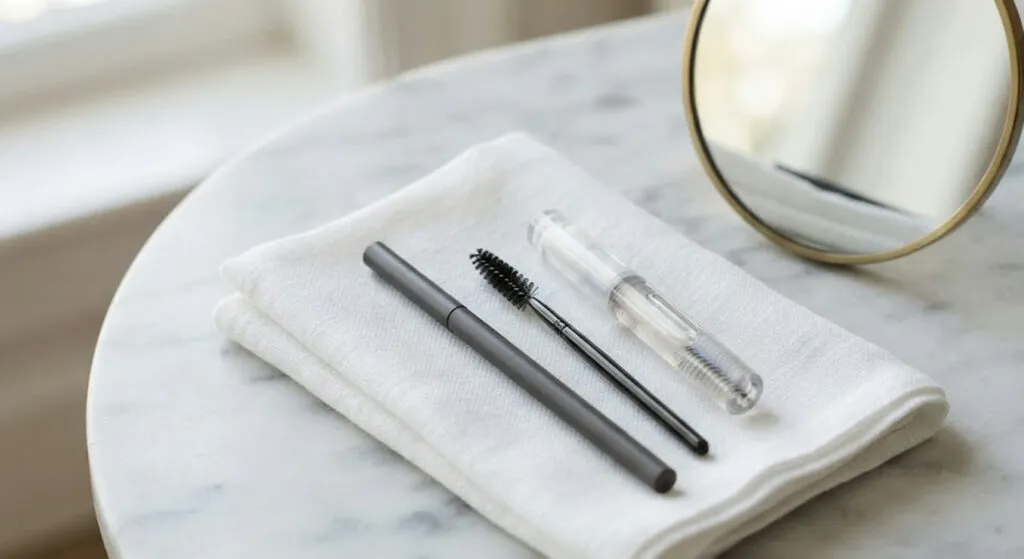
Two specialists say most people start at the wrong step. Comb first, fill second - the other way round means...
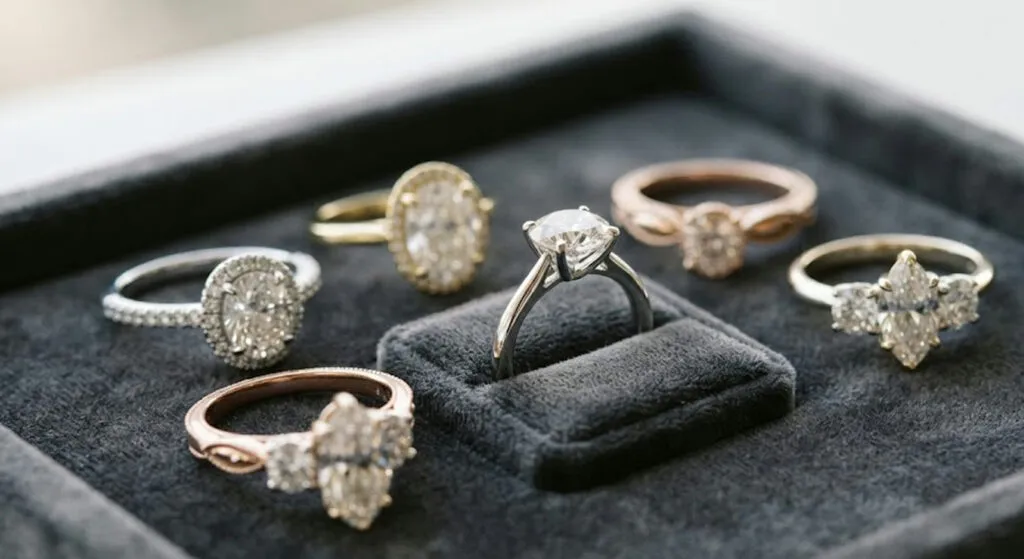
Solitaire, halo, trilogy, signet - names rarely said out loud here, yet every ring in the window is one of...

They show you the cheap part and photograph you with the expensive one. One linen blazer, three looks and one...

The technically perfect wave is not the one that looks best. The whole secret is that the eye must not...
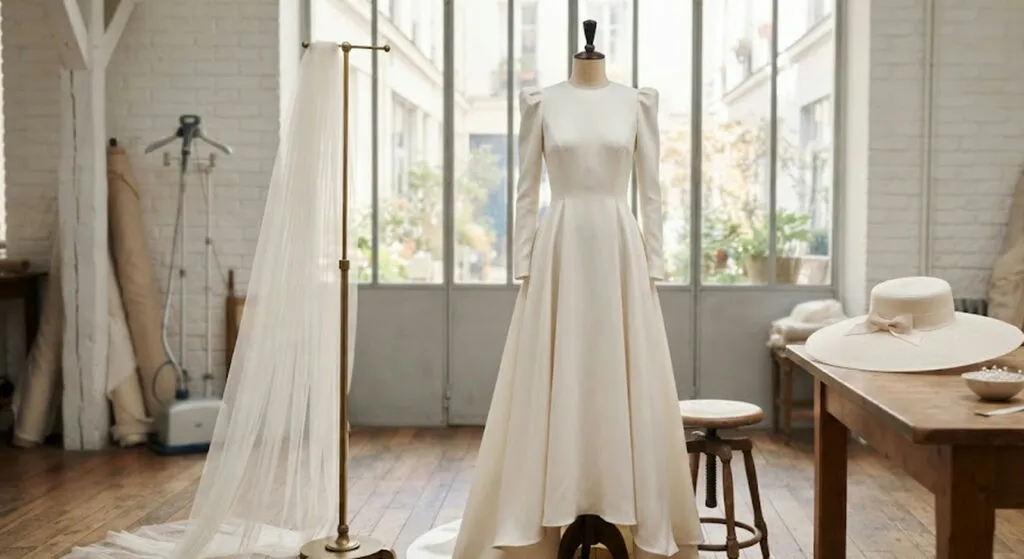
The eighties came back to the shoulders, not to the whole dress. The question is not what is trending this...

Grace Kelly travelled to Monaco with 80 suitcases, and Bardot broke the wedding convention with a pink gingham dress in...

Nicole Kidman refused for a year because it sounded like shaving. The skin really does end up smoother - but...
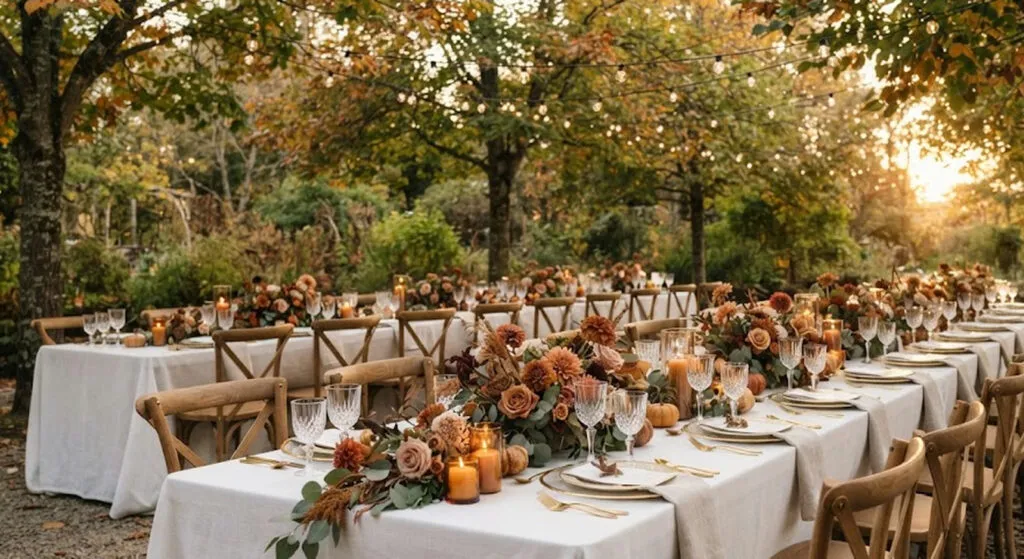
RSVPs arrive in the week before the event because everyone is on holiday. And half the budget depends on the...
This site uses cookies - is that okay? Learn more
Be the first to know when Metla launches something new
Leave your email and we will write when there is a new guide or something new on Metla.
