

Studeničani: 35-year-old dies after being electrocuted while washing his car with a pressure washer
18.09.2026


18.09.2026
18.09.2026

18.09.2026

18.09.2026

18.09.2026
18.09.2026
18.09.2026

17.09.2026

16.09.2026

18.09.2026

18.09.2026

17.09.2026

18.09.2026

18.09.2026

18.09.2026
18.09.2026

17.09.2026

16.09.2026

18.09.2026

18.09.2026
18.09.2026

18.09.2026

17.09.2026

17.09.2026

09.03.2026

27.02.2026

19.02.2026

18.09.2026

17.09.2026

16.09.2026

23.04.2026

23.04.2026

12.04.2026

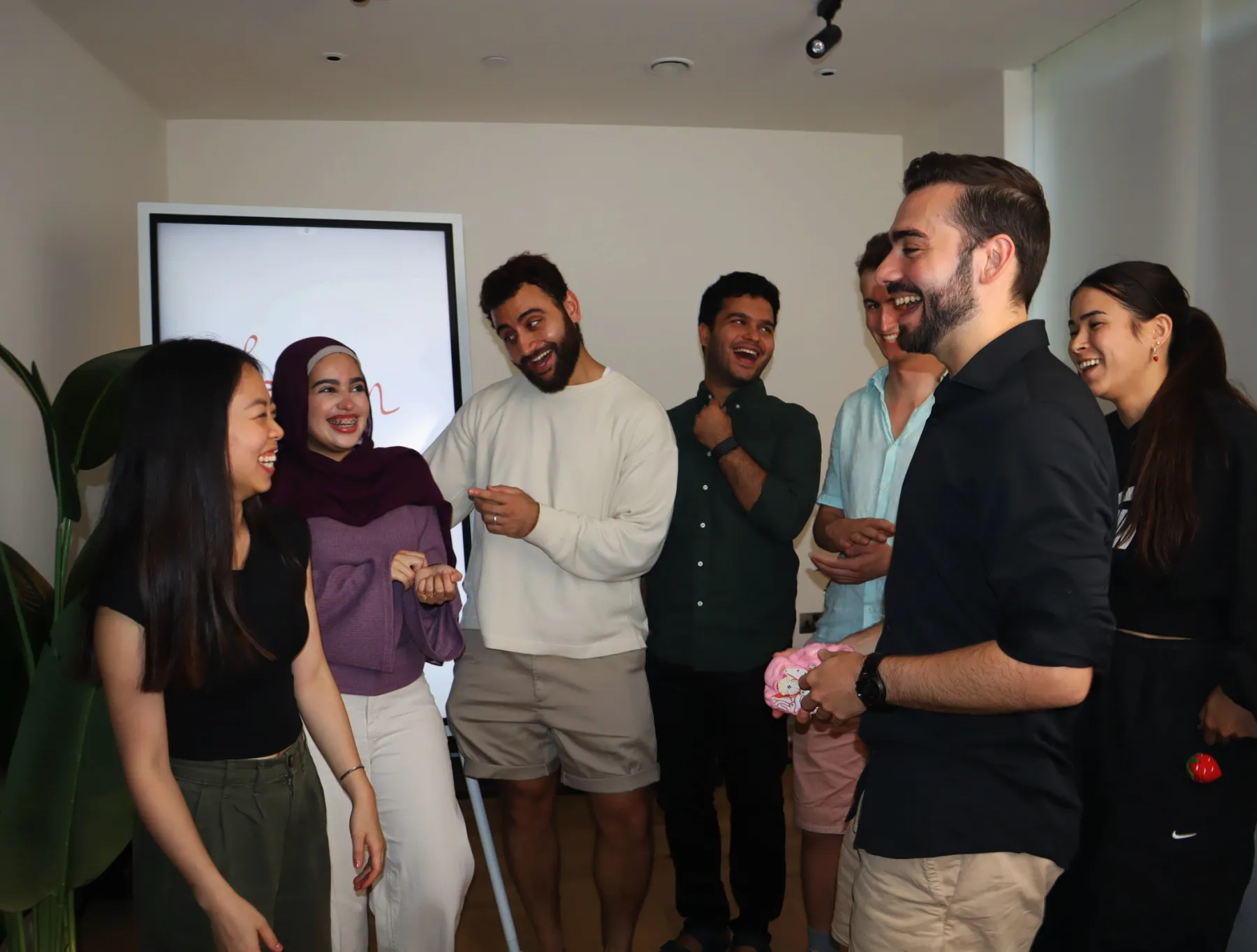
Six twenty-somethings in east London live in a six-storey building by the water and claim they have built something Silicon Valley cannot: a hacker house where the goal is not to stay awake. „Holistic life improvement”, instead of „12 weeks, demo day is coming” - that is how Rowan Oldin explains the concept, a 26-year-old who sold his previous company for millions last year and now runs an applied artificial intelligence startup.
The house is called Lift House - after the lift in the building and after the intention to lift its founders. It is one of very few co-living houses for founders in London, a city where you can count them on your fingers. In San Francisco there are dozens, if not hundreds, at any given moment.
The numbers behind the calm story
Here is the part that makes this more than a lifestyle story. According to Dealroom, London AI startups have raised 12 billion dollars so far in 2026 - out of a total of 14.7 billion raised by all London startups. In other words, over 80 percent of all London venture capital goes into one single category. Six companies passed half a billion: Wayve, Superintelligence, ElevenLabs, Recursive, Ineffable Intelligence and Isomorphic Labs. The last three were founded by people from DeepMind.
It is DeepMind that Oldin invokes when defending the calm approach: „They won Nobel prizes and built frontier innovation without any song and dance.” There is a truth in that rarely spoken in a tech context - London's best AI firm never operated like a hacker house running 72-hour sprints.
What they actually do
On Sundays the group journals together - a practice introduced by David Amor, 28, who runs a brain-training company. They note how much time each spent outdoors, how well they ate, how much they moved their body. On Tuesday evenings they play volleyball in a local league. Sometimes they play Catan or go to exhibitions. Everyone pays for their own groceries, but they often cook together, and cleaning is shared.
„I eat healthier, train more and sleep more”, says Luke, 27, who runs an AI marketing company. „I always make sure I have lunch now, which is a simple thing, but I did not do it before I lived here.” Hardly a revolution, but exactly the opposite of the image the industry sells about itself.
Prescience Plum, 25, a tech strategist, describes people in the London ecosystem differently: „It is a bit calmer, more balanced, authentic in a way. They do not want too much of that startup-tech male posturing. They want a bit of balance.”
Where the story falls apart
And then comes the part no journal solves. British founders carry their own load: a cultural aversion to risk, a tendency towards modesty and shame attached to failure. They call it „tall poppy syndrome” - when the media lift you up only to tear you down if you become too successful. The result is an ecosystem where people hide their wins.
American investors know this too. Luke tells of an investor from Miami who gave him the condition heard more and more often: move. „That is a fairly common practice”, he says. He and his partner Varun have already started expanding into the US and, despite adoring London, do not rule out relocating. Another founder, as the reporter tells it, got a message from a top investor who would not fund her unless she moved - and she moved, keeping her family in Britain.
„Everyone talks about London, everyone is positive about the country - until they get the chance to leave”, Oldin says. That is one sentence describing more ecosystems than the British one. Anyone who has worked in tech in this region knows the scene by heart: you build at home, you sell at home, and the capital that carries the next stage sits on another continent and comes with its own conditions.
The lease on Lift House has about another year to run. To get in, you have to show a hobby outside your own company and an interest in physical activity - a criterion that by itself says what kind of industry we live in. „The culture is to build something that lasts”, Oldin says, „not to burn out chasing a flash.”
The latest 10 news from this category
An eight-year-old firm that started out mining crypto has tripled its value in ten months. It did not discover anything...

The price of uranium has jumped 75 percent in five years, and the list of countries that mine it reads...
Exein raised 270 million dollars and its valuation jumped thirtyfold in two years. The European regulation coming into force in...
A startup valued at 94 million dollars changed hands, and both sides said openly what was being bought - not...
A technology sold for decades as the answer to the climate is now taking money from the defence industry. The...
The board voted, the founder kicked the administrators out of Slack and held out for three days. What does a...

Three months ago the company raised 60 million. Now it is worth almost ten times that, and its product is...

After Ohridska Banka, Sparkasse has gone after a second one. The approvals come from Podgorica, Belgrade and Frankfurt. The market...

They had offers and visas to stay in the US. They went back to Munich because the numbers worked better...

A signed term sheet in venture capital is treated as a word of honour. When the buyer offers sixty-seven years...
This site uses cookies - is that okay? Learn more
Be the first to know when Metla launches something new
Leave your email and we will write when there is a new guide or something new on Metla.
