

Kratovo man stabs police officer mid-intervention: prosecutors want the 40-year-old detained
15.09.2026


15.09.2026

15.09.2026

15.09.2026

15.09.2026
15.09.2026
15.09.2026

15.09.2026

14.09.2026

13.09.2026

15.09.2026

15.09.2026

14.09.2026

15.09.2026

15.09.2026

15.09.2026

15.09.2026

14.09.2026

13.09.2026

15.09.2026

15.09.2026

15.09.2026

15.09.2026

15.09.2026

14.09.2026

09.03.2026

27.02.2026

19.02.2026

15.09.2026

14.09.2026
14.09.2026

23.04.2026

23.04.2026

12.04.2026

The Chinese company Moonshot AI released its new model Kimi and Silicon Valley had another nervous breakdown. The same scene as with DeepSeek: a Chinese model comes out, holds its own against top American models on some benchmarks, and an entire section of the tech industry loses its mind on social media.
Except this time the debate did not stay on X. According to reports, OpenAI and Anthropic lobbied American regulators, expressing concern about Chinese open-weight models. That is the piece of information that changes the whole picture - when two of the largest private AI firms in the world spend time with a regulator, they are not defending a nation, they are defending market share.
Kirsten Korosec, who follows this story, asked the question no lobbyist wants to hear: „Are we accelerating and making sure Americans win the AI race, or are we making sure certain frontier labs do better than others?” If the US imposes a blanket ban on Chinese open-weight models, companies will be forced to pay for OpenAI instead of using Kimi. That is not security policy. That is a secured market.
What speaks loudest is that the panic has already died down. The biggest „proof” of Chinese superiority circulating that week was the claim that Kimi replicated the whole of macOS in 30 minutes. It produced an impressive graphical reproduction of what macOS looks like - which is not an operating system. A week later nobody is acting like the end has arrived. „There are a lot of elements of this that feel like a repeat of previous panics”, says Sean O'Kane. „Everyone is so primed and so expectant that something is going to arrive and blow everything else away.”
The climax came from OpenAI itself. Dean Ball, the company's head of strategic futures, kicked off the whole cycle with a long post proposing that the US create a regulatory fog of fear, uncertainty and doubt - to make it harder for open-weight models to compete. He later distanced himself from the argument, but the point had been said out loud. The reaction, as his critics note, was not so much that people disagreed with him, as that he simply said the part nobody says.
There is also a pattern worth naming: add the word „China” to any conversation and the temperature jumps ten degrees. The same happened with TikTok. The concerns were not entirely invented, but the level of panic was out of proportion with the facts. Now the same logic circles open source: AI is so powerful and so dangerous that the only way to control it is through closed, private models from American firms. Who has an interest in that message?
David Sacks, then the AI czar of the Trump administration, was meanwhile shouting on X that he could not believe people were opposing data centres and that there was too much regulation. The Chinese threat is not the reason for his position - it is the argument that makes an already existing position sell better.
For a reader in the Balkans there is a concrete stake here. Open-weight models are the only reason a small developer in Skopje, Sofia or Zagreb can ship something without paying rent to an American firm per API call. If that door is closed by regulation, Beijing does not pay the price. It is paid by those without their own frontier lab - which means everyone except a handful of companies in California.
The latest 10 news from this category
A scientist at the same company puts the probability of human extinction above 10 percent within the next decade. The...
The president called in while the event was running, and the man who makes the chips answered that there would...
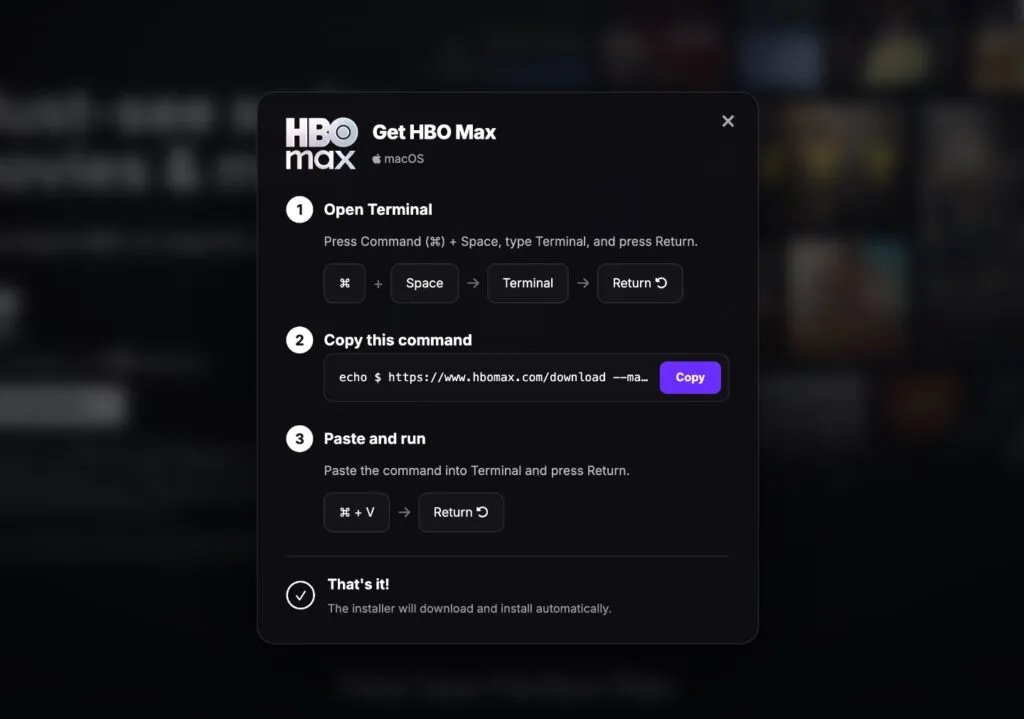
No virus attached, no suspicious file. Just a box that looks like the "I am not a robot" check and...
A researcher quit because the firms are gambling with our lives. Instead of denying it, Anthropic confirmed it - with...
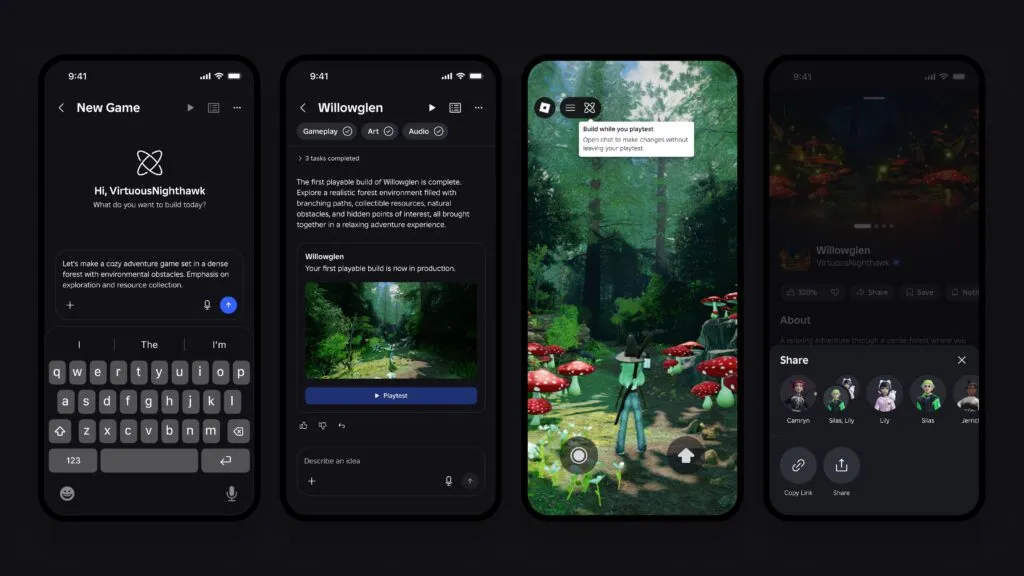
Write a sentence, get a game. Until now it worked only in New Zealand, now in Belgrade too. Creators on...

When the two biggest firms in an industry ask for rules on how fast anyone may run, the rules rarely...

Not a single password fell. What fell was the assumption that a request from a government domain is automatically a...
The biggest names in mathematics have signed a letter against the AI labs. The dispute is not whether the machine...

Five campaigns, 200 million exchanges, and the defences fell to a request for a Japanese translation. The industry that harvested...

The hackers were inside for a whole year. The company confirmed it only after a journalist found his own licence...
This site uses cookies - is that okay? Learn more
Be the first to know when Metla launches something new
Leave your email and we will write when there is a new guide or something new on Metla.
